
How to Measure Flour Correctly With Cups and Spoons for Beginners
How to measure flour correctly with cups and spoons for beginners: spoon-and-level steps, the scooping mistake to avoid, and partial-cup equivalents.
Read this post →
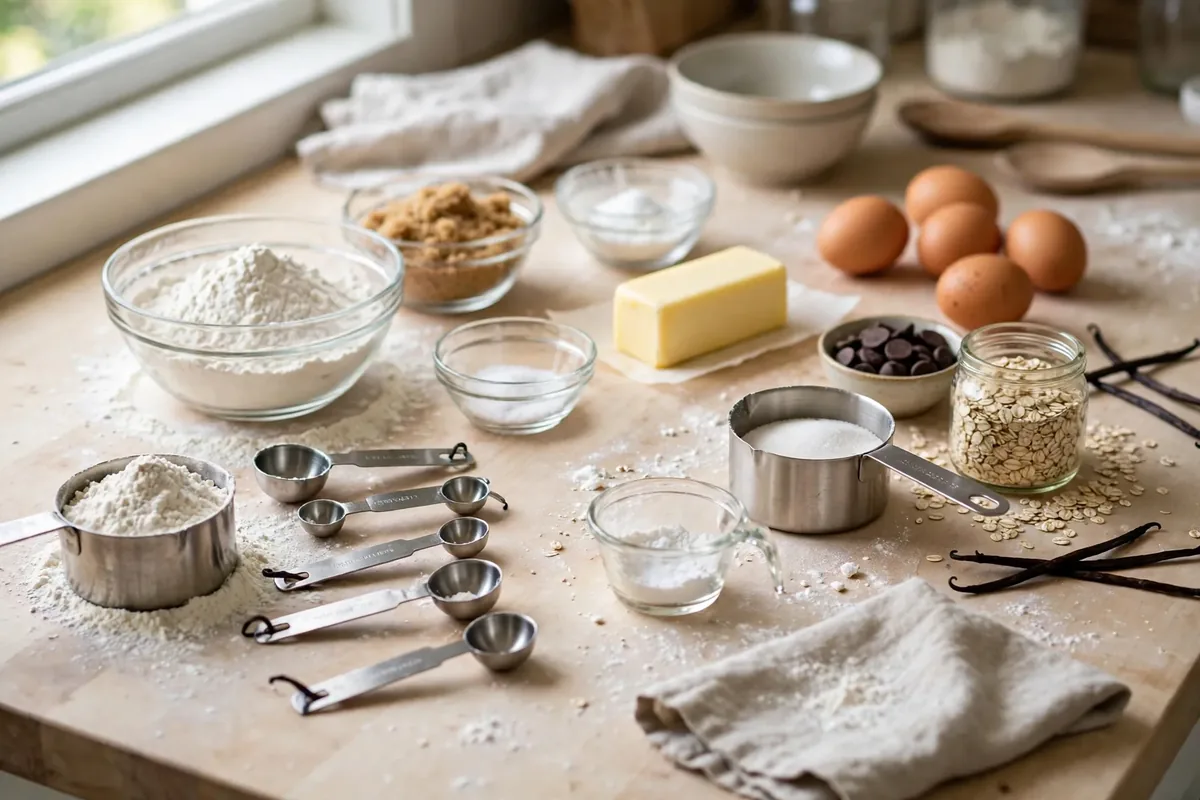
Measurements & Kitchen Math covers the math behind the cooking. The free calculators answer the numbers, and the guides here are the technique around them: measuring without a scale, getting flour right, and scaling a recipe for guests.
How to measure flour correctly with cups and spoons for beginners: spoon-and-level steps, the scooping mistake to avoid, and partial-cup equivalents.

How to measure honey without sticking: oil, hot-water, and weighing tricks for 1 tablespoon and 1 cup, plus the 21-gram target to stop at.

Convert cups to grams by ingredient, and grams back to cups, using standard approximate cup weights.

Convert tsp, tbsp, cups, ml, fl oz, grams, and ounces — and see common equivalents.

Convert an oven temperature between Fahrenheit, Celsius, and gas mark, and see the approximate fan-oven setting for the same heat.
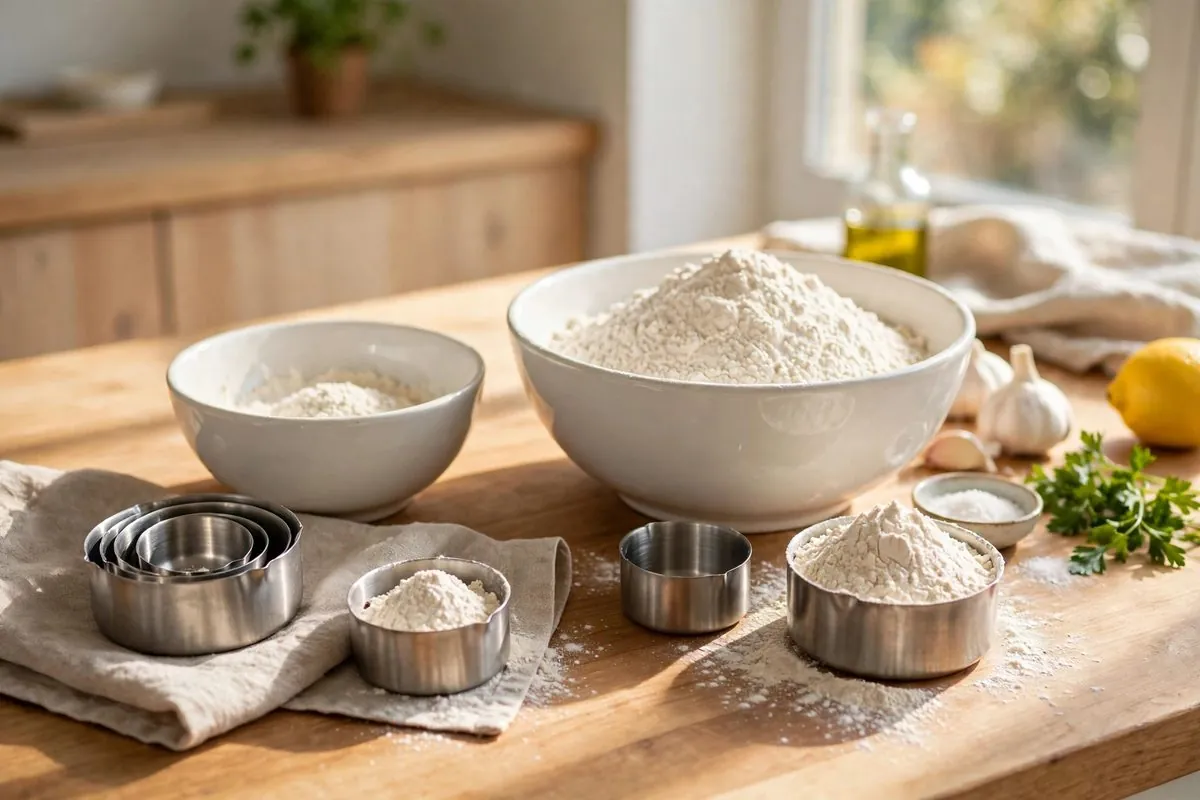
Scale any recipe up or down: enter original and target servings and up to five ingredients, and get scaled amounts in kitchen fractions.
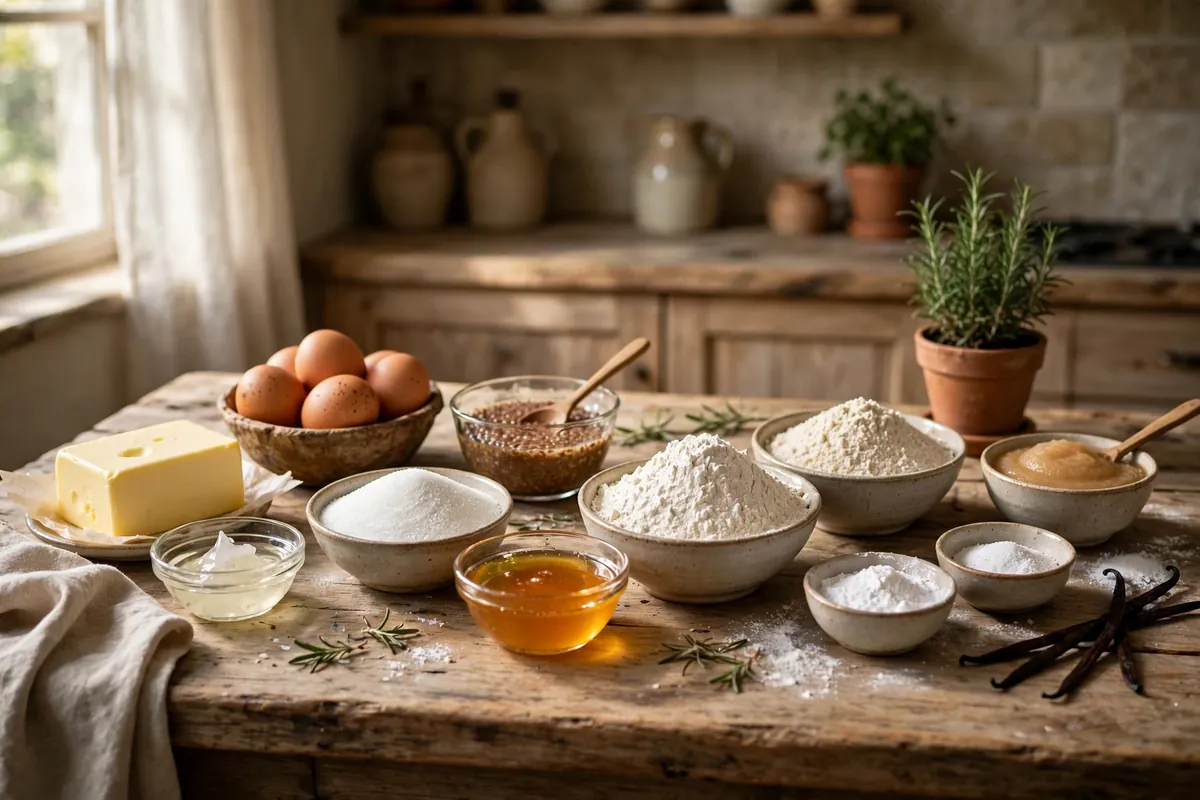
Find a standard stand-in for a missing ingredient: choose butter, buttermilk, brown sugar, baking powder, or egg, enter the amount, and get the substitution.

How to measure ingredients without a scale: cup and spoon equivalents for flour, sugar, butter, and liquids, with a worked example that adds up.

Why oven temperature matters and how to check it: a cheap oven thermometer, a 20-minute test, and how to fix an oven that runs hot or cold.

How to substitute butter in baking: oil, coconut oil, and shortening swaps that work, the ones that change texture, and a worked half-cup example.

How to scale a recipe for guests, for beginners: find the scale factor, multiply every ingredient, and adjust the pan and cook time with a worked example.