
Best Ceramic Baking Dish Set for Beginners Under $50
Compare 5 main picks and 10 more sets on size, depth and oven safety, for first-time buyers under $50.
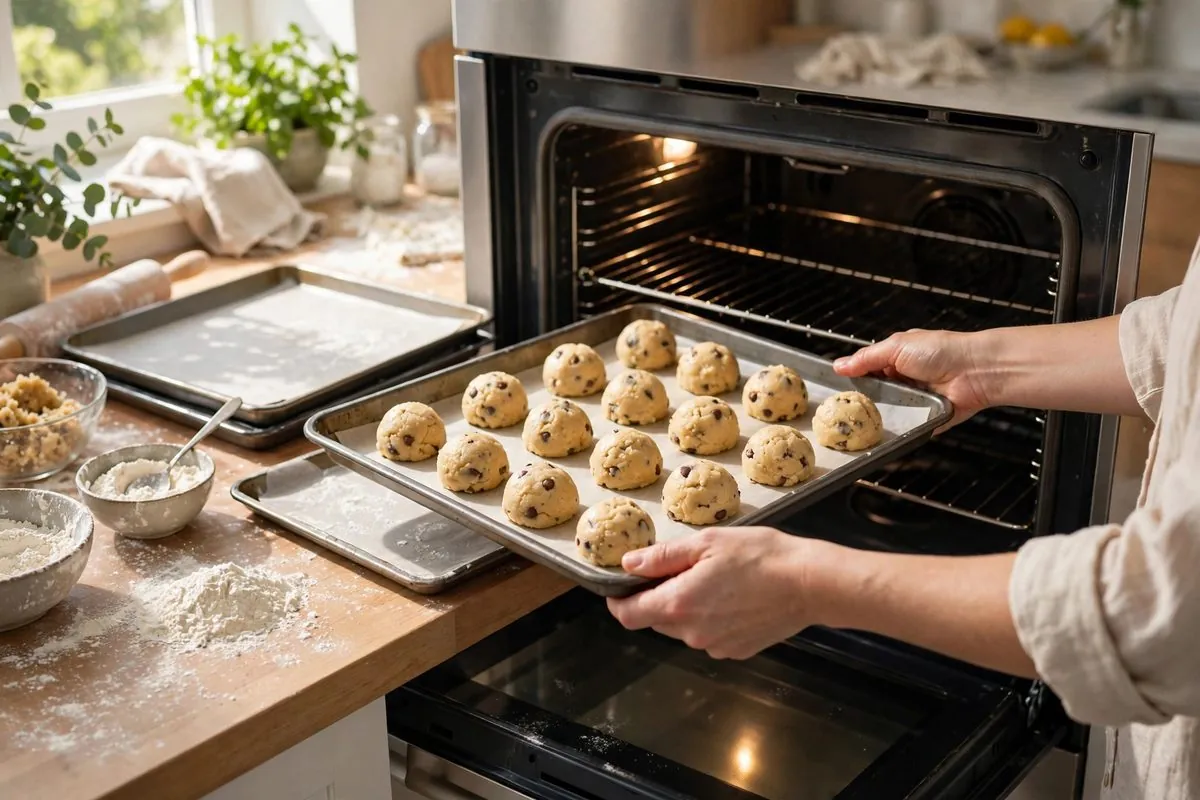
Bakeware for baking with confidence — pans, sheets, and tins in the sizes a beginner actually needs, with materials and care that keep pans lasting.
Example items: baking sheet pans, cake pan sets, muffin pans, loaf pans, silicone baking mats.
Compare 5 main picks and 10 more sets on size, depth and oven safety, for first-time buyers under $50.
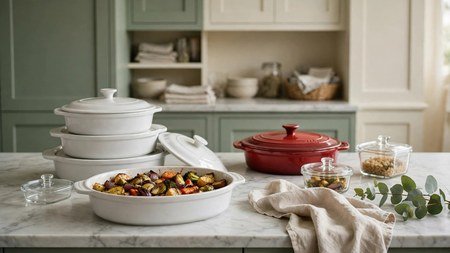
Compare 5 main picks and 8 more lidded dishes on lid type, size and storage, for cooks who want a lid that works.
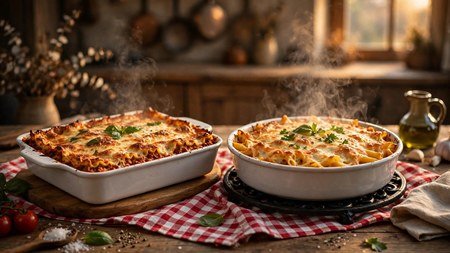
Compare 5 main picks and 10 more sets on depth, size and serving, for casseroles and lasagna.

Compare 5 main picks and 10 more sets on size, quarts and depth, for big batches and family meals.

Compare 5 main picks and 10 more sets on size, material and oven safety, for everyday baking.
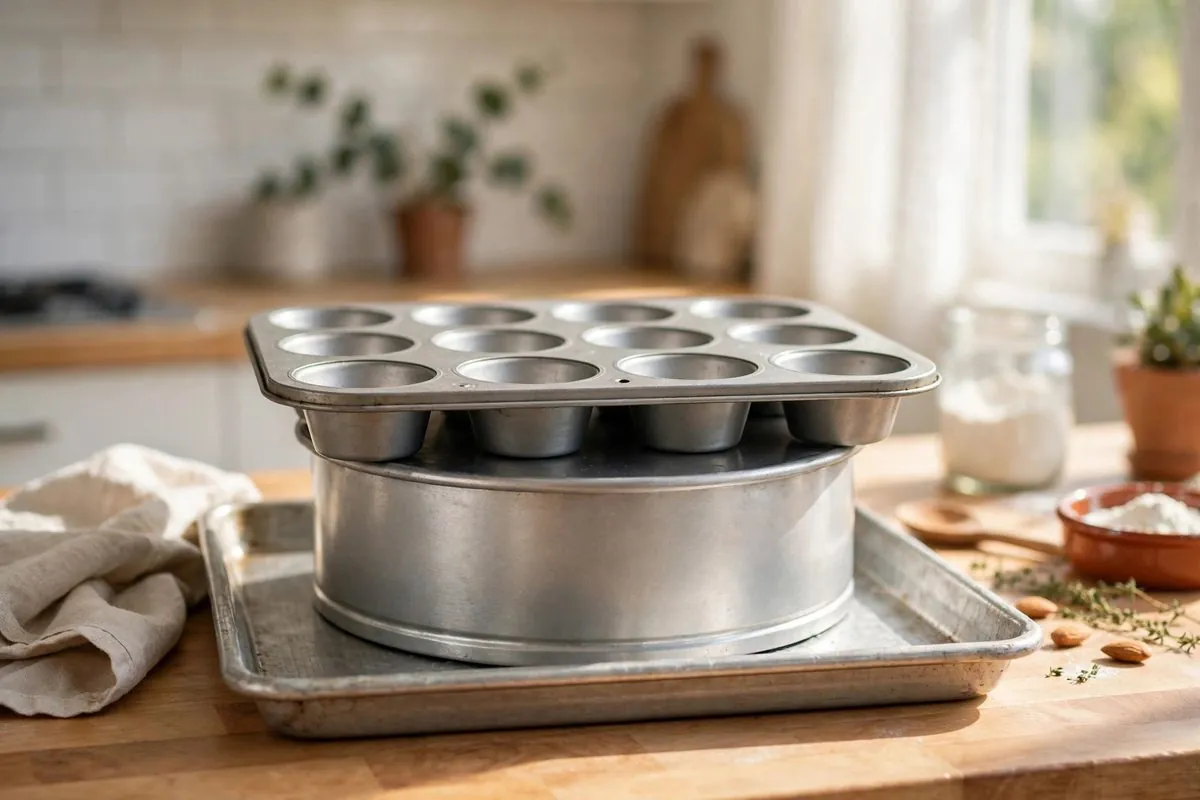
What baking pans do beginners need first? The 3-pan starter core, then the next two pans — and pans to defer.
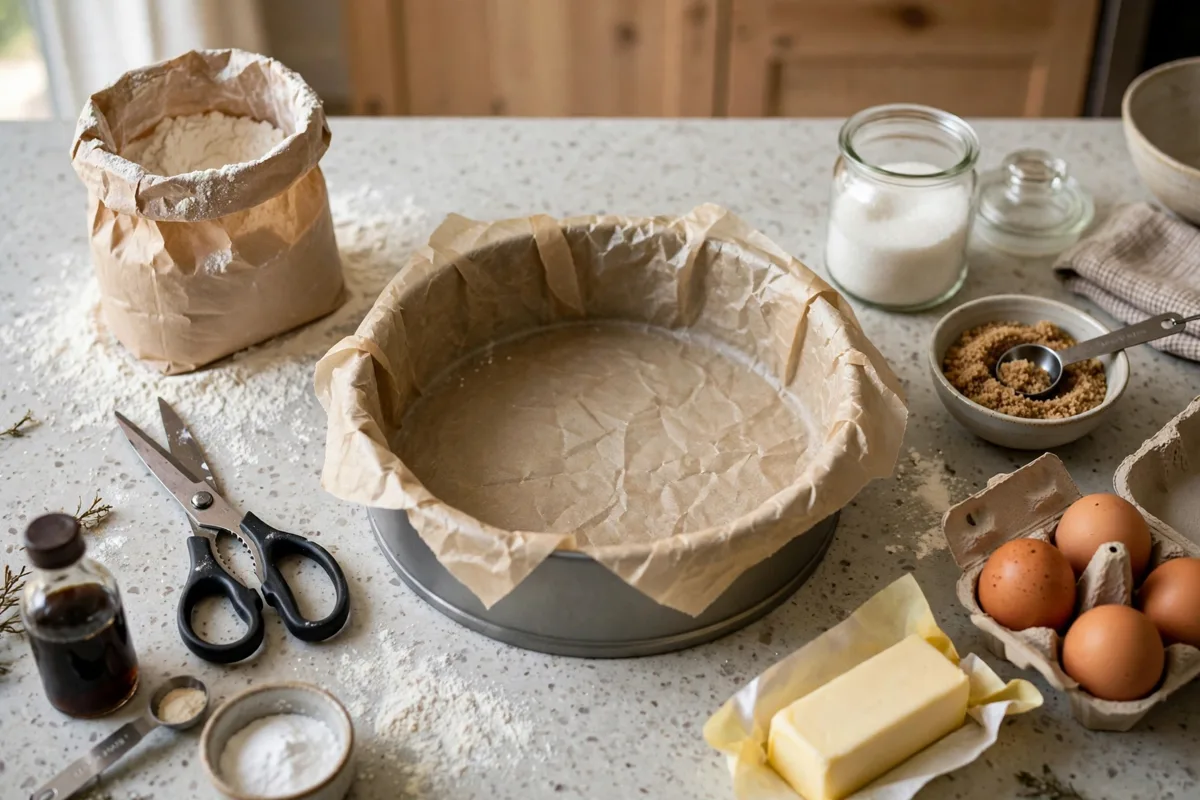
How to line a cake pan with parchment paper for beginners: tracing, cutting, and fitting rounds and rectangles for clean, easy cake release.
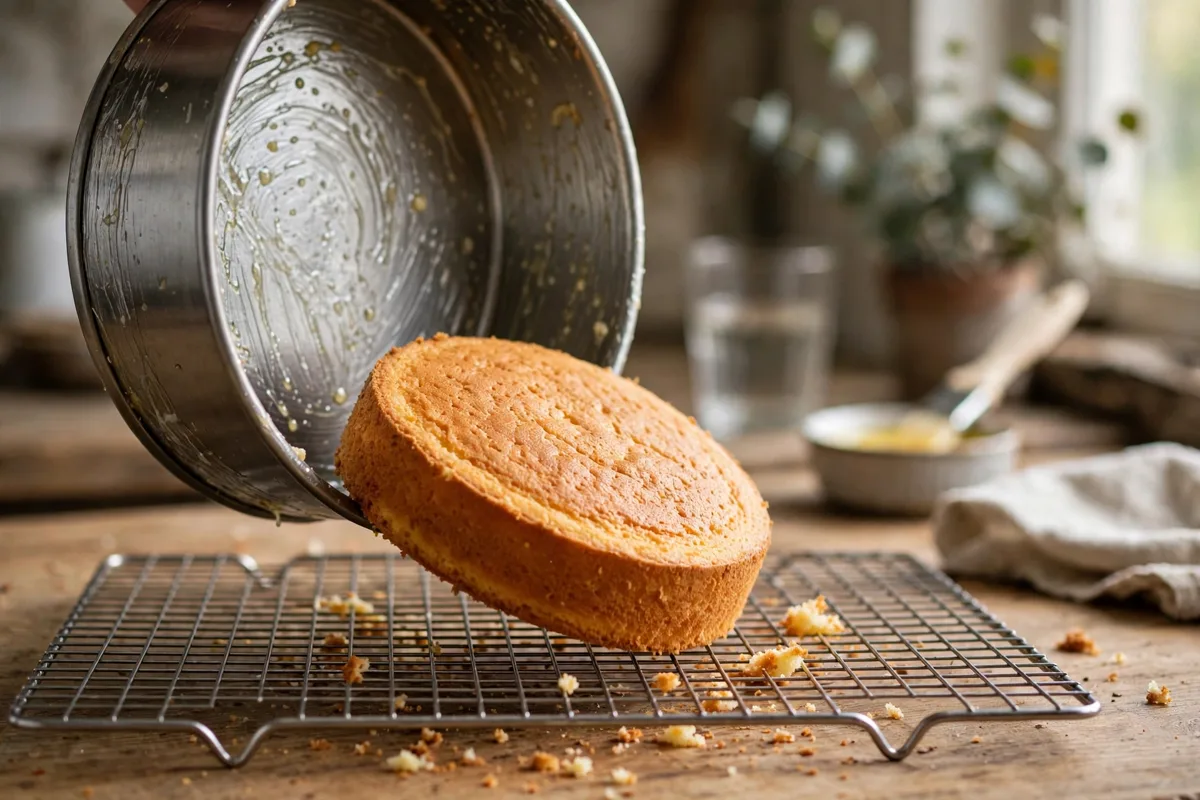
How to prevent cake sticking to a pan without parchment: greasing, flouring, cooling, and release habits that work when parchment runs out.

Why do cookies spread too thin? Butter temperature, flour measuring, chilling, and pan color — the fixes, in order.

How to clean a burnt baking sheet without scratching: baking-soda paste and vinegar soak, nonstick vs aluminum.

How to measure flour correctly with cups and spoons for beginners: spoon-and-level steps, a wrong-vs-right example, and partial-cup equivalents.

How to clean a baking stone and remove burnt residue: cool fully, scrape, damp wipe, baking soda paste, and a soap and soaking decision table.

How to soften butter quickly: cube and roll one stick, use short microwave bursts, or warm a bowl, then pass the fingertip test before creaming.
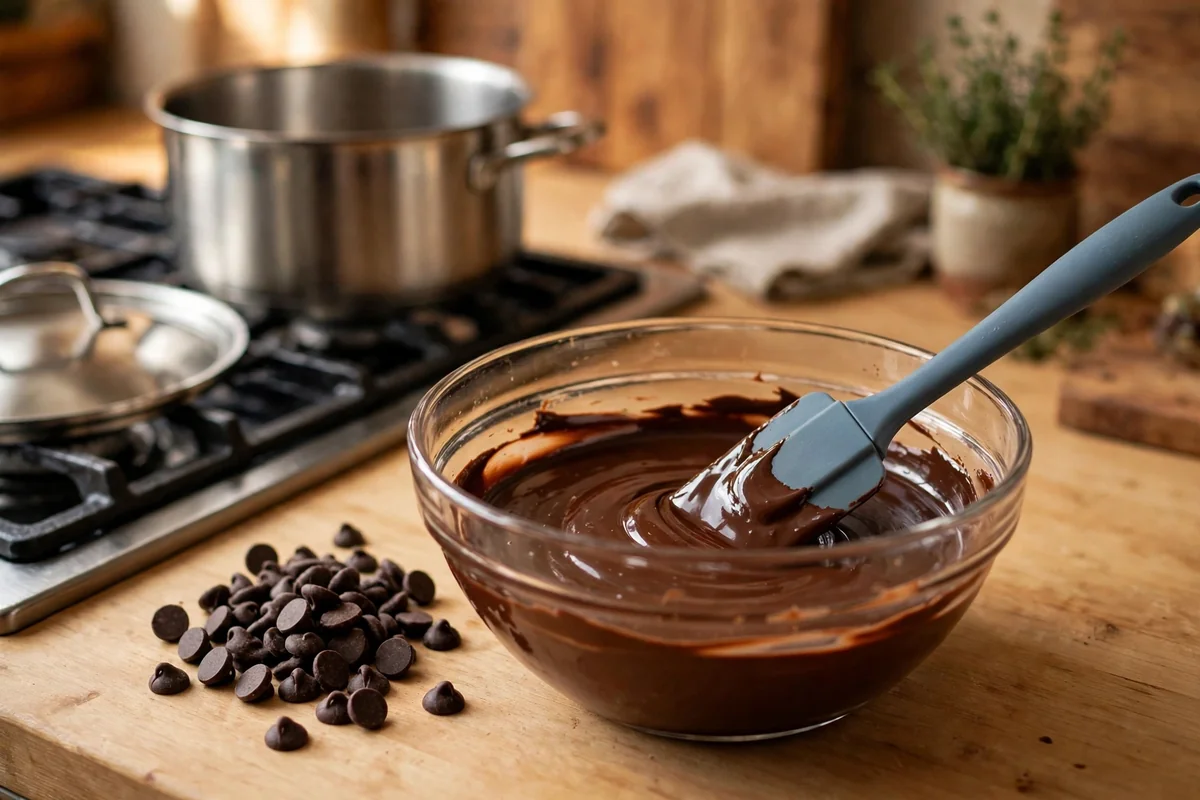
How to melt chocolate without burning: use short microwave bursts or a double boiler, stop before it looks fully melted, then stir until smooth.

How to measure honey without sticking: coat the cup with oil, rinse it with hot water, or weigh honey directly into the bowl for 1 tablespoon and 1 cup.
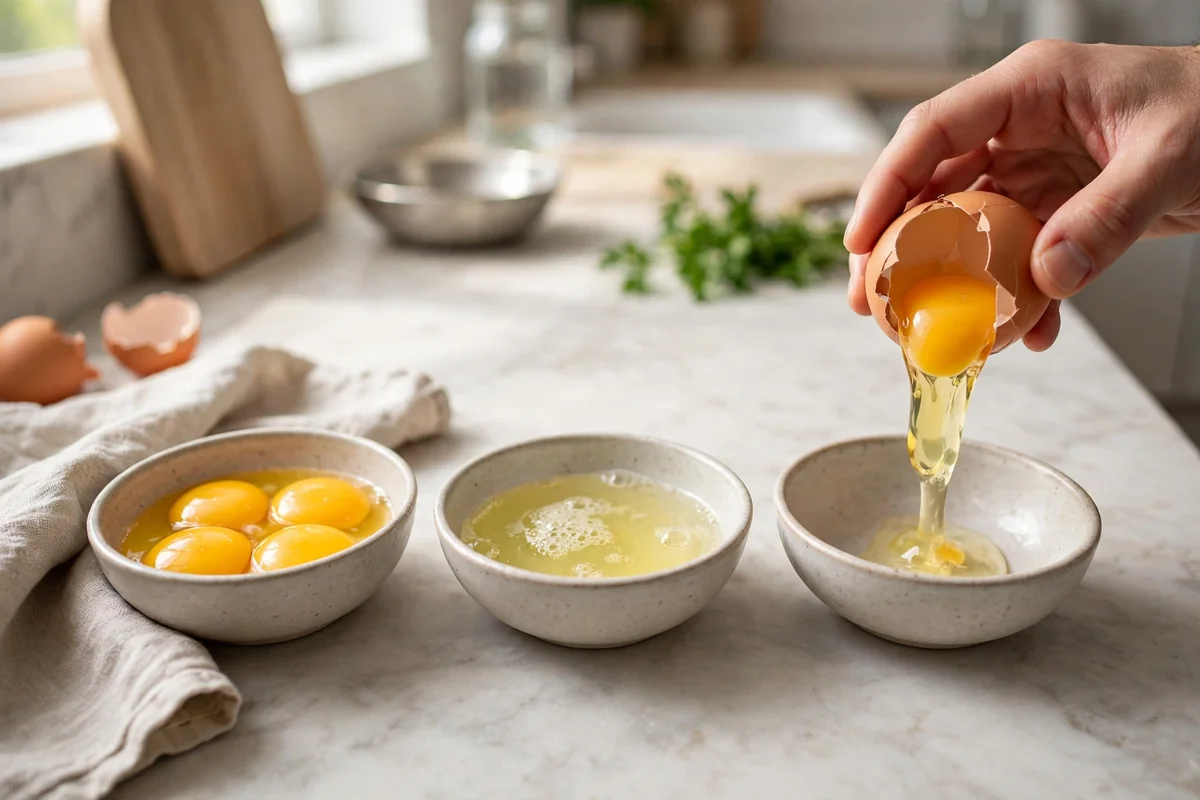
How to separate eggs cleanly: use cold eggs, crack on a flat surface, and follow the 3-bowl rule with the shell, hand, or slotted spoon method.
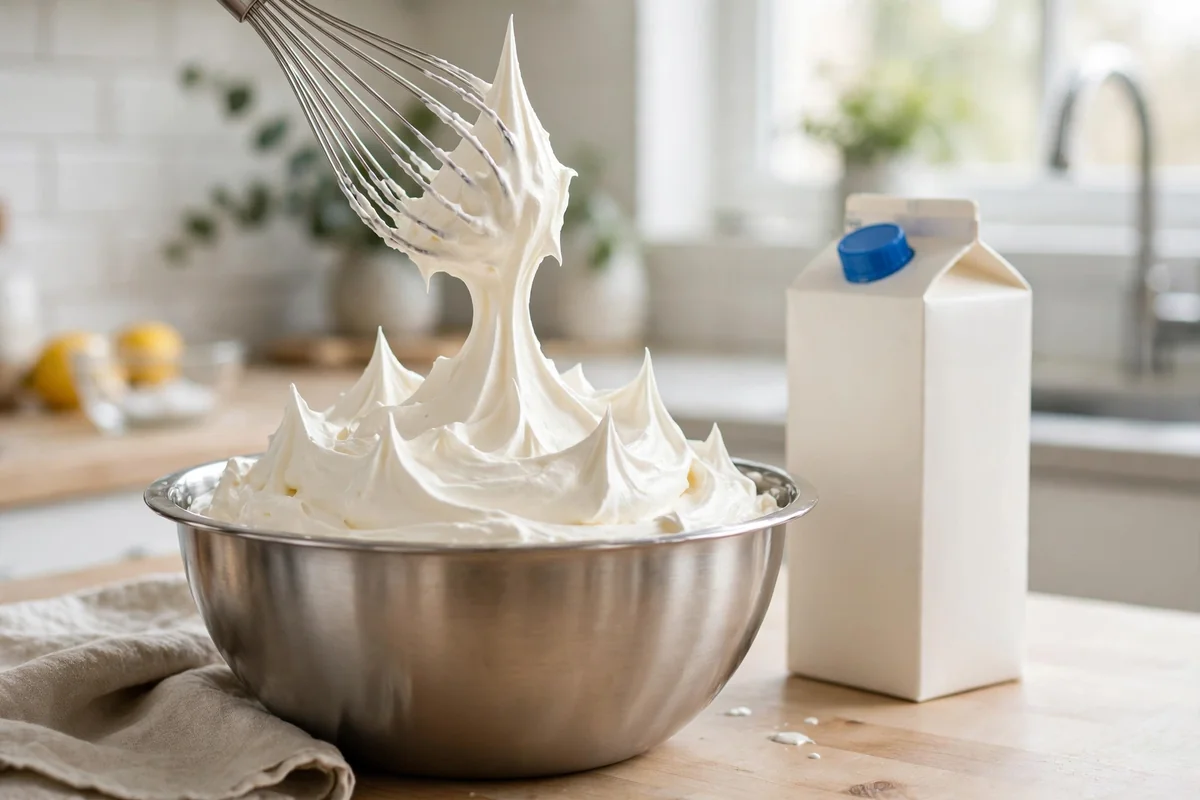
How to whip cream to stiff peaks: chill the cream, bowl, and whisk, whip in stages, and stop when peaks stand straight up without drooping.
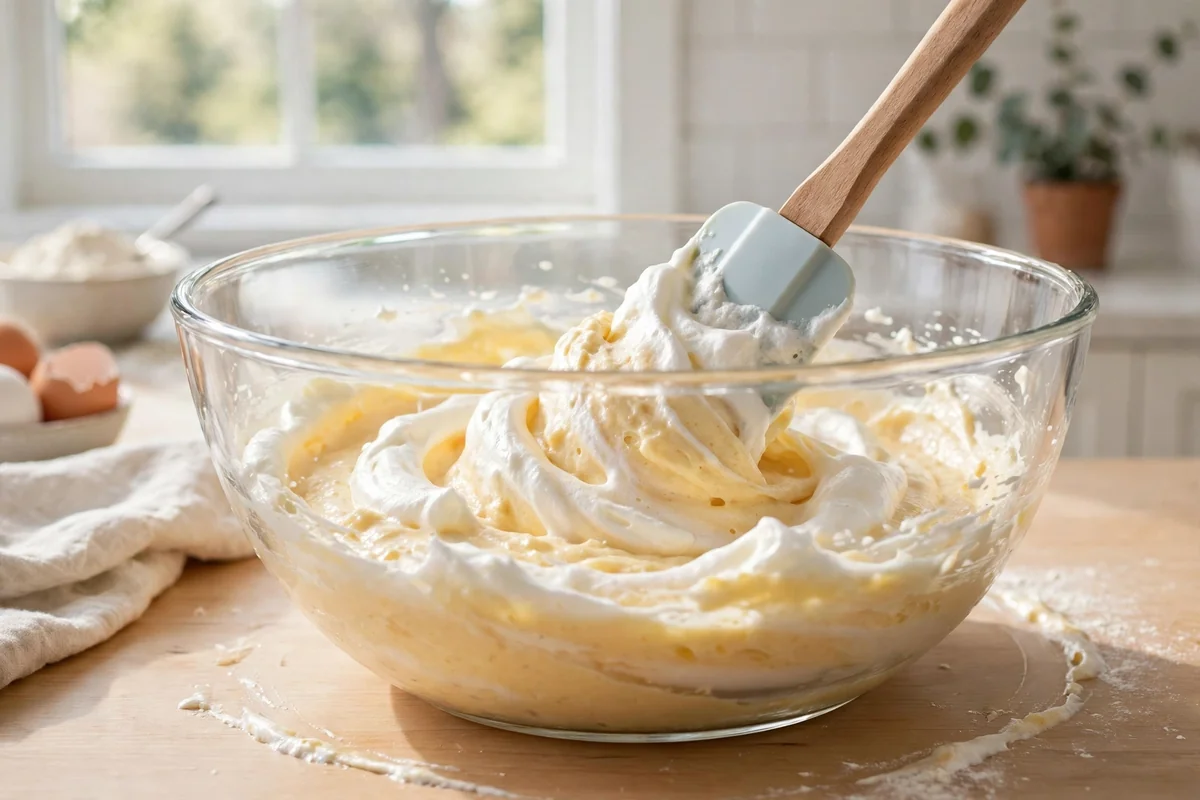
How to fold batter without deflating: lighten thick batter first, add whipped whites in thirds, and use a J-fold with a quarter turn each time.

How to cook bacon in oven without splatter: use a rimmed foil-lined tray, start in a cold oven, and time regular and thick-cut bacon separately.
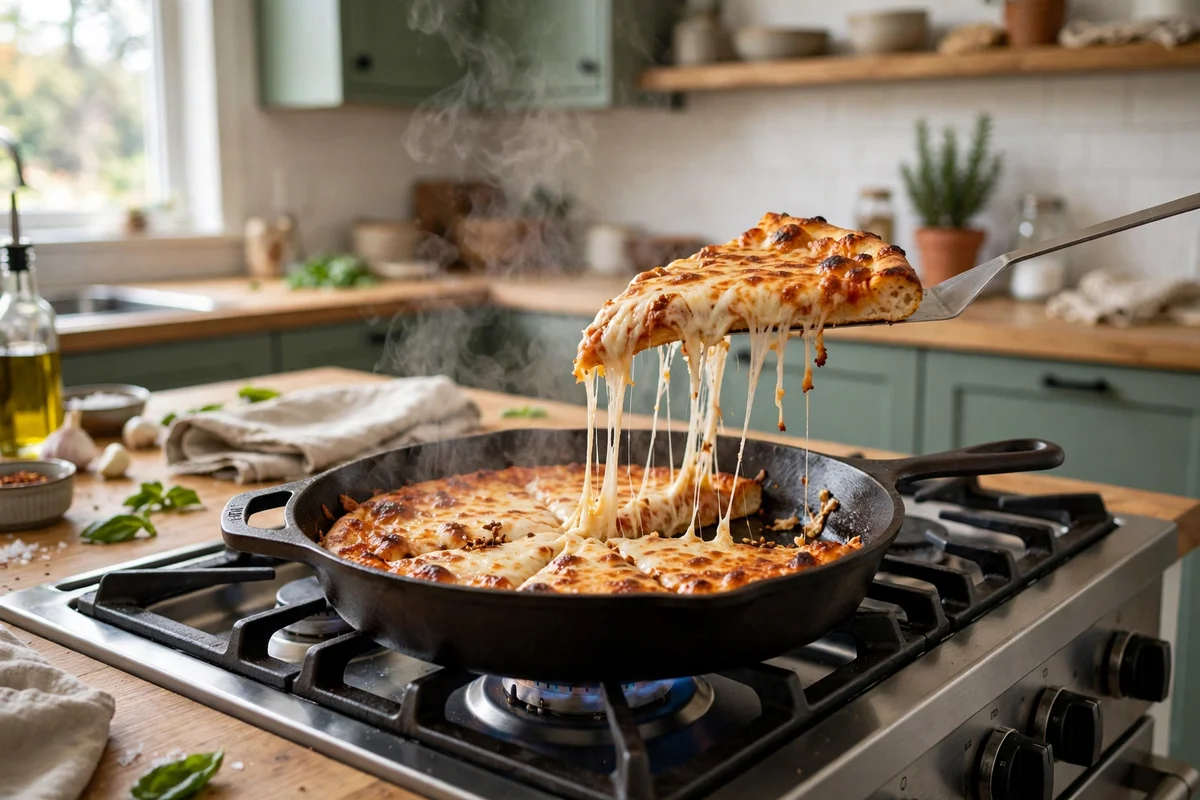
How to reheat pizza crispy: use a preheated skillet for 1 to 2 slices, a preheated tray at 375 degrees for several, or an air fryer.

How to organize baking supplies in a small kitchen: one zone grouped by use, airtight labeled containers, heavy items low, tools together.

How to store baking sheets upright in a small kitchen: measure sheet and cabinet, then file upright with rods, a rack, or drawer dividers.

How to Choose Baking Sheet Material for Beginners: compare aluminum, steel, and nonstick by gauge and color, and pick one sheet first.

Ceramic vs Stainless Steel Baking Dish for Beginners: pick ceramic for casseroles that stay warm, steel for faster browning and lighter lifting.

How to Choose Muffin Pan vs Loaf Pan Size for Beginners: convert one banana-bread batch between 12 muffins and a 9x5 loaf safely.
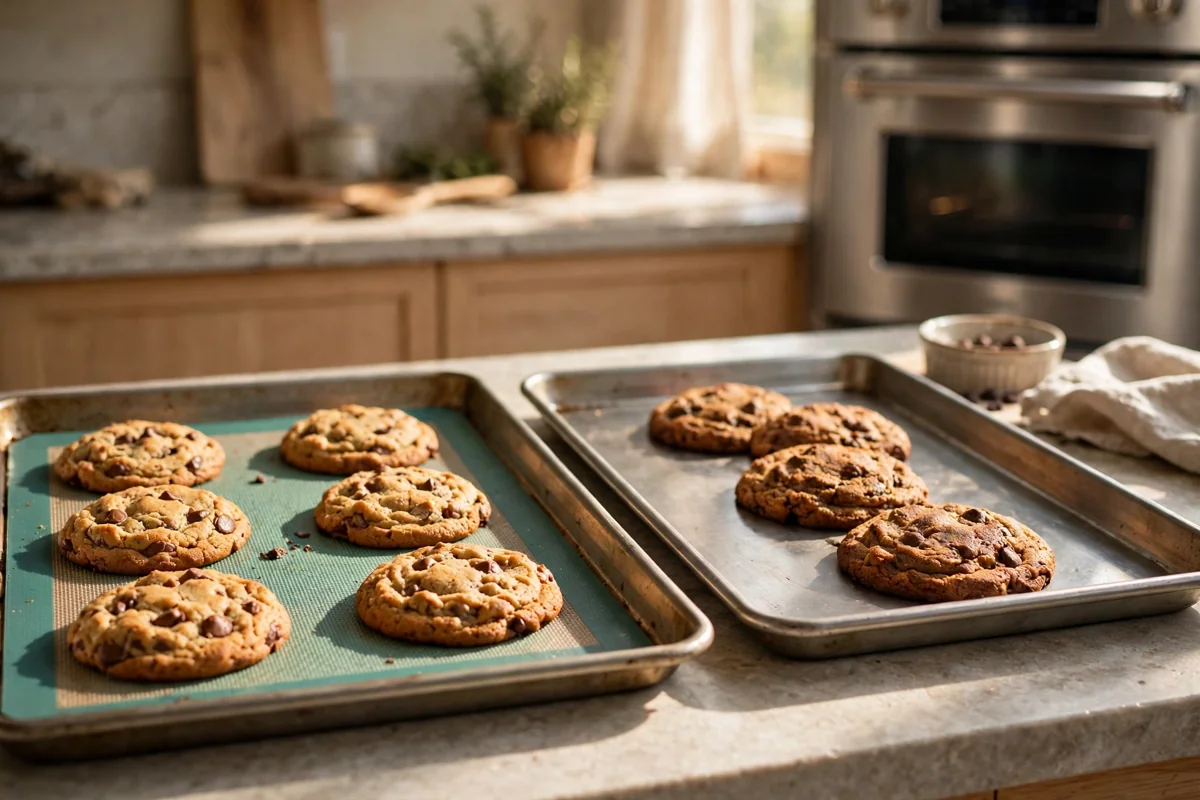
Silicone vs metal baking mats for beginners: how a silicone mat and a bare metal baking sheet change cookies and roasting, plus a side-by-side test.

How to bake without an oven for beginners: use a lidded pot, a skillet, an air fryer, or a microwave, with a worked stovetop cake example.
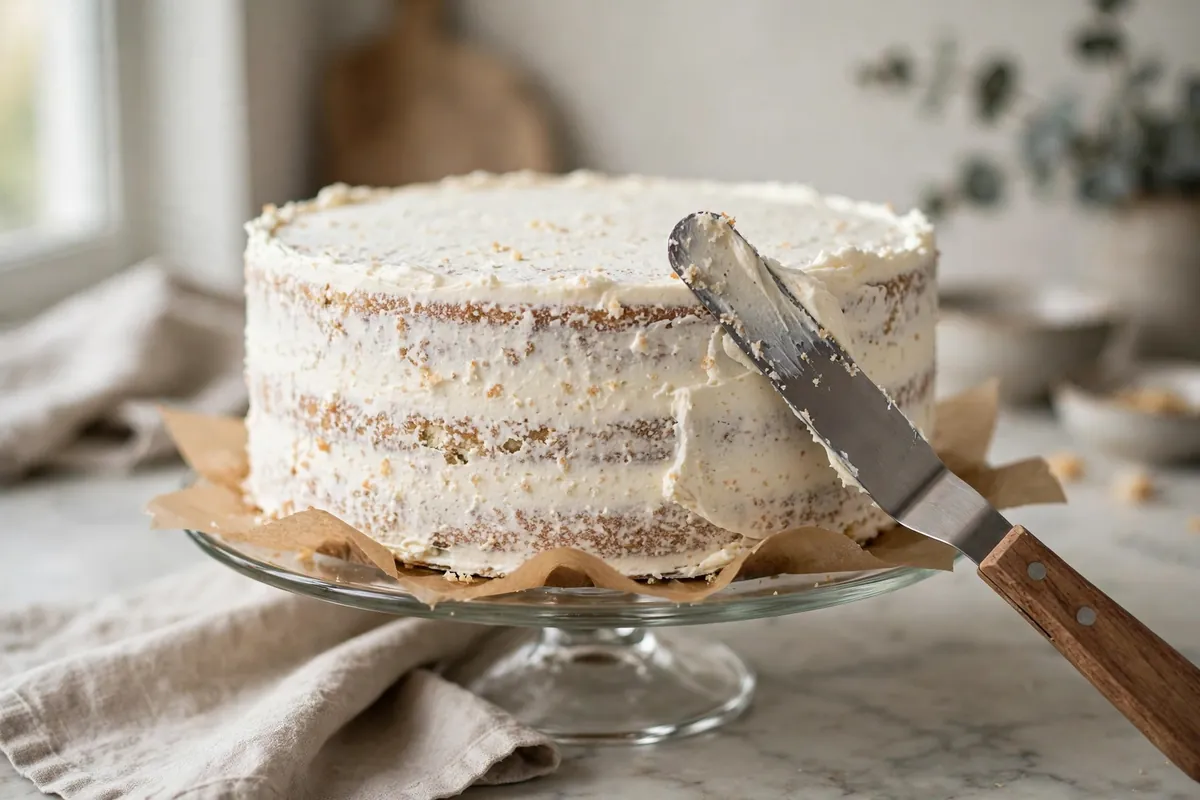
How to frost a cake without crumbs: a beginner crumb coat, chilling, and one-direction spreading, with a worked two-layer cake example.

How to keep cake moist after baking: cooling, syrup brushing, wrapping, and fridge versus freezer choices, for cake after it leaves the oven.

How to make whipped cream that holds its shape: gelatin, cornstarch, and cream cheese compared, with holding times and a worked example.

How to proof dough in a cold kitchen: warm-spot methods, longer proofing times, and fridge options, with a worked example for a cold house.
Swap baking pan sizes by area: get the batter scaling factor and know which way bake time moves.
Check whether your cake pan fits your guest list: enter pan size and servings needed, and compare with standard servings for common pans.
Work out dough ingredients by baker's percentage: enter flour weight, and get water, salt, and yeast weights at 65%, 2%, and 1% of flour weight.
Work out a sourdough starter feeding: enter the starter you keep and the feeding ratio, and get the flour and water to add and the total after feeding.
Work out pizza dough by baker's percentages: enter pizzas and dough ball weight, and get flour, water, salt, yeast, and oil amounts.
Adjust sugar, liquid, oven temperature and baking time for high-altitude baking, using standard approximate rules for altitudes above 3,500 feet.
Work out how much buttercream you need for your cake size and coverage, in cups and in grams, using standard approximate amounts.
Convert between active dry yeast, instant yeast, and fresh yeast by weight, so you can use whichever type you have.
Cookware Sets Small Appliances Bakeware Kitchen Tools & Gadgets Coffee & Tea Food Storage Storage & Organizers Dinnerware & Serveware Cleaning Essentials Small Kitchen Essentials