
How to Choose a Cookware Set for Beginners: A Guide
how to choose a cookware set for beginners: a guide to the starter pieces tied to real cooking, materials by dish, and pieces to skip.
Read this post →
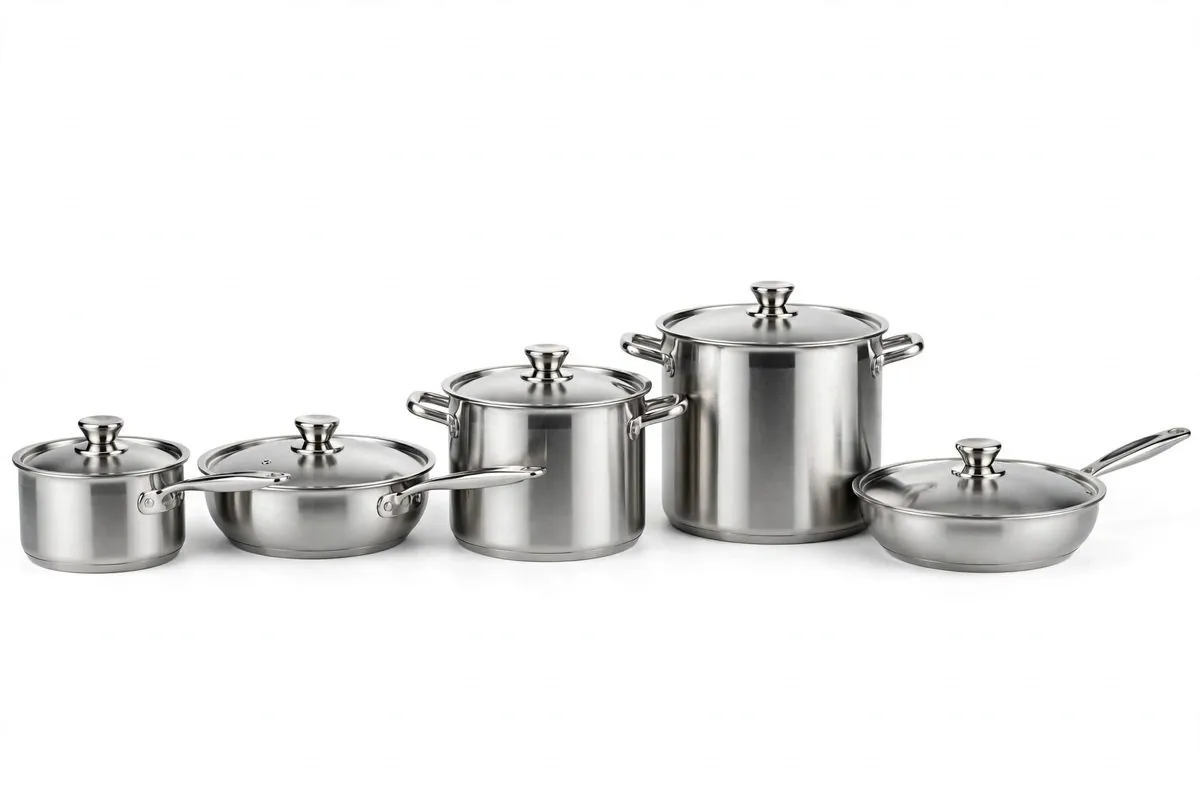
Choosing kitchen gear is easier when you compare the right things: size, material, and how you actually cook. These guides put two options side by side - or walk through one choice step by step - so you buy once and buy right.
Start with the size guides if you cook for one or two, and the material guides if you are torn between stainless steel, nonstick, and cast iron. Each guide ends with a clear pick for a specific kitchen, not a vague answer.
how to choose a cookware set for beginners: a guide to the starter pieces tied to real cooking, materials by dish, and pieces to skip.
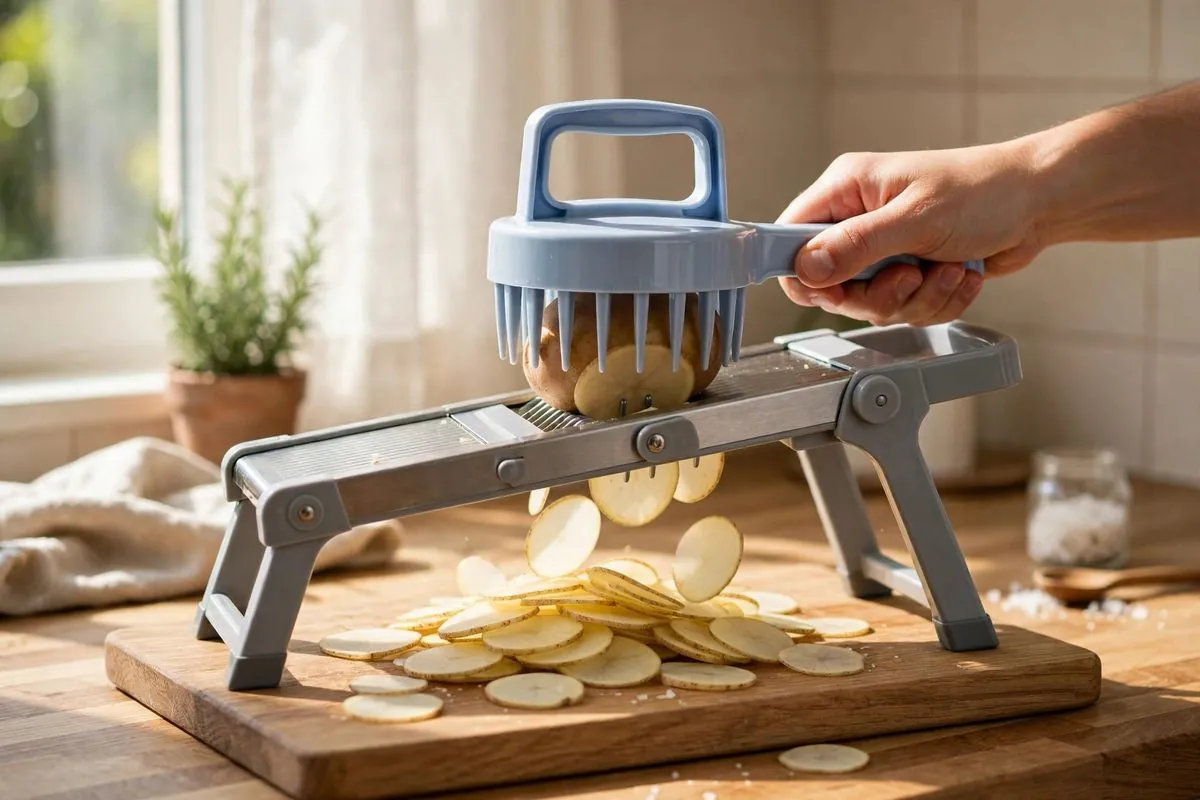
how to choose a mandoline slicer for beginners: safety design first, then thickness control, blades, and storage — start with the guard habit.
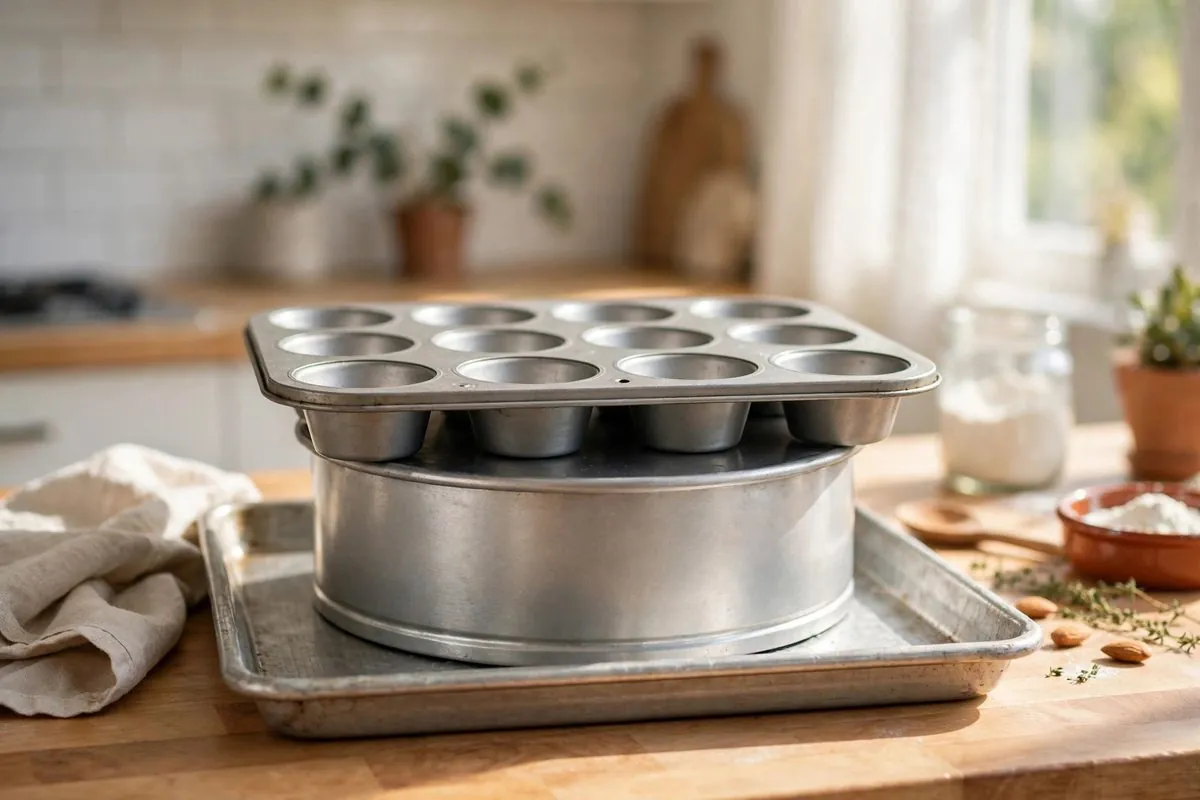
What baking pans do beginners need first? The 3-pan starter core, then the next two pans — and pans to defer. No full bakeware set needed.
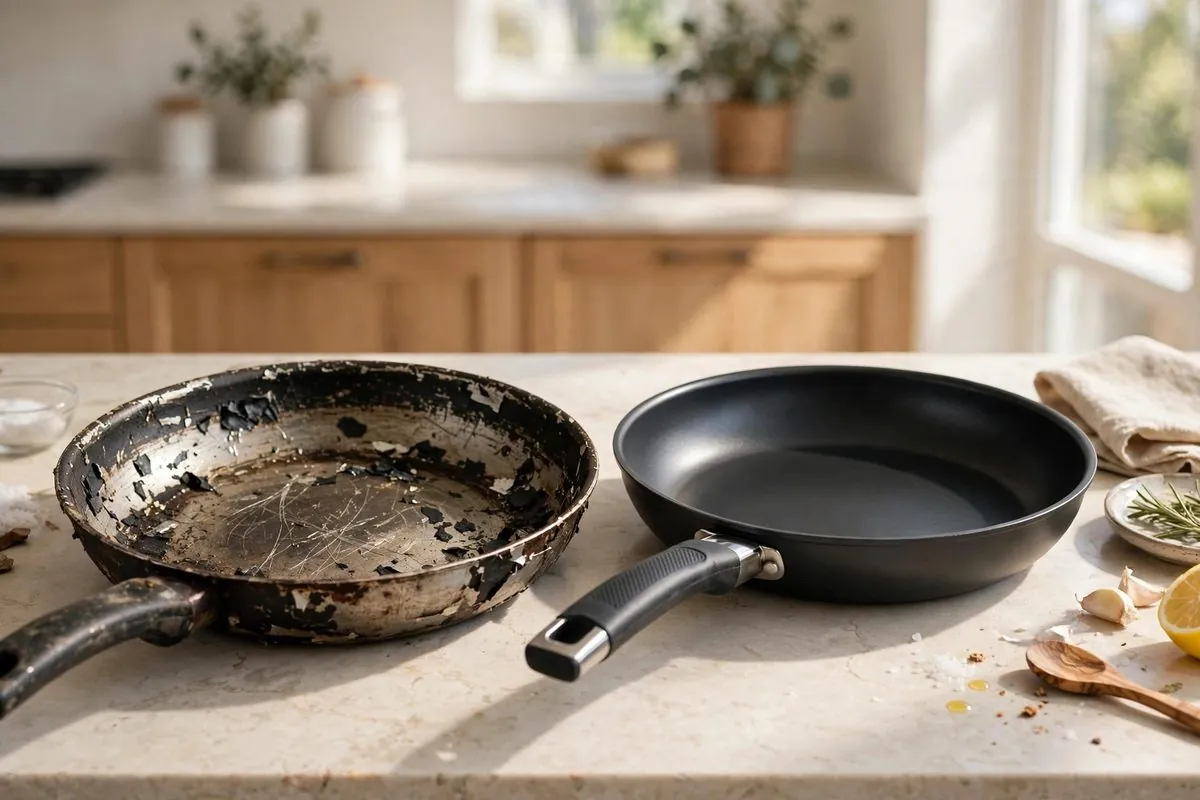
When to replace a nonstick pan: six clear replace signs, light scratch vs replace, and what to do next. Coatings wear out — that is normal.
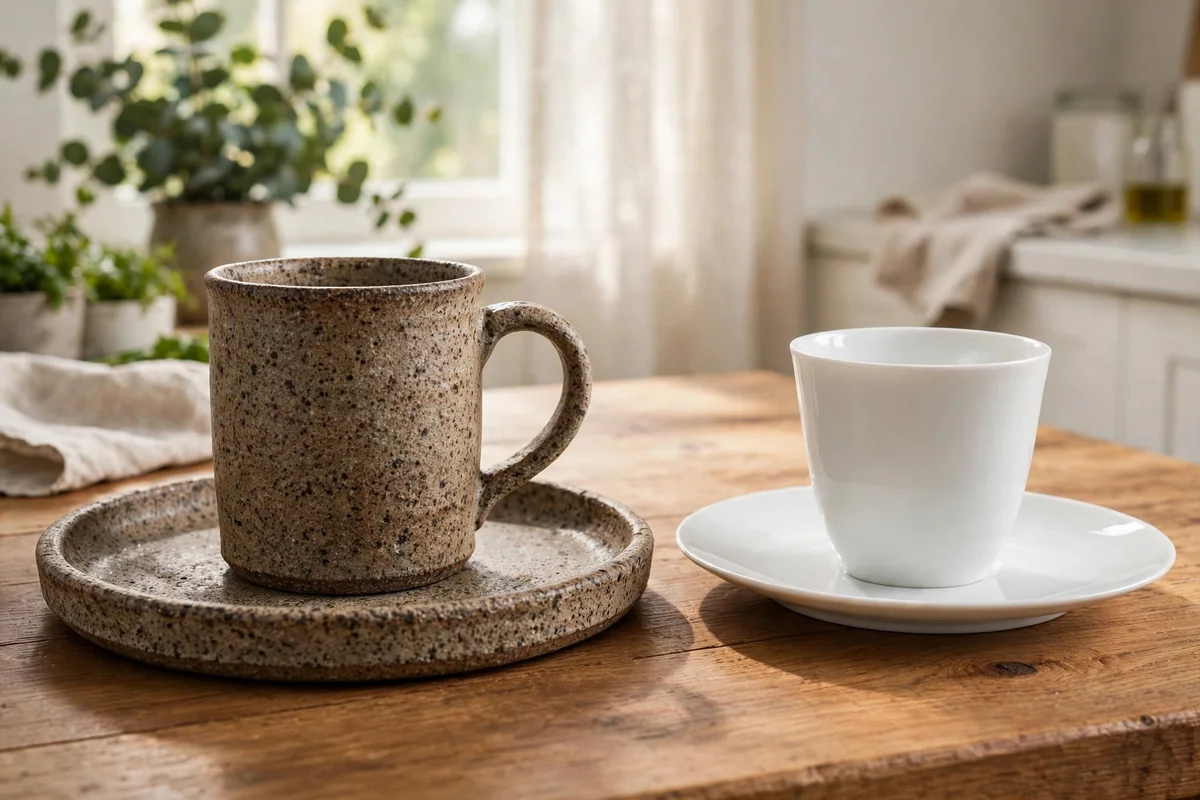
How to tell stoneware from porcelain at home: foot-ring, weight, light, and sound checks you can do safely without breaking a plate.

how to choose a knife set for beginners: start with three knives, test the grip in your hand, and skip the big block until you know what you cook.

Wood vs plastic cutting board for beginners: use one wood board for vegetables and bread, and one plastic board for raw meat, with simple care.

how to choose baking sheet material for beginners: compare aluminum, steel, and nonstick by gauge and color, and pick the sheet for your oven.
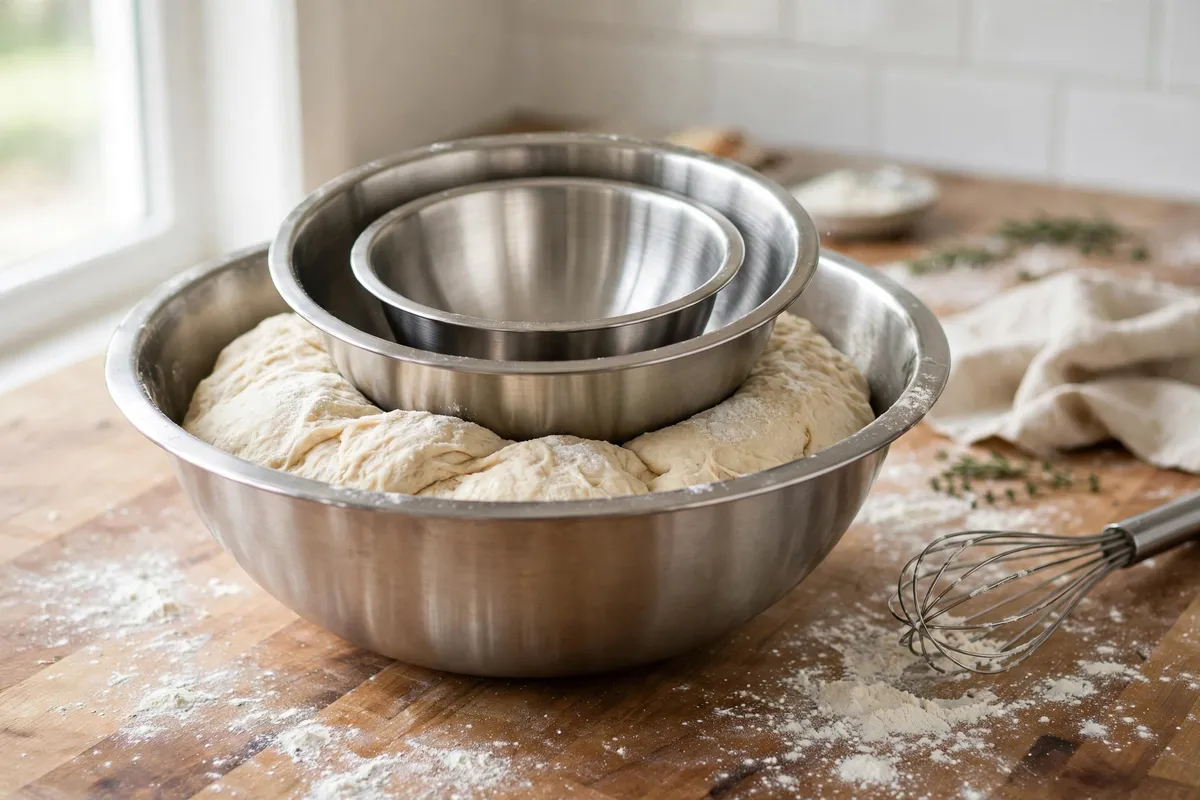
how to choose mixing bowl sizes for beginners: pick small, medium, and large bowls in quarts, with a worked pancake and salad example.
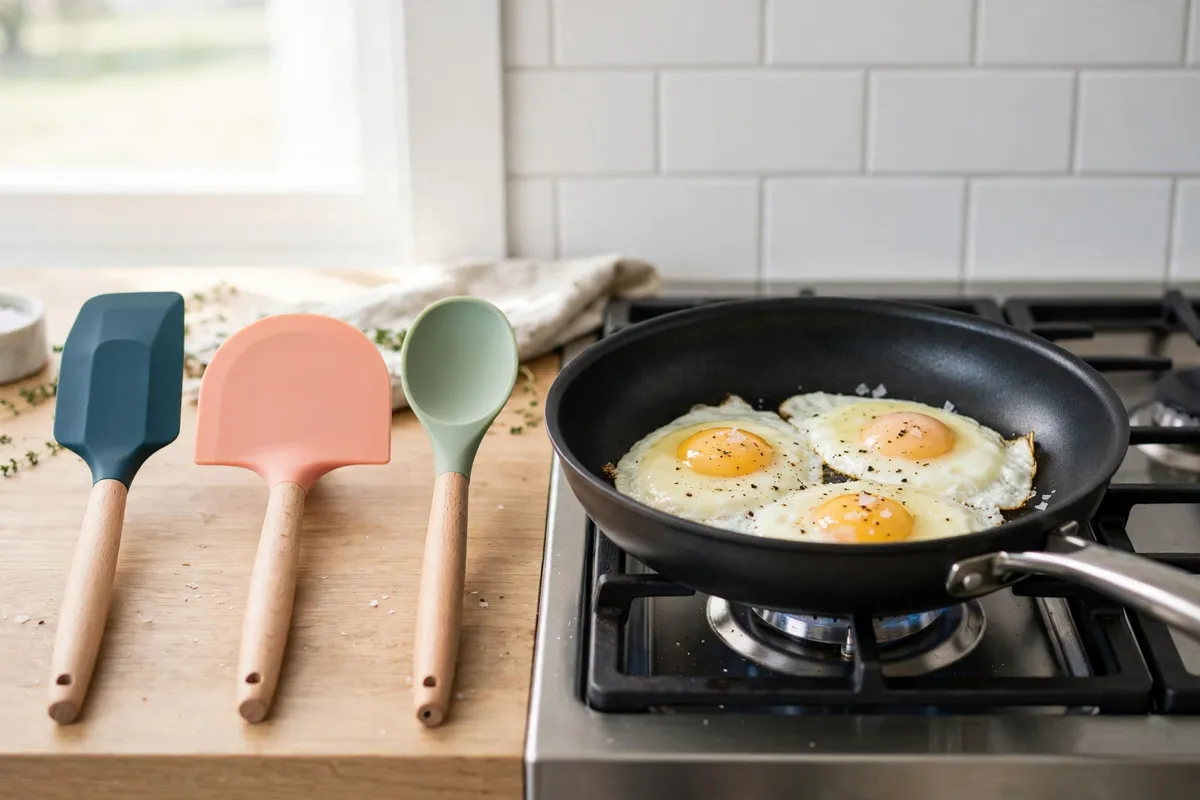
how to choose a heat-resistant spatula for beginners: compare turner, scraper, and spoonula, and check the heat rating before you buy.
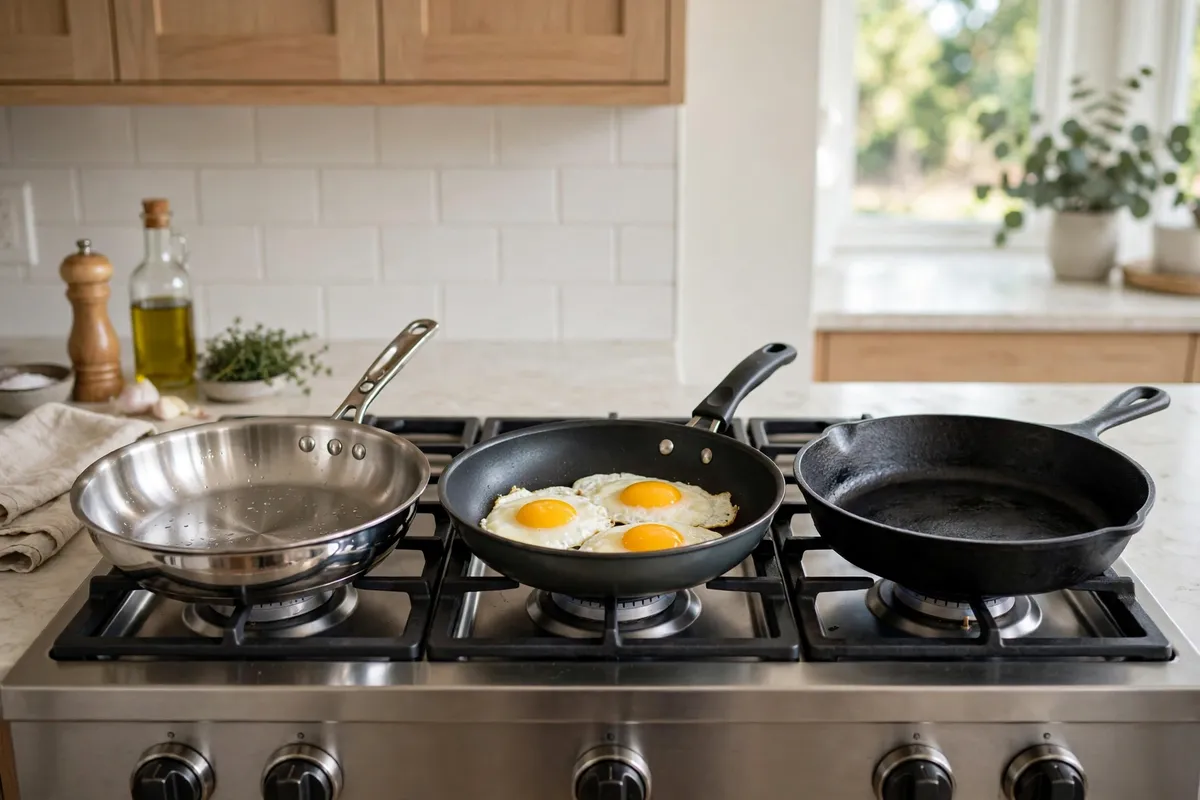
Stainless steel vs nonstick vs cast iron for beginners: match each material to eggs, searing, and everyday cooking, with care compared.

ceramic vs stainless steel baking dish for beginners: choose ceramic for slow, even heat and serving, steel for browning, weight, and easy lifting.
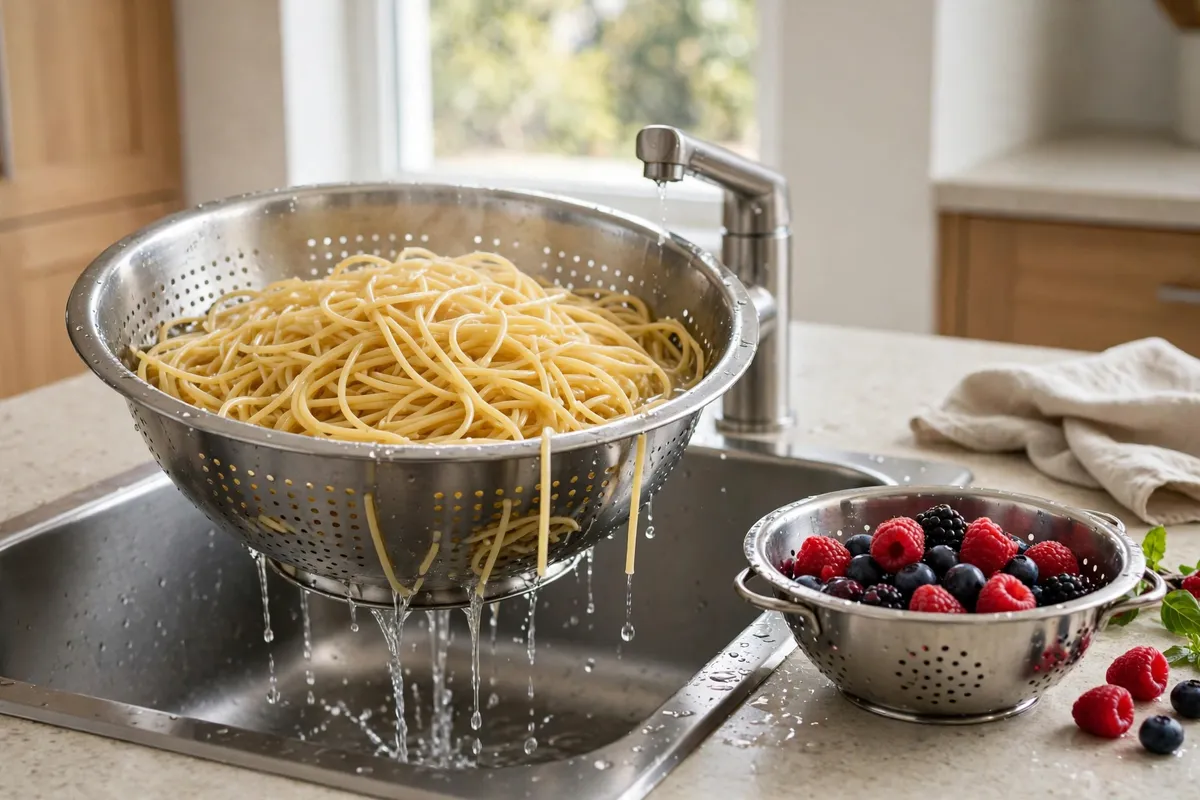
how to choose a colander size for beginners: match quarts and diameter to pasta, berries, and family meals, with feet and holes that drain fast.

how to choose a kitchen scale for beginners: use the tare-first method, a 5 kg and 1 g starter spec, and a display you can read at a glance.

how to choose pot size for cooking for two: use a 1.5 to 2 quart saucepan and a 3 to 4 quart pot, filled to two-thirds, for two-person dinners.

how to choose a wok for a home stove: start with your stove type, pick flat-bottom for electric and induction, and season carbon steel right.
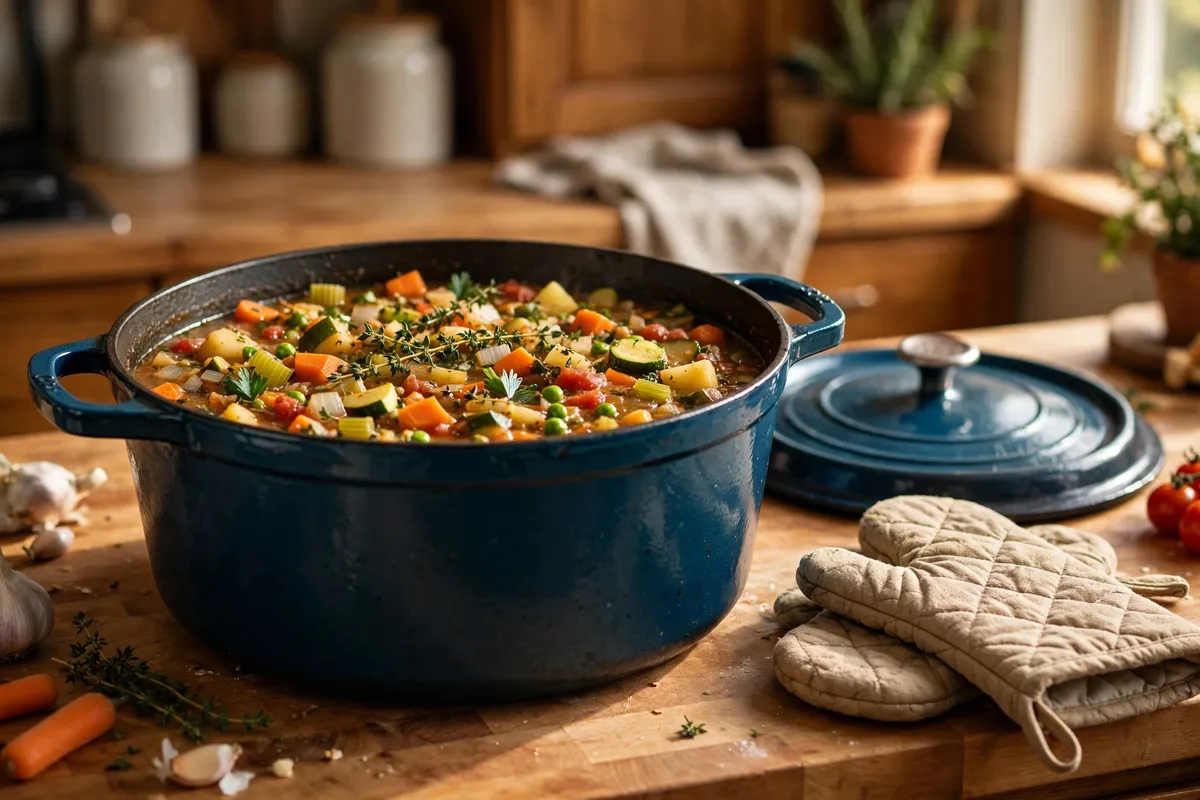
how to choose dutch oven size for beginners: use about 1 quart per person, test the weight when full, and pick round or oval with confidence.

how to choose muffin pan vs loaf pan size for beginners: convert one banana-bread batch between 12 muffins and a 9x5 loaf, with times.
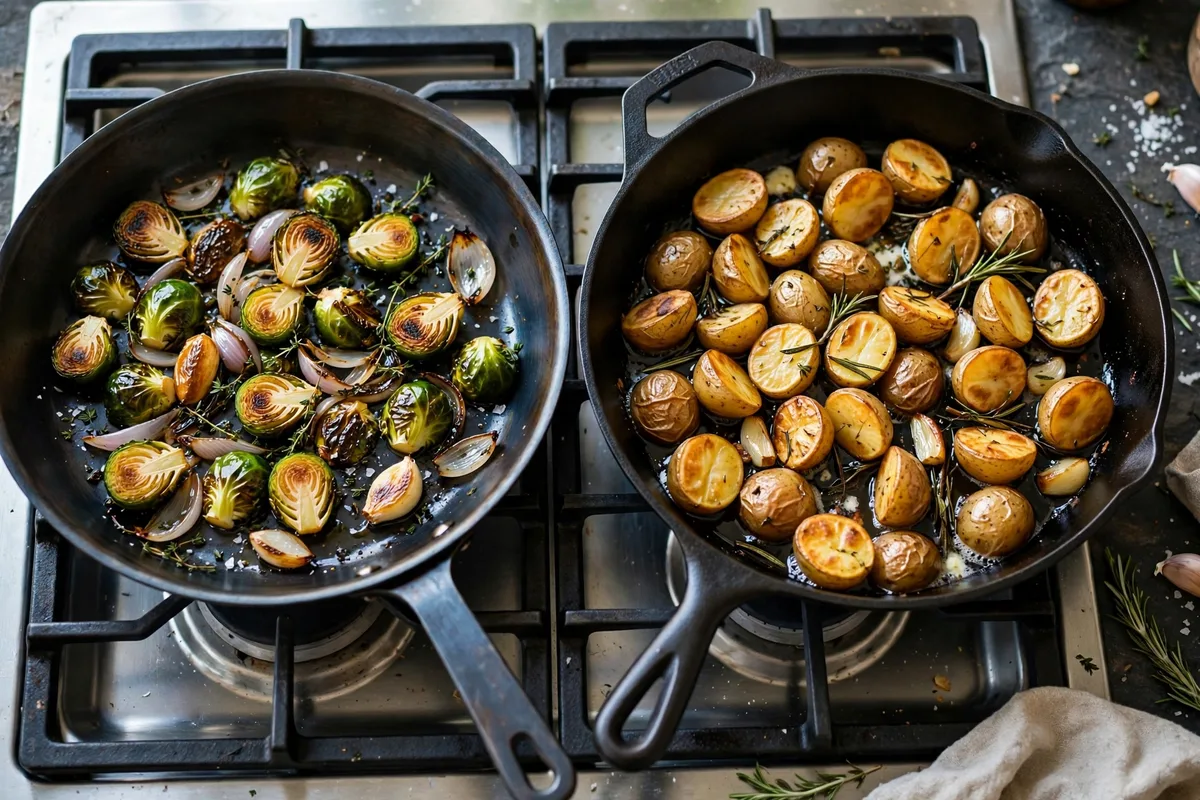
carbon steel vs cast iron pan for beginners: carbon steel is lighter and heats fast; cast iron holds heat longer and comes pre-seasoned — start with cast iron.
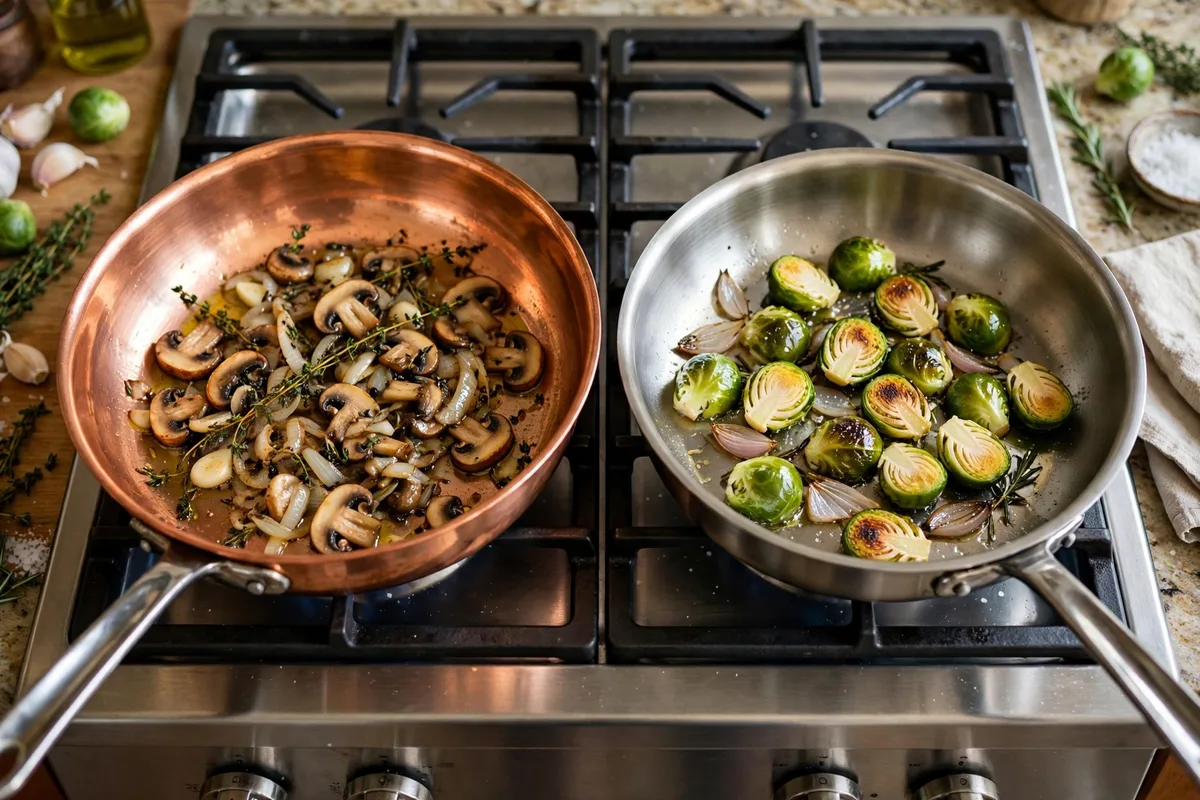
copper vs stainless steel cookware for beginners: copper heats and cools fast; stainless steel is tougher, cheaper, and induction-ready — start with stainless.

granite vs ceramic cookware for beginners: granite is a stone-look nonstick coating that lasts longer; ceramic is a PTFE-free coating that is slickest when new.

Hard anodized vs die-cast aluminum cookware: what each term means, how to spot real hard anodizing on a listing, and which one to buy first.

honing vs sharpening knife for beginners: honing straightens the edge, sharpening rebuilds it — learn which your knife needs and when to do each.
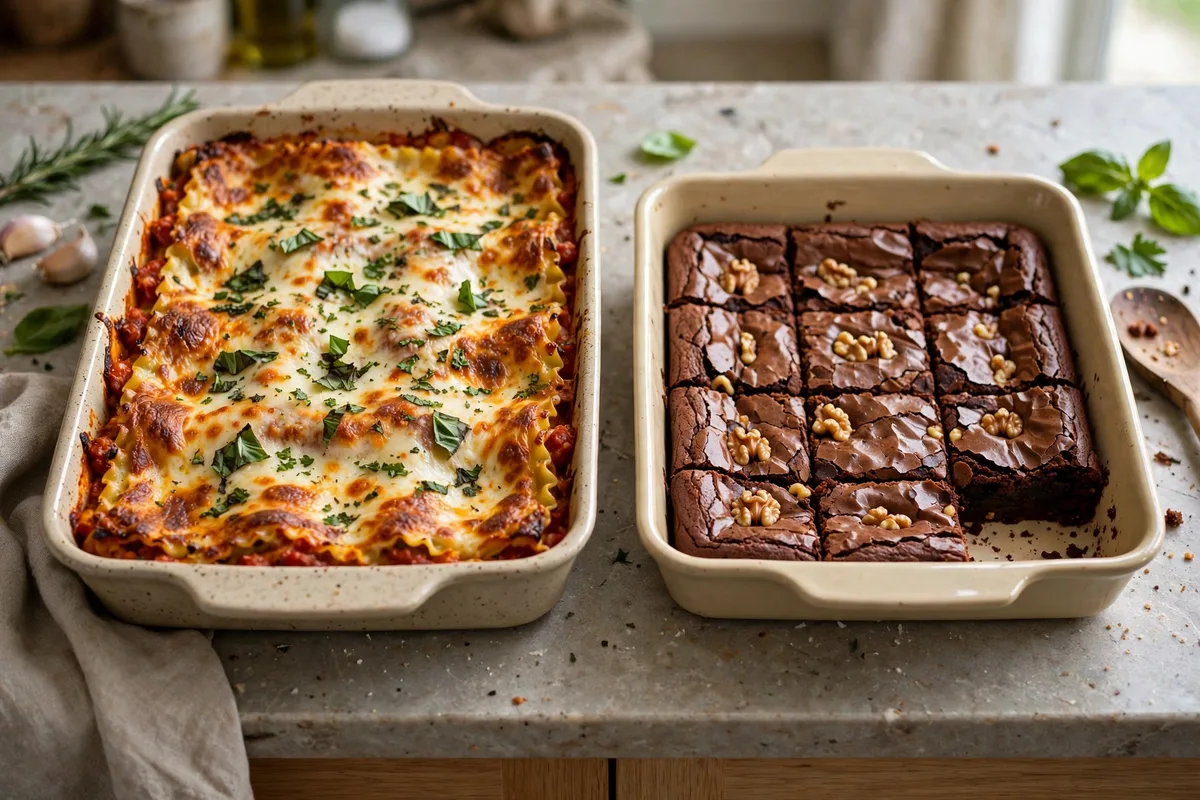
How to choose baking dish size for beginners: 9x13 is the family workhorse at 14 cups, 8x8 holds 8 cups for smaller bakes — match the dish to the recipe volume.

How to choose nonstick pan size for beginners: 8 inch for one person, 10 inch for one or two, 12 inch for a family — match the pan to burner and meals.

how to hold chef knife safely for beginners: the pinch grip and the claw keep your fingers safe and your cuts straight — learn both in 10 minutes.

how to sharpen kitchen knife at home with whetstone: soak the stone, hold a steady 15-degree angle, and raise a burr — a sharp edge in about 15 minutes.

how to stop stainless steel pan from warping: heat it slowly on medium, match the burner to the base, and never put a hot pan under cold water.

how to use glass top stove without scratching it: flat-bottomed pans, lift never slide, and a clean surface before every cook keep the glass mark-free.
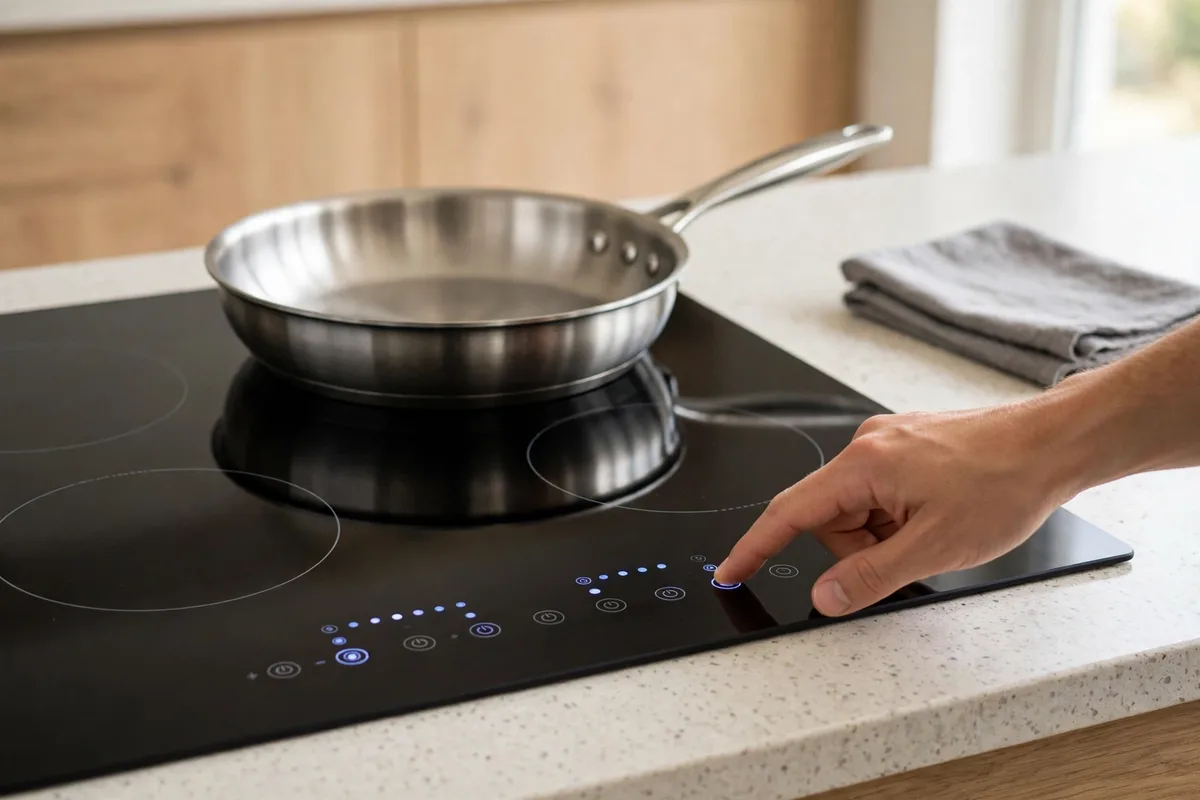
how to use induction cooktop for beginners: pick a magnetic pan, start low, and use the timer so food cooks evenly without scorching.
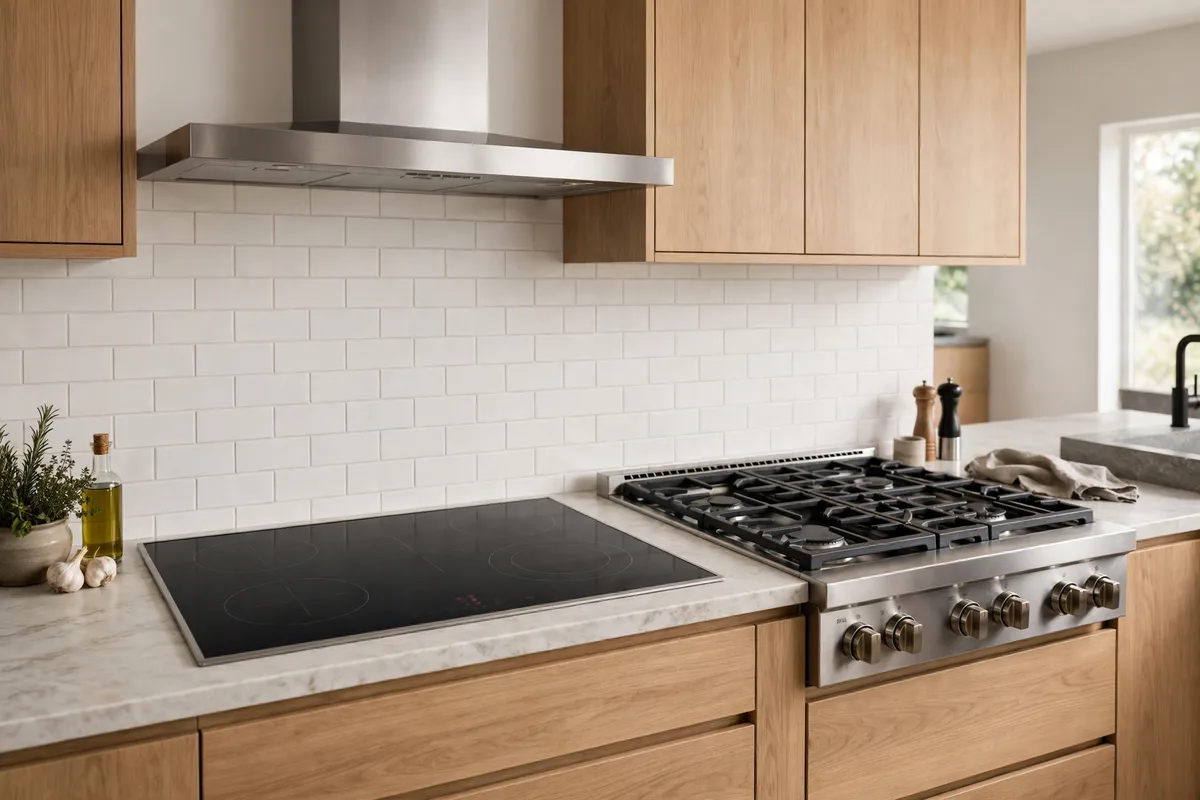
induction vs gas stove for beginners: induction is faster and easier to clean, gas works with every pan — pick the one that fits your kitchen and cooking.

saucepan vs stockpot for beginners: a saucepan is 1 to 4 quarts with one long handle; a stockpot is 6 to 20 quarts with two handles — buy the saucepan first.
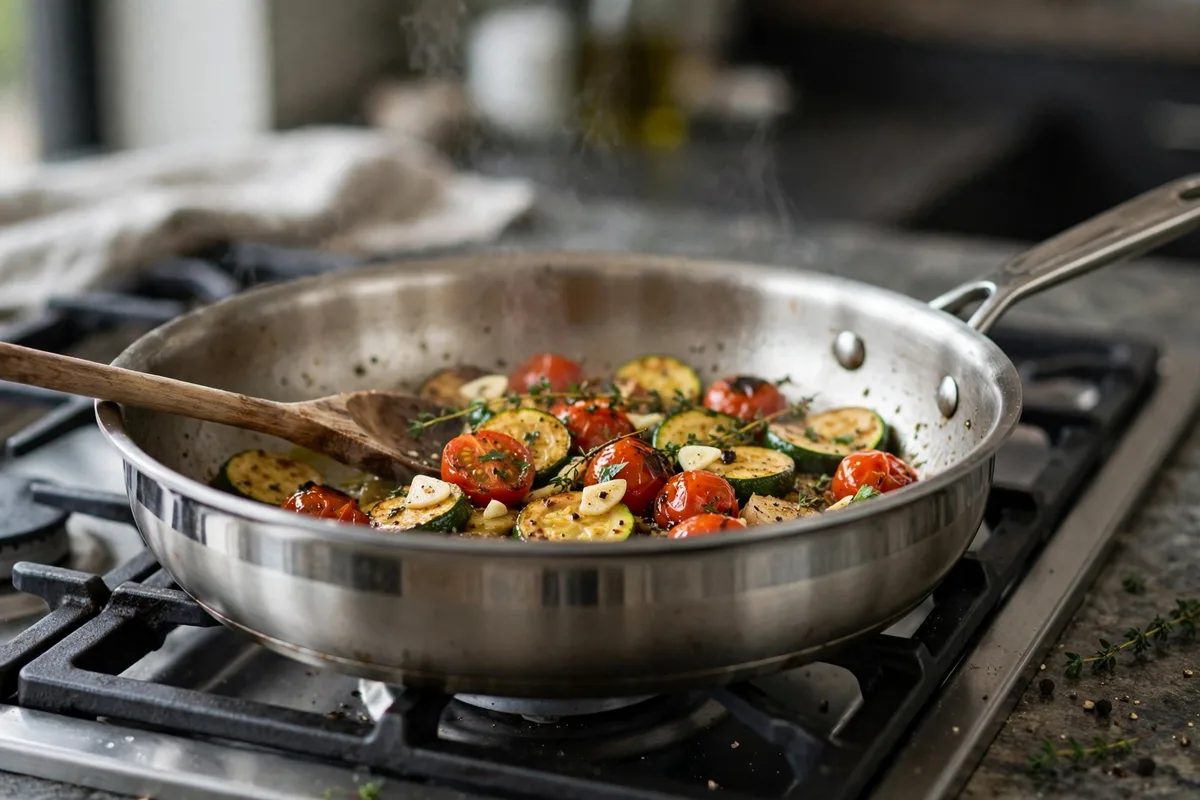
What is tri-ply stainless steel and is it worth it: three bonded layers — steel, aluminum, steel — for even heat. Worth it for daily cooks, not for everyone.
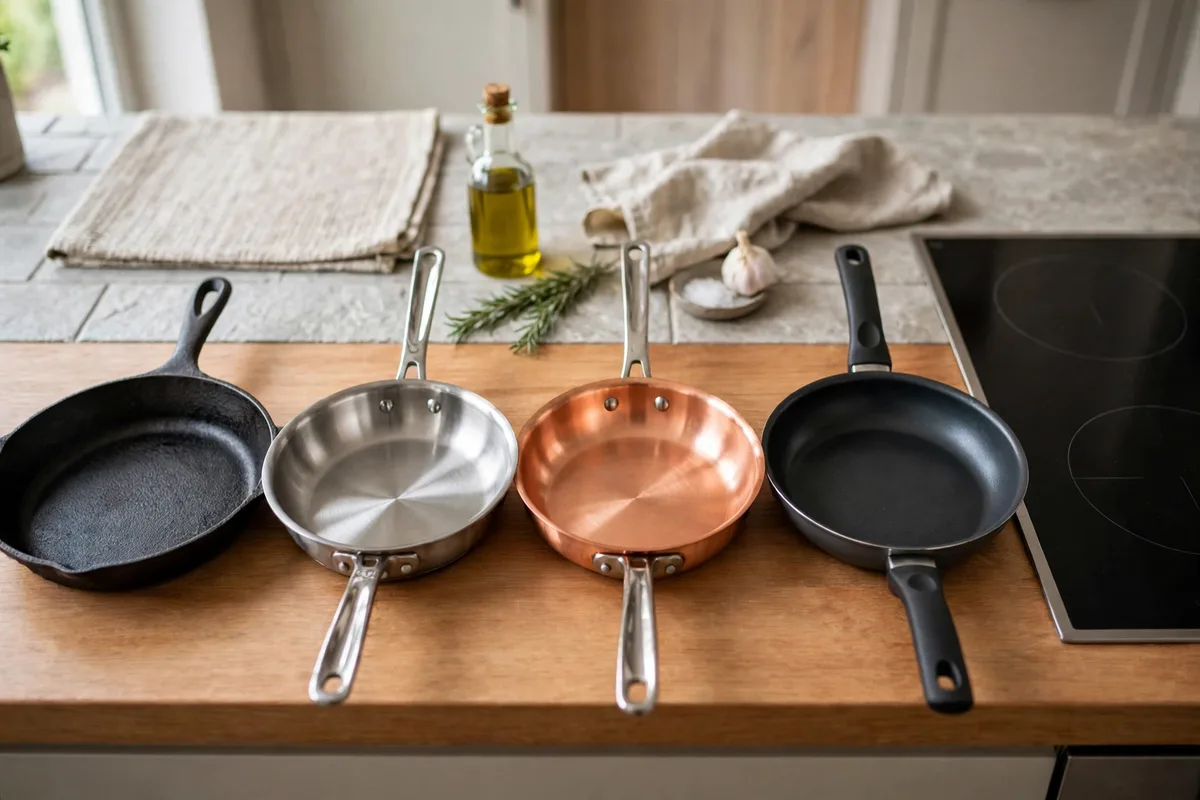
what pans work on induction cooktop: cast iron, carbon steel, and magnetic stainless steel work; aluminum, copper, and glass do not — test yours with a magnet.

what size frying pan do beginners need: an 8-inch pan for one person, a 10-inch pan for everyday cooking — the right size stops crowding and uneven heat.

how to choose an air fryer size for a family of 2 for beginners: pick the basket shape and quarts that cook one layer, not two.
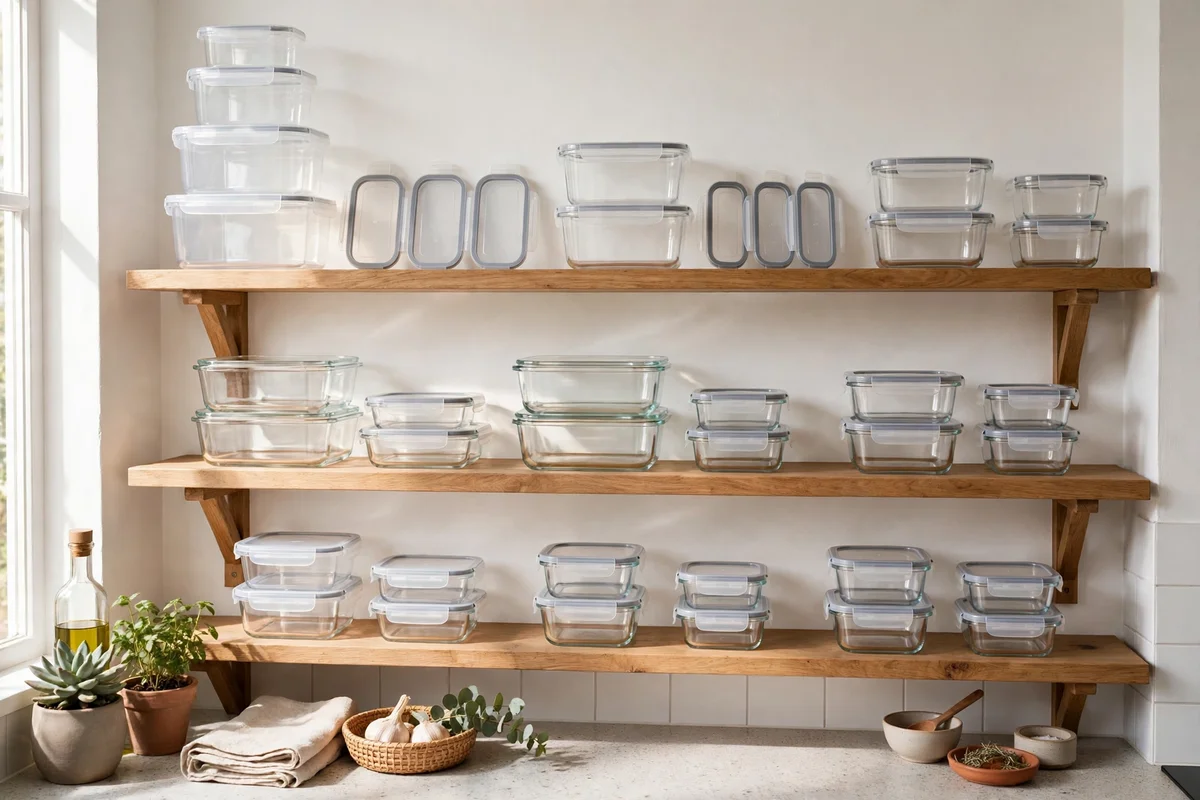
how to choose a food storage container size for your shelf: measure depth, height, and lid clearance first, then match the container to the shelf.
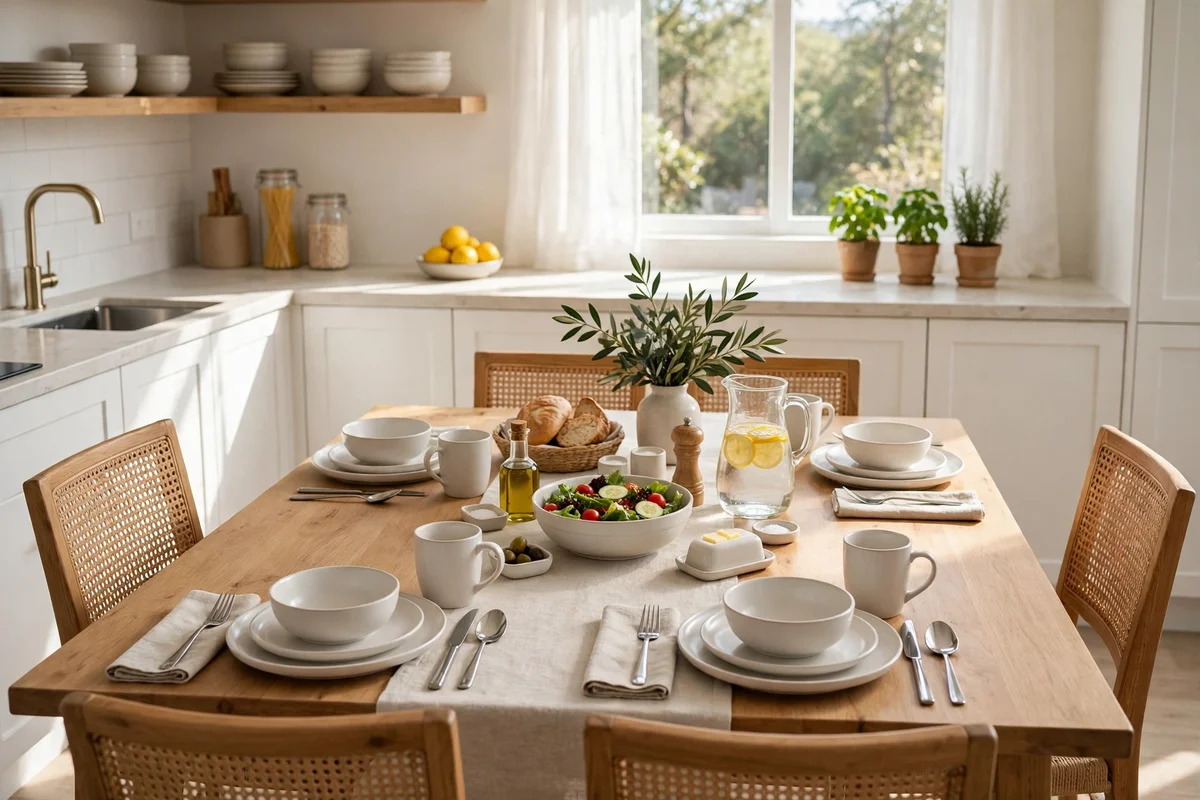
how to choose a dinnerware set size for a family of 4 for beginners: piece counts, plate sizes, and spares that keep the table full.
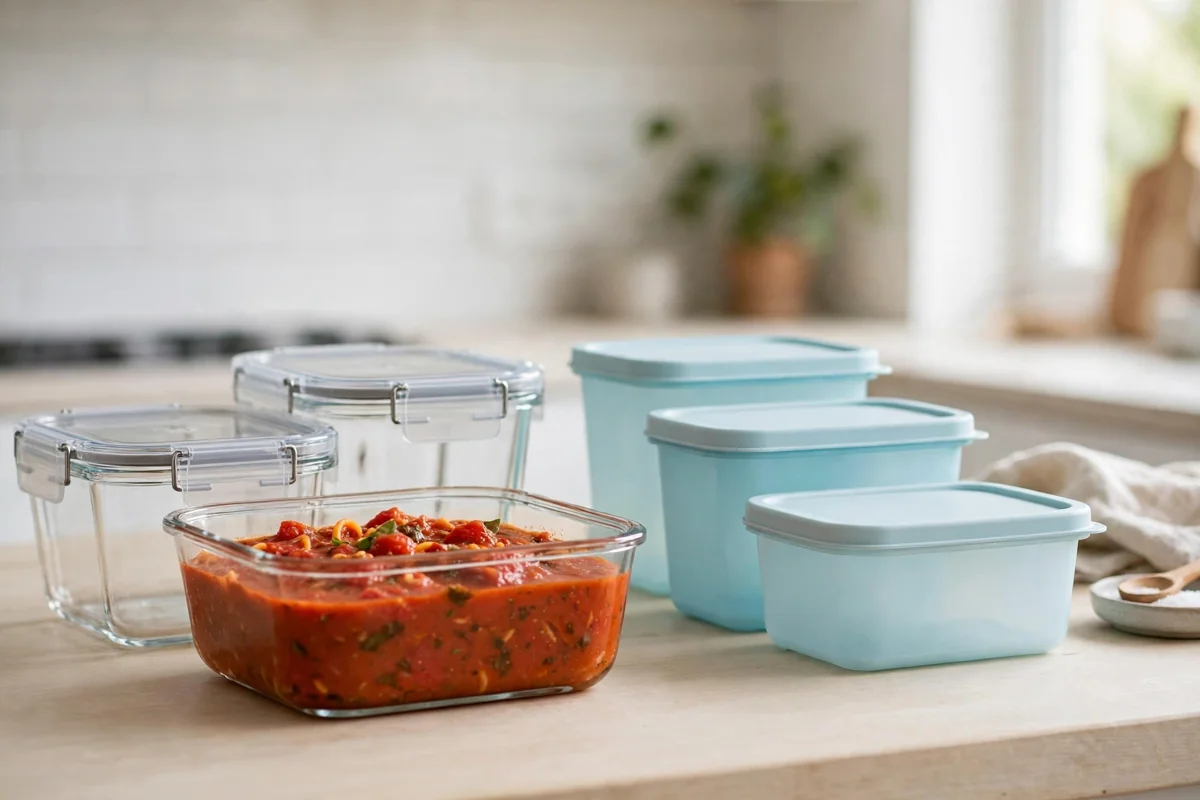
glass vs plastic food storage containers for beginners: compare weight, stains, heat, and lids, then pick the container for each job.
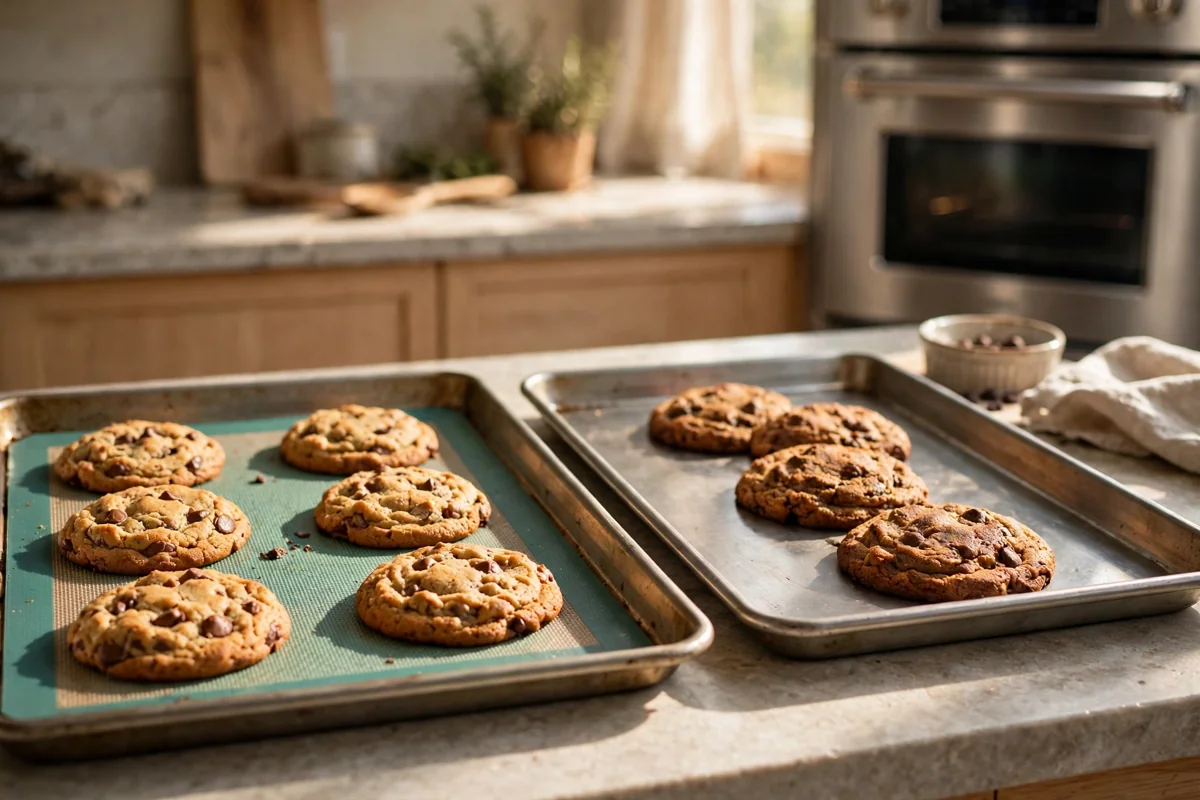
Silicone vs metal baking mats for beginners: how a silicone mat and a bare metal baking sheet change cookies and roasting, plus a side-by-side test.
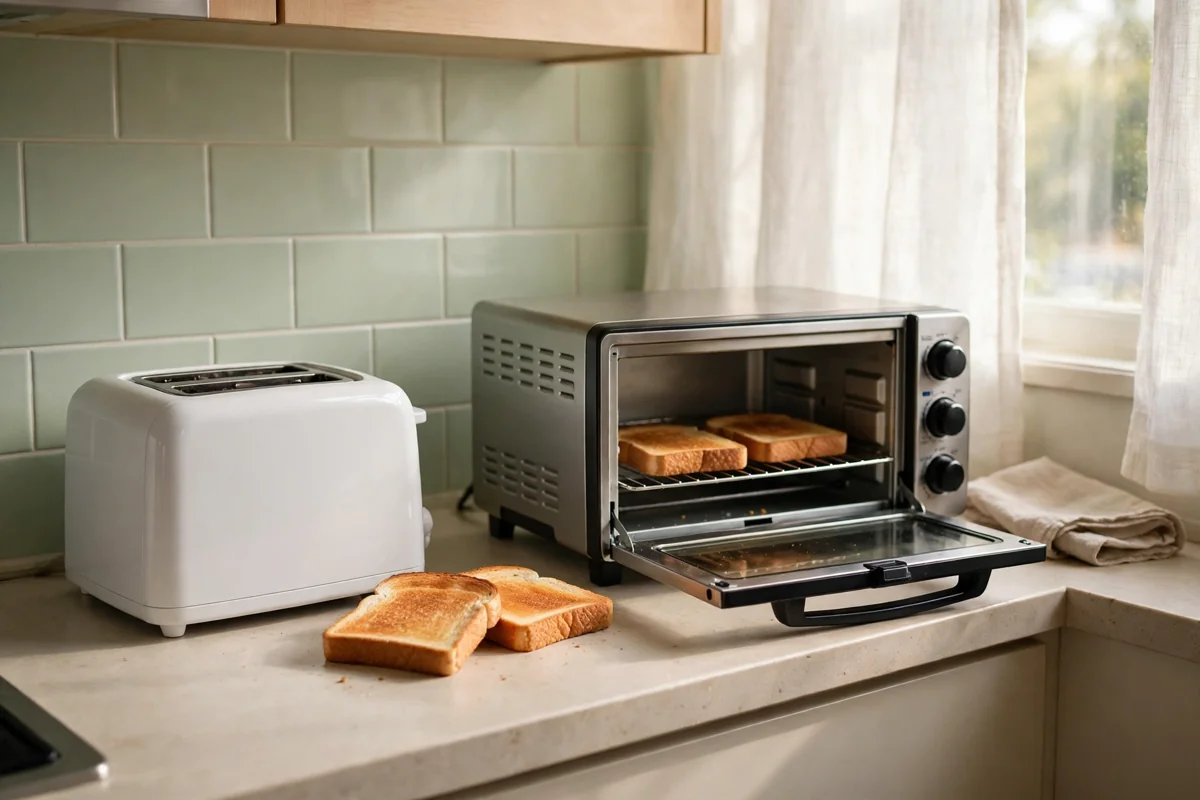
Toaster vs toaster oven for small kitchen beginners: counter space, toast time, and reheating compared, with a worked two-person morning example.
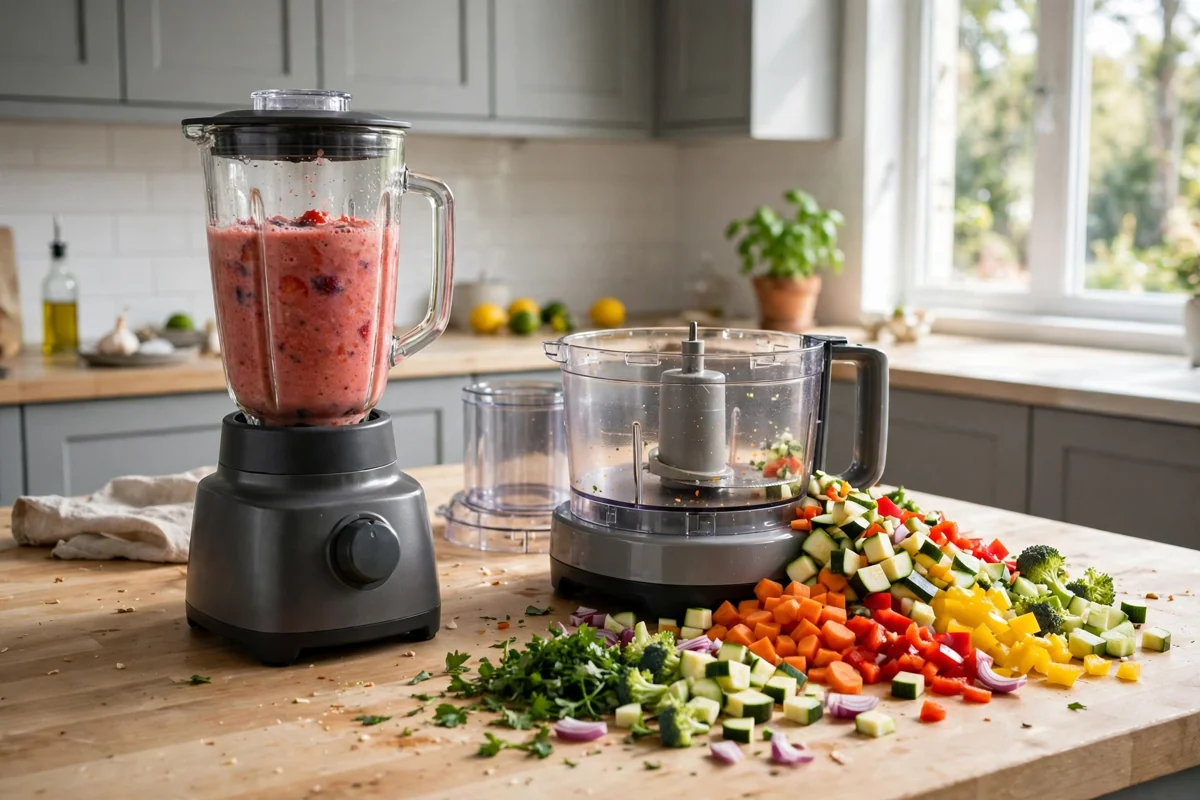
blender vs food processor for beginners: use the drink-or-fork rule to buy the right machine first, with a counted worked example.

burr vs blade coffee grinder for beginners: learn why even grounds matter, which grinder suits your brew, and how to clean each type.

electric vs stovetop kettle for beginners: compare speed, space, and safety, then pick the kettle that fits your kitchen and routine.

how to choose measuring cups and spoons for beginners: pick cups that pour cleanly, spoons that fit spice jars, and sets that stay accurate.

How to choose air fryer vs oven for small kitchen: which one fits 1 or 2 people, small batches, baking, and roasting, with a simple size and time test.

How to choose food processor size for beginners: which cup size fits chopping, dough, and family meals, and the size to buy first.
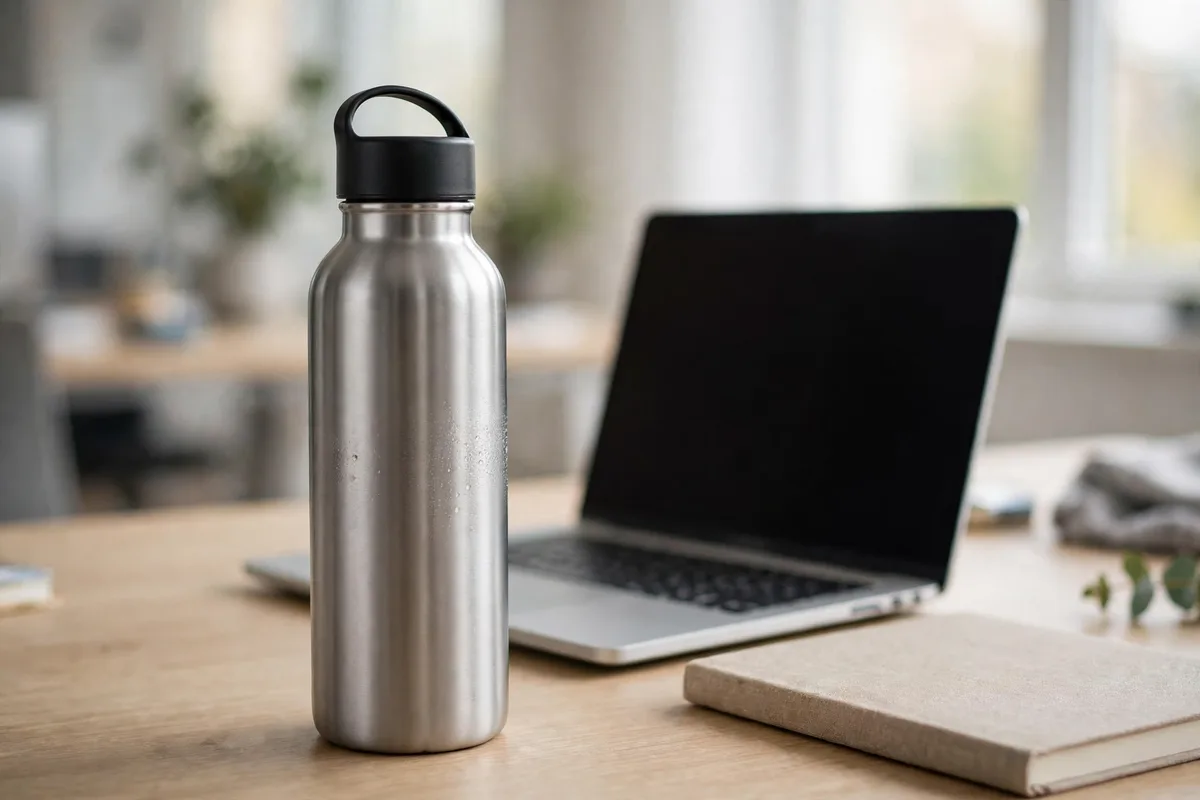
How to choose insulated water bottle for beginners: which size fits your day, which lid keeps water cold, and the bottle to buy first.

How to choose lunch box for work beginners: which size fits a sandwich lunch, which box keeps food fresh, and the box to buy first.

How to choose rice cooker size for beginners: which cup size fits 1, 2, or 4 people, what a rice cooker cup really holds, and the size to buy first.

How to choose slow cooker size for beginners: which quart size fits 1, 2, or 4 people, why the fill level matters, and the size to buy first.
These hubs sit close to this topic: