
Best Mandoline Slicer for Beginners
15 slicers compared for safety, thickness control and easy cleaning — the 5 best picks for first-time users.

Kitchen tools & gadgets you reach for daily: safer choices, better grips, and honest guidance on which gadgets are worth a drawer slot.
Example items: vegetable peelers, mandoline slicers, garlic presses, kitchen shears, cheese graters.
15 slicers compared for safety, thickness control and easy cleaning — the 5 best picks for first-time users.
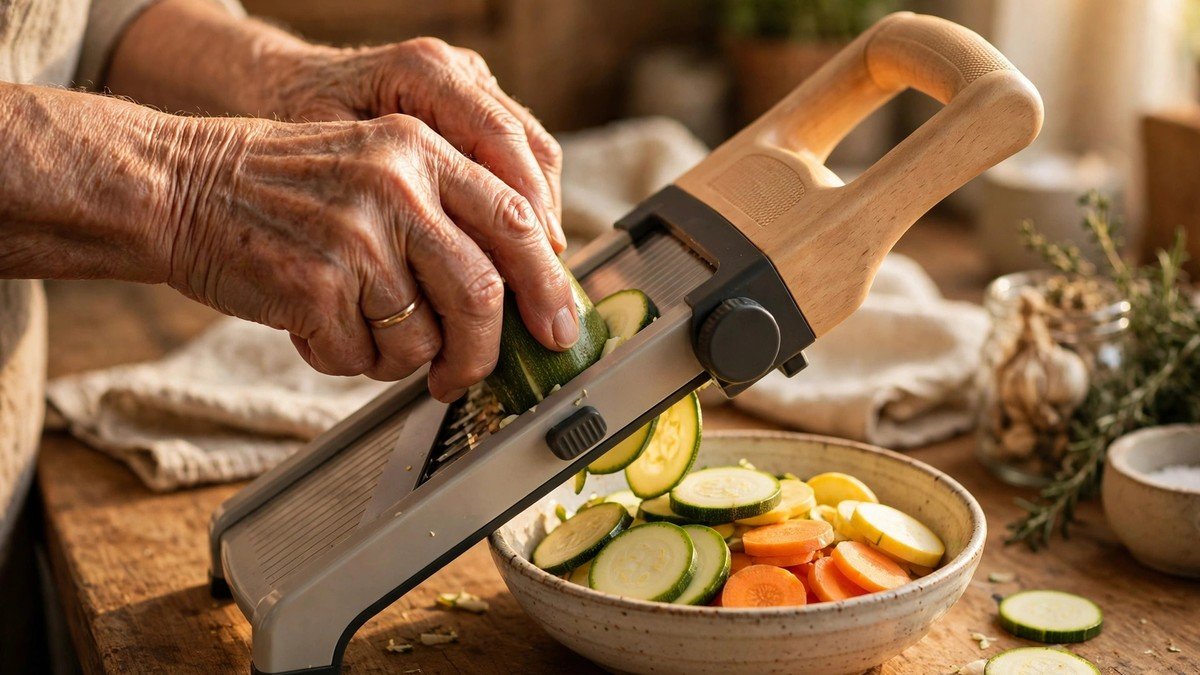
15 safe, easy-to-use slicers compared — hidden blades, push handles and guards that keep fingers away.
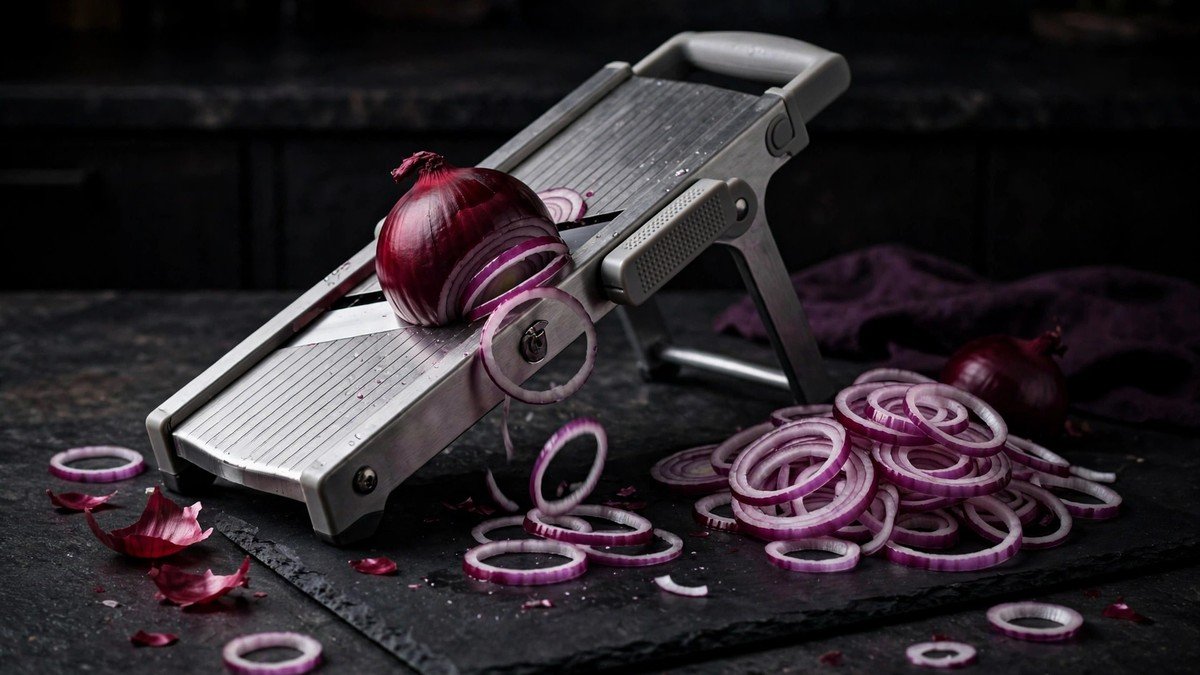
15 slicers compared for thin, even onion slices without tears — the 5 best picks for everyday cooking.

15 compact slicers compared for small kitchens — thickness settings, guards and julienne blades.

15 slicers compared for finger protection — hidden blades, guards and push handles.
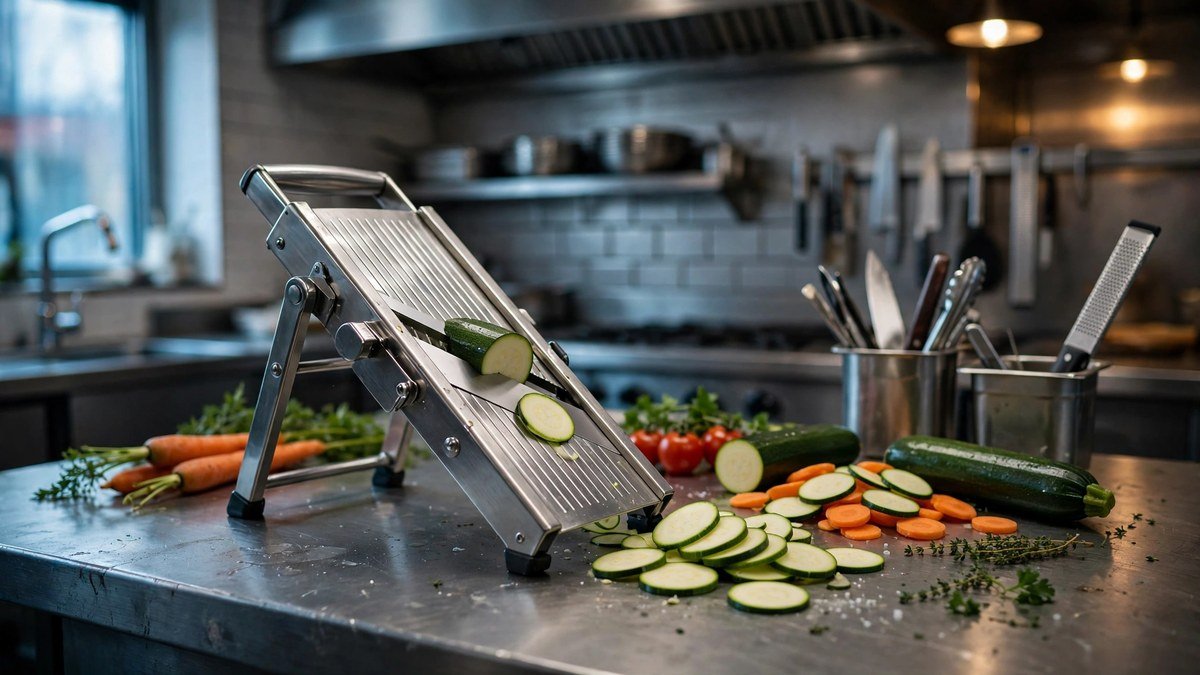
15 steel slicers compared for rust resistance, sharpness and durability.

15 slicers compared for even matchstick strips — julienne blades and thickness settings.

15 slicers compared for thin, even tomato slices without squashing.

15 slicers compared for thin, even potato chips — thickness settings and blades.
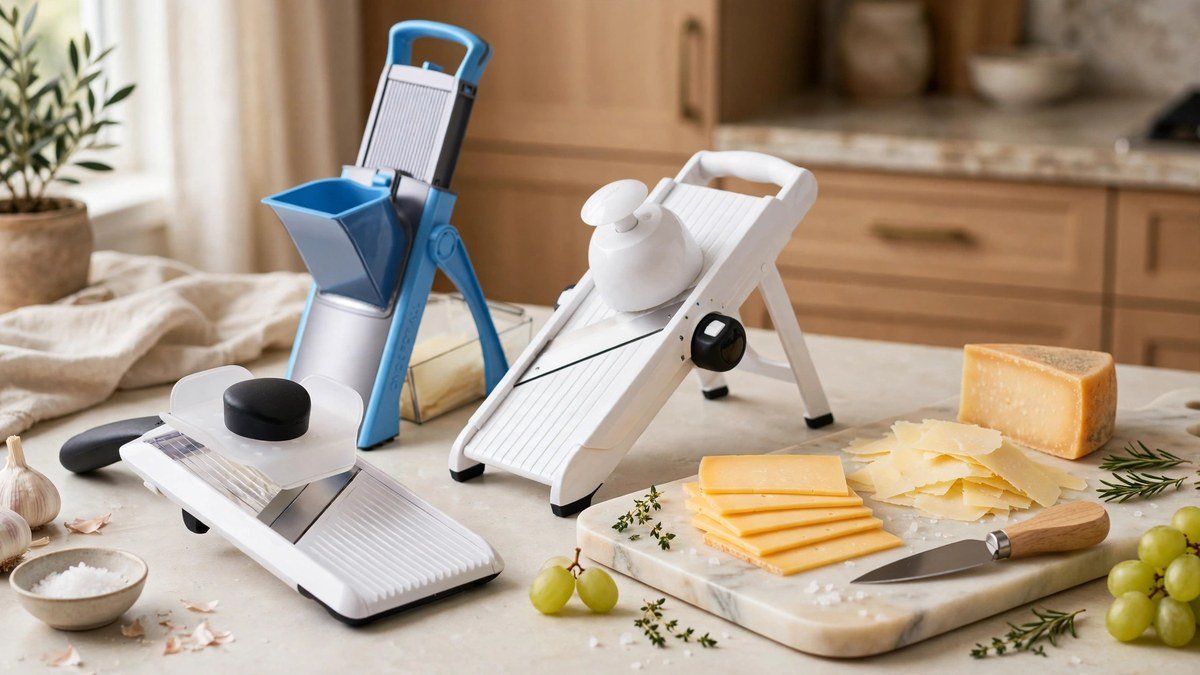
15 slicers compared for hard-cheese slices — what works for firm cheese.

15 slicers compared for even potato slices, fries and chips.

15 slicers compared for even fry cuts — julienne blades and thickness settings.
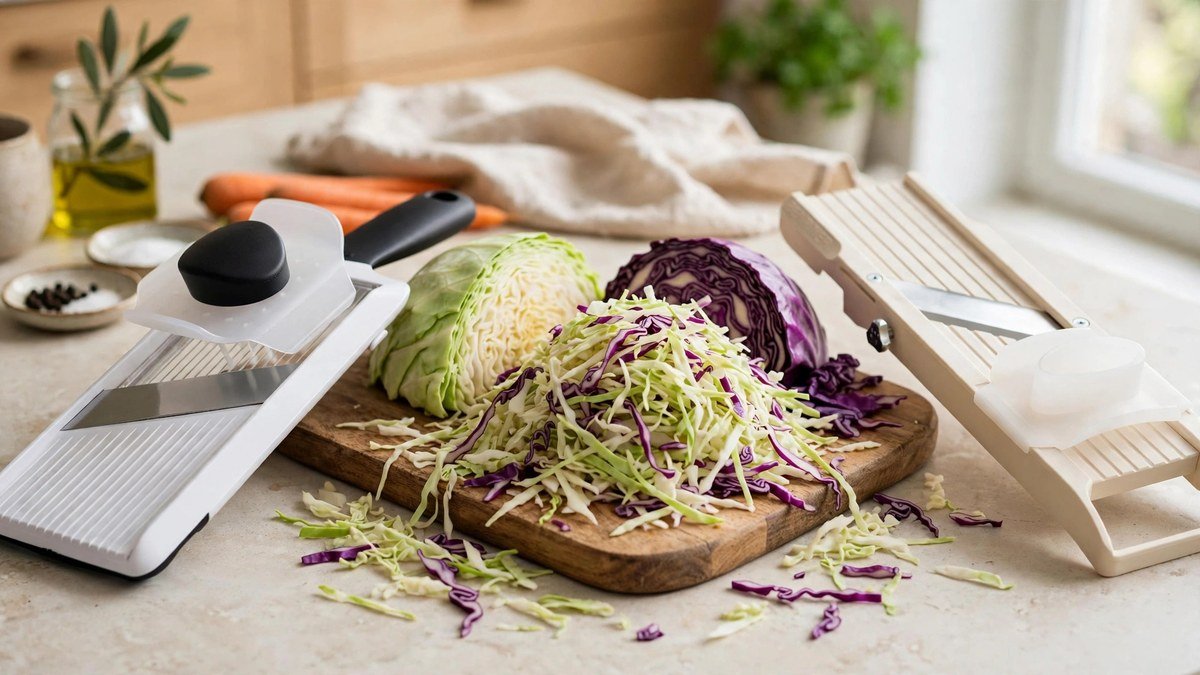
15 slicers compared for thin, even shreds — wide surfaces and julienne blades.
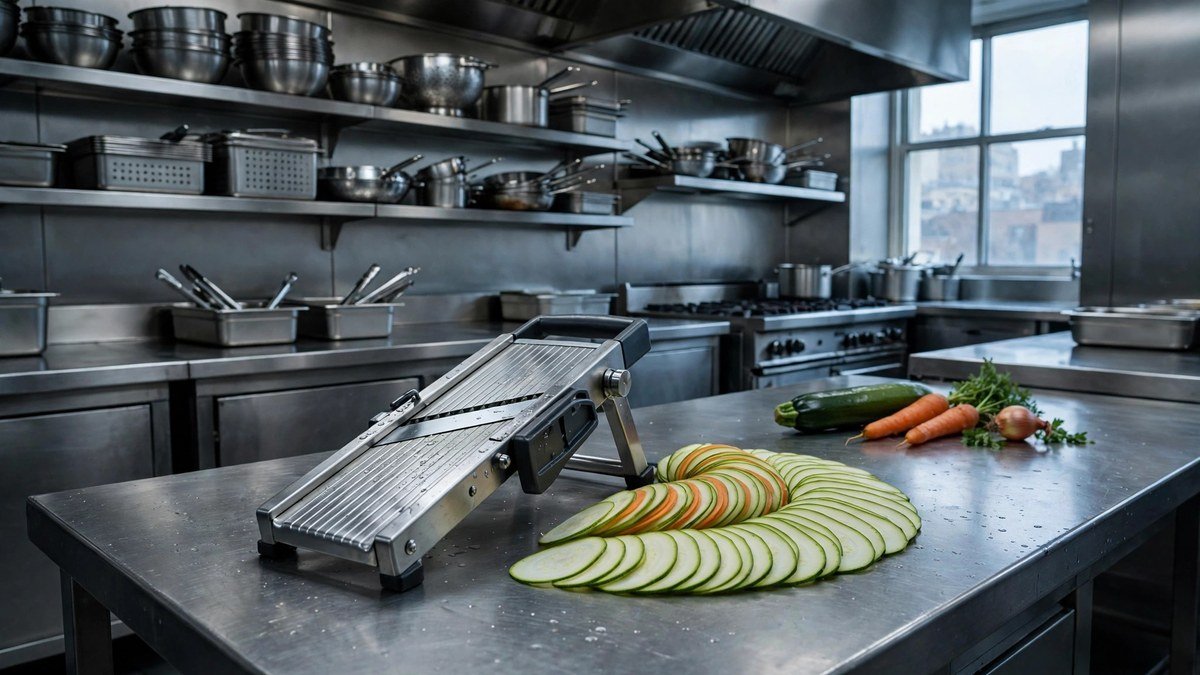
15 slicers compared for restaurant-grade build — French steel, wide Japanese blades.

15 slicers compared for V-shaped blades — what a V-blade does better.
15 slicers compared for thin, even carrot slices and shreds.
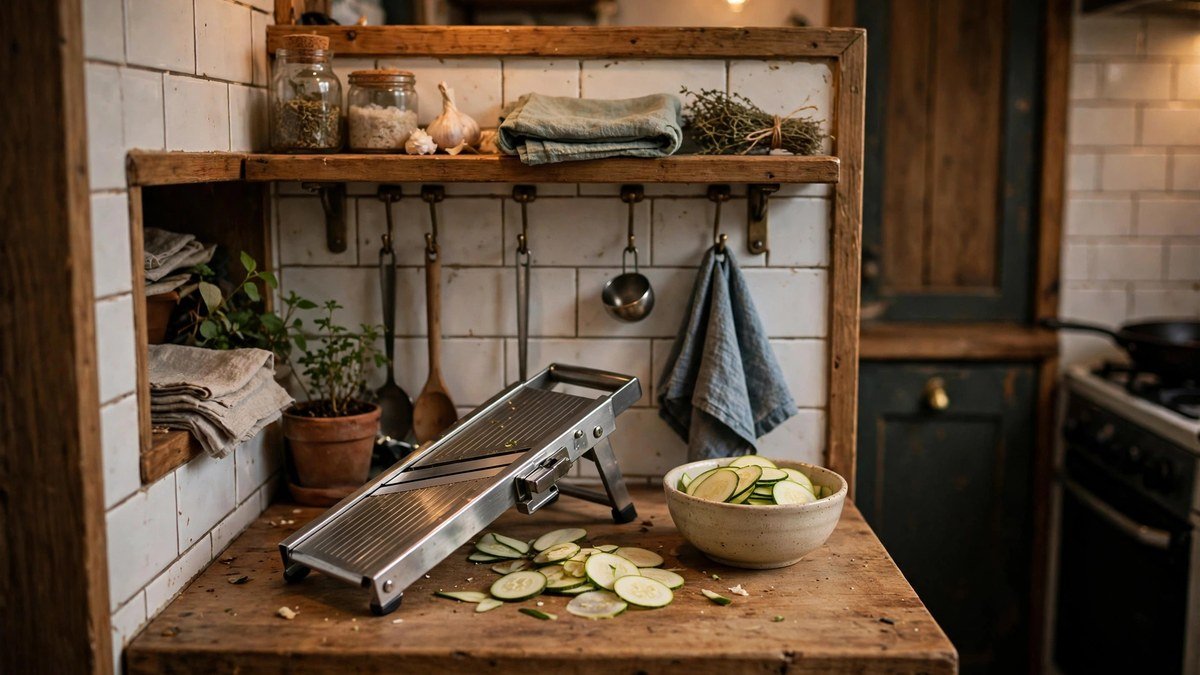
15 compact slicers compared — foldable, handheld and small-footprint picks.

15 top-rated slicers compared for safety, thickness control and value.

15 slicers compared for safety and thickness control — the 5 best picks under $50.

13 slicers compared for safety and thickness control — the 5 best picks under $30.

15 slicers compared, from budget picks to pro-grade steel — the 5 best picks under $100.

5 scales compared on simplicity, capacity and precision — the Etekcity 11lb leads for first-time buyers.
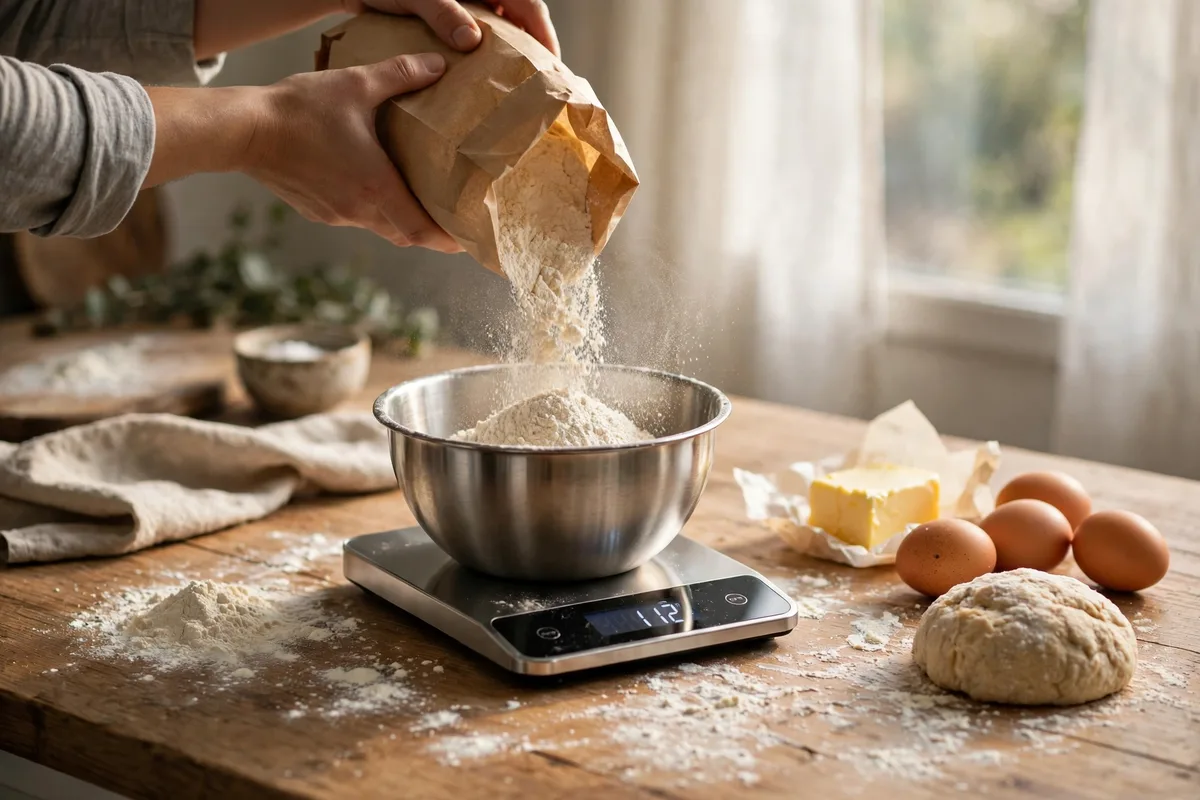
5 scales compared for 0.1 g precision — the Etekcity bowl scale leads for bakers.

5 scales compared for big-batch weighing — the Nicewell 22lb leads for meal prep.
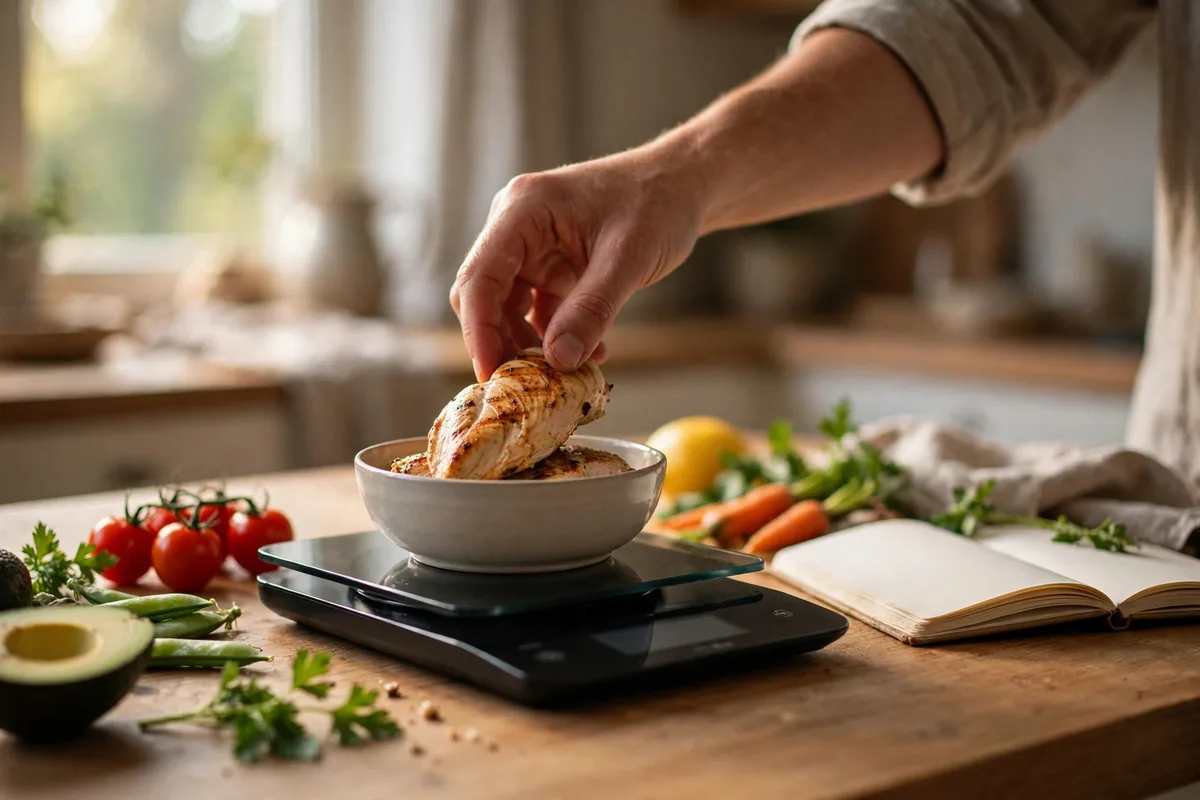
5 scales compared for tracking every gram — the Escali Primo leads for calorie counting.

5 scales compared under $10 — the Ultrean leads for budget buyers.
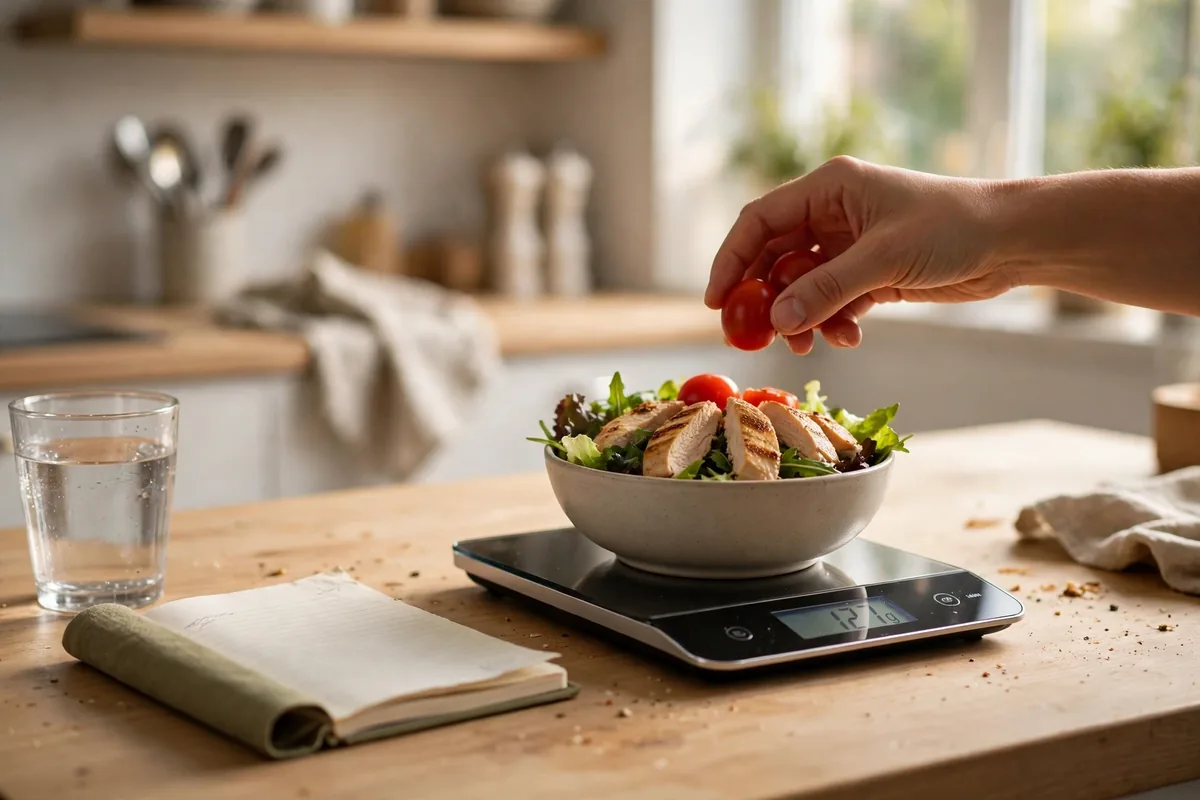
5 scales compared for daily tracking — the Escali Primo leads for weight loss.
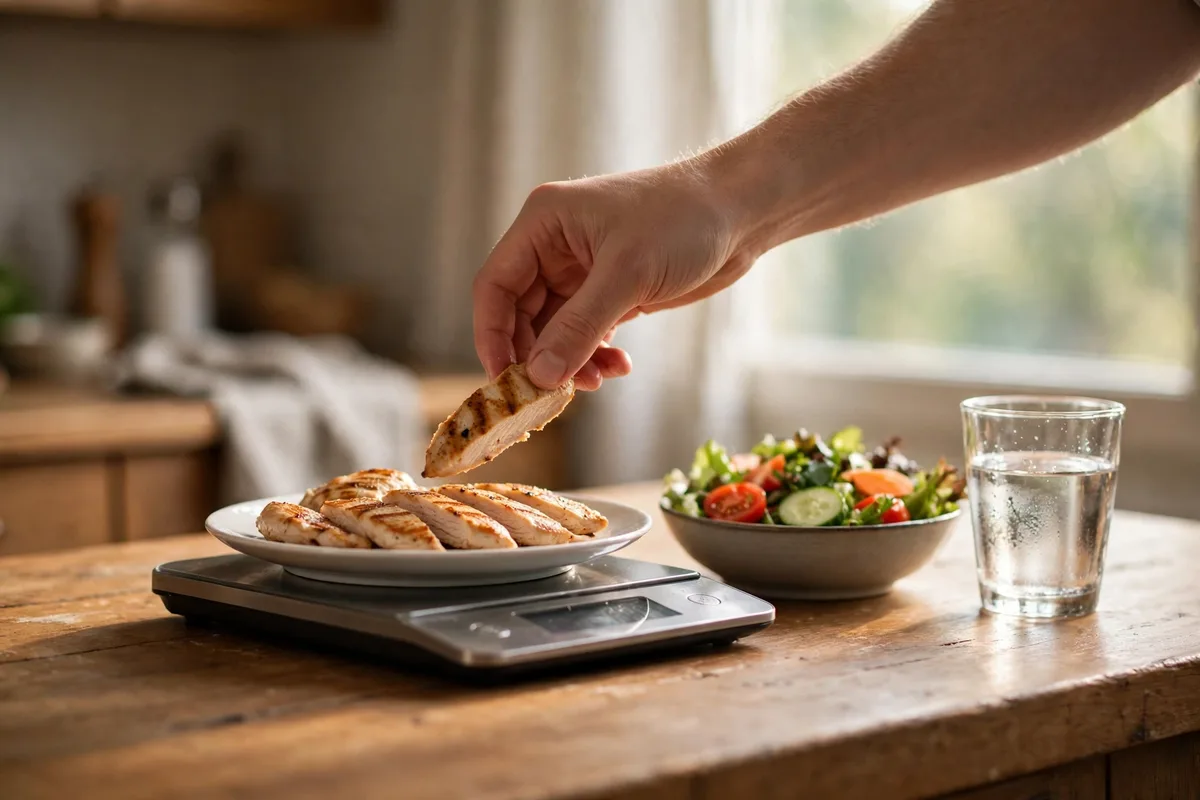
5 scales compared for serving-size accuracy — the Escali Primo leads for portion control.

5 scales compared under $20 — the Etekcity 11lb leads for value.
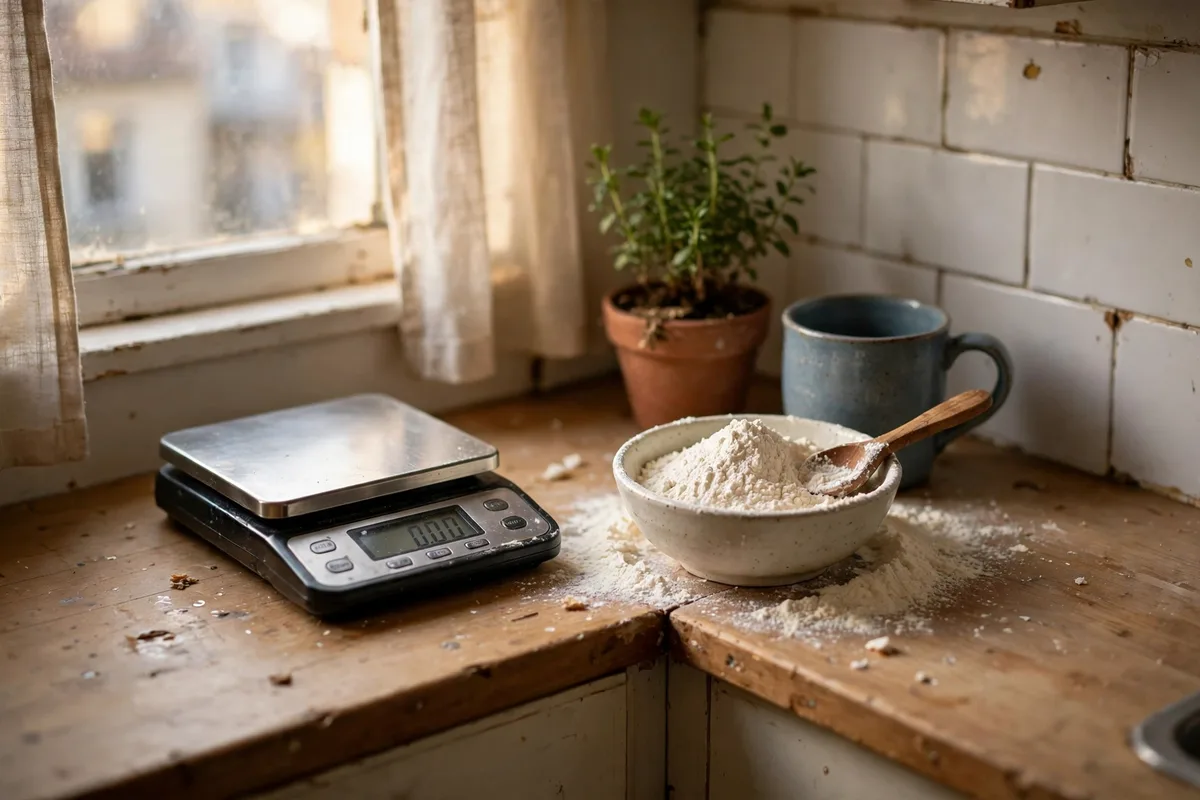
5 compact scales compared for tight counters — the Amazon Basics leads for small kitchens.

5 scales compared for 0.1 g pour-over precision — the Maestri House S2 leads for coffee.
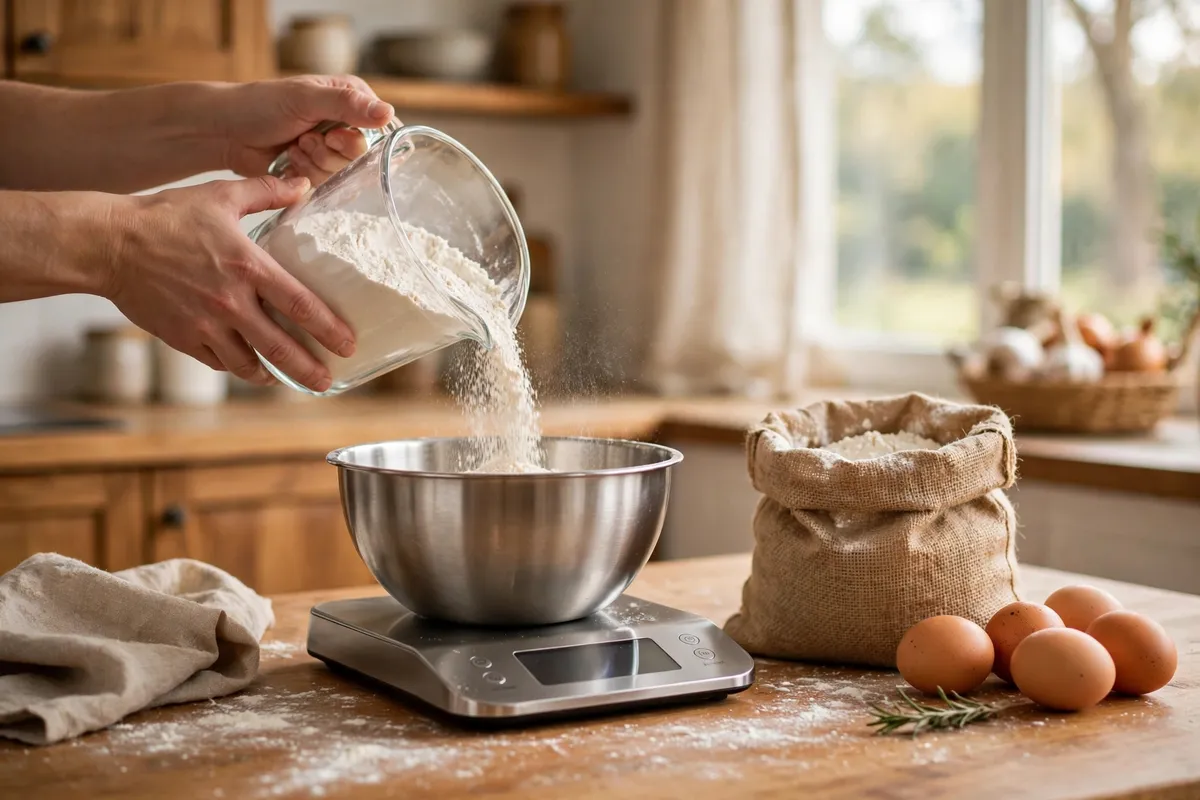
5 bowl scales compared on bowl size, precision and capacity — the Etekcity Bowl scale leads with 0.1 g.

5 rechargeable scales compared on charging, battery life and capacity — the Etekcity 22lb leads with USB-C.

5 smart scales compared on apps, nutrition databases and precision — the Etekcity smart scale leads with the VeSync app.
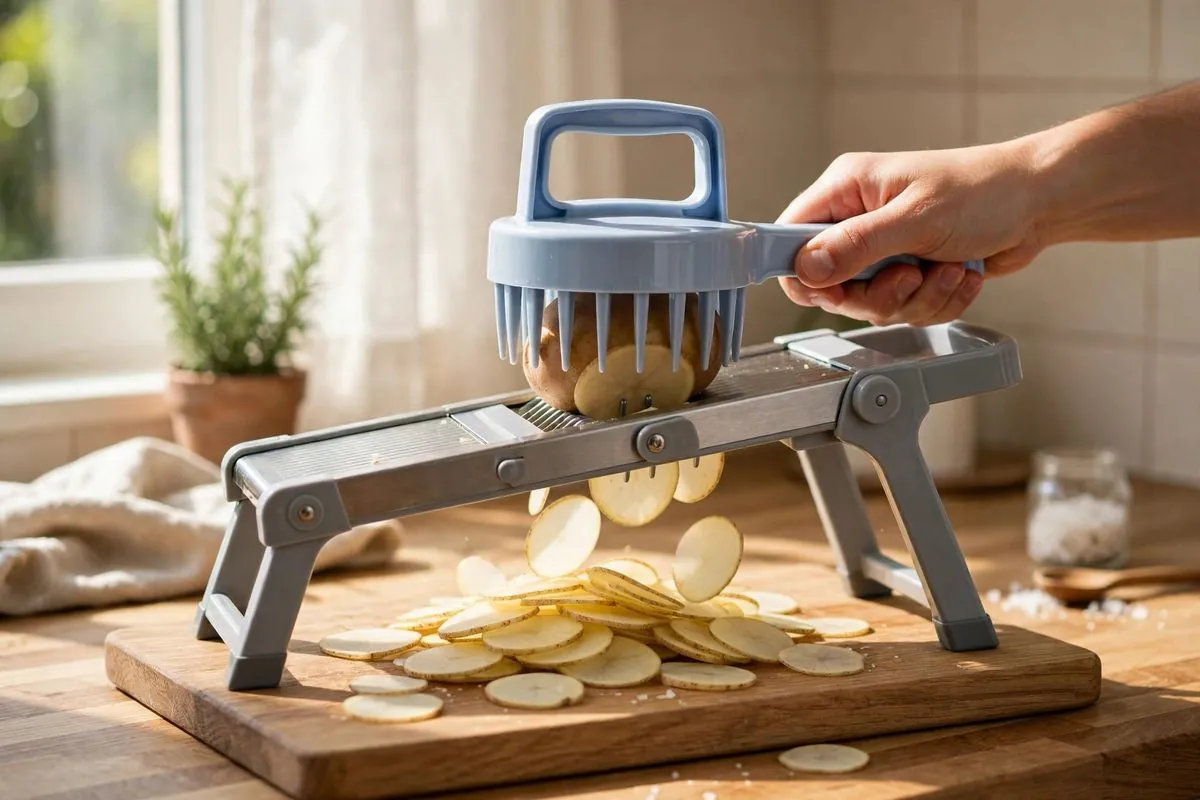
How to choose a mandoline slicer for beginners: safety design first, then thickness control, blades, and storage.

How to clean a garlic press properly: immediate rinse vs dried-on pulp, brush and hinge cleaning, smell removal.

How to use an avocado slicer tool for beginners: choosing a ripe avocado, halving, pitting safely, and slicing without waste or mess.
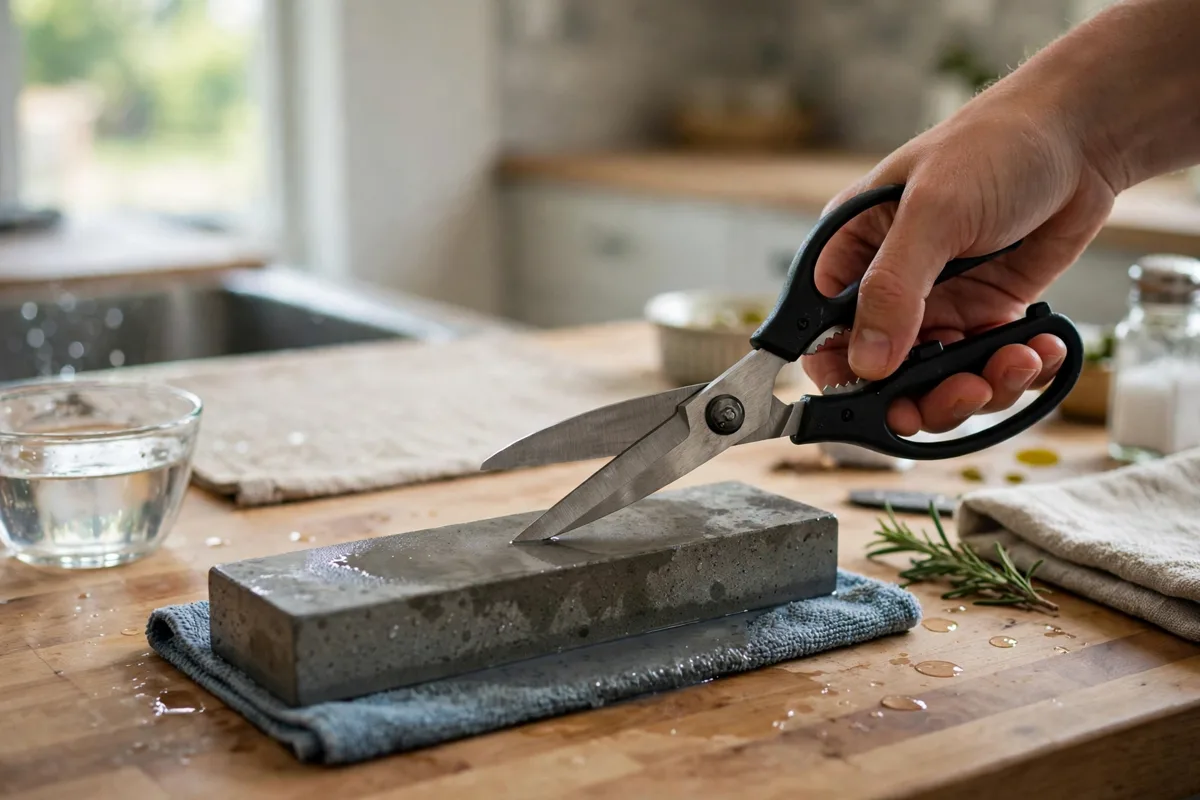
How to sharpen kitchen shears at home: safe steps for honing shears, testing the cut, cleaning, and knowing when sharpening is not enough.
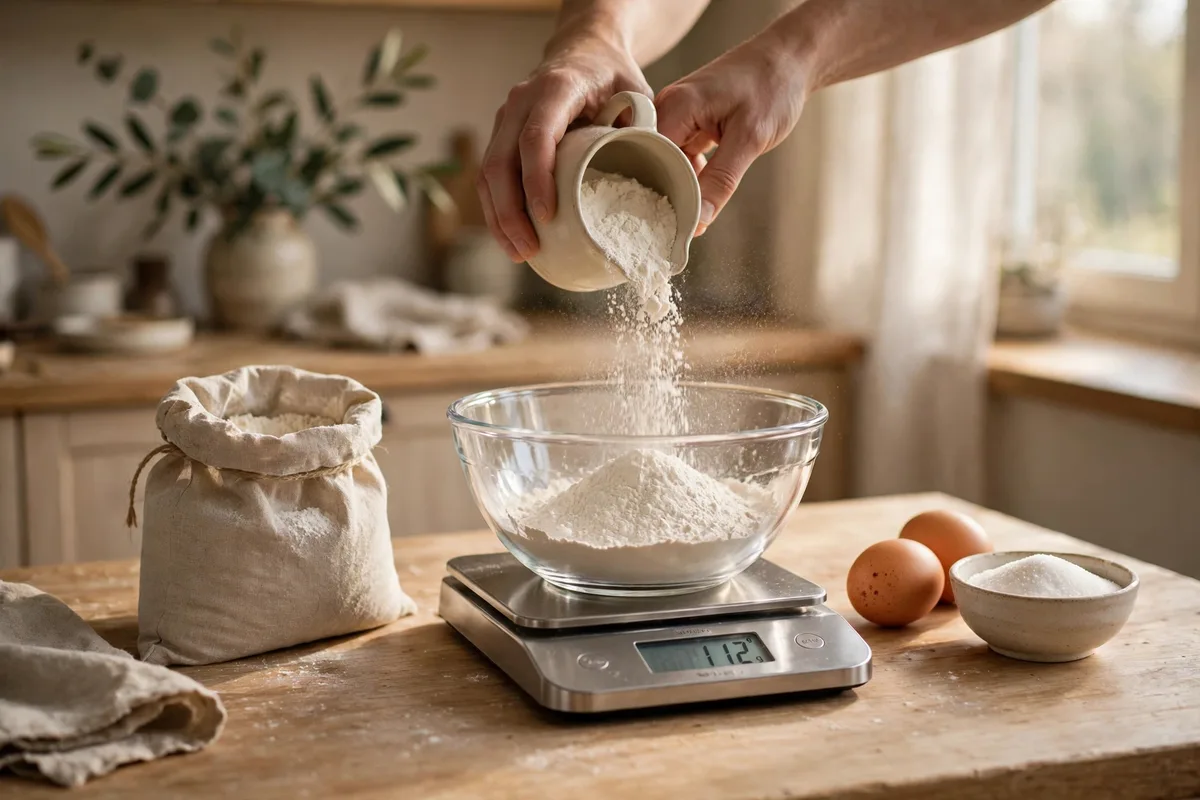
Learning how to use a food scale takes about five minutes, and it changes your baking from guesswork to repeatable results.
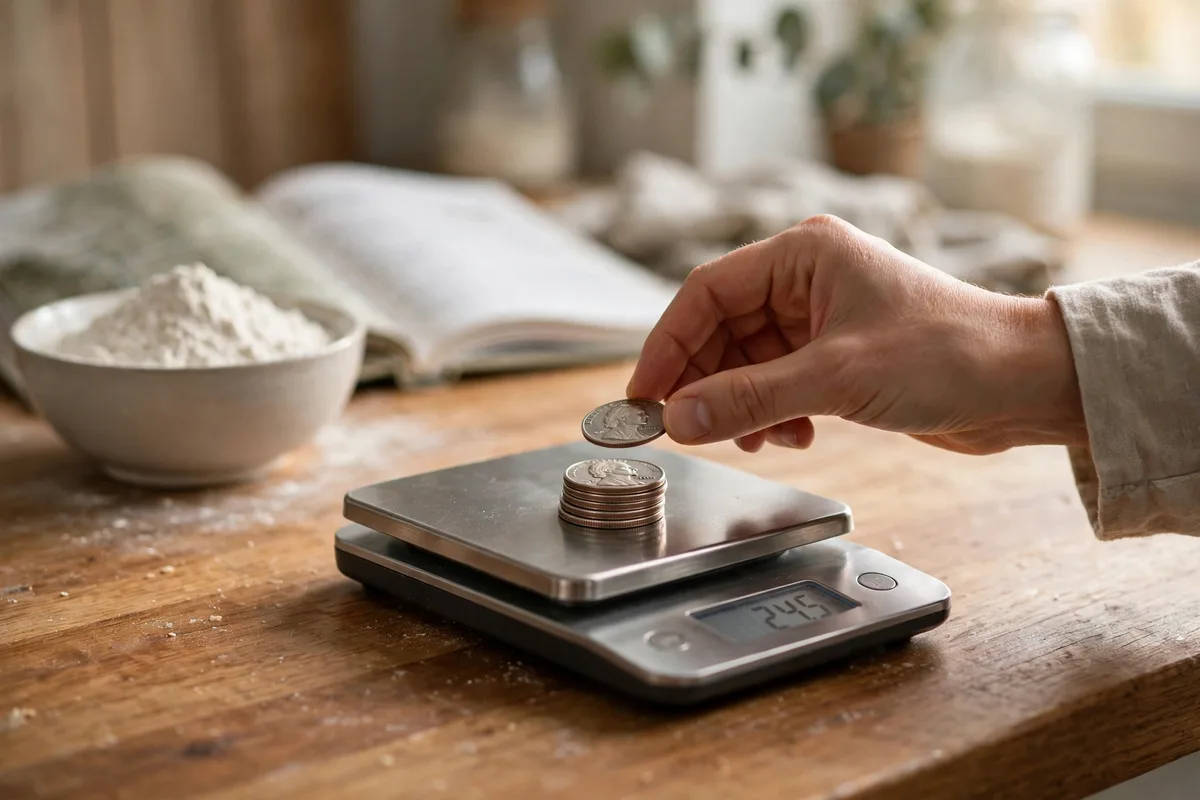
How to calibrate a food scale comes down to one comparison: your scale’s reading against a weight you already know.
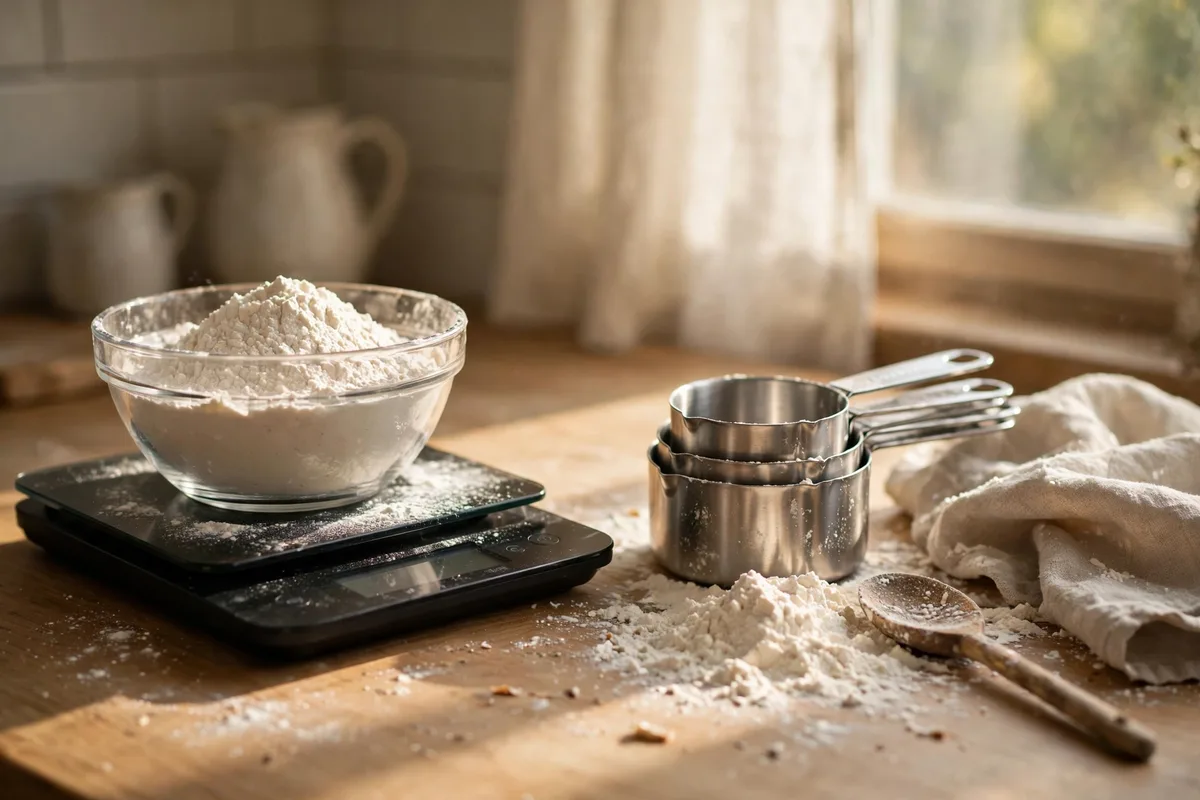
Food scale vs measuring cups is the question that decides whether your baking turns out the same twice.
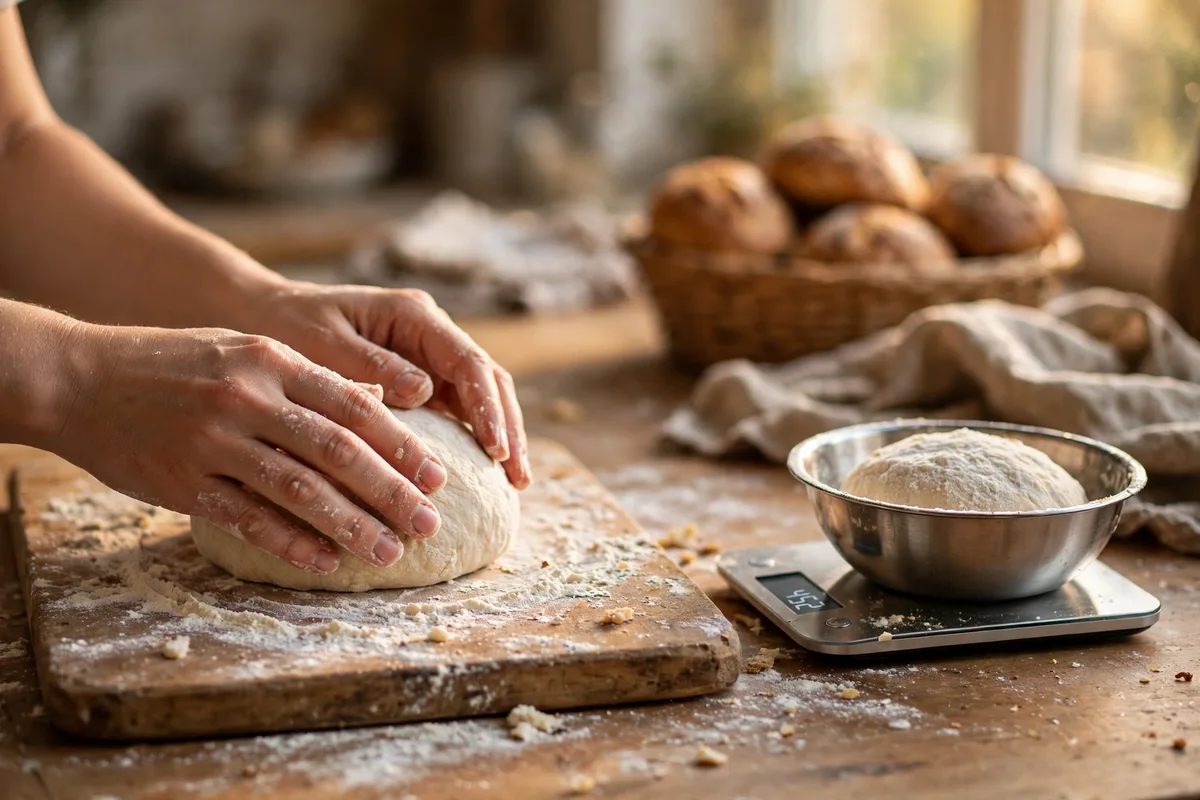
Do you need a food scale for baking? For bread, sourdough and macarons, yes — a scale turns guesswork into repeatable bakes.

How accurate are food scales? A good digital scale lands within a gram or two of the true weight for the amounts you weigh most often.

How to weigh ingredients with a food scale comes down to one habit: put your bowl on the scale, press tare, and add each ingredient.
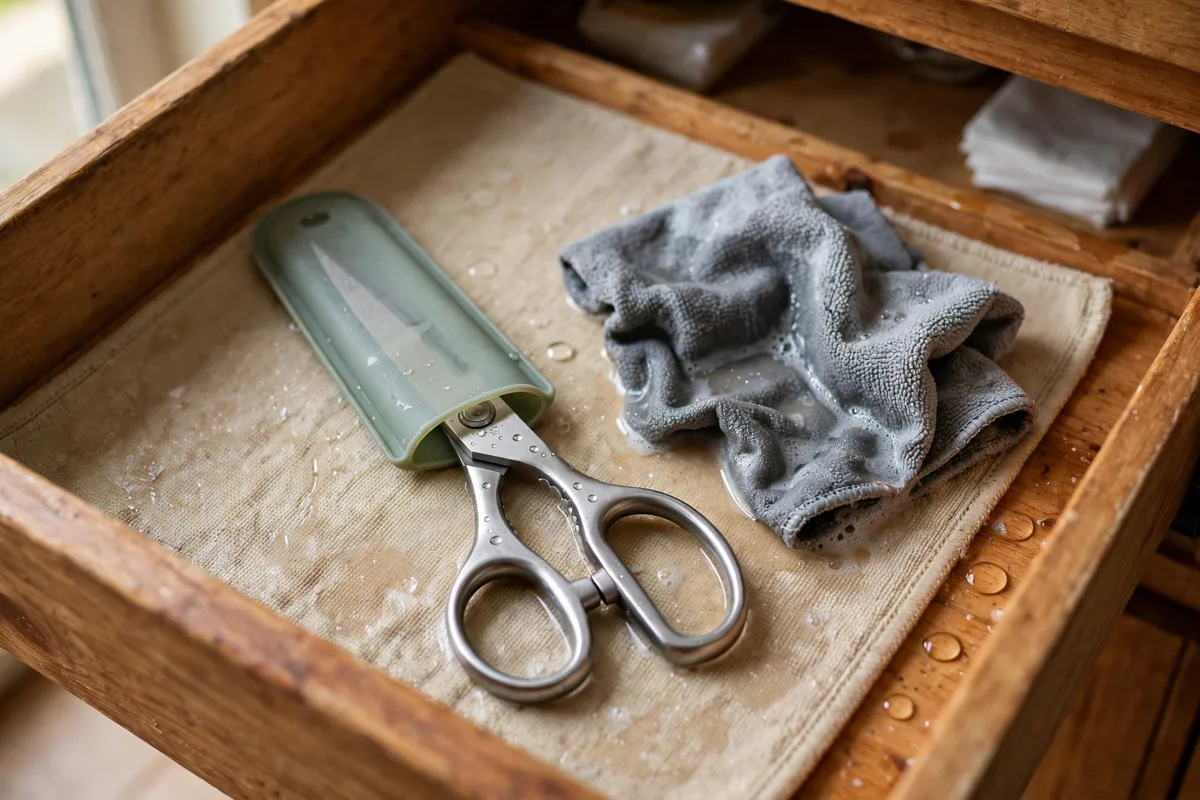
How to clean and store kitchen scissors safely: safe hand positions, come-apart cleaning, and a storage table by household situation.

How to peel vegetables safely as a beginner: grip, direction, and hand position in one sequence, with a peeler-by-vegetable table.
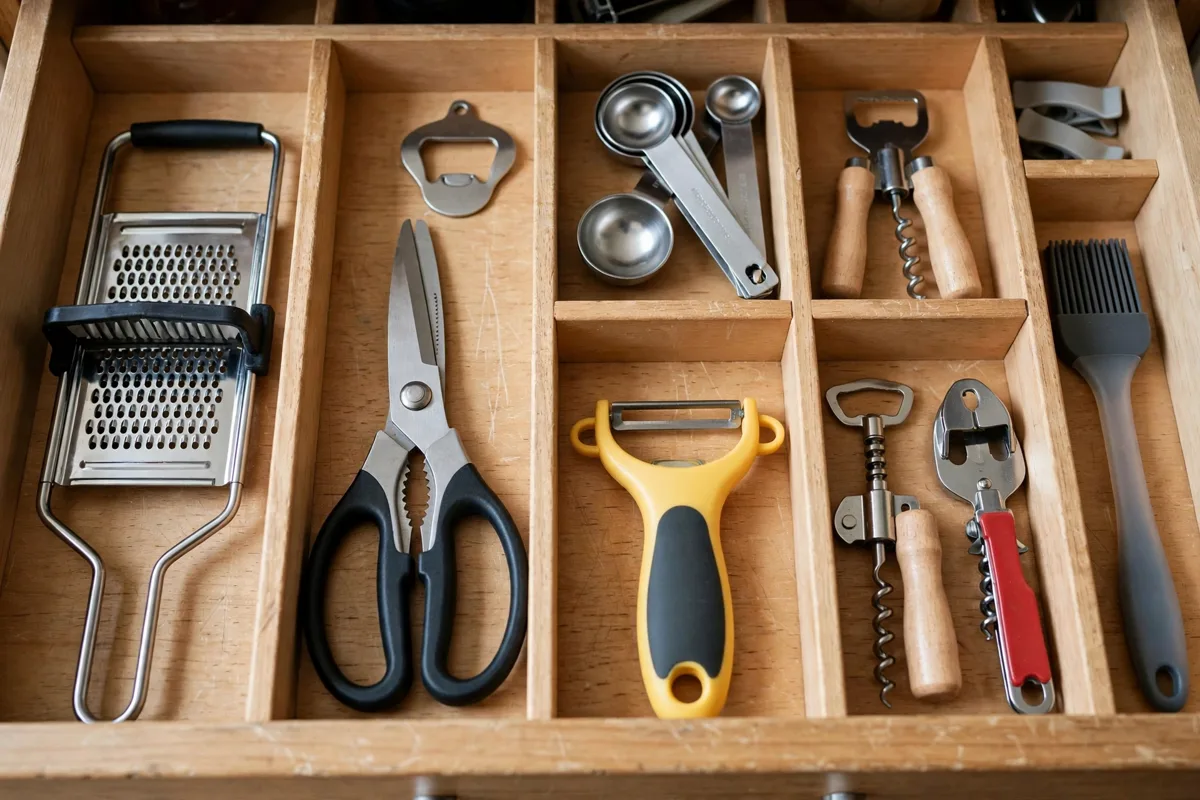
How to store kitchen gadgets: small-kitchen organization with a worked drawer layout for a mandoline, grater, shears and peeler, front to back, with blade safety.

How to clean and oil a wooden cutting board the right way: wash, dry upright, and oil only an unfinished board, with a worked example.
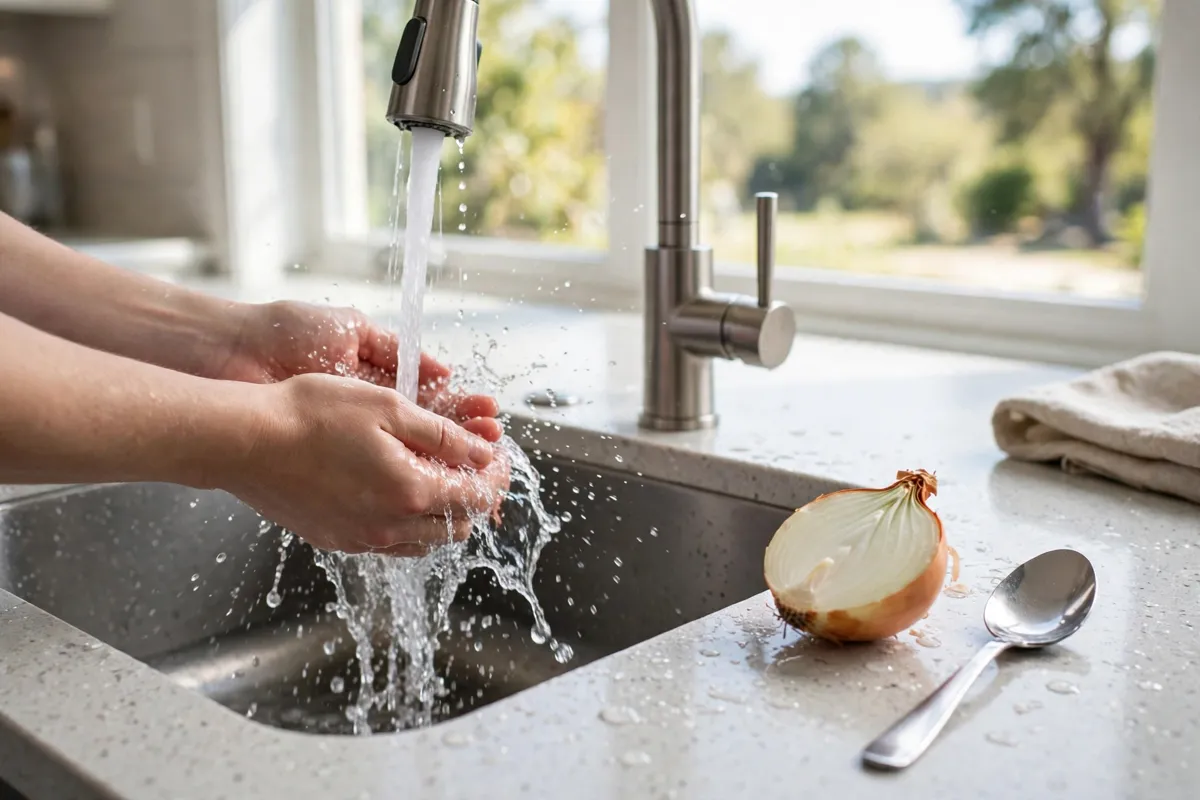
How to remove onion smell from hands in order: cold-water soap wash, nail and knuckle scrub, then stainless steel or lemon, with a worked example.

How to remove rust from kitchen knives safely: hold by the handle, work along the blade, gentlest first, and tell rust apart from patina.

How to peel boiled eggs easily: steam or boil large eggs, chill them in a full ice bath, then tap, roll, and peel from the wide end for smooth eggs.
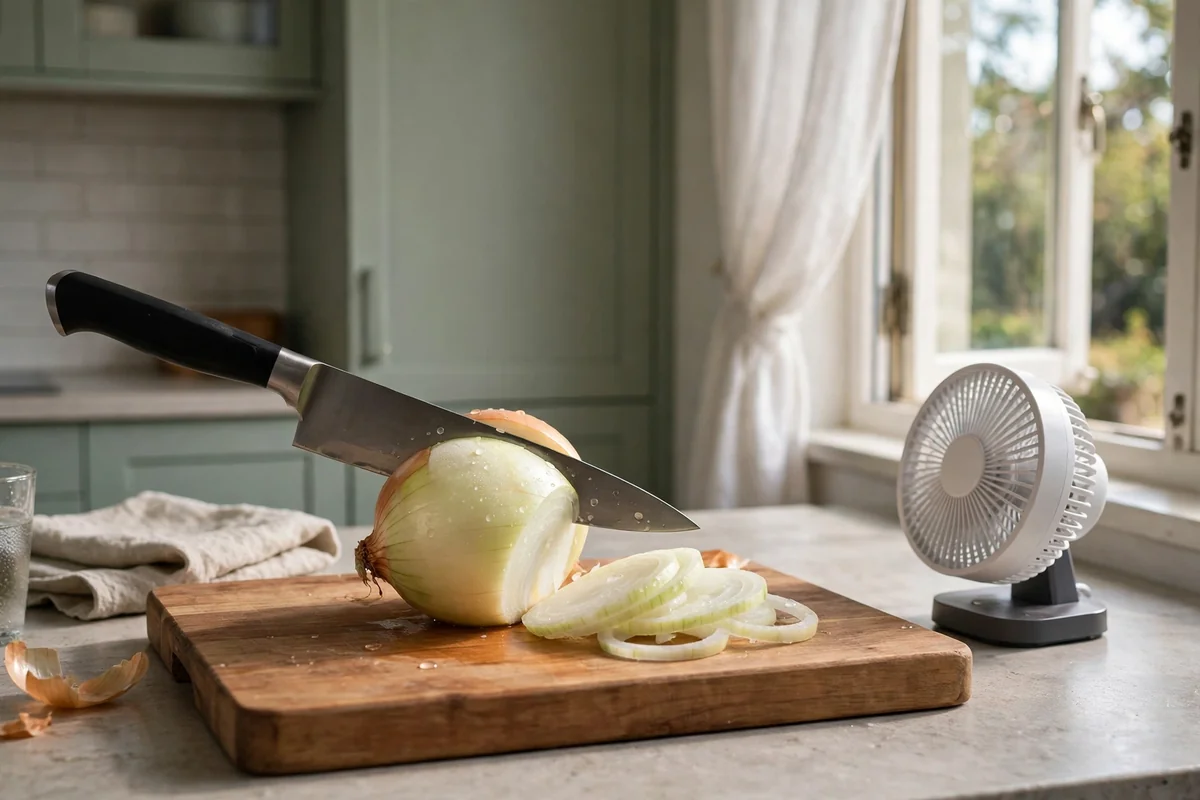
How to chop onion without tears: chill the onion, use a sharp knife, keep the root on until last, and move air away from your face while you chop.
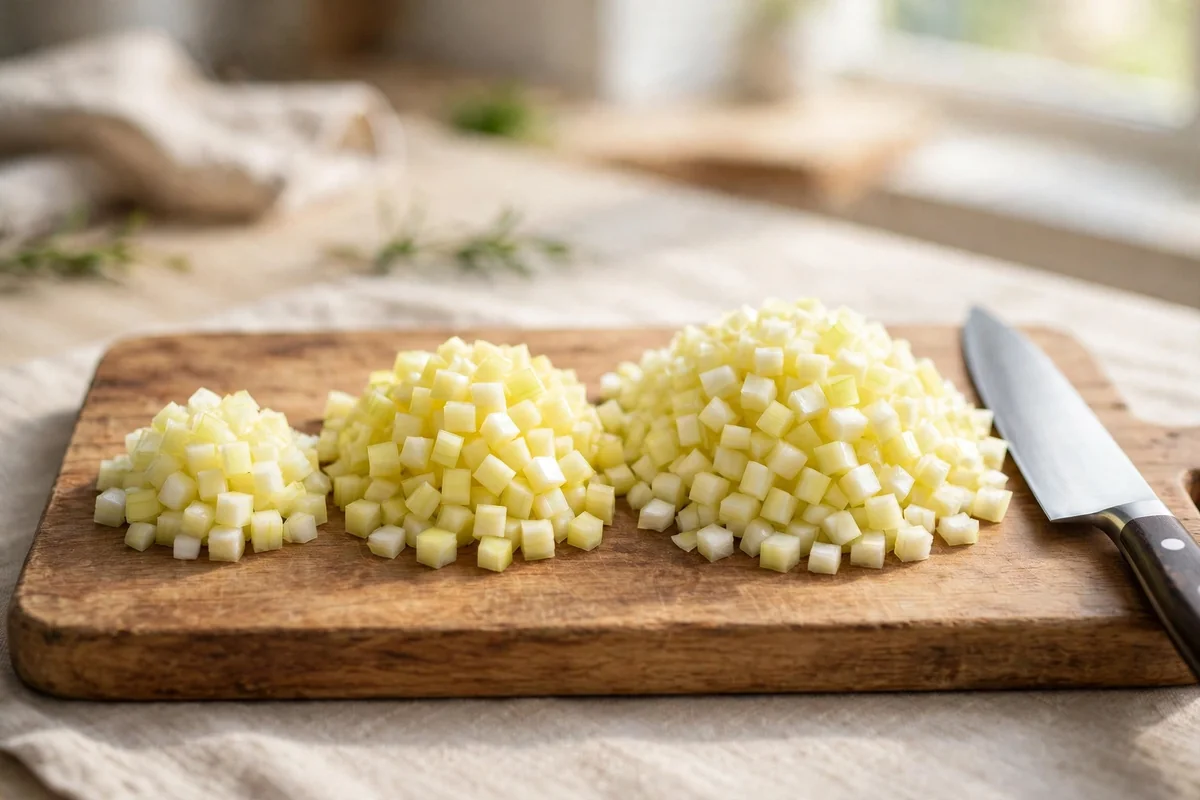
How to dice onion evenly: use a flat half, even spacing, and the fine, medium, and large dice table so every piece cooks at the same rate.

How to mince garlic without a press: use a knife for 1 to 3 cloves, a fork or microplane for a fine paste, and a mortar for 4 or more cloves.

How to store cutting boards in a small kitchen: dry fully first, stand upright with airflow, and keep the raw-meat board separate.

How to store knives safely without a knife block: magnetic strip, in-drawer slotted tray, or blade guards, never loose in a drawer.

How to Choose a Knife Set for Beginners: start with three knives, test the grip, and skip the big block until you know what you cook most.

Wood vs Plastic Cutting Board for Beginners: use one wood board for vegetables and bread, and one plastic board for raw meat, with simple care.
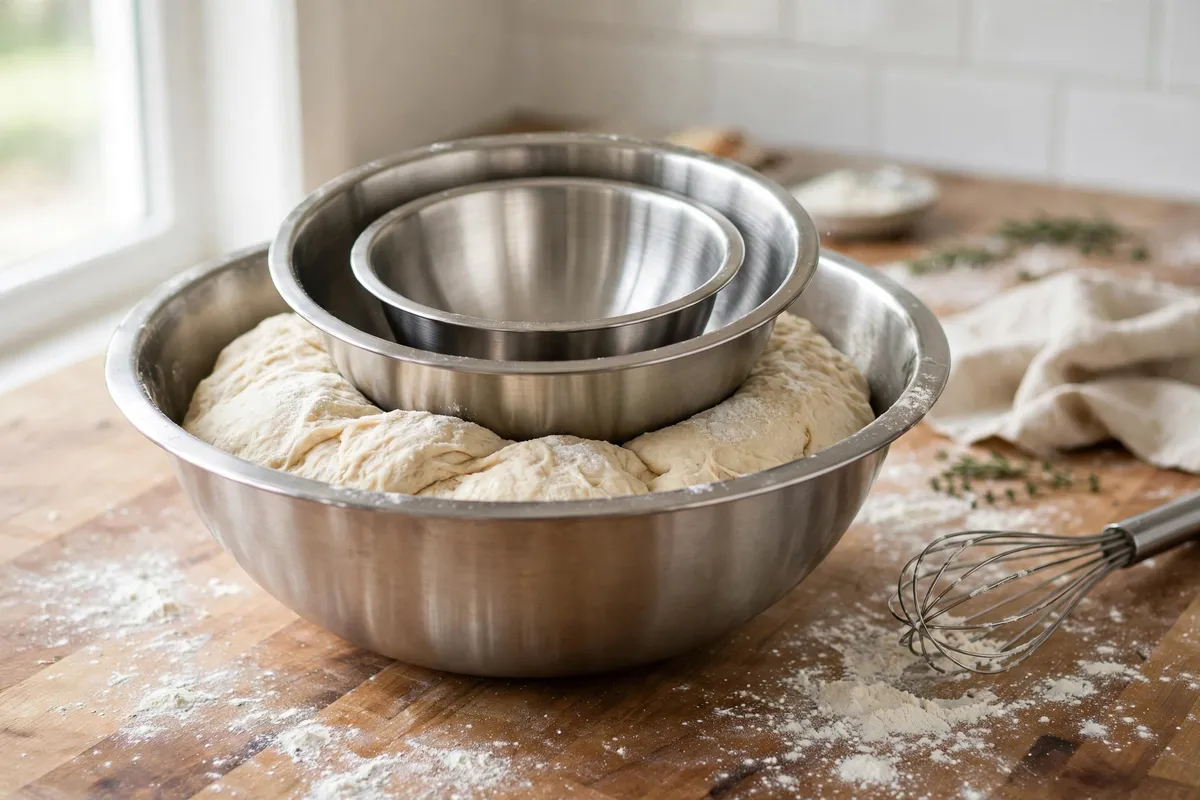
How to Choose Mixing Bowl Sizes for Beginners: pick small, medium, and large bowls in quarts, with a worked pancake and bread example.
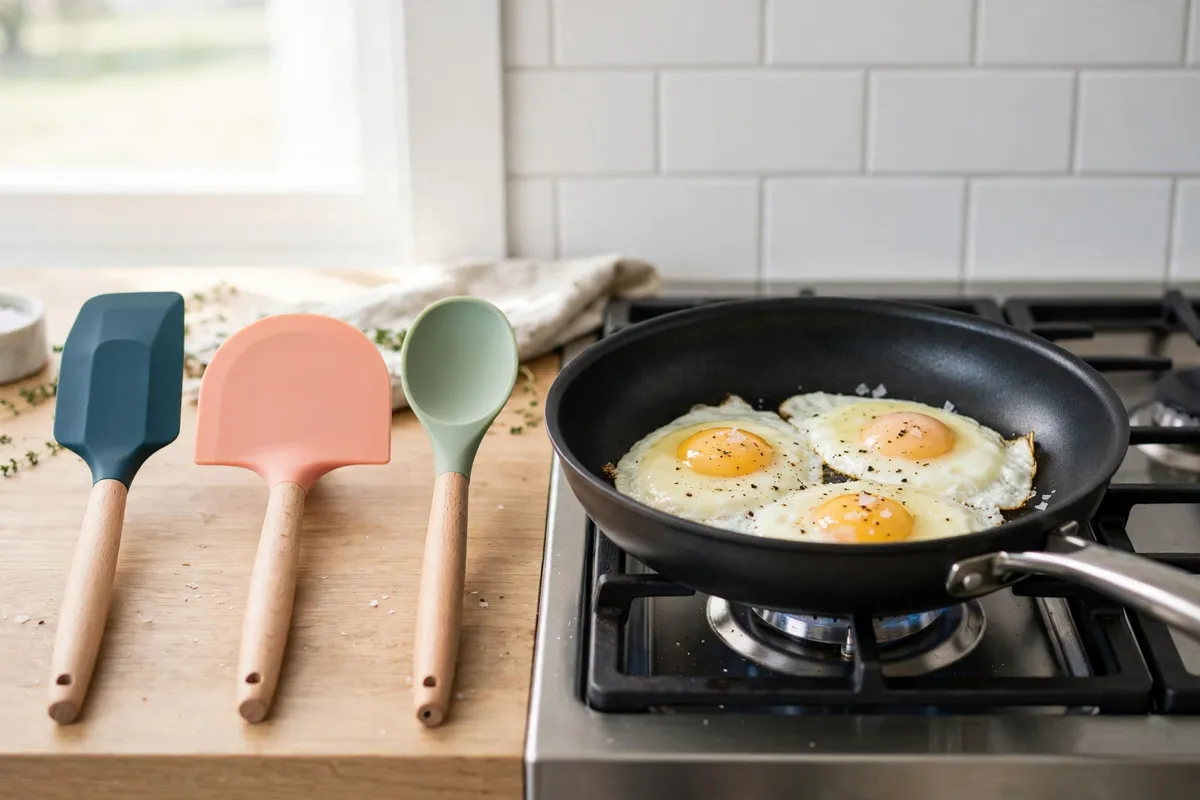
How to Choose a Heat-Resistant Spatula for Beginners: compare turner, scraper, and spoonula, and check the heat rating before you buy.
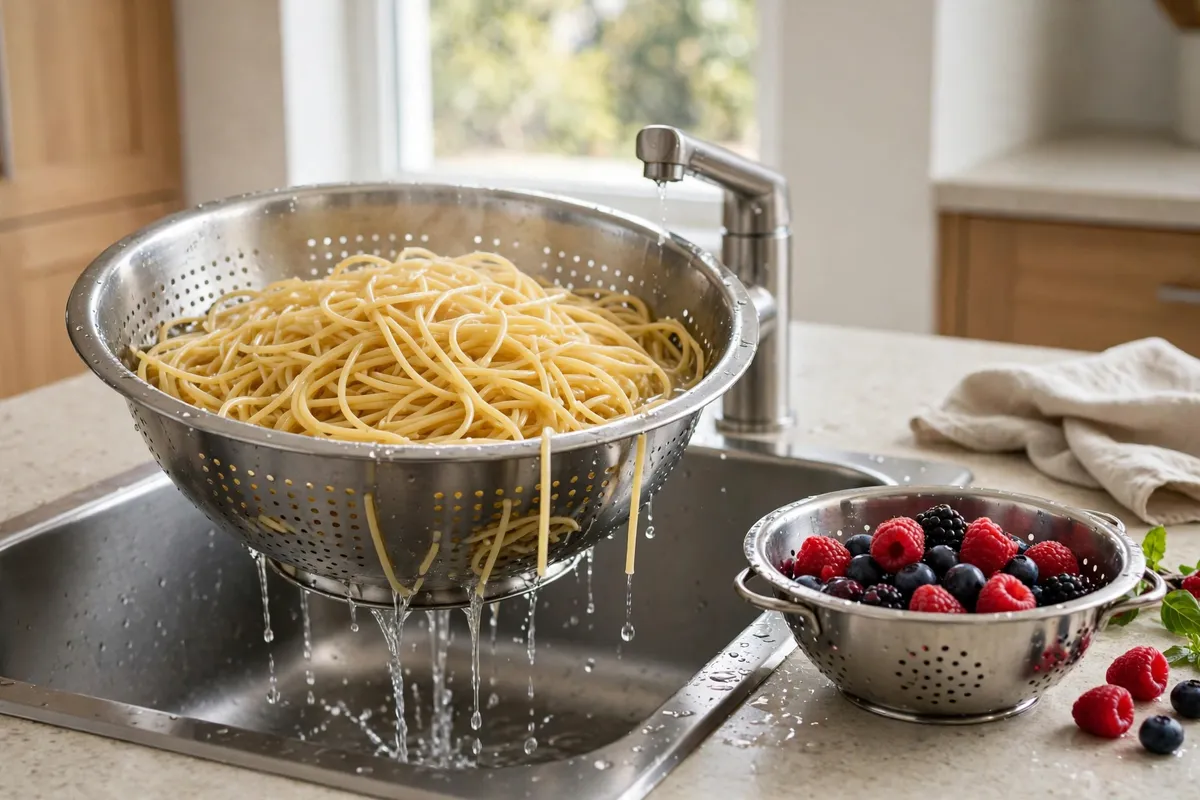
How to Choose a Colander Size for Beginners: match quarts and diameter to pasta, berries, and family meals, with feet and hole size checked.

How to Choose a Kitchen Scale for Beginners: use the tare-first method, a 5 kg and 1 g starter spec, and a display you can read.

How to choose measuring cups and spoons for beginners: dry cups, liquid jugs, and spoons, with the scoop-and-level technique and a worked pancake test.
Convert tsp, tbsp, cups, ml, fl oz, grams, and ounces — and see common equivalents.
Convert cups to grams by ingredient, and grams back to cups, using standard approximate cup weights.
Find a standard stand-in for a missing ingredient: choose butter, buttermilk, brown sugar, baking powder, or egg, enter the amount, and get the substitution.
Cookware Sets Small Appliances Bakeware Kitchen Tools & Gadgets Coffee & Tea Food Storage Storage & Organizers Dinnerware & Serveware Cleaning Essentials Small Kitchen Essentials