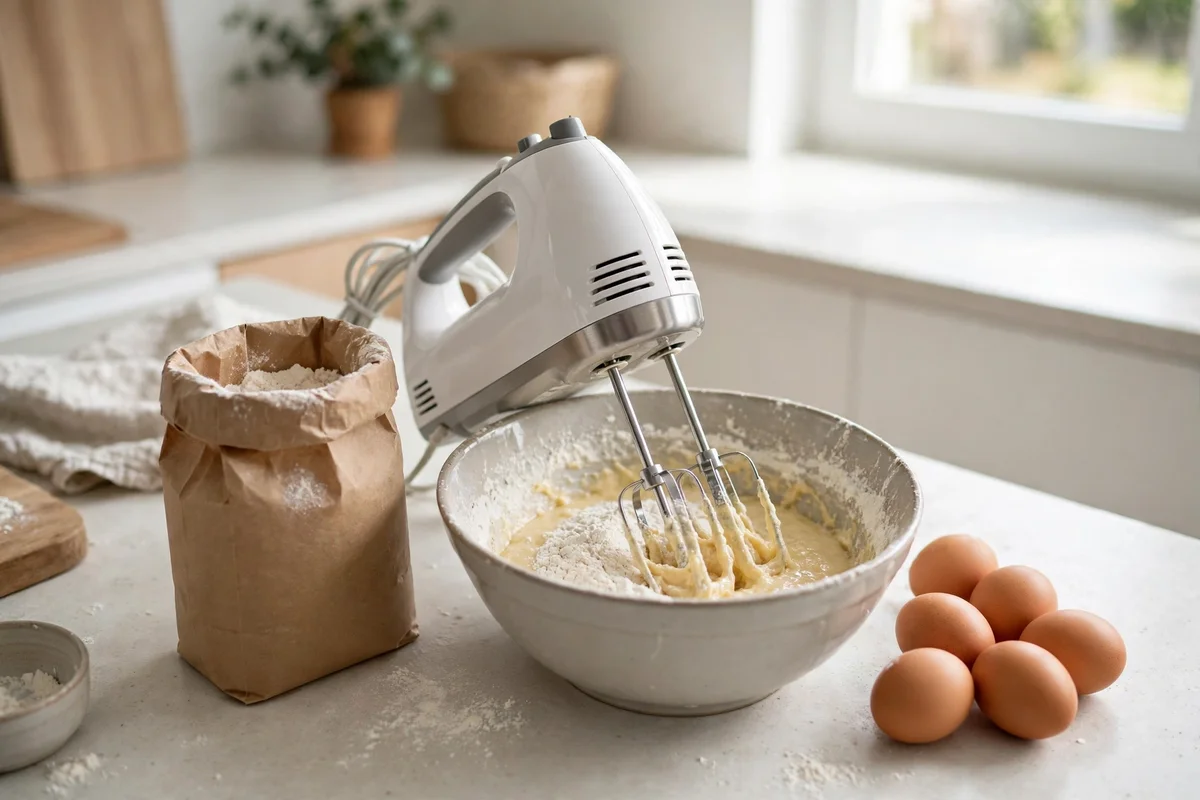
How to Use a Hand Mixer Without Splattering Flour for Beginners
How to use a hand mixer without splattering flour for beginners: bowl choice, beater position, speed order, and habits that keep flour in the bowl.
Read this post →
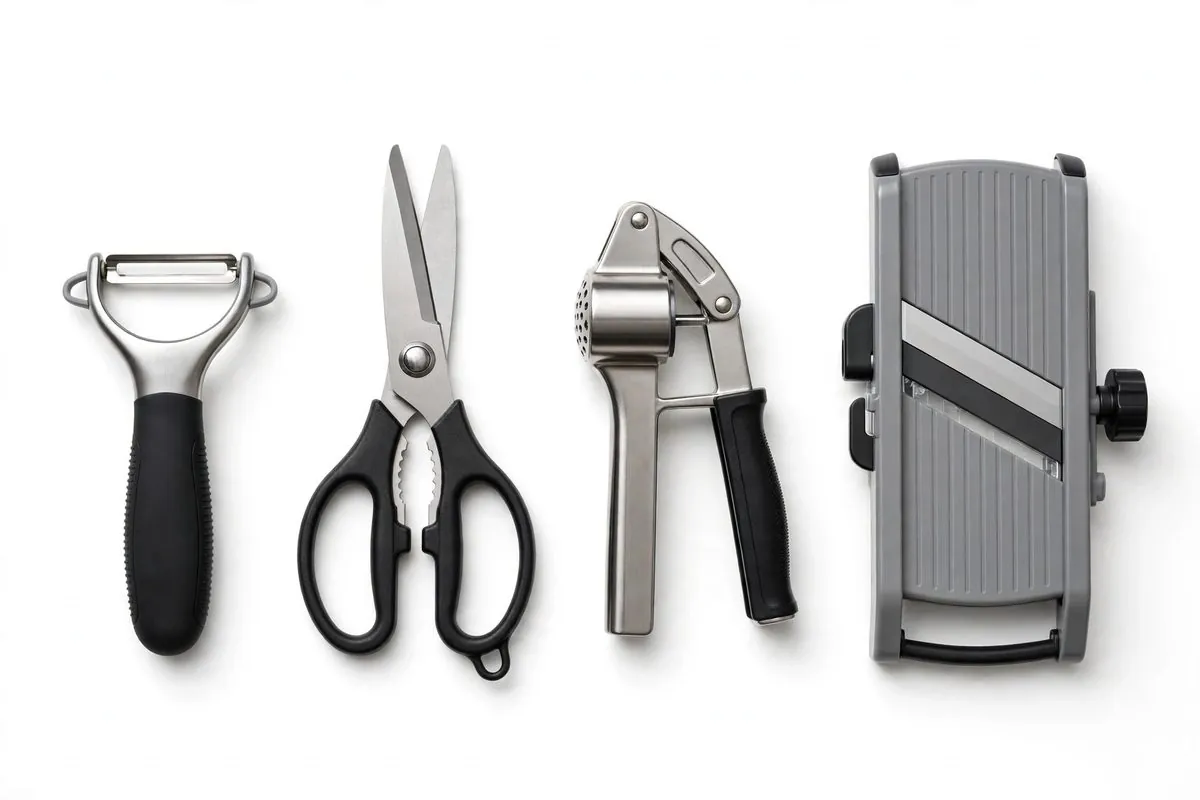
Cooking basics are the small skills that make dinner easier: peeling, chopping, measuring, and knowing when rice is done. These guides walk through each one in plain steps, so you can cook with confidence even if you are just starting out.
Work through the prep guides first, then the heat, rice, and pasta guides. Each one answers a single question - how to keep pasta from sticking, how to reheat pizza so it stays crisp - with the detail you need and nothing you do not.
How to use a hand mixer without splattering flour for beginners: bowl choice, beater position, speed order, and habits that keep flour in the bowl.

How to use an avocado slicer tool for beginners: pick a ripe avocado, halve and pit it safely, and slice without waste or a slippery mess.
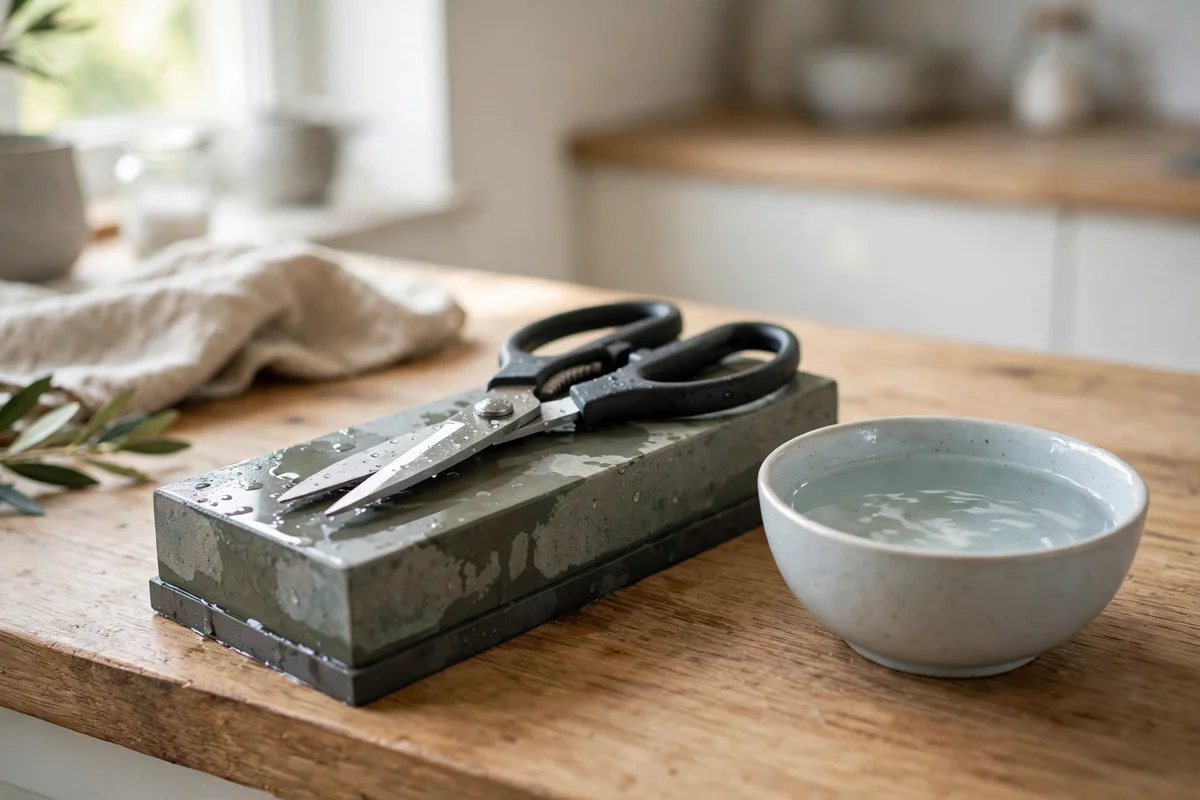
How to sharpen kitchen shears at home: hone the beveled edge safely, test the cut on paper, clean and oil the pivot — and know when to stop.

How to peel vegetables safely as a beginner: grip, direction, and hand position in one sequence, with a peeler-by-vegetable table inside.

How to measure flour correctly with cups and spoons for beginners: spoon-and-level steps, the scooping mistake to avoid, and partial-cup equivalents.

How to soften butter quickly: cube and roll one stick, use short microwave bursts, or warm a bowl, then pass the fingertip test before creaming.
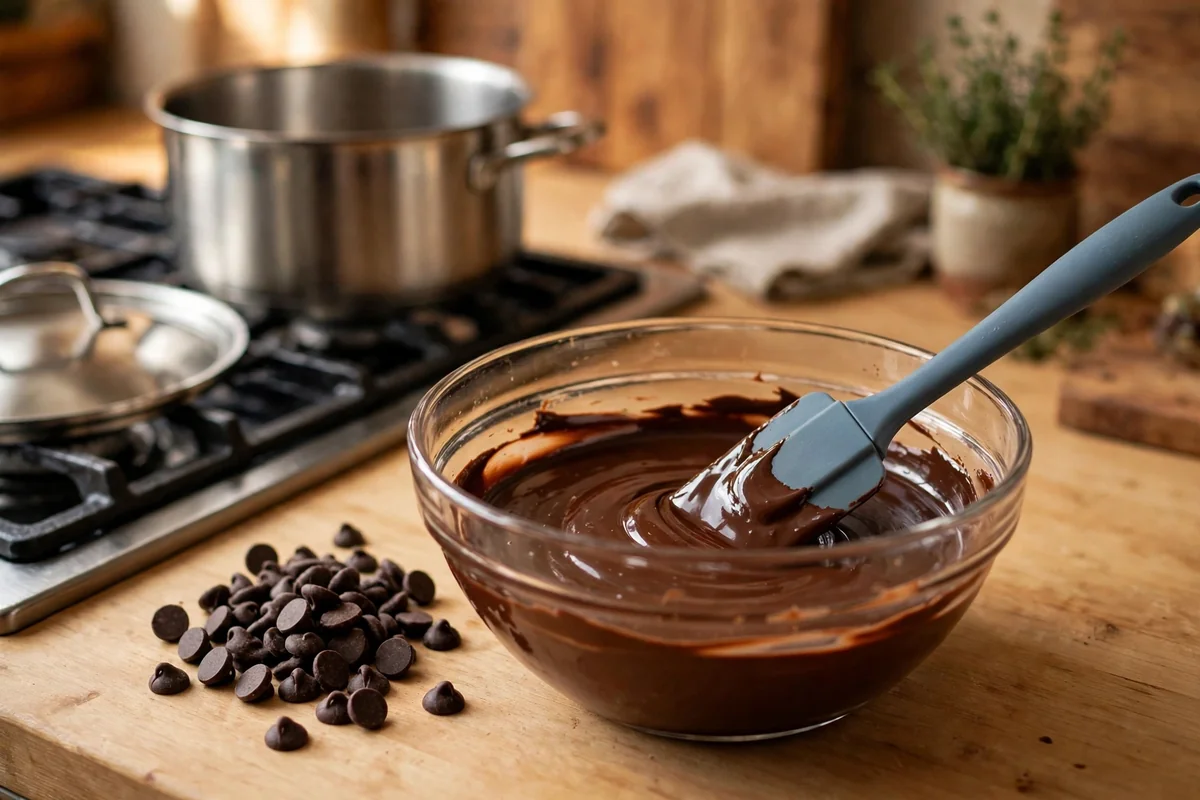
How to melt chocolate without burning: short microwave bursts or a double boiler, the stop-before-it-looks-done rule, and how to rescue seized chocolate.

How to peel boiled eggs easily: steam or boil, chill in a full ice bath, then tap, roll, and peel from the wide end for smooth, unpitted eggs.
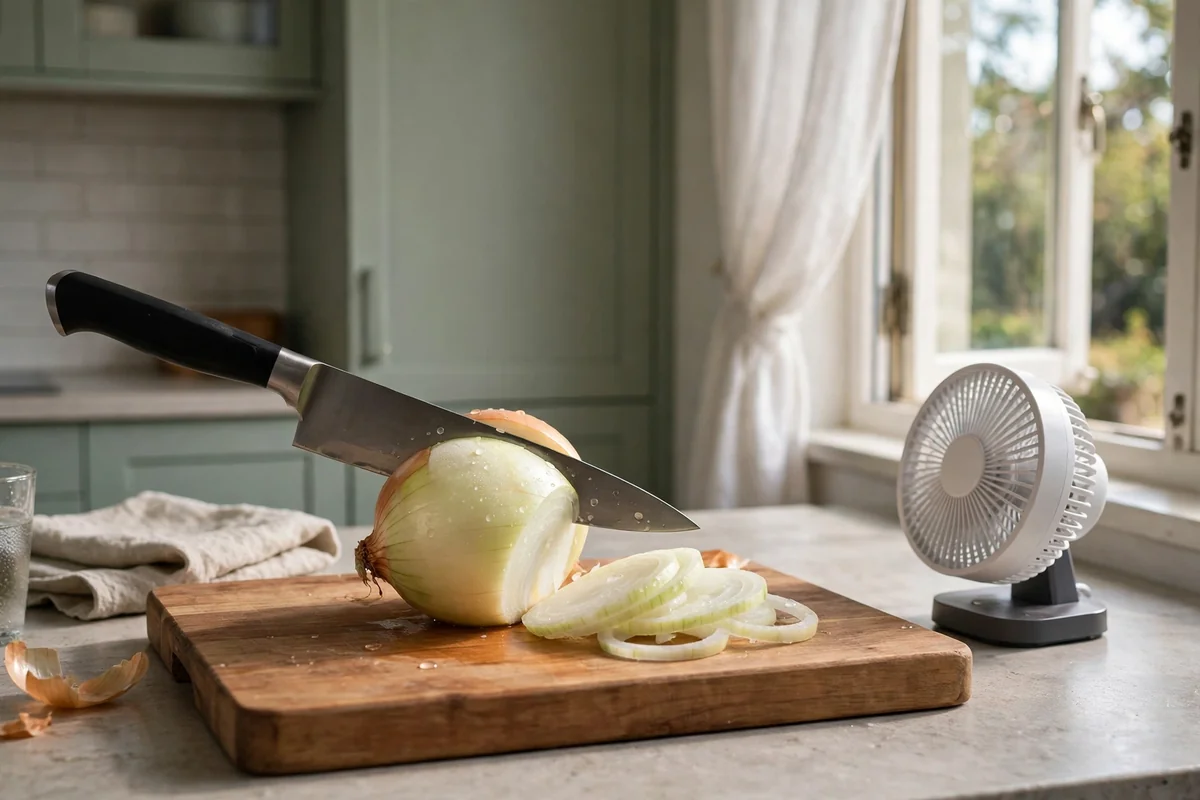
how to chop onion without tears: chill the onion, use a sharp knife, keep the root on until last, and move air away from your eyes.
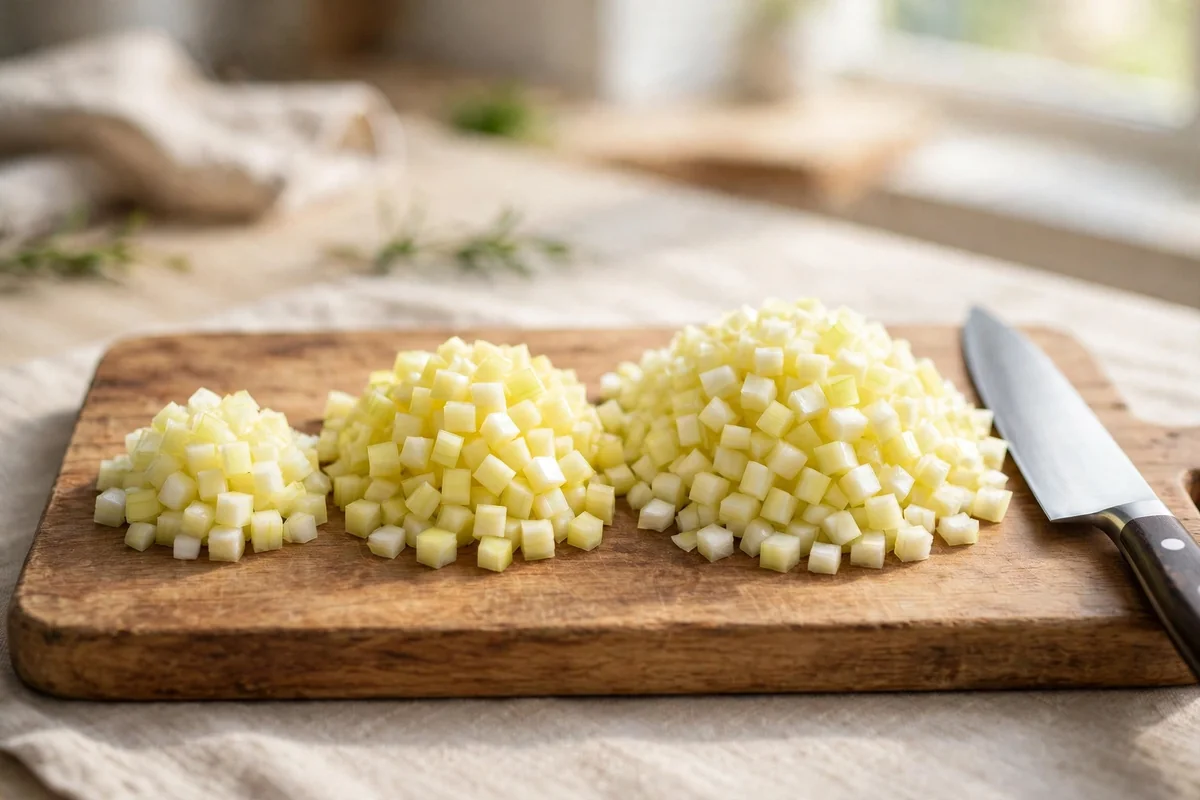
how to dice onion evenly: use a flat half, even spacing, and the fine, medium, and large dice table so every piece cooks at the same rate.

How to mince garlic without a press: knife, fork, and mortar methods by clove count, plus storage and the garlic-in-oil safety rule.

How to measure honey without sticking: oil, hot-water, and weighing tricks for 1 tablespoon and 1 cup, plus the 21-gram target to stop at.
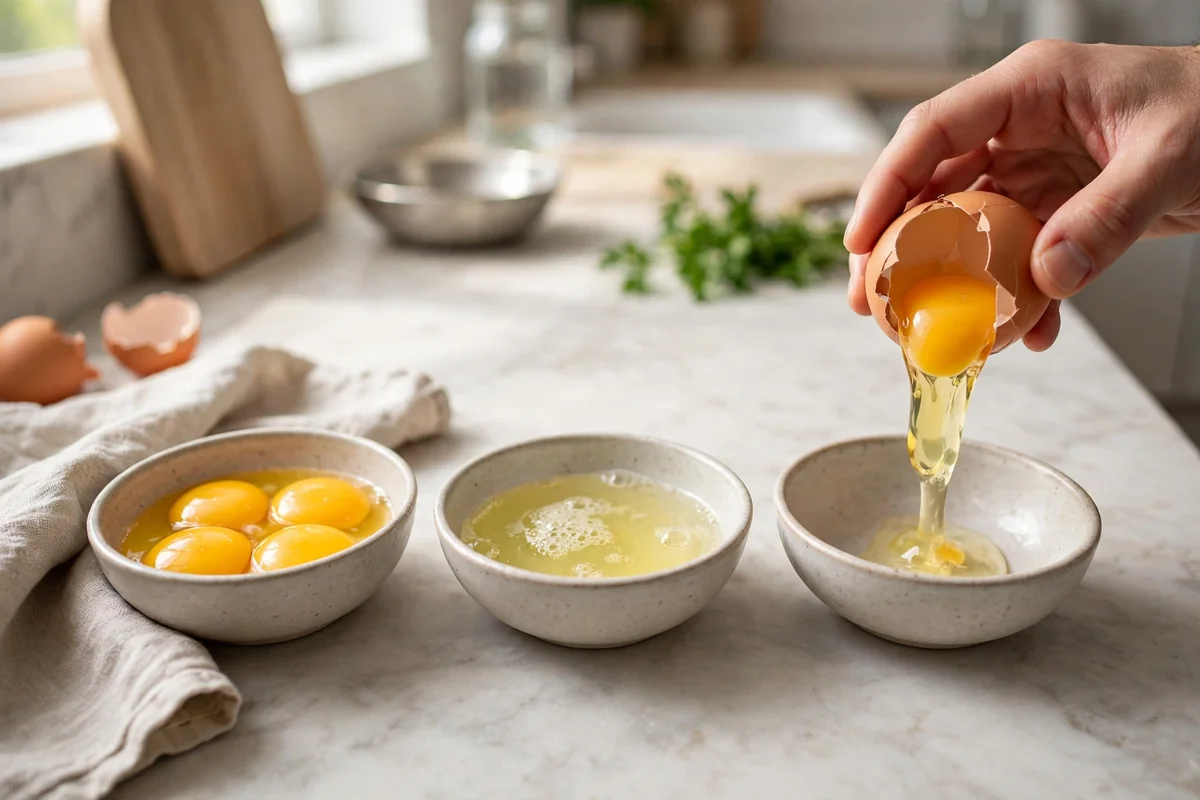
How to separate eggs cleanly: cold eggs, a flat-surface crack, and the 3-bowl rule with the shell, hand, or slotted spoon method.
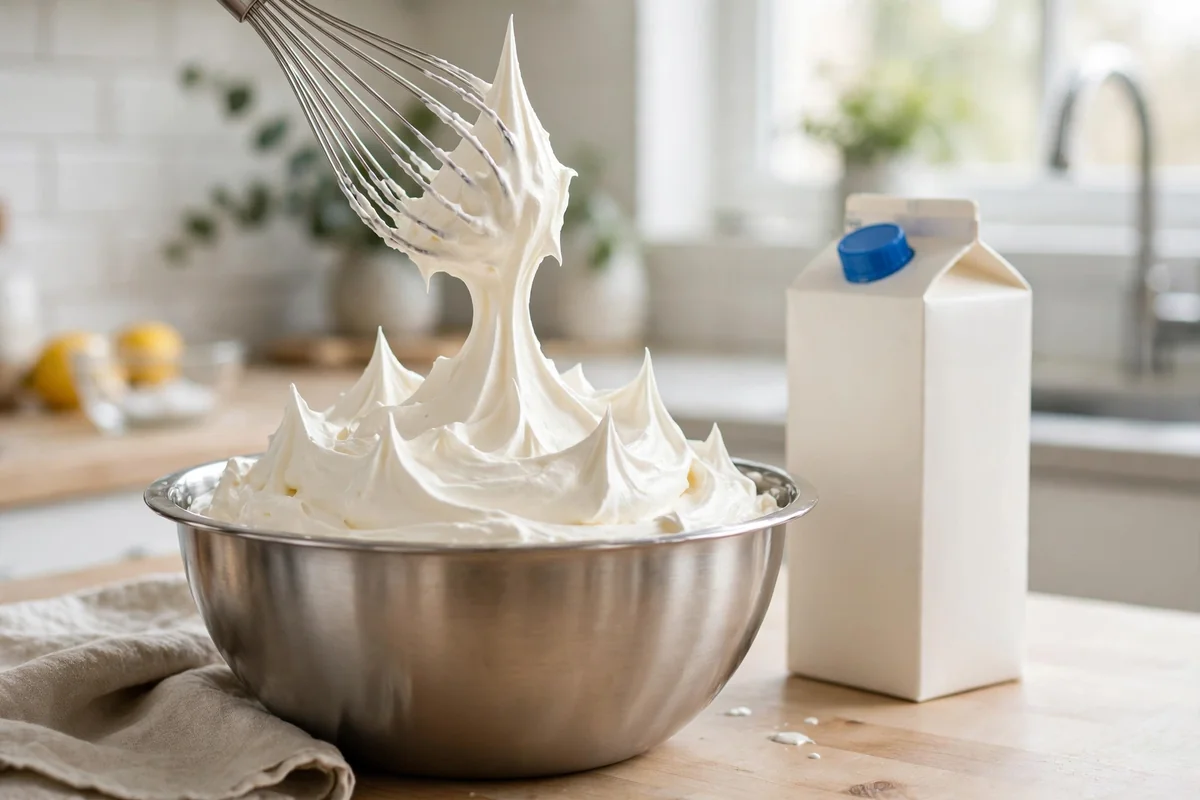
How to whip cream to stiff peaks: chill the cream, bowl, and whisk, whip in stages, and stop when peaks stand straight up without drooping.
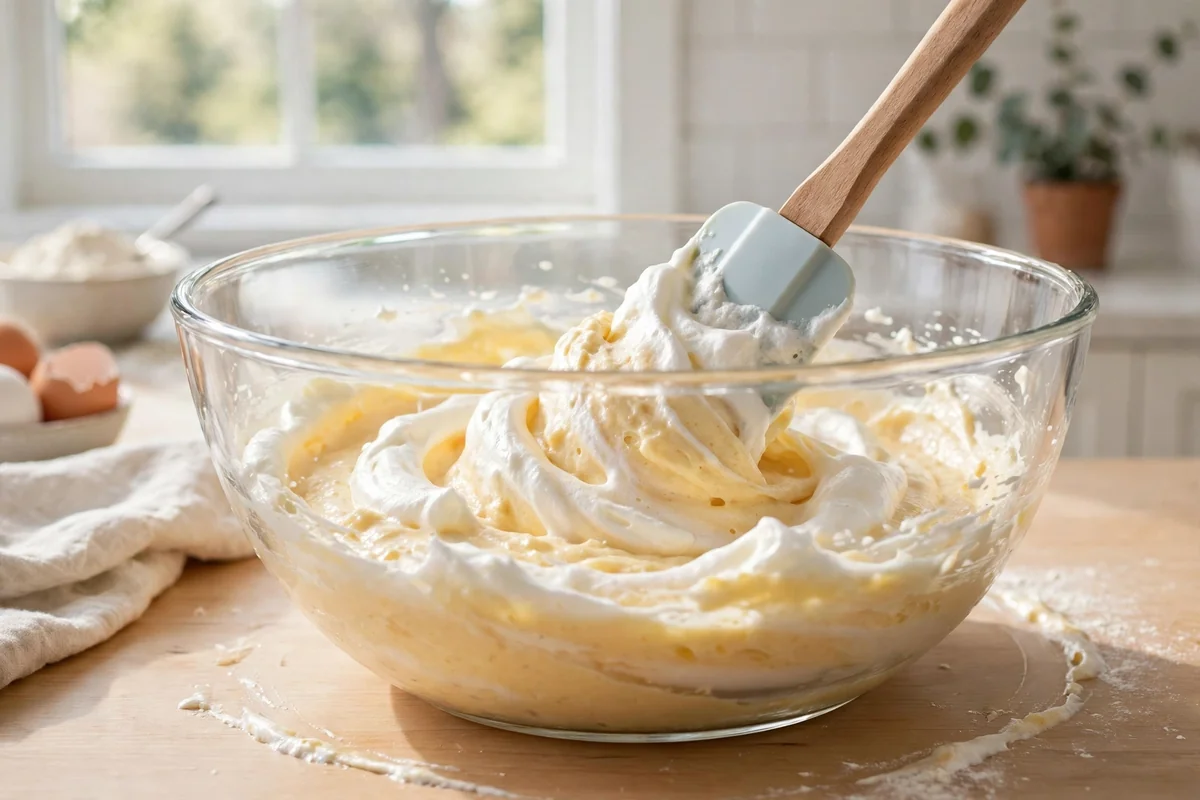
how to fold batter without deflating: lighten thick batter first, add whipped whites in thirds, and use a J-fold that keeps the air in.
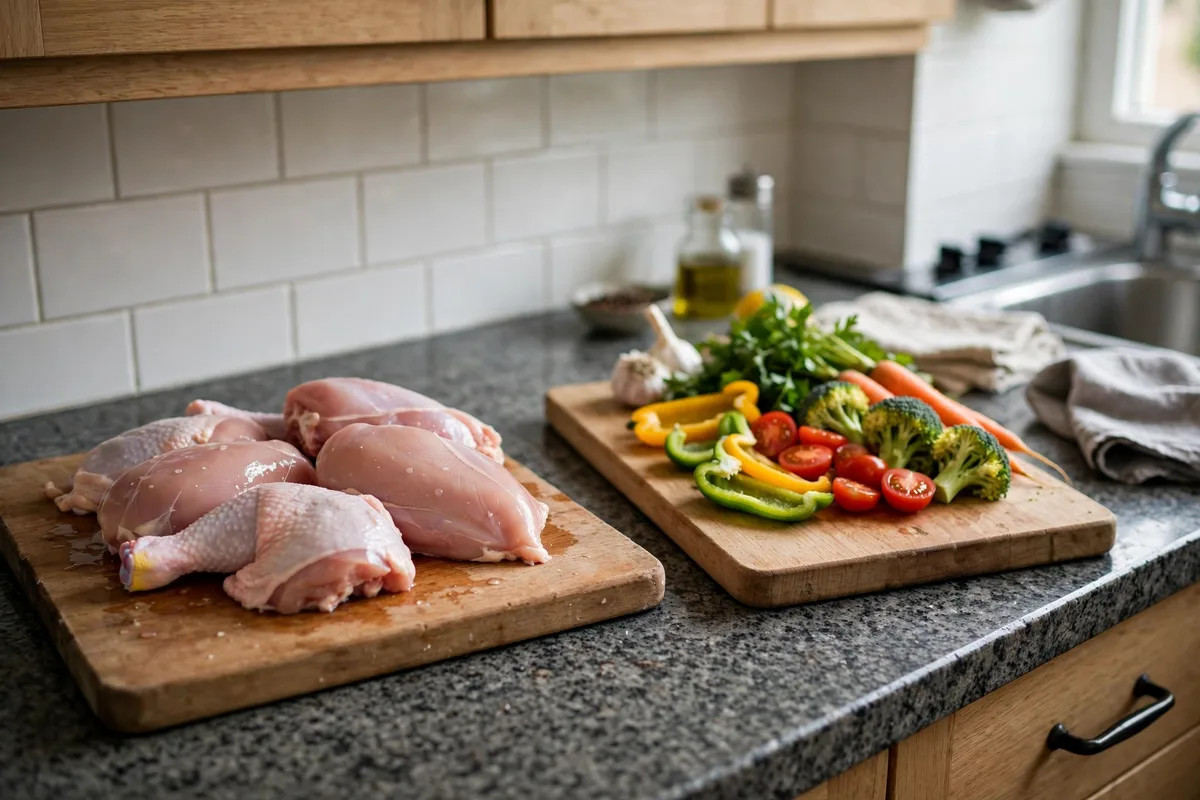
how to avoid cross contamination in a small kitchen: separate boards, washed hands, and the right order of work so raw meat never touches ready-to-eat food.

How to boil potatoes without them falling apart: start waxy potatoes in cold salted water, simmer gently, test with a knife, drain the moment they are tender.

How to chop vegetables evenly for beginners: claw grip, square off the vegetable, cut planks, then sticks, then dice — same size, same cook time, every piece.

how to cook chicken breast without drying out on stove: pound it even, sear 4 to 5 minutes a side, pull at 155°F and rest — juicy every time.

how to cook eggs in stainless steel pan without sticking: preheat until water beads, add fat, lower the heat — eggs that slide, not stick, every time.
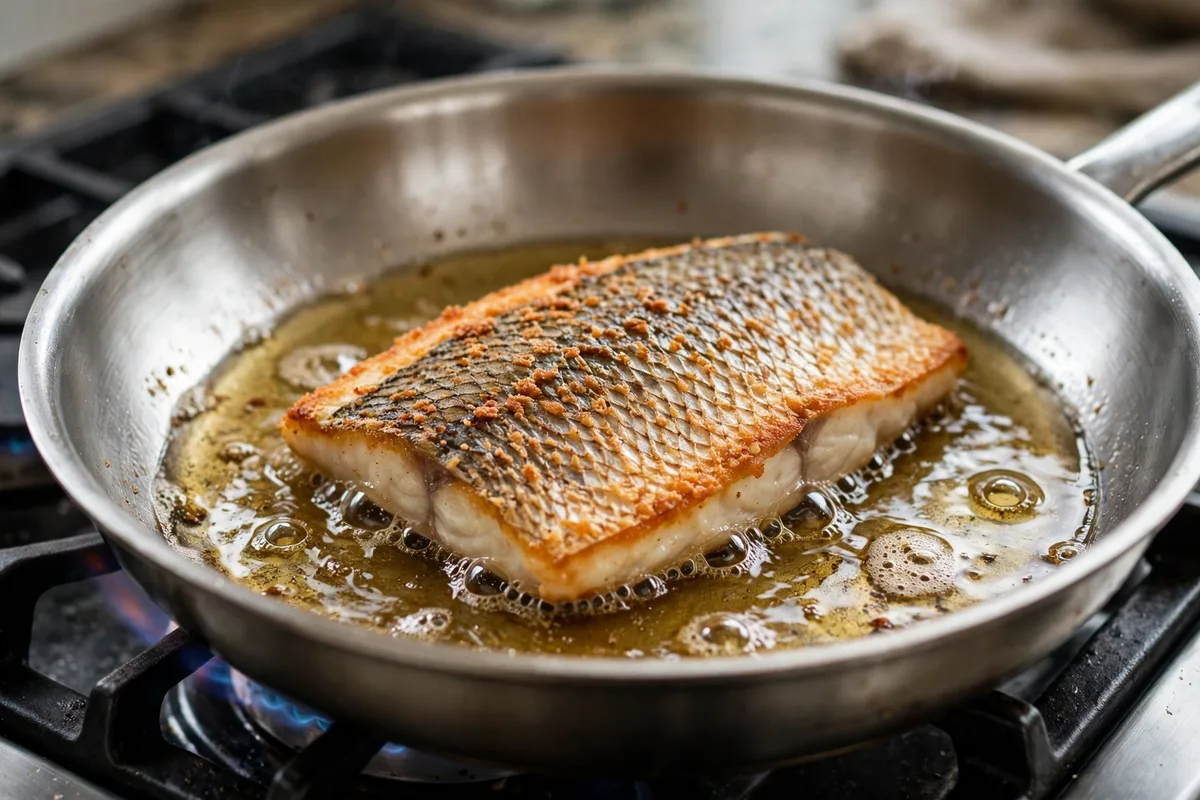
how to cook fish without sticking to pan: dry the fillet, heat the oil until it shimmers, lay it skin-side down and wait for it to release.
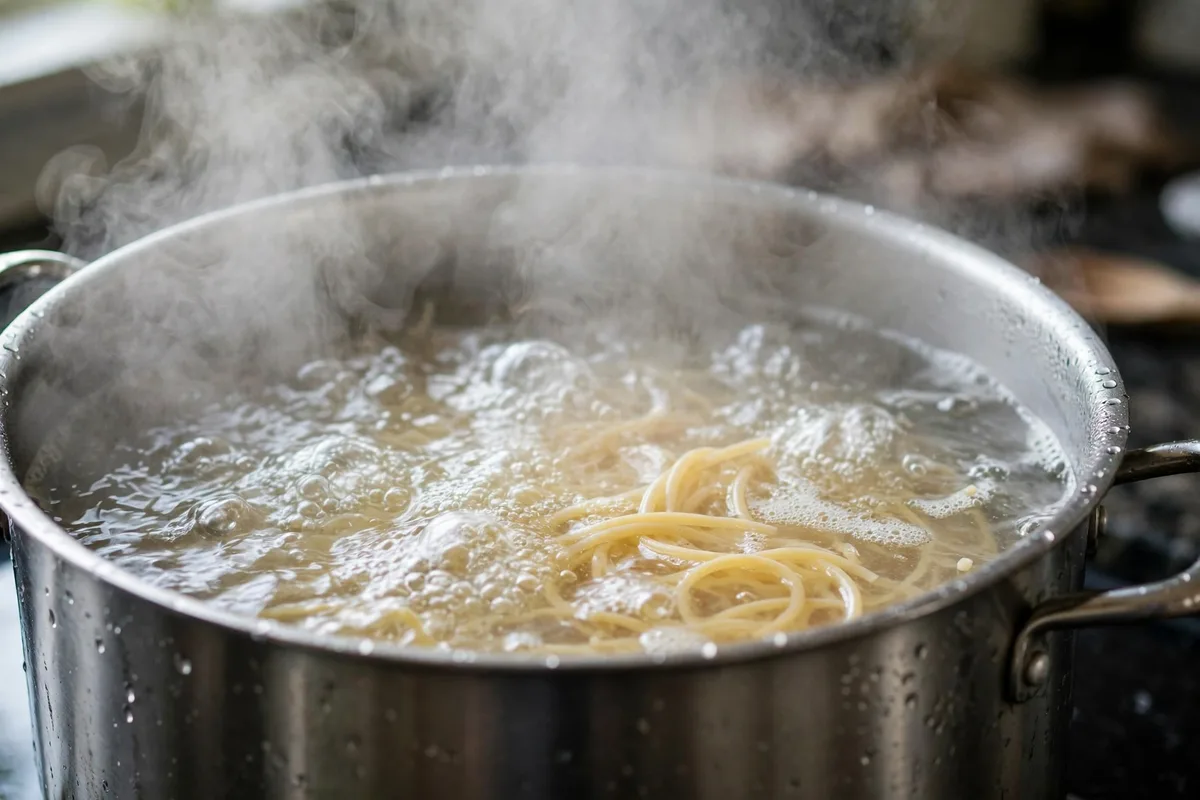
How to cook pasta al dente for beginners: plenty of salted water, rolling boil, test 2 minutes before package time — firm bite, never mushy.

How to cook salmon in pan without drying out: skin-side down first, 4 to 6 minutes, flip once, pull at 125 to 135°F or 145°F for safety.
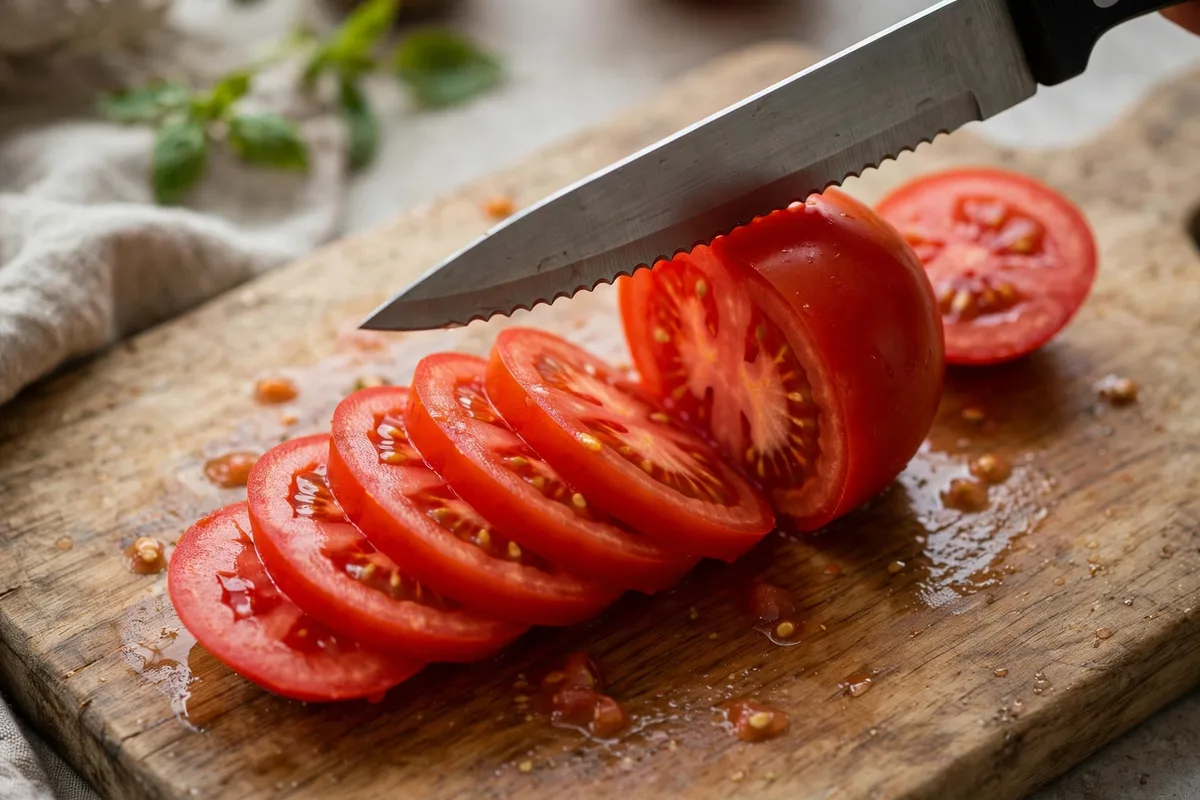
How to cut tomato without squashing it: use a sharp serrated knife, a light sawing stroke, and a brief chill — no downward pressure, no crushed slices.
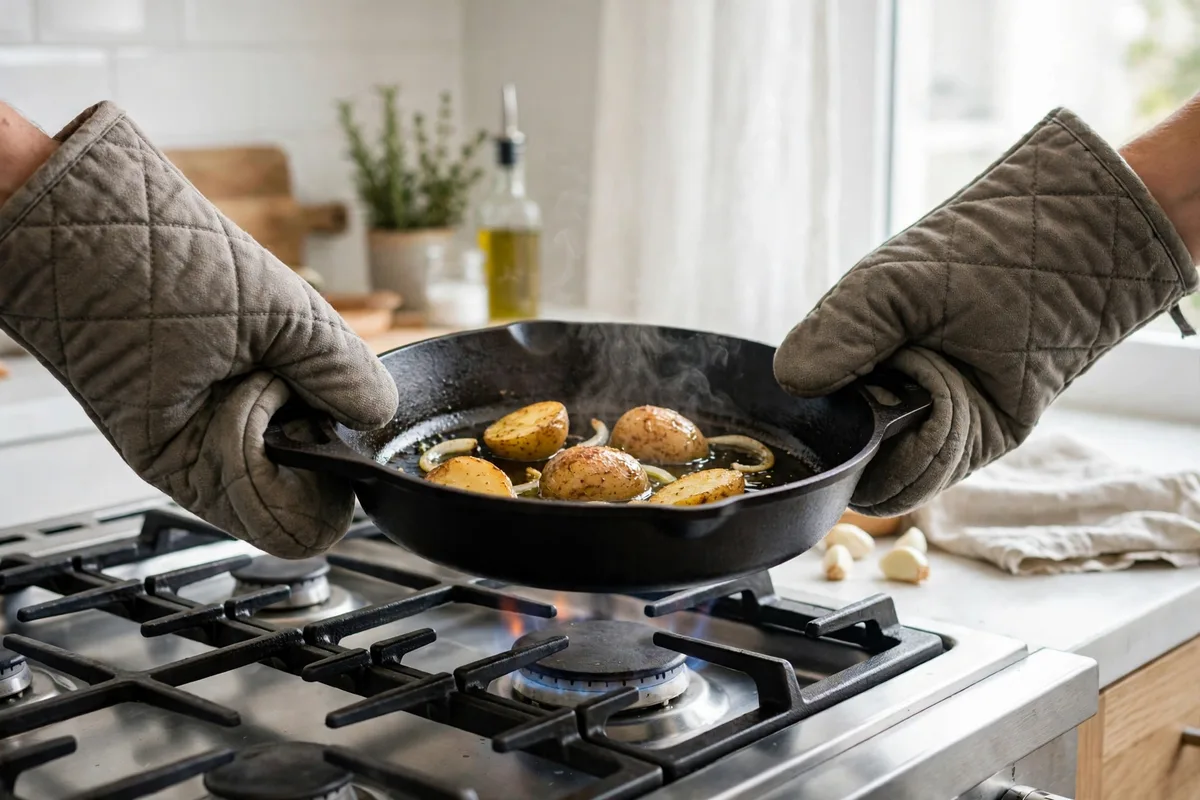
how to handle a hot pan safely for beginners: dry mitts, handles turned in, a clear landing spot, and two hands for heavy pans — every time.

How to make perfect boiled eggs timing: large eggs in boiling water — 6 minutes soft, 7 to 8 jammy, 9 medium, 10 to 12 hard — then an ice bath.
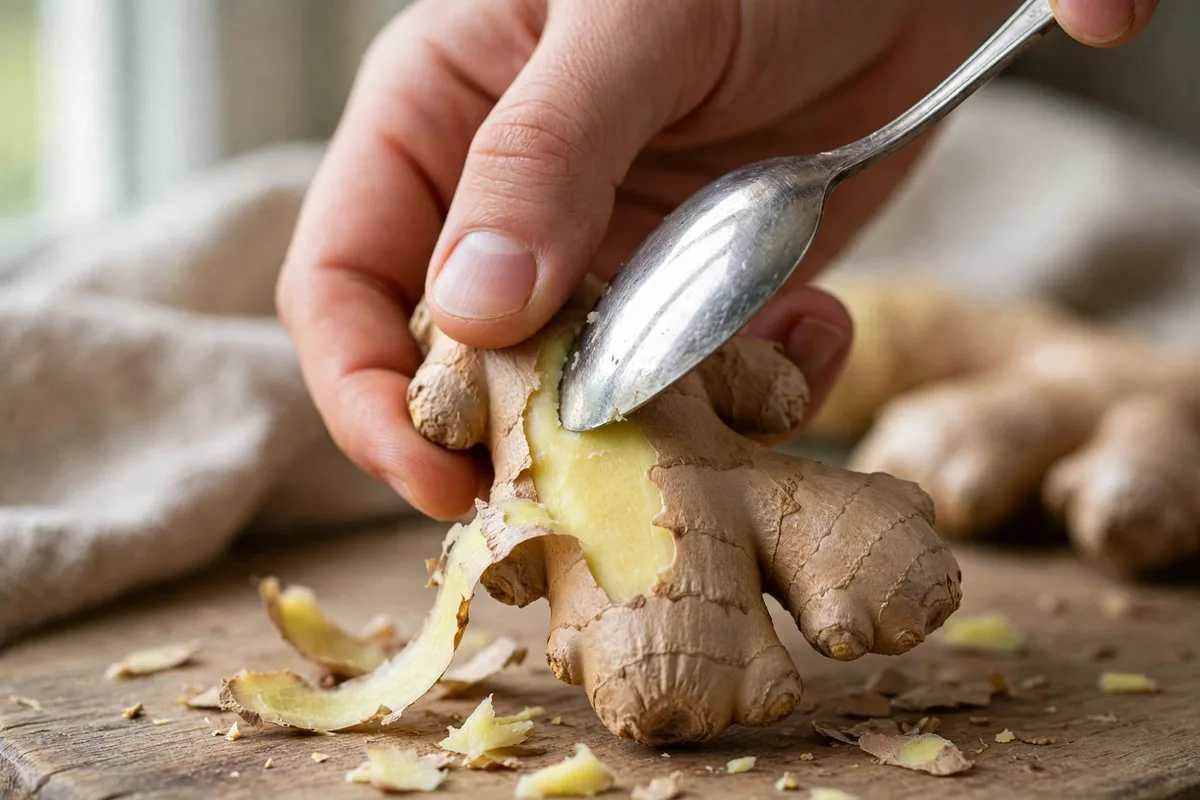
How to peel ginger without wasting it: scrape with a metal teaspoon, peel only what you need, and keep the rest of the root unpeeled in the fridge.

How to sear steak in pan for beginners: dry the steak, salt it, preheat cast iron or stainless steel, sear 3 minutes a side, rest 5 to 10 minutes.

How to slice bread evenly without crushing it: cool the loaf fully, use a long serrated knife, and let the teeth saw — never press down on the crumb.
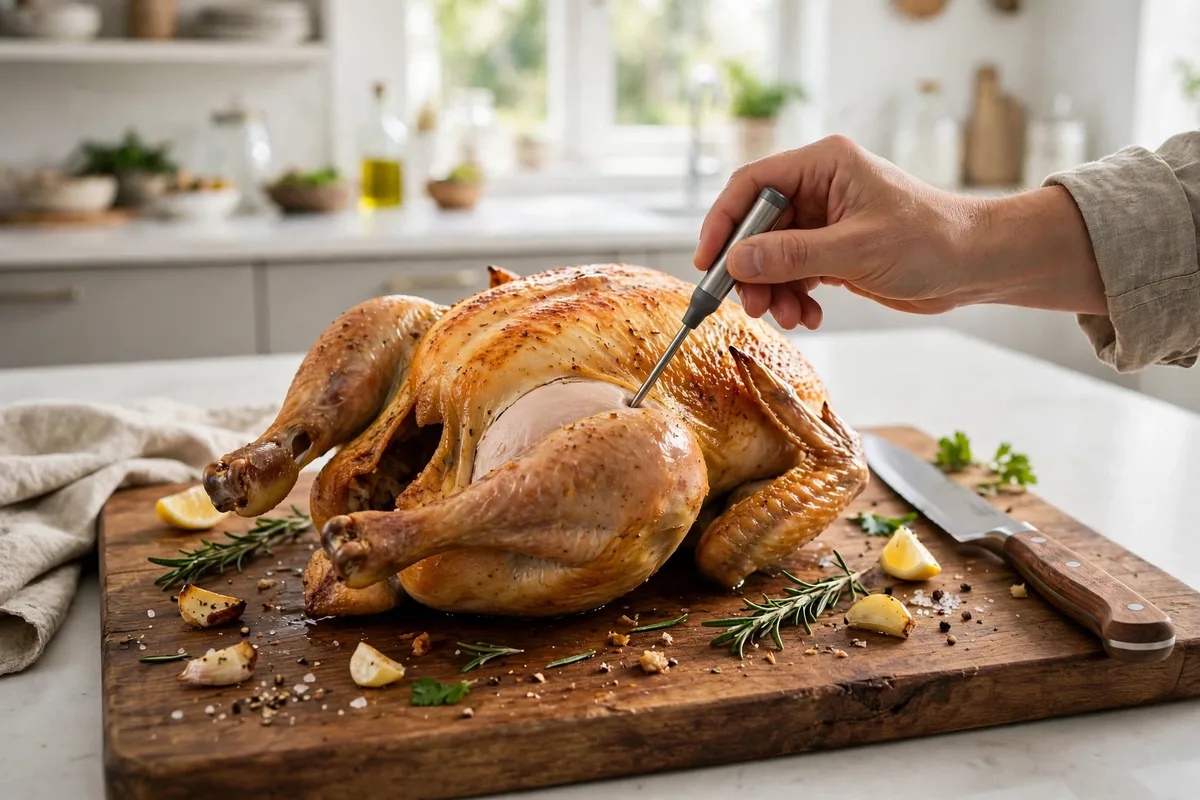
how to tell if chicken is cooked without a thermometer: clear juices, no pink at the joint, and firm flesh — plus why none of these proves it alone.

what to do if you burn yourself cooking: cool it under running water for 10 minutes, cover it loosely, and know when a burn needs a doctor.
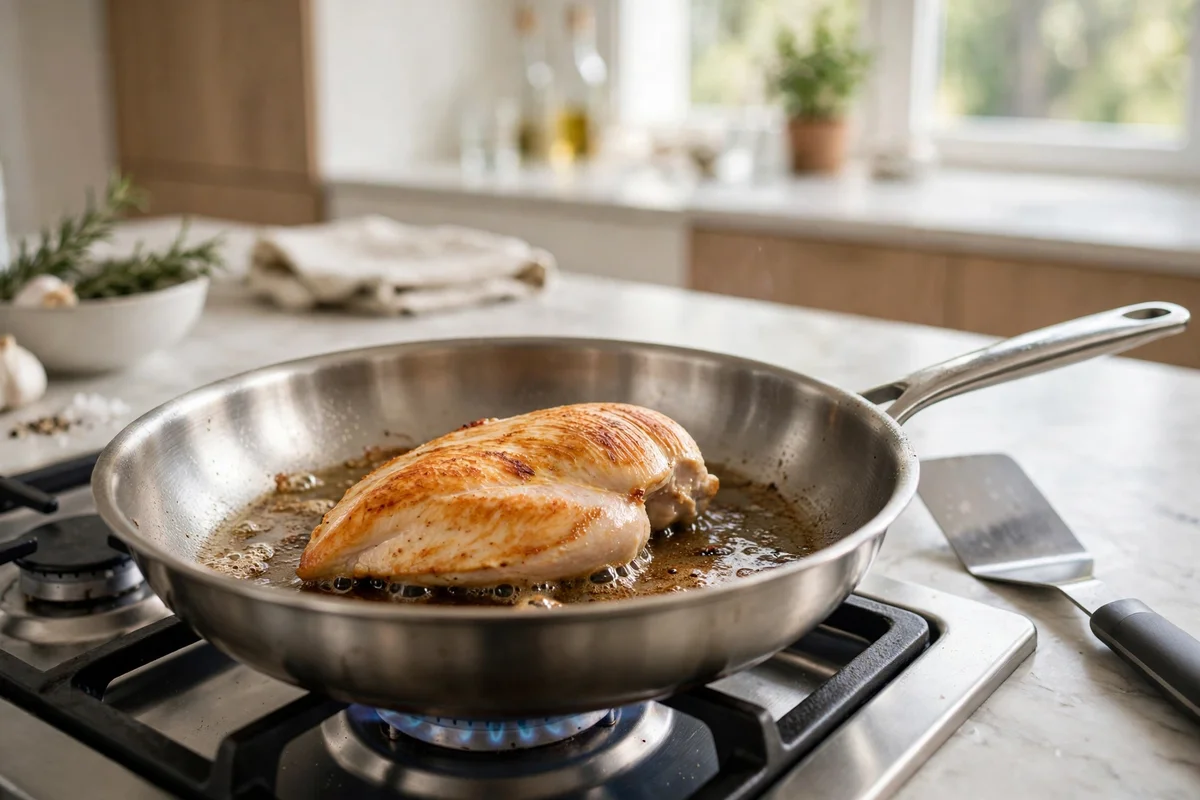
How to prevent food sticking to a stainless steel pan for beginners: preheat, wait for the oil shimmer, dry the food, and let it release itself.
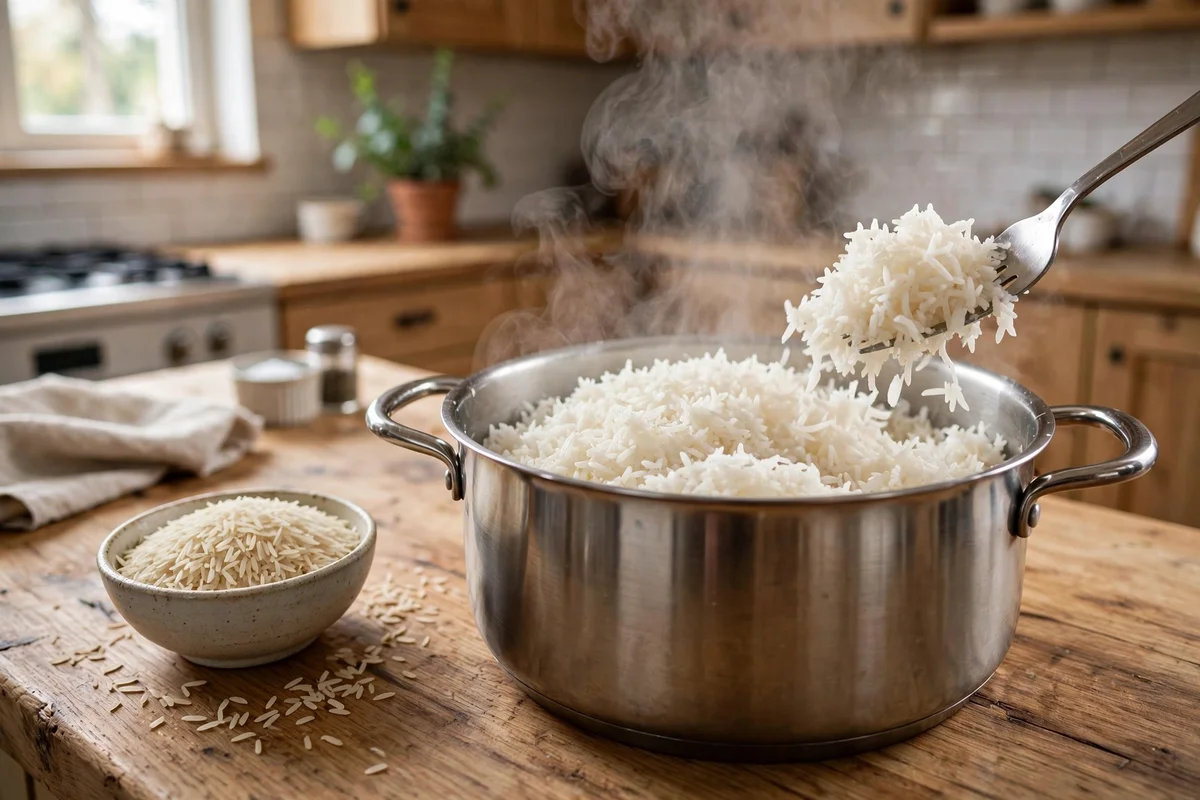
how to cook rice without sticking: rinse, measure, rest, and fluff — plus the rice-cooker method that keeps grains separate every time.

how to keep pasta from sticking: the first-2-minutes rule, sauce vs salad after draining, and the fresh-pasta fix that keeps strands separate.

how to keep avocado from browning: acid, barrier, and cold — the three-step method for halves, cut fruit, and guacamole that stays green.
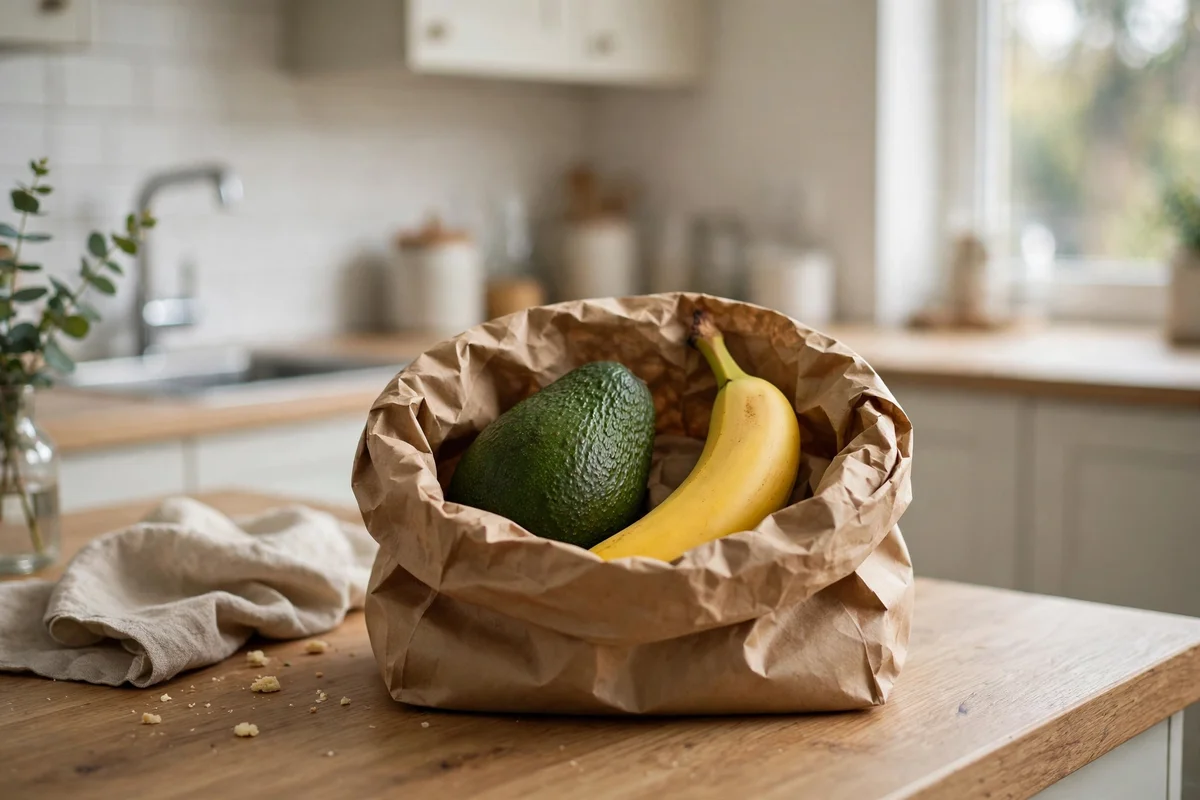
How to ripen avocado faster: a paper bag with a ripe banana or apple, daily palm-press checks, and refrigerate once ripe — no microwave tricks.

How to thaw chicken safely in the fridge: seal it on a rimmed tray on the bottom shelf, allow 24 hours per 5 pounds, and cook within 1 to 2 days.

How to season cast iron first time: check for pre-seasoning, wash and dry fully, wipe on a whisper-thin oil layer, and bake upside down.

how to cook bacon in oven without splatter: use a rack and pan, keep the fat off the bacon, and get crisp edges with no stovetop mess.
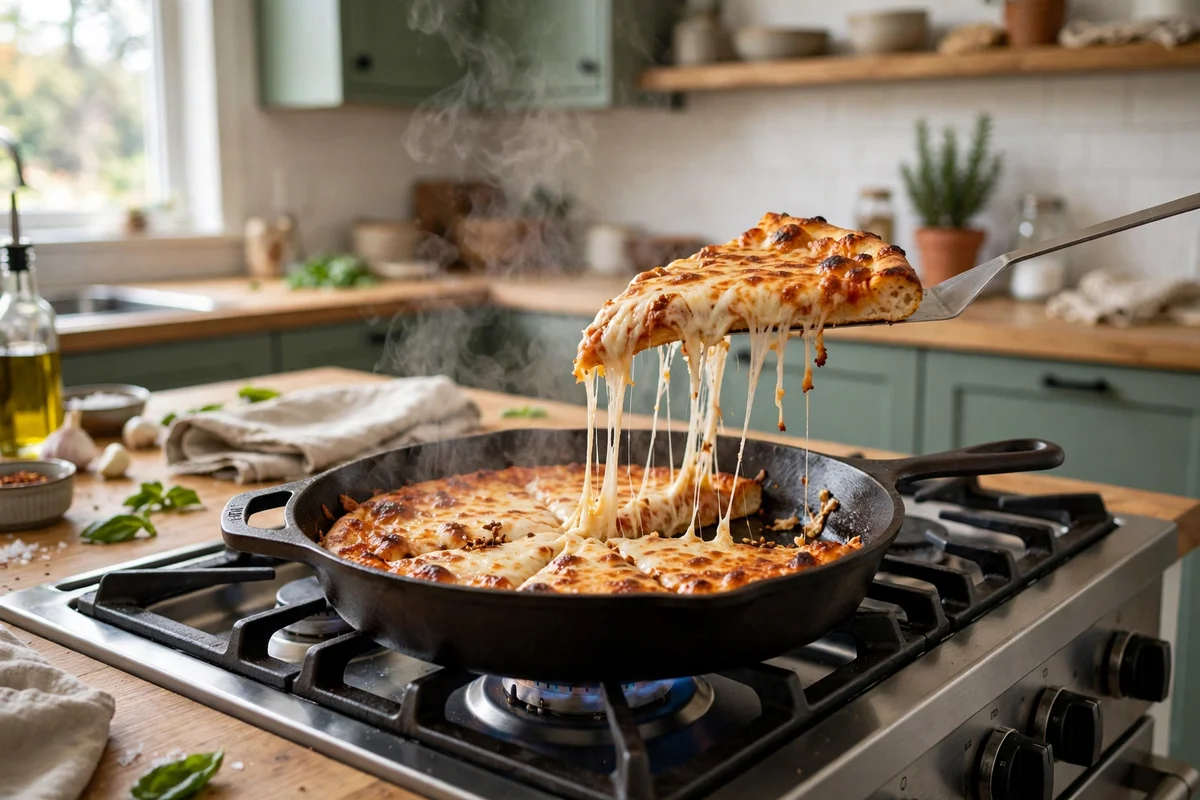
How to reheat pizza crispy: a preheated skillet for 1 to 2 slices, a tray at 375 degrees for several, or an air fryer — plus the toaster-oven steps.

How to reheat rice safely: cool it fast, refrigerate within 2 hours, use within 3 to 4 days, and reheat only once until steaming hot throughout.
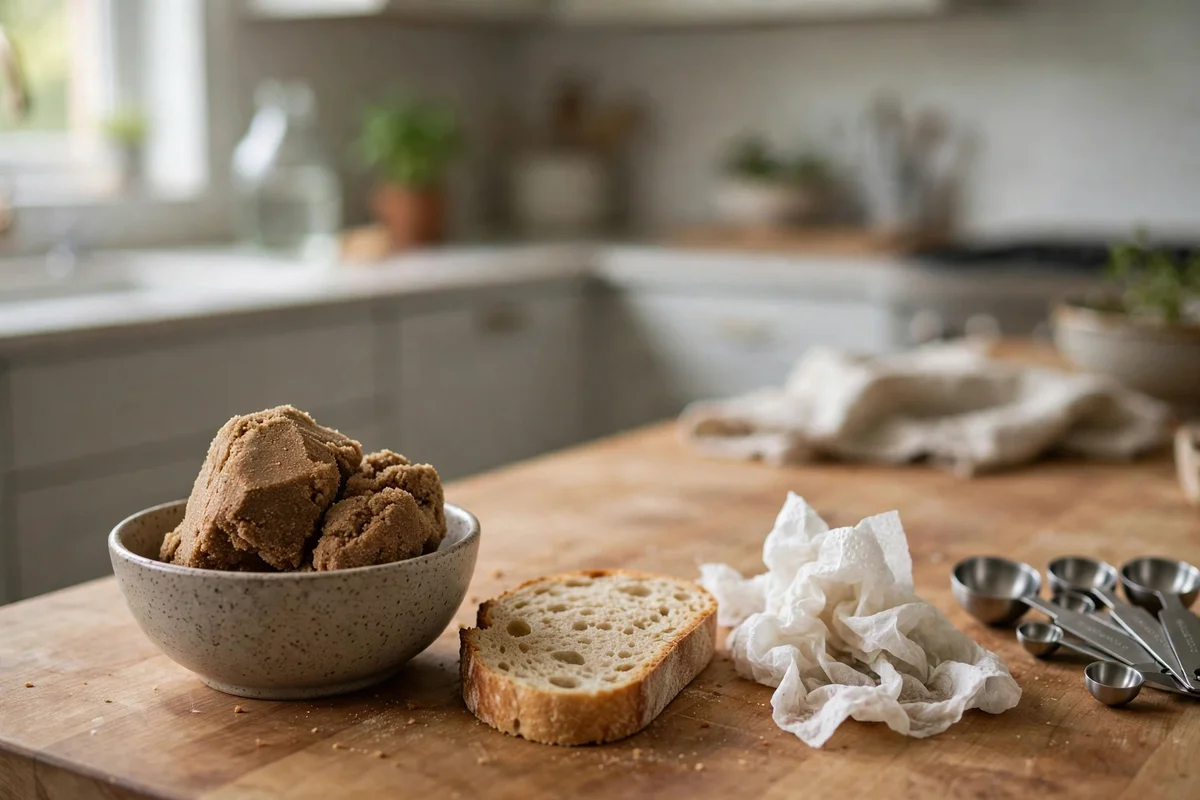
How to soften hardened brown sugar: microwave in short bursts for now, or use bread, apple, or a terra-cotta disk overnight, then store airtight.
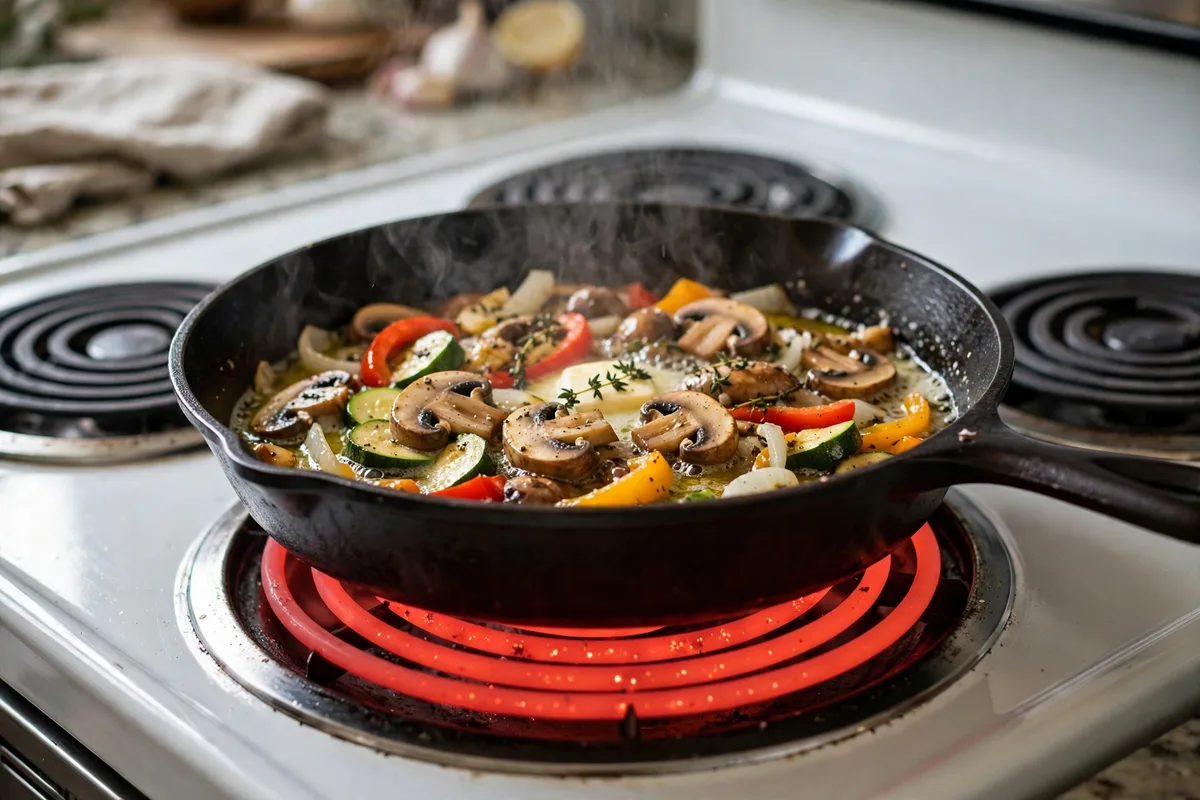
how to cook on electric coil stove without burning food: start on medium, turn the heat down early, and move the pan off the burner — coils stay hot after off.
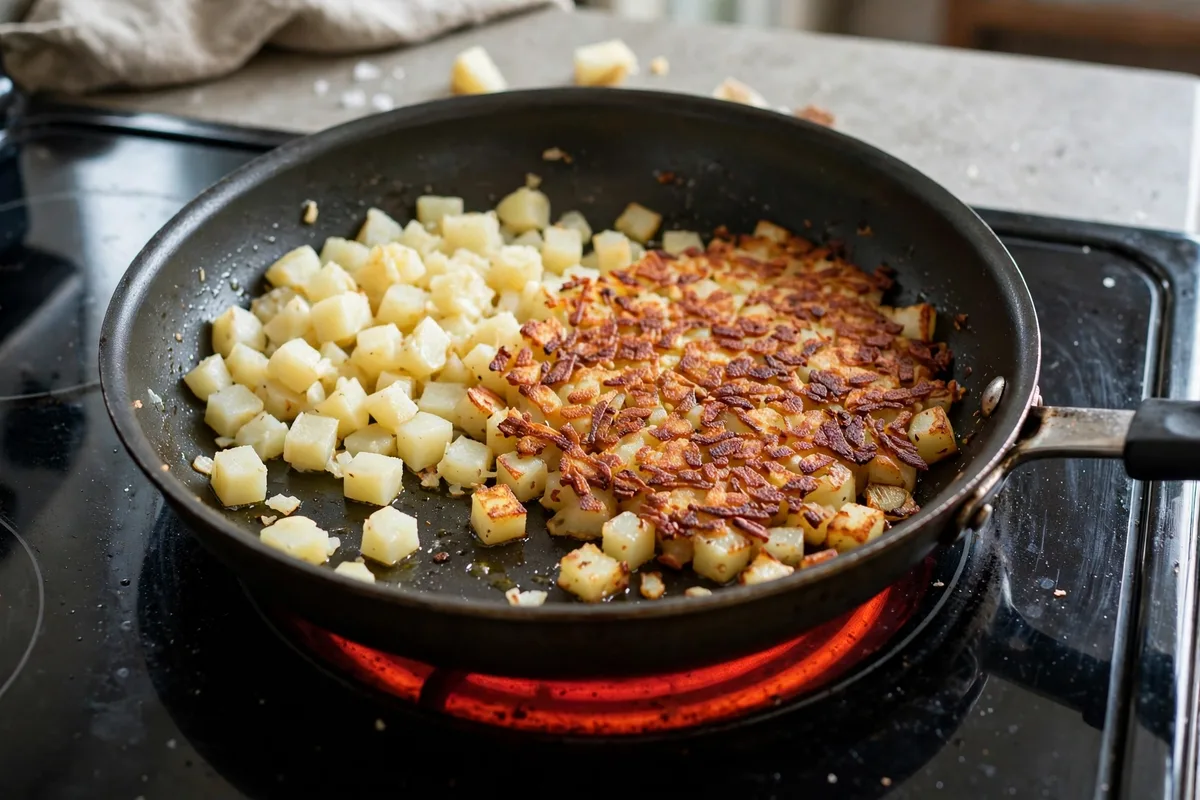
Why does my pan not heat evenly? Usually a warped pan, a wrong-size burner, or thin metal — test the pan, match the burner, and preheat slowly.
These hubs sit close to this topic: