Food Safety & Kitchen Safety
Safe thawing, leftovers, storage and cooking — the guides that keep a kitchen safe.
Browse hub →
Kitchen Guides: 293 practical how-to guides, grouped by guide topic, for every kitchen — from first setup to daily cooking.
Safe thawing, leftovers, storage and cooking — the guides that keep a kitchen safe.
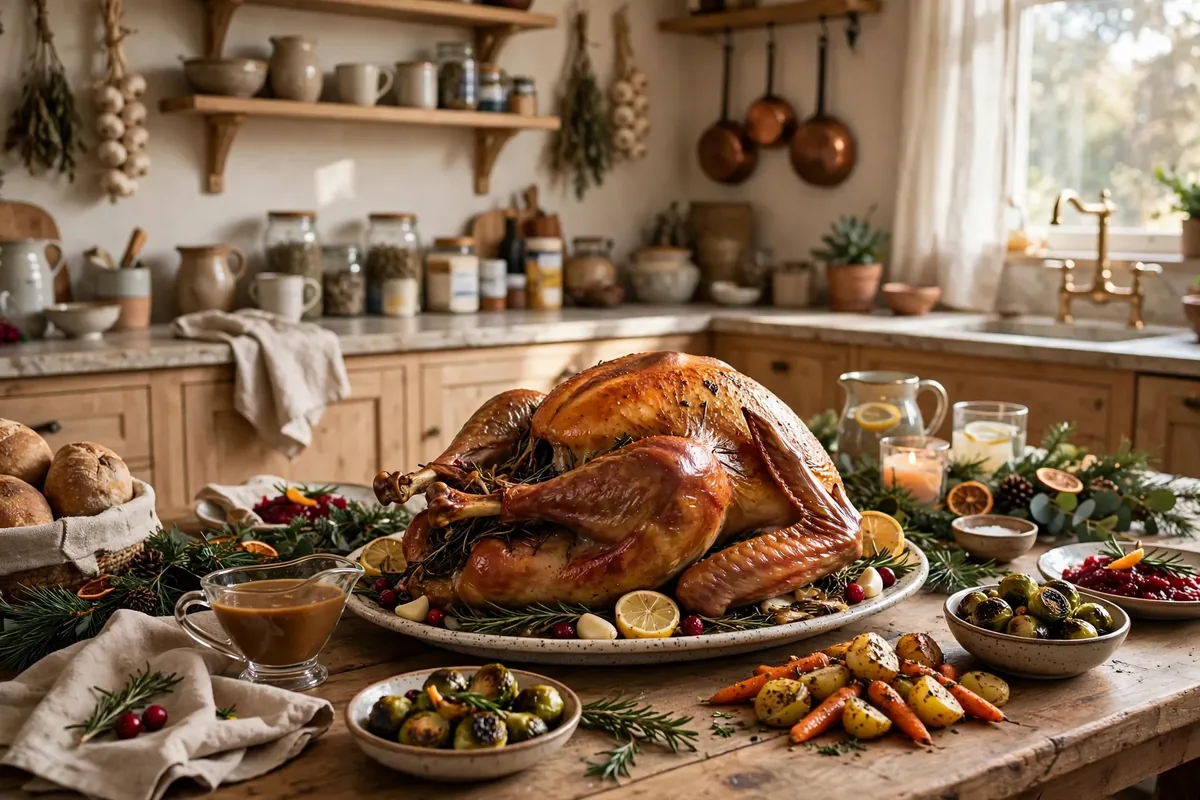
Turkey, Christmas dinner and party food — timings first, guides next.
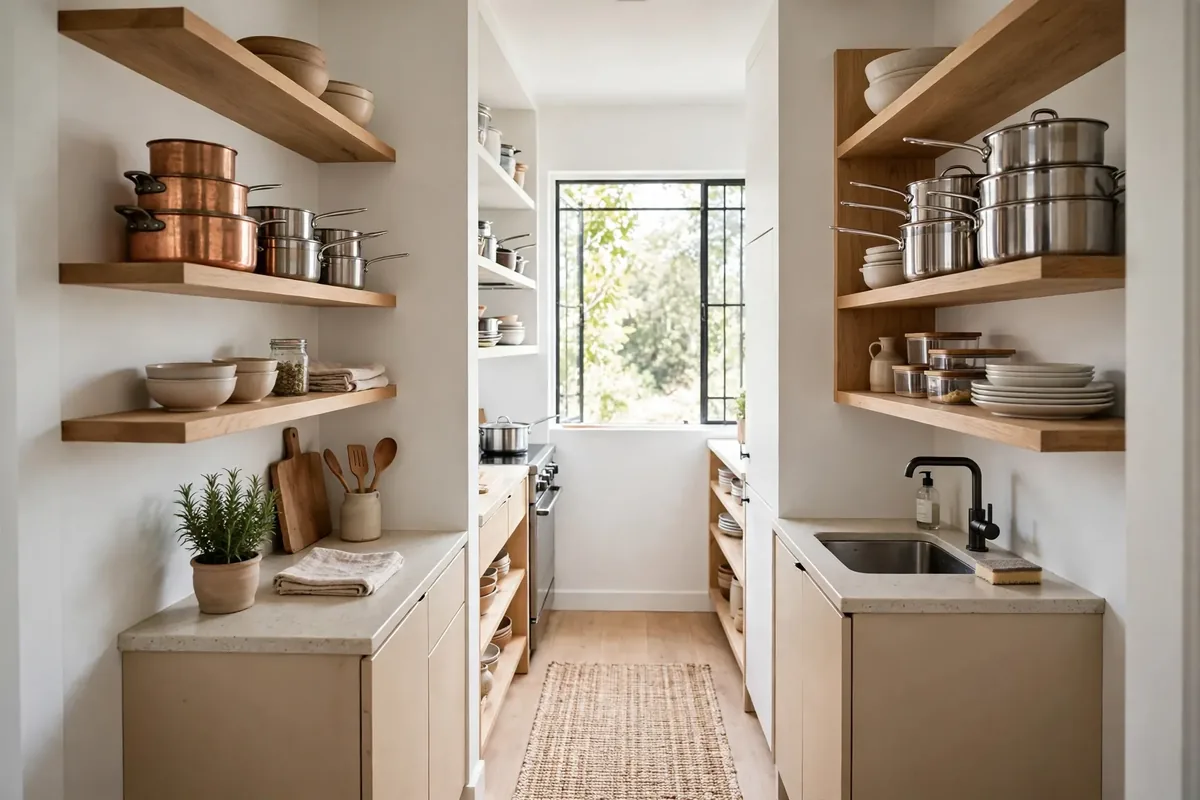
First apartments, rentals and tiny counters — living well in a small kitchen.
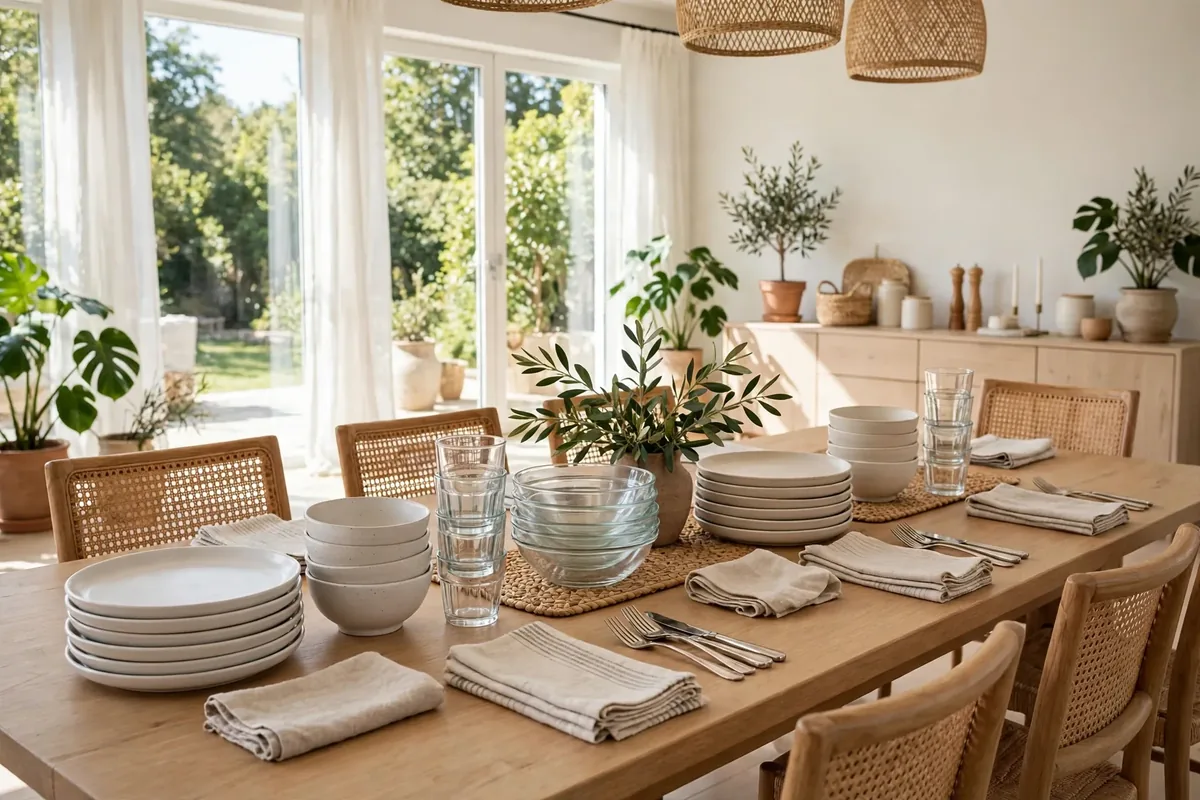
Choosing, storing and caring for dinnerware — and setting the table.
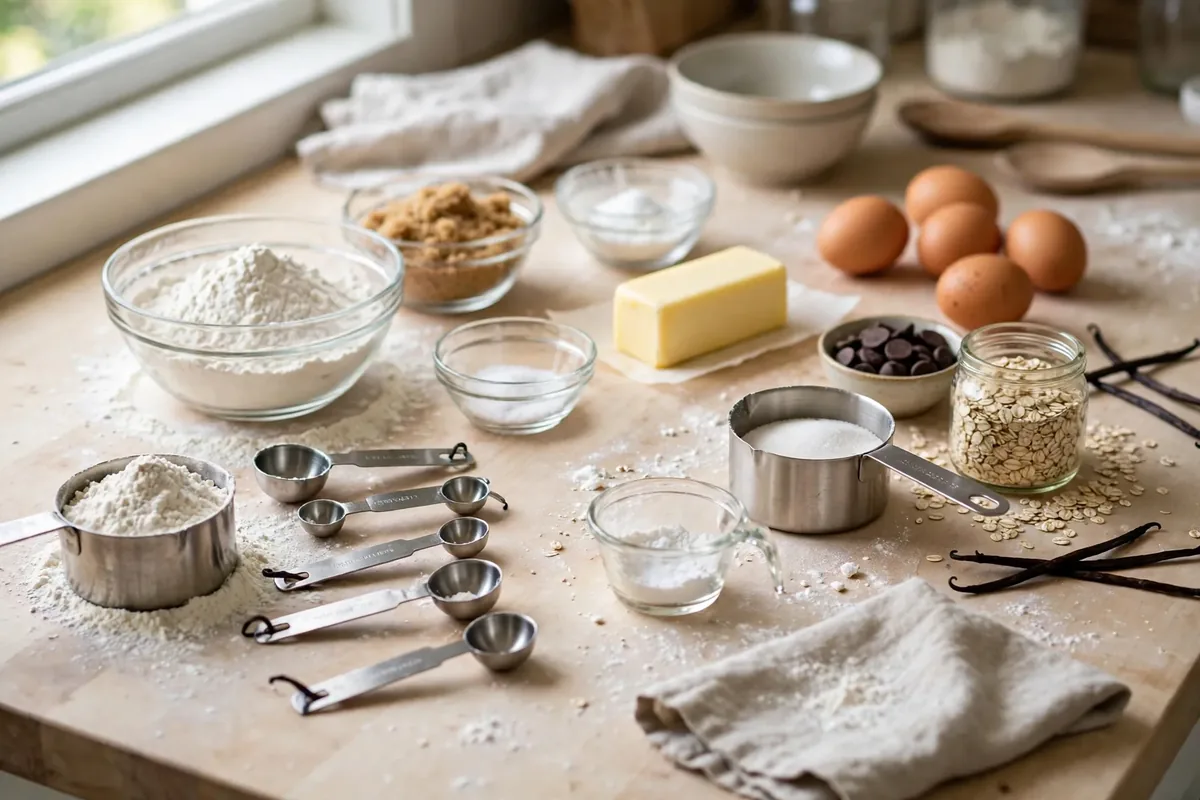
Measuring, converting and scaling — technique guides plus the calculators.
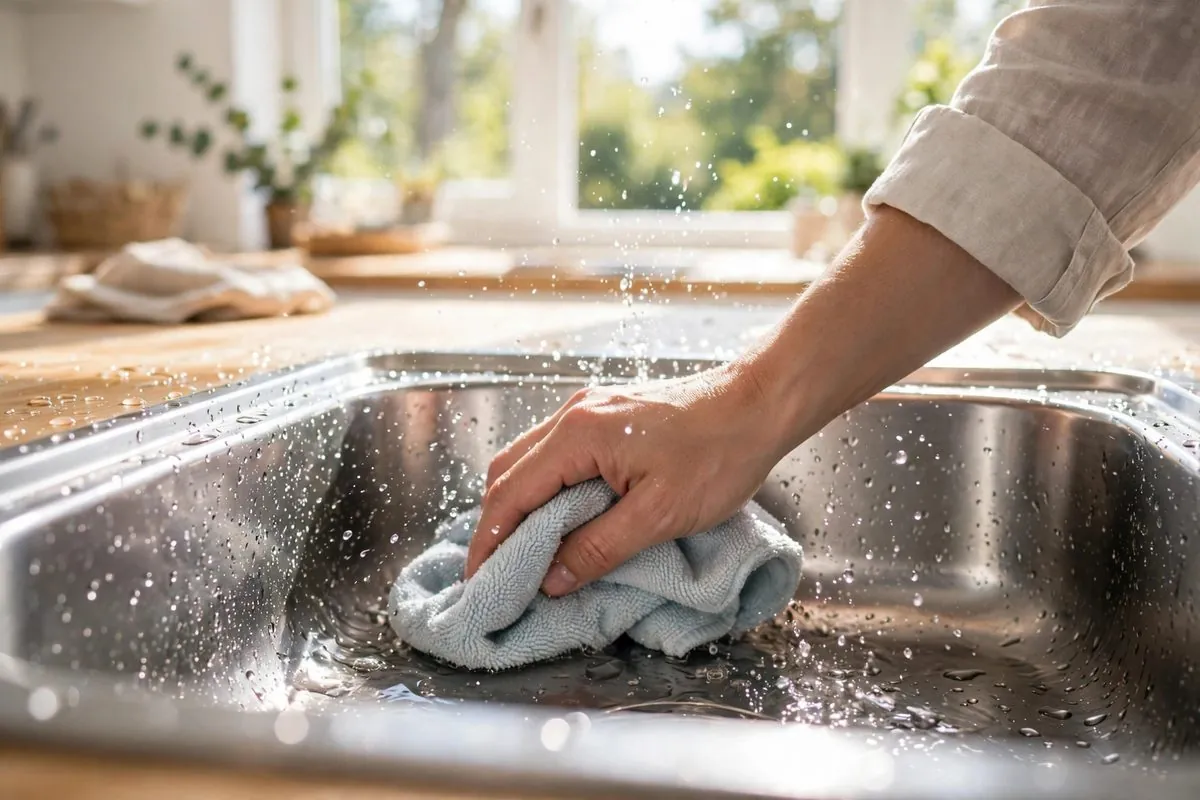
How to clean a stainless steel sink without scratching: find the grain, use a baking-soda paste, avoid steel wool.

How to Clean Greasy Kitchen Cabinets Without Damaging the Finish: a finish-first method for wood, laminate and painted cabinets.

How to clean stubborn kitchen grease naturally without harsh chemicals, with a timed worked example, a surface table, and the vinegar myth corrected.

How to wash microfiber cloths so they stay absorbent: kitchen-only care, a softener rescue, job sorting, and a simple absorbency test.

How to clean range hood grease filter safely: identify mesh, baffle or charcoal, soak the metal filter and replace charcoal, not wash it.
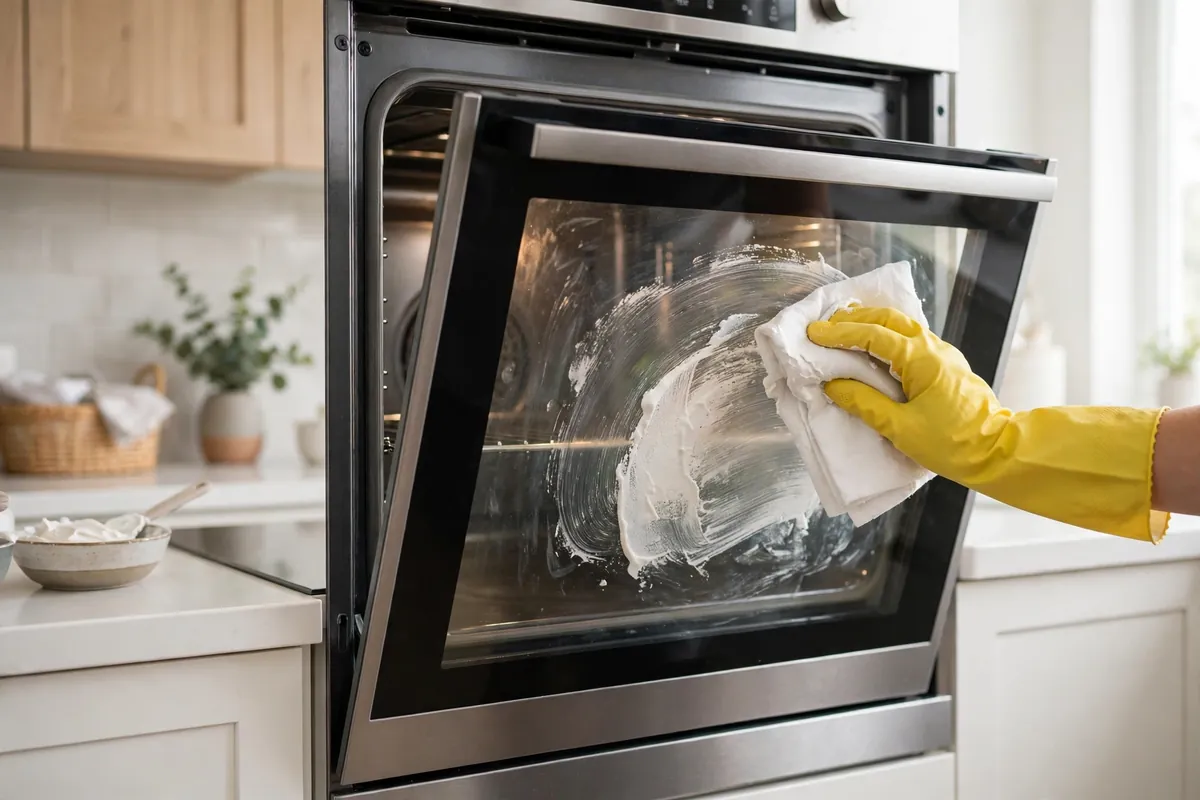
How to clean inside oven door glass with a baking soda paste only: cool the oven, spread the paste, wipe and rinse, no door removal needed.
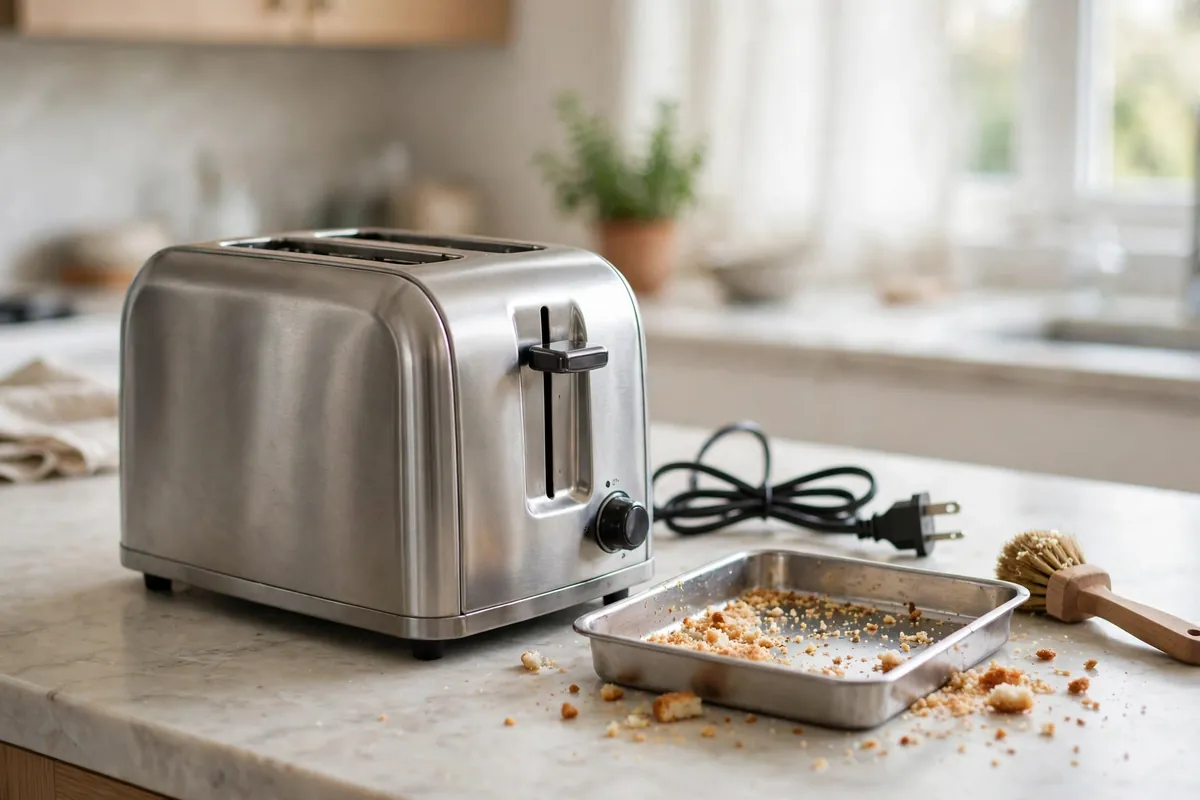
How to clean toaster crumbs and crumb tray safely: unplug and cool a 2-slice pop-up toaster, empty the tray, shake out crumbs, free stuck bits.

How to clean a glass stovetop without scratching it: daily wipe, baking soda soak, and a low-angle scraper for burnt sugar and milk spills.

How to clean microwave splatter and burnt smell inside: steam with vinegar and lemon, wipe the cavity, then clear burnt-popcorn smell overnight.
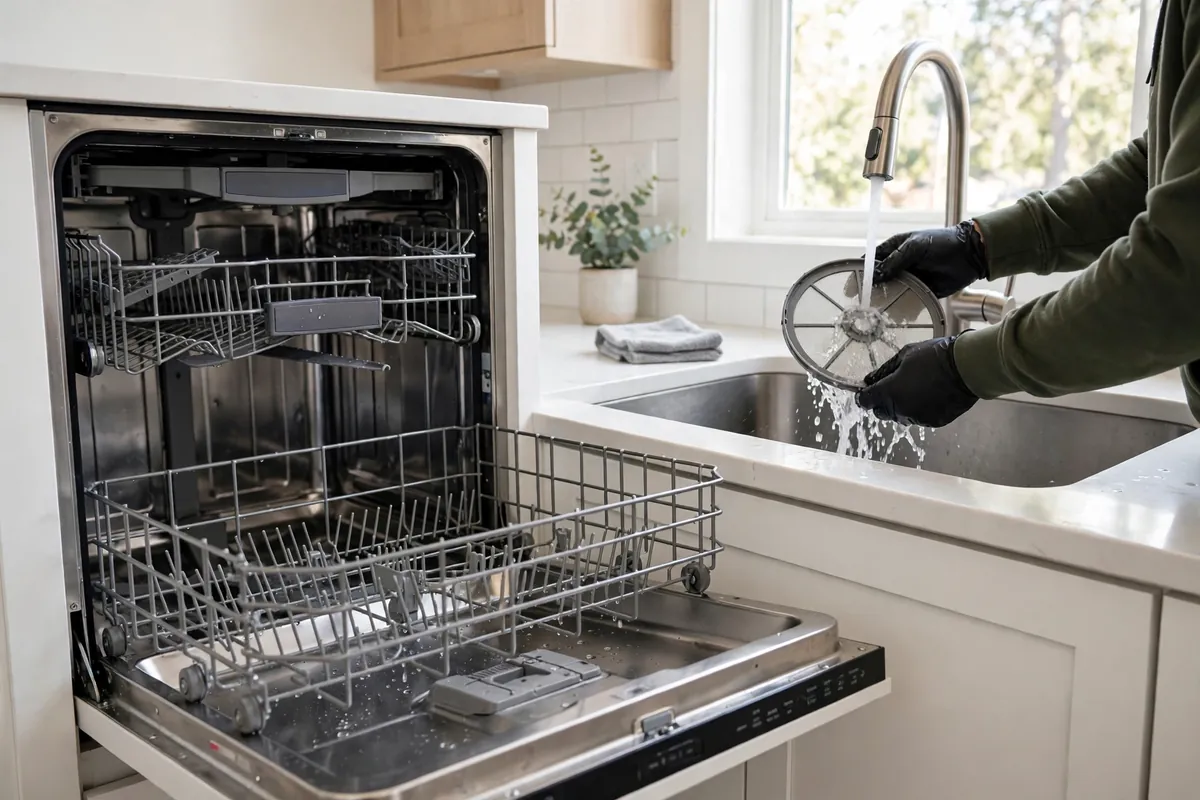
How to clean a dishwasher filter in about 10 minutes: tell a manual filter from a self-cleaning one, rinse, brush, refit and lock it.
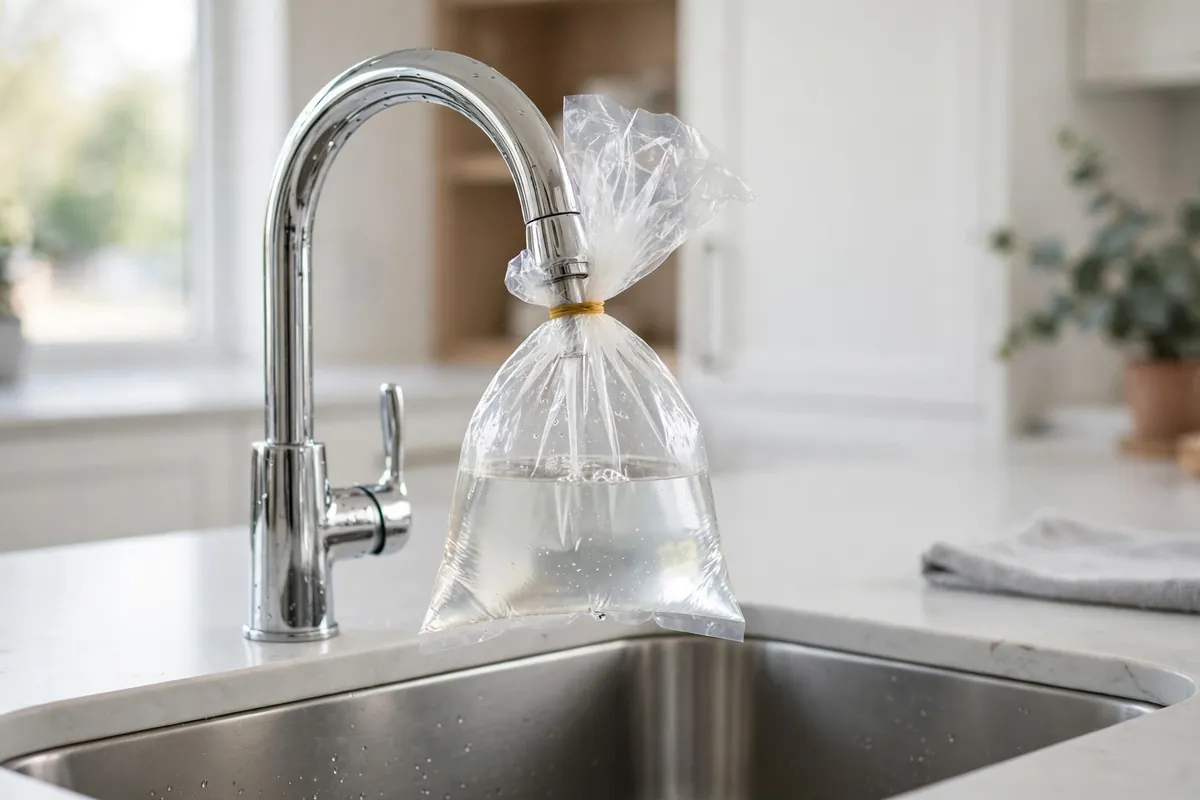
How to remove limescale from a kitchen faucet: bag-soak the spout and aerator on chrome and stainless steel, then rinse, dry, and polish.
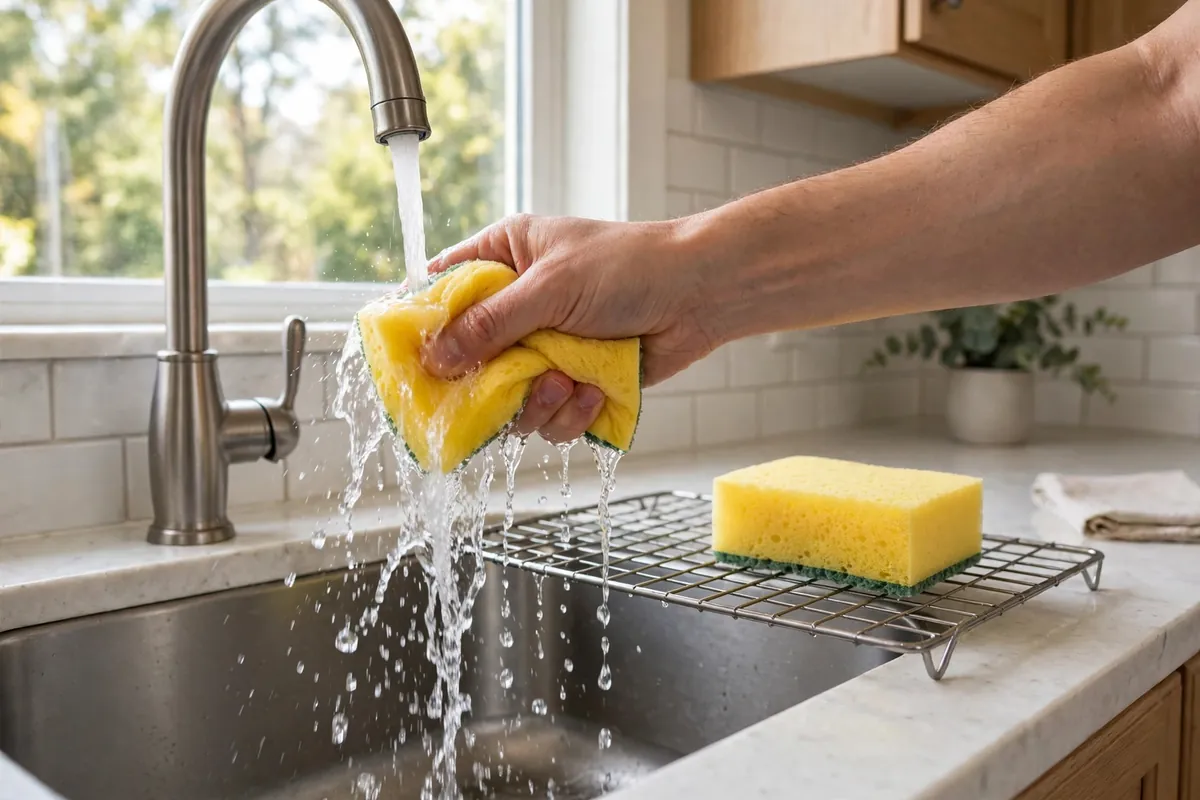
How to clean a kitchen sponge and when to replace it: daily rinse and dry routine, weekly cleaning steps, and clear replacement signs to watch for.
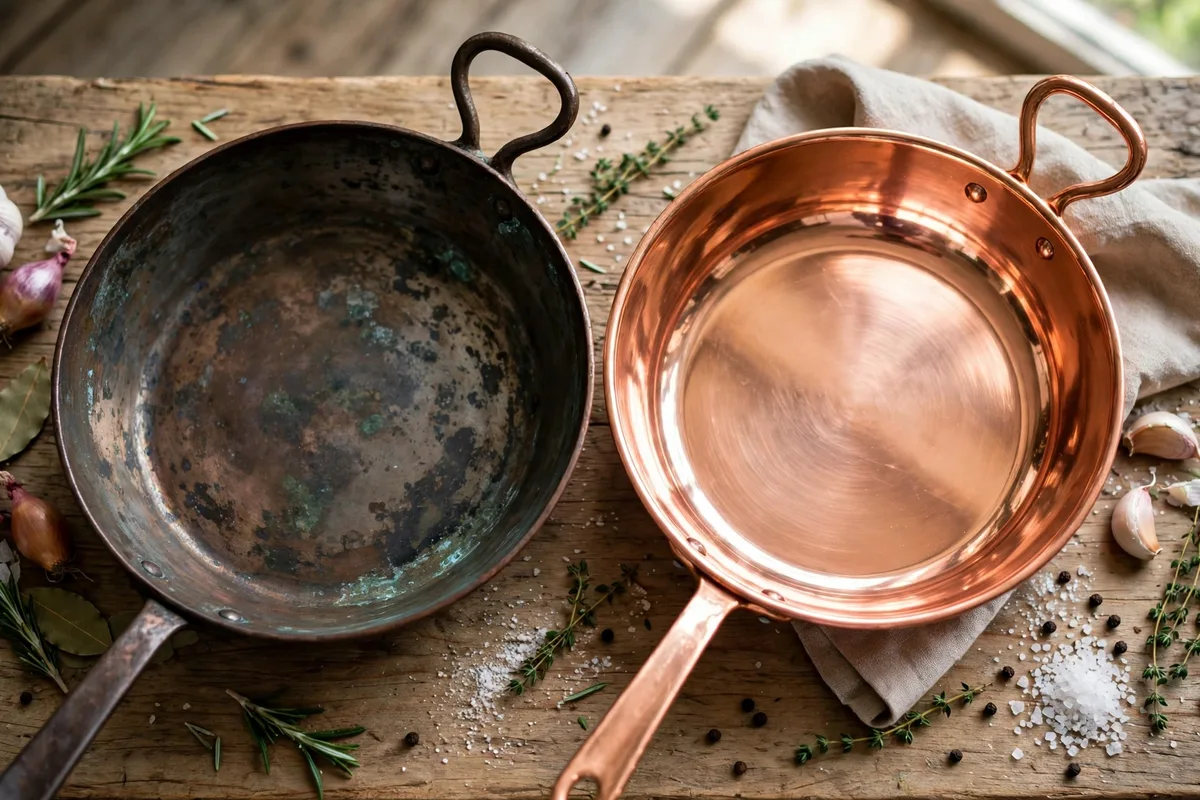
How to clean copper pan without damaging it: check for lacquer, then use lemon and salt on the outside only — never steel wool, bleach, or the dishwasher.
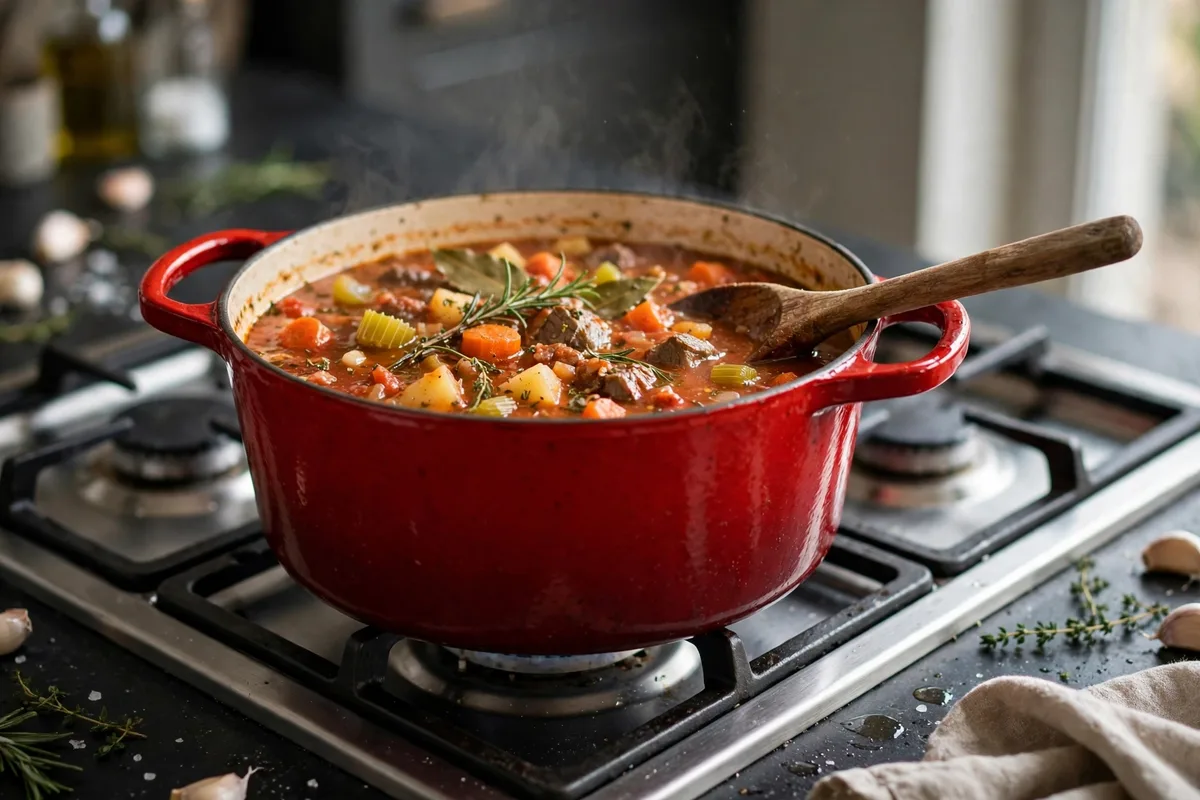
How to clean enamelled cast iron pot: let it cool, wash with warm soapy water, simmer baking soda water for stuck food — no steel wool, no cold water.

How to clean freezer without defrosting mess: empty it into a cooler, wipe with equal parts vinegar and warm water, dry it, and reload in about 30 minutes.
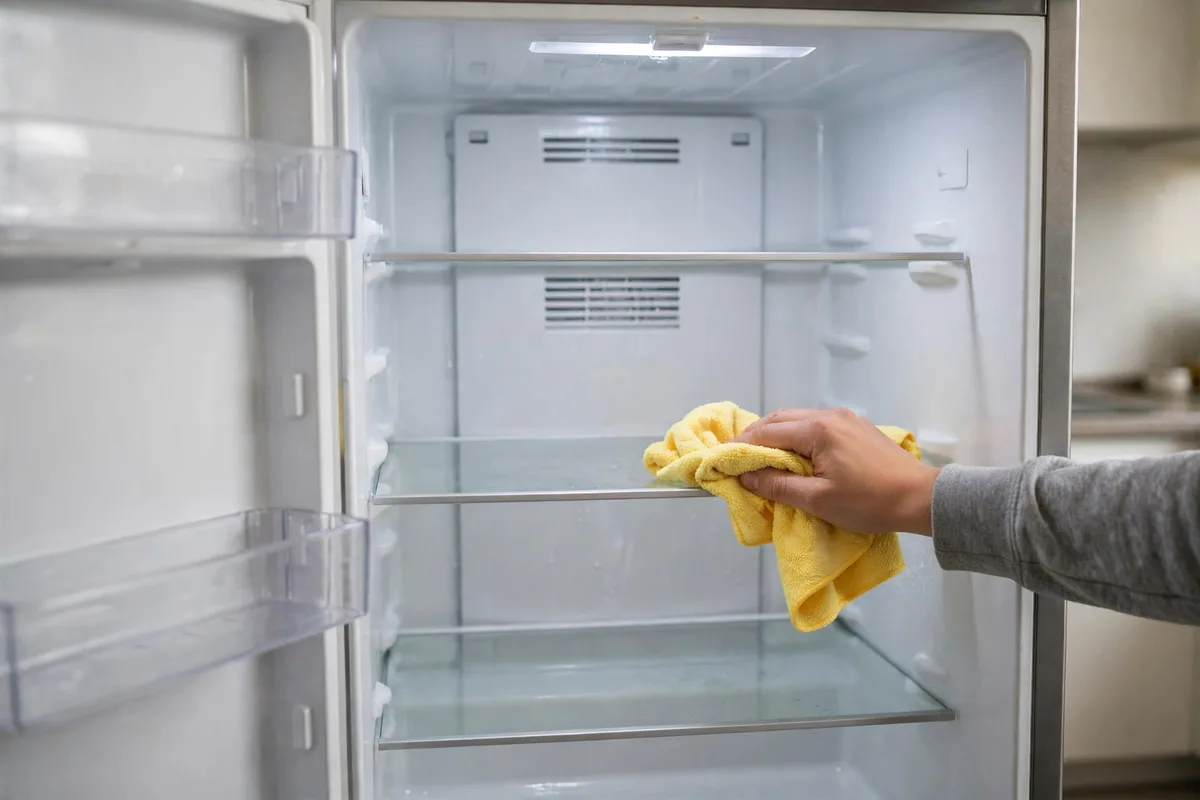
How to clean fridge inside: empty it, wash the shelves, wipe top to bottom with soapy water or baking soda, and check the temperature before restocking.
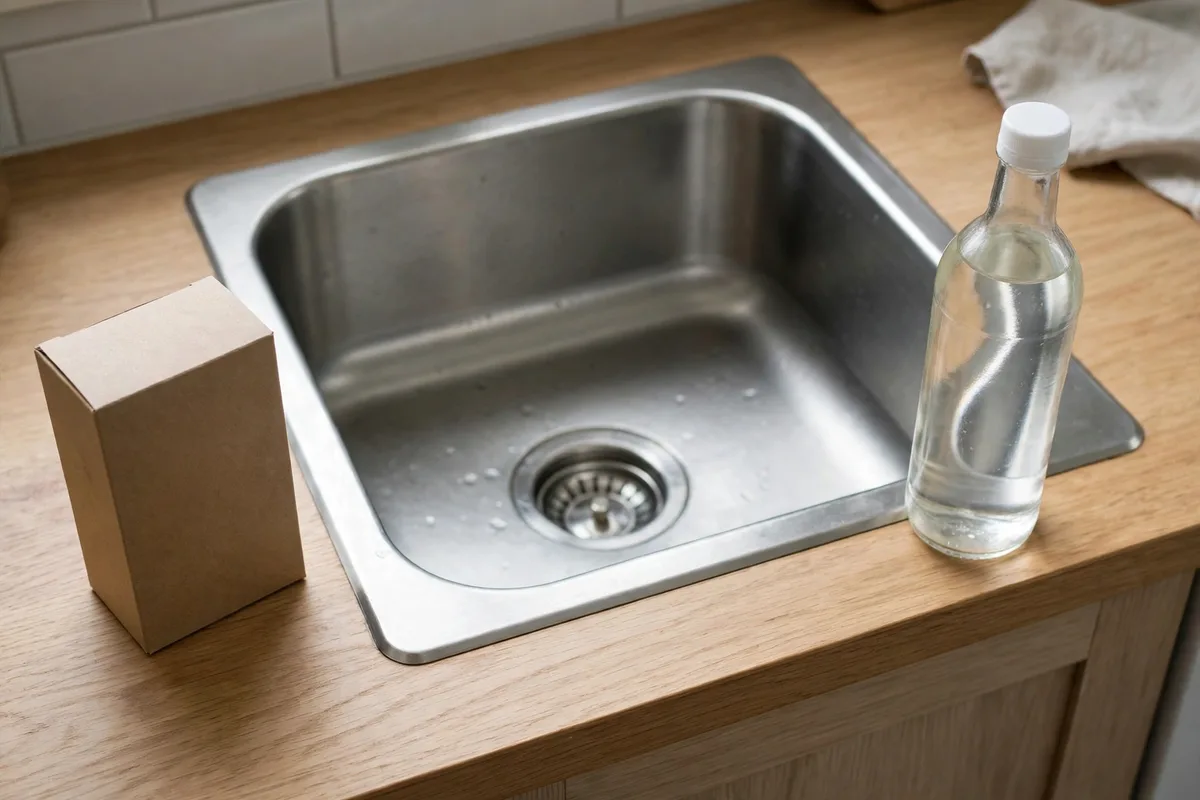
How to clean kitchen sink drain without harsh chemicals: baking soda and vinegar for smells, a plunger for slow drains, and hot water for grease.
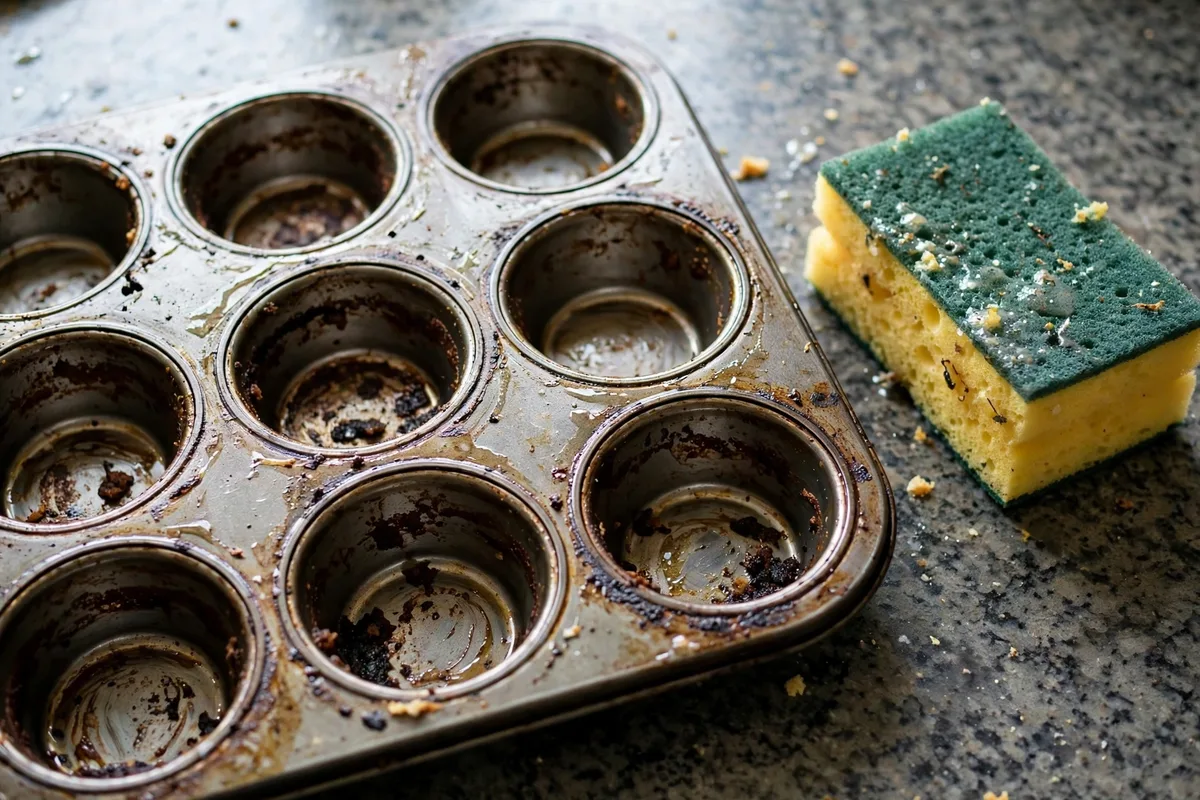
How to clean muffin tin without scrubbing: soak it in hot soapy water, then bake a baking soda soak at 350°F — grease lifts off with a soft sponge.
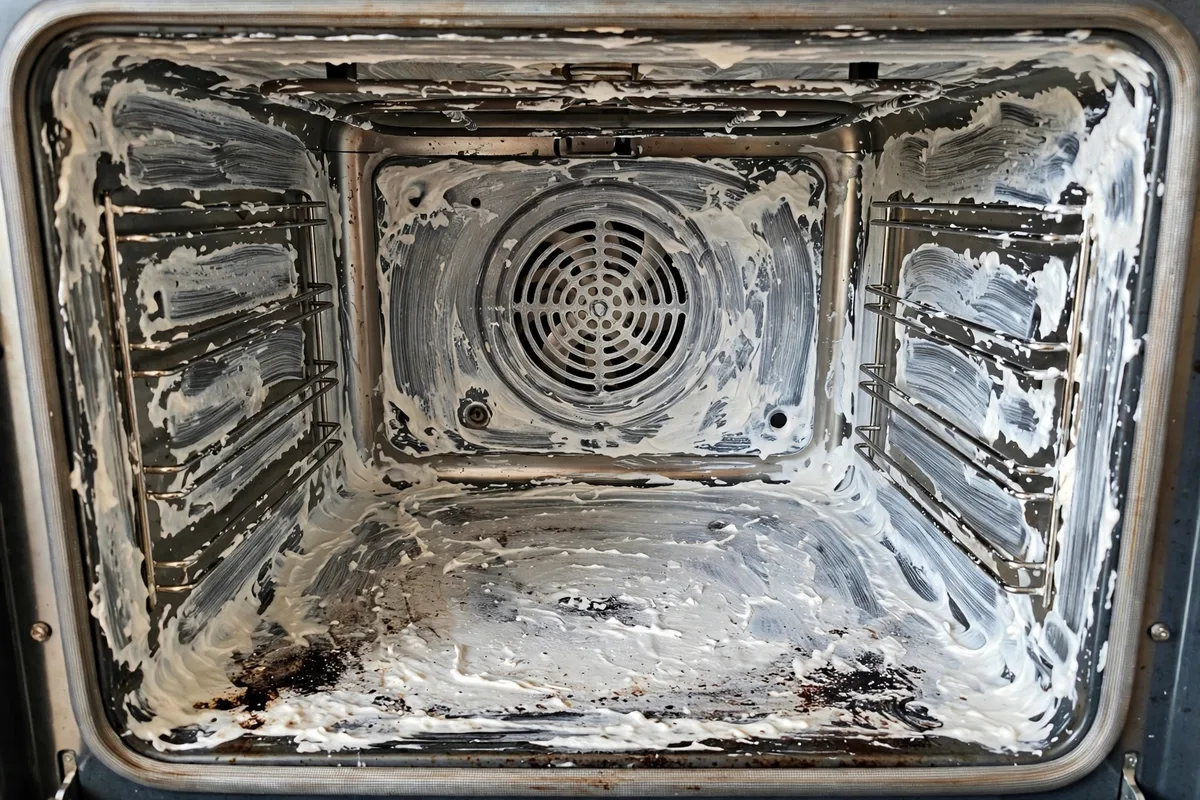
How to clean oven without harsh chemicals: baking soda paste overnight, a vinegar spray to finish, and racks soaked separately — no fumes, no scrubbing.
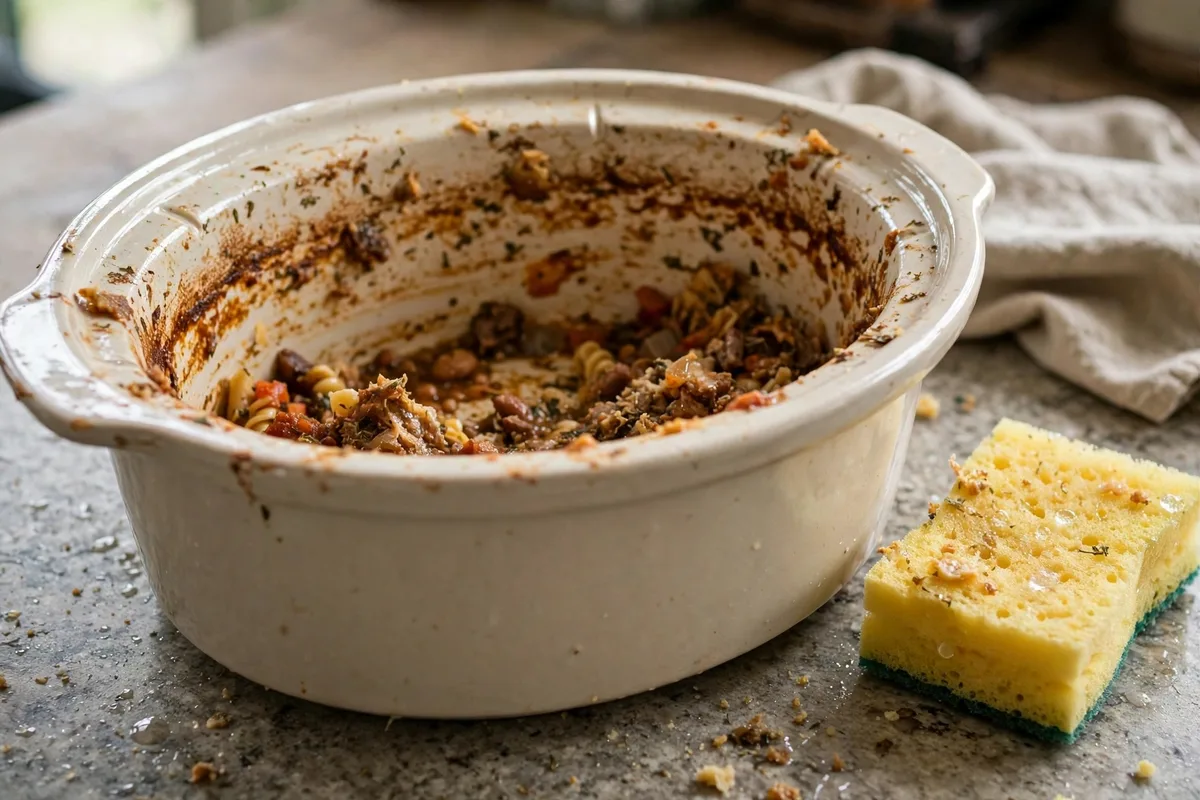
How to clean slow cooker crock without soaking: fill with water, vinegar and baking soda, run on LOW for 1 hour, then wash — no scrubbing, no cracked crock.
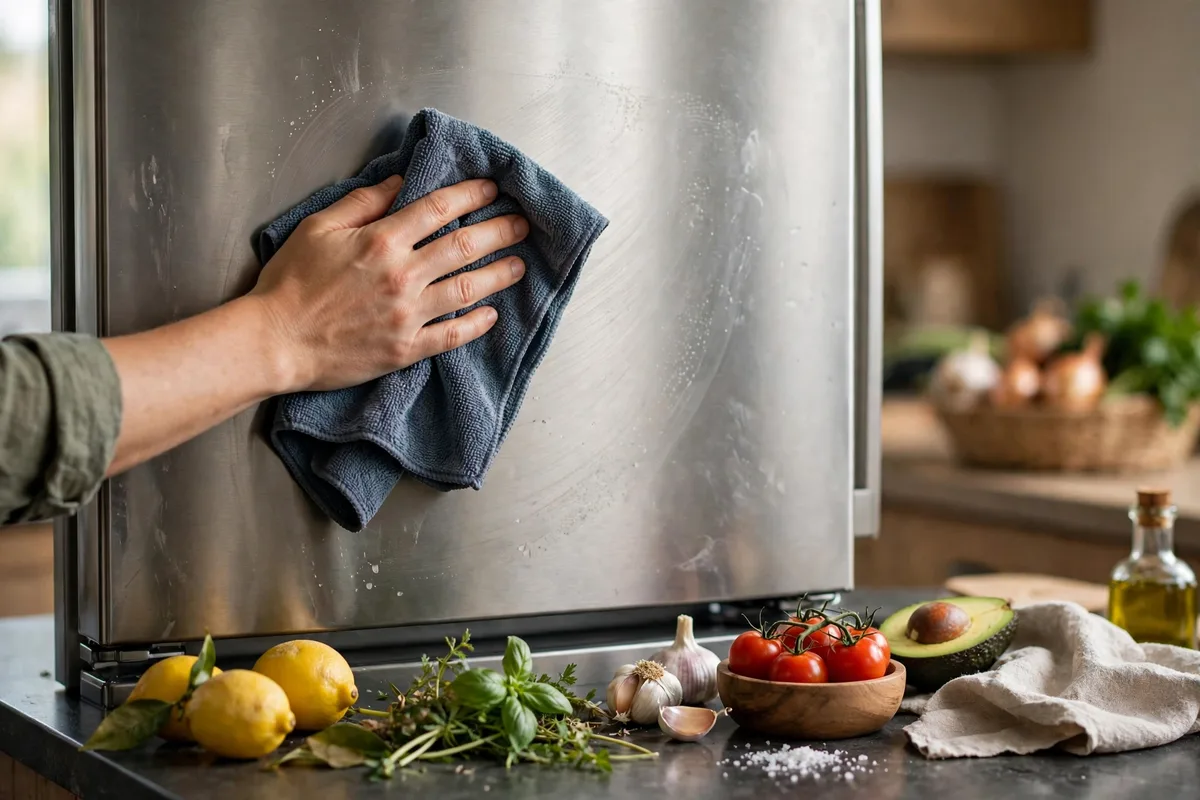
How to clean stainless steel appliances without streaks: wash with the grain in warm soapy water, rinse, then buff dry with a clean microfiber cloth.
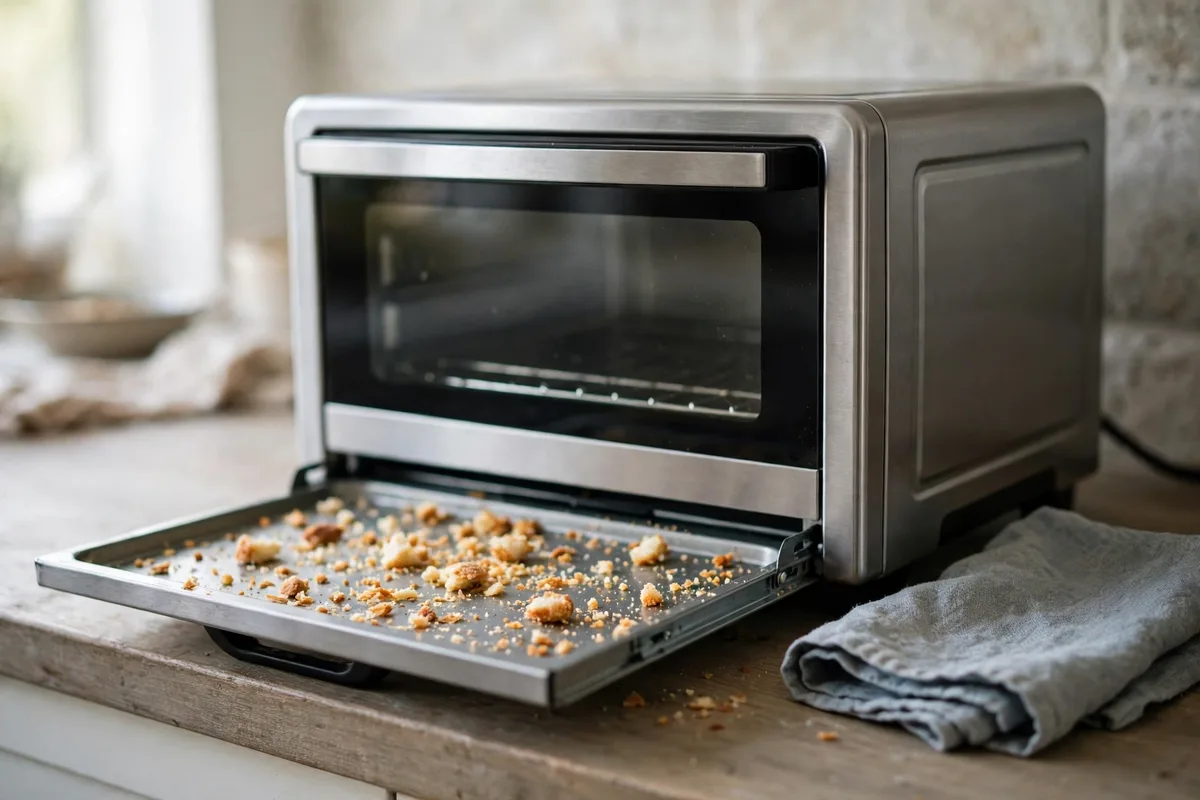
How to clean toaster oven: unplug, cool, wipe inside with vinegar water, paste baking soda on grease, soak the tray — never spray inside or wet the elements.

How to defrost freezer quickly without damaging it: unplug, move food to coolers, use hot water bowls and a fan — never knives or a hair dryer.

How to remove bad smell from fridge: find the source, clean with baking soda water, air it out, and add an absorber — no source, no smell.

How to clean a burnt stainless steel pan without scratching: soak, simmer, baking-soda paste, and what never to use.

How to clean a burnt baking sheet without scratching: baking-soda paste and vinegar soak, nonstick vs aluminum.

How to clean a garlic press properly: immediate rinse vs dried-on pulp, brush and hinge cleaning, smell removal.
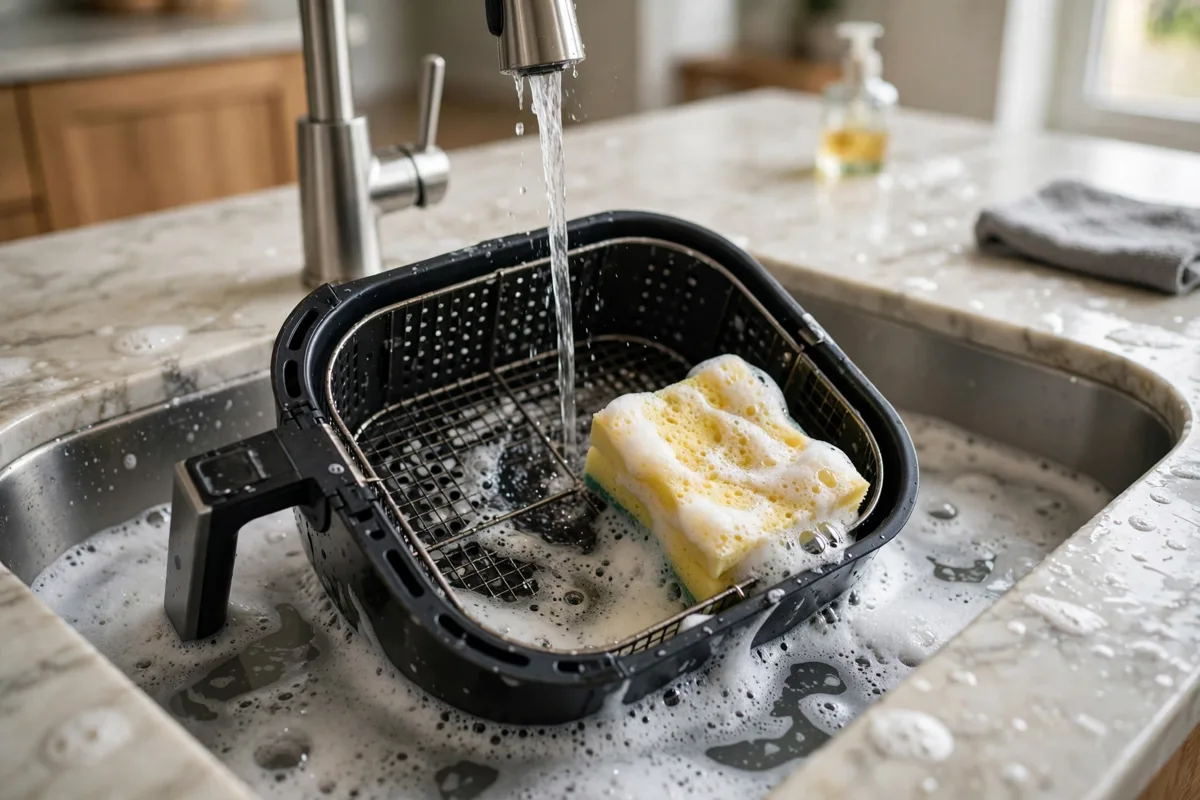
How to clean an air fryer basket without damaging the coating: residue-level methods, exact soak limits, tools to avoid, and a full worked example.

How to clean a blender properly without smell for beginners: find the smell source first, clean safely, dry with the lid off, and prevent it returning.
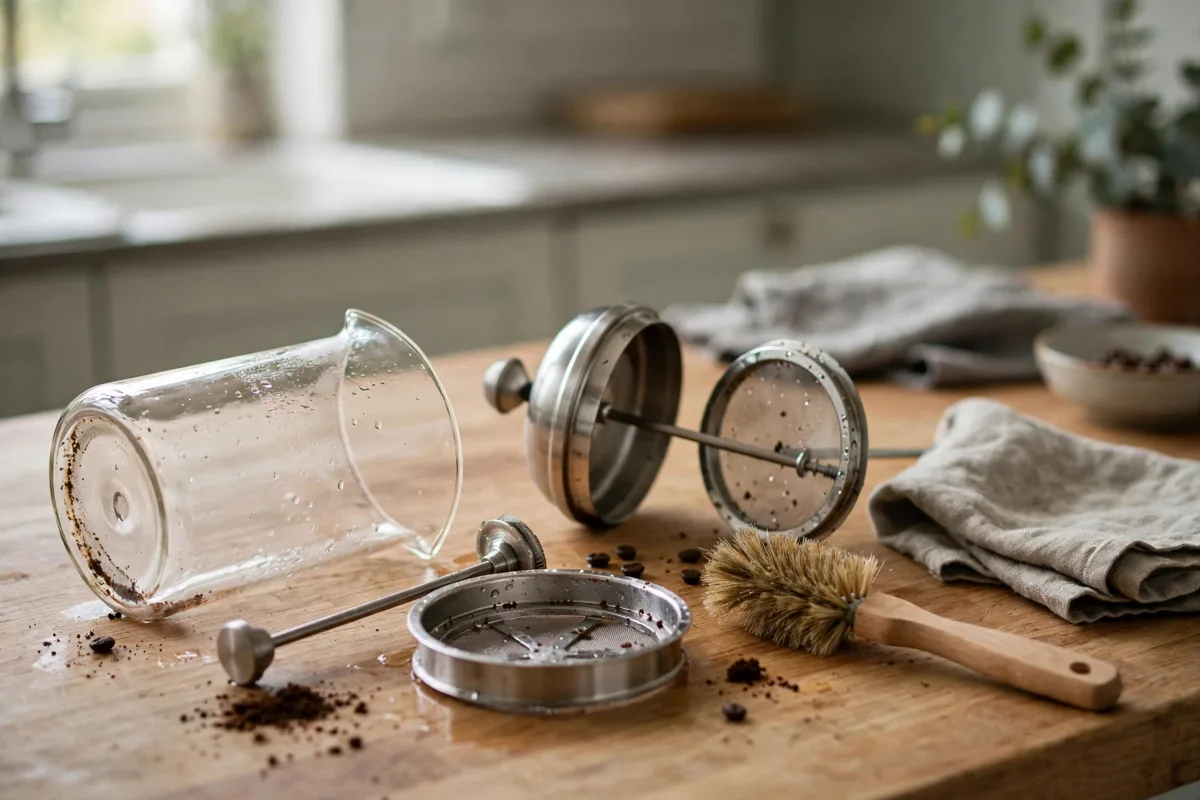
How to clean a French press coffee maker properly: daily 2-minute clean vs weekly deep clean, hand vs dishwasher, filter reassembly and fixes.
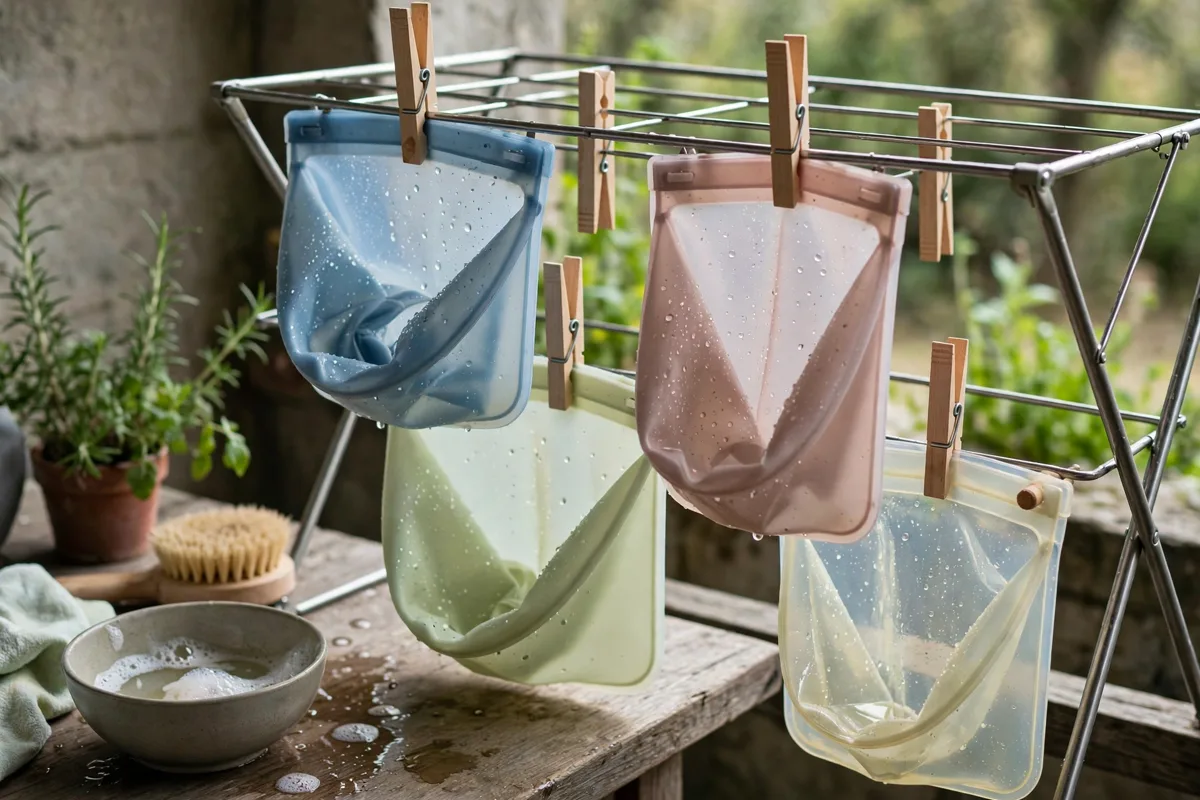
How to Clean Silicone Food Storage Bags to Remove Smell: soaking, inside-out washing, drying, and odor prevention steps.

How to descale an electric kettle with vinegar for beginners: a safe, simple routine for chalky buildup, slow boiling, and cleaner-tasting water.

How to Clean and Care for Stoneware Dinnerware: gentle daily washing, stain care, and habits that keep stoneware looking good for years.
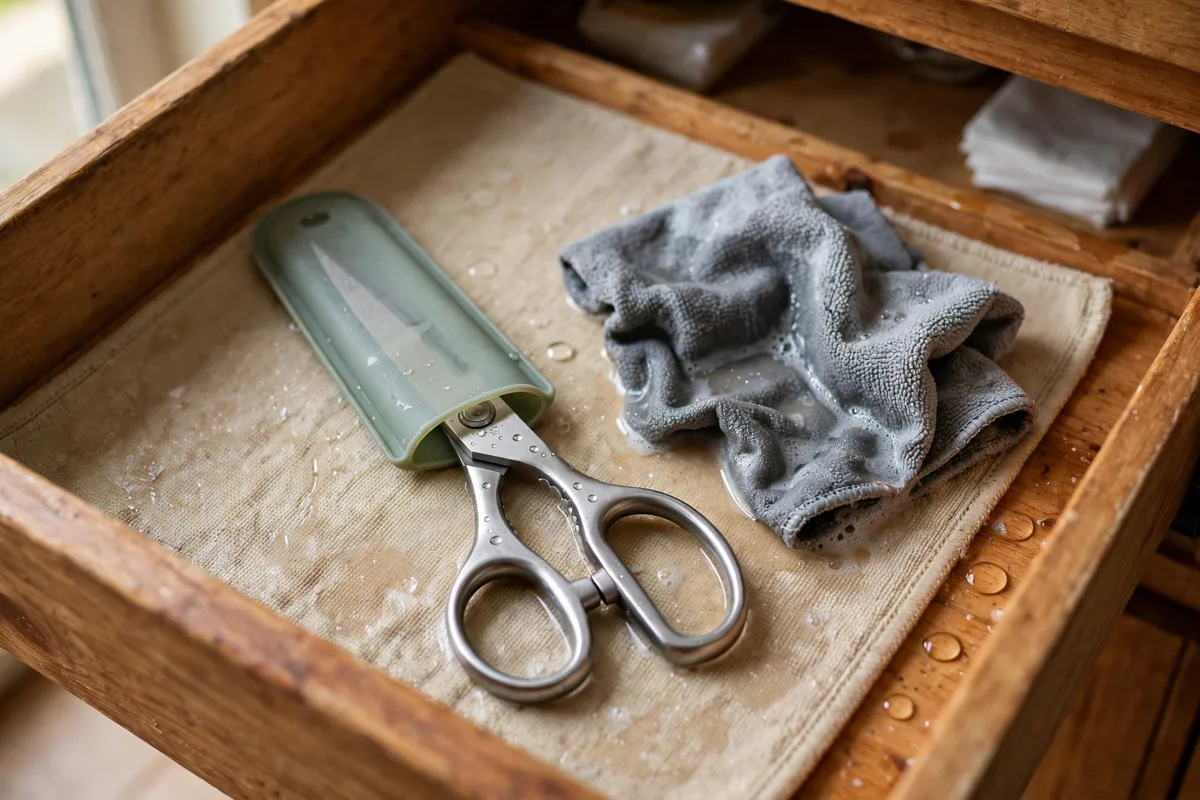
How to clean and store kitchen scissors safely: safe hand positions, come-apart cleaning, and a storage table by household situation.

How to clean and oil a wooden cutting board the right way: wash, dry upright, and oil only an unfinished board, with a worked example.
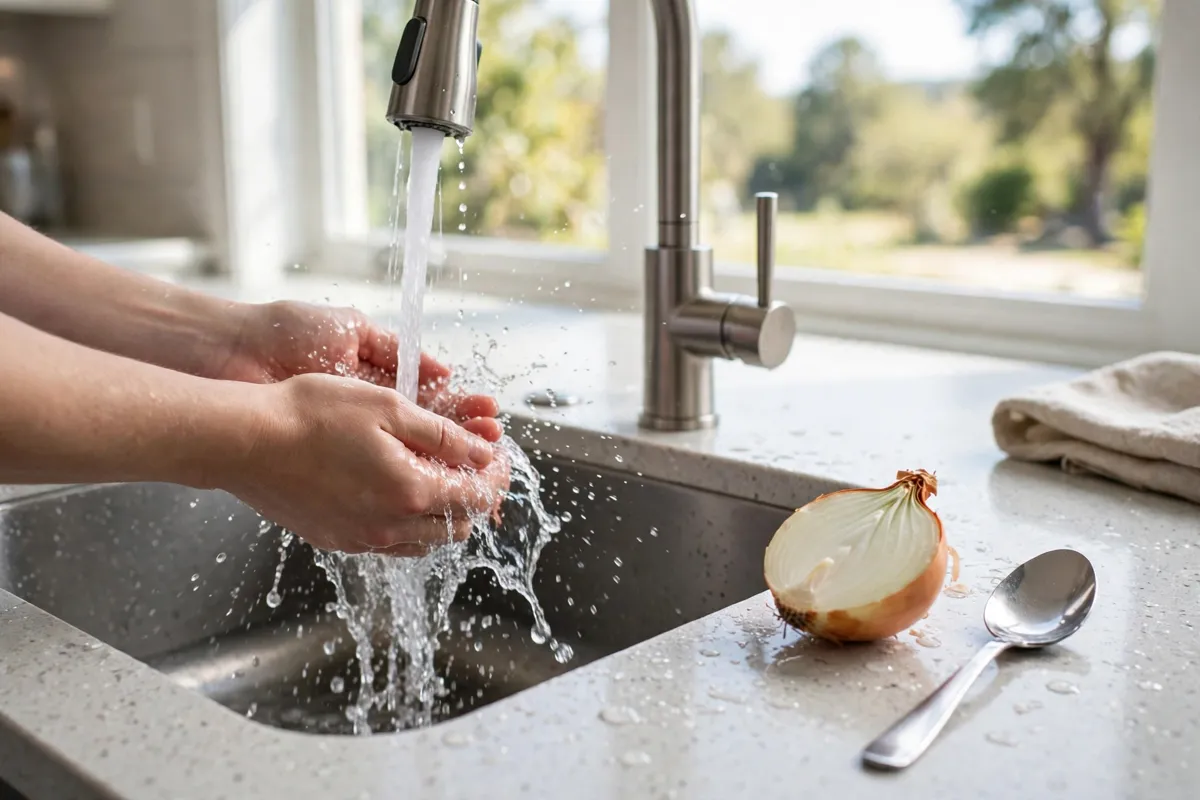
How to remove onion smell from hands: cold-water soap wash, nail and knuckle scrub, then stainless steel or lemon — in order, with a worked example.

How to clean a coffee grinder without washing it: dry brush burrs and chute, split burr vs blade, and when grinder tablets help, step by step.

How to clean a stand mixer and its attachments by material: unplug, wash bowl and tools, wipe the body, brush the hub, and dry fully.
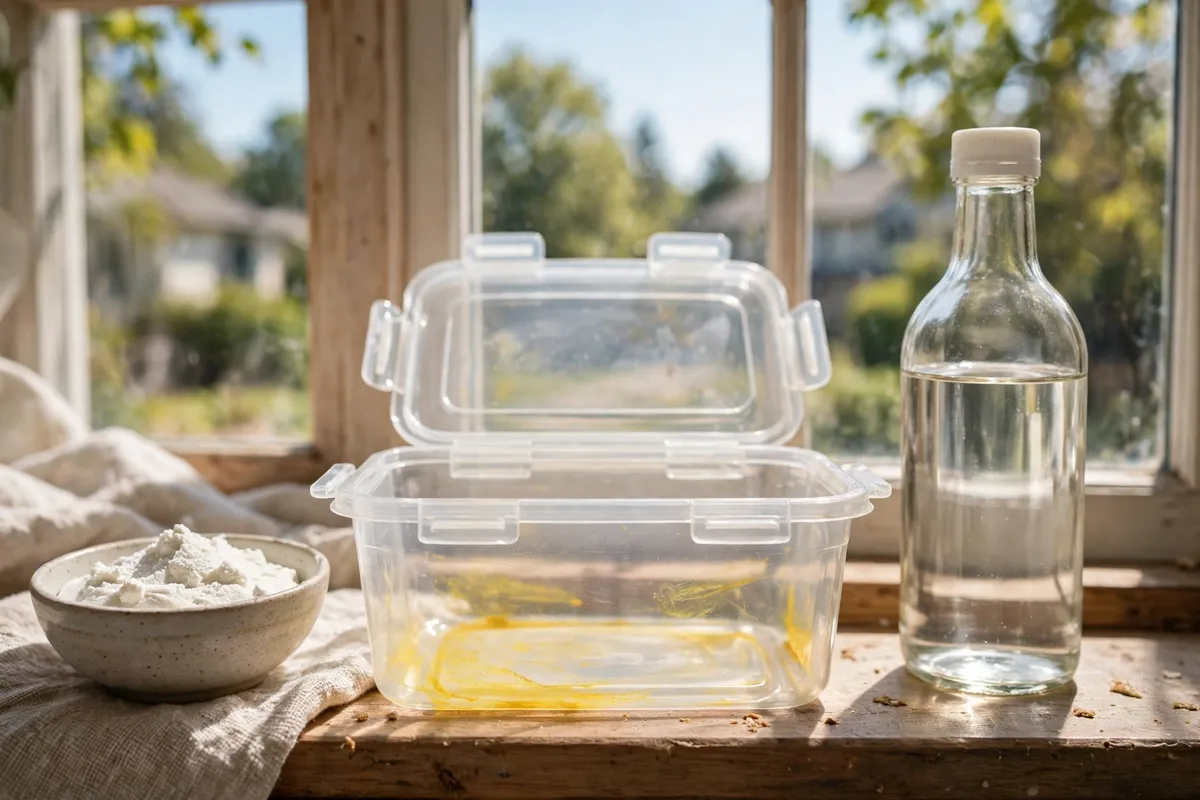
How to remove turmeric stains from plastic containers: cold rinse first, then vinegar soak, baking soda paste, and sunlight, in order.

How to remove rust from kitchen knives safely: hold by the handle, work along the blade, gentlest first, and tell rust apart from patina.

How to clean mold from a water bottle and thermos lid only: take the lid apart, remove the gasket, brush grooves, soak, rinse, and dry fully.

How to clean a baking stone and remove burnt residue: cool fully, scrape, damp wipe, baking soda paste, and a soap and soaking decision table.
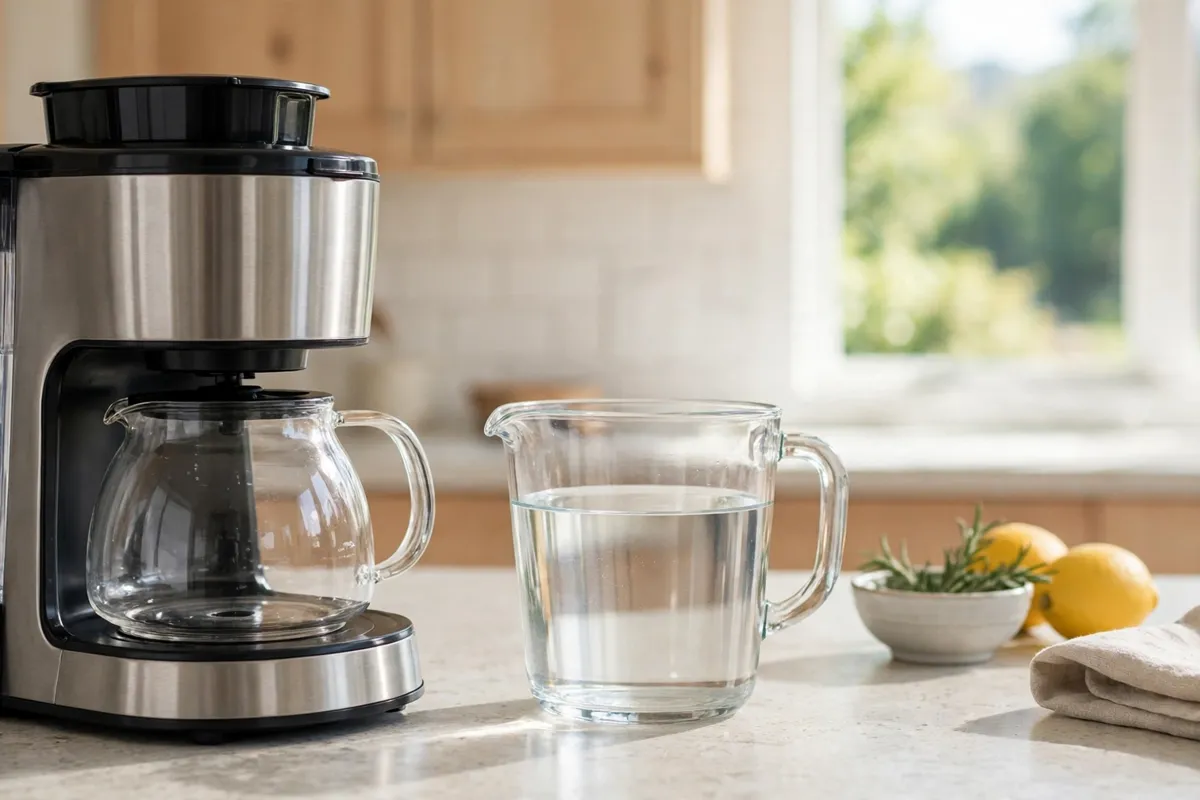
How to descale a coffee maker with vinegar for drip machines only: maker ratio table, clean cycle, pause rules, and 2 to 3 plain-water rinses.
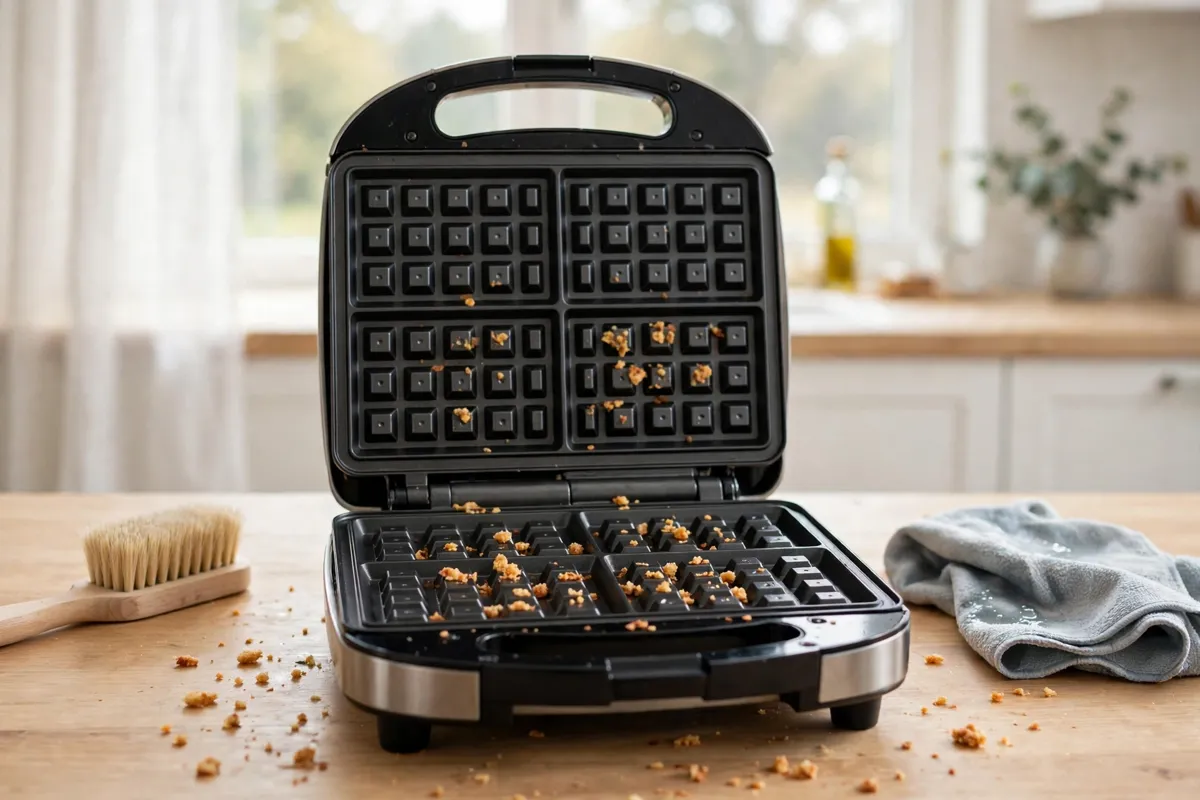
How to clean waffle maker plates without submerging it: fixed plates as the main example, damp wipe, oil and paste for stuck batter, dry open.
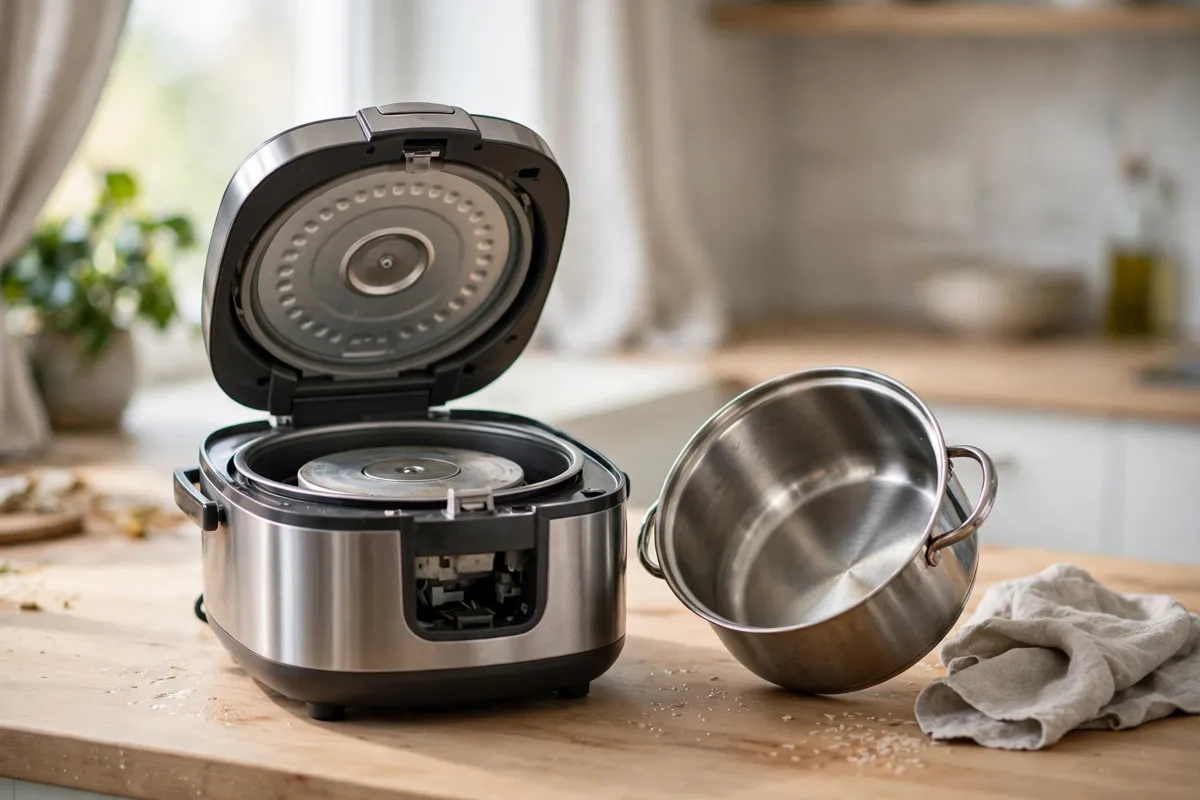
How to clean a rice cooker inner pot and heating plate: wash the pot, wipe the plate barely damp, check the sensor, and never submerge the base.

How to clean food processor blades and bowl safely: unplug, remove blade by its hub only, wash bowl and blade separately, wipe base damp.
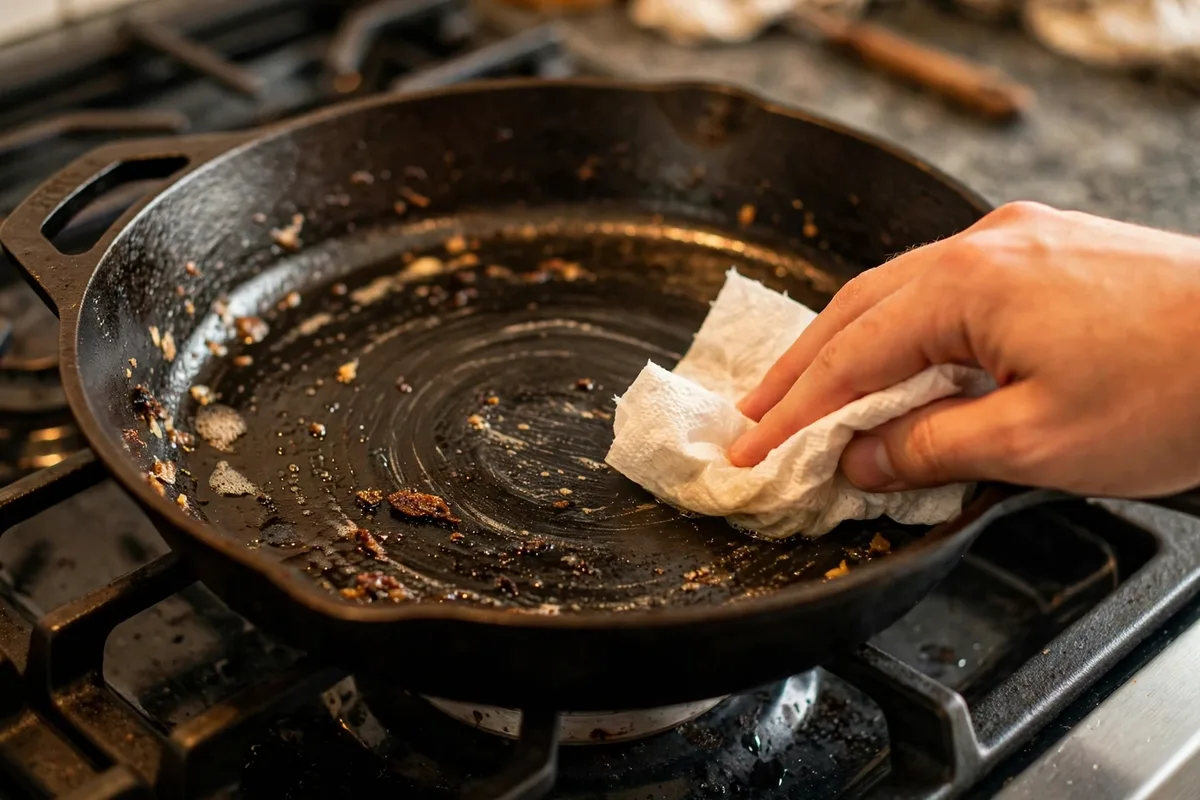
How to clean cast iron skillet after cooking without ruining seasoning: hot water, a soft brush, and a thin oil layer keep the seasoning intact.
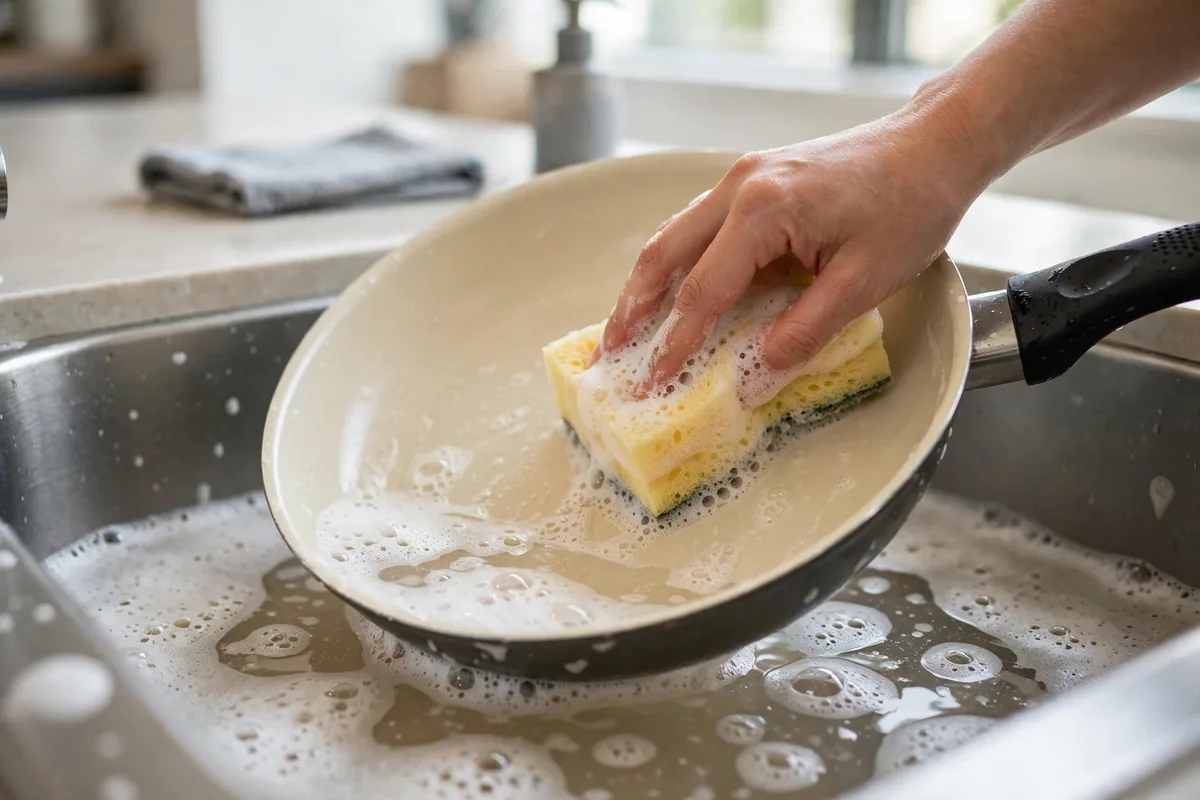
How to clean ceramic nonstick pan without damaging coating: cool the pan, wash with warm soapy water, and lift stuck food with baking soda.

How to clean instant pot lid and sealing ring smell: wash the lid in soapy water, soak the ring in vinegar, and dry it in the open air — the smell fades fast.

How to clean wine glasses without streaks: wash by hand, rinse twice in hot water, and dry at once with a lint-free cloth for a clear, streak-free shine.
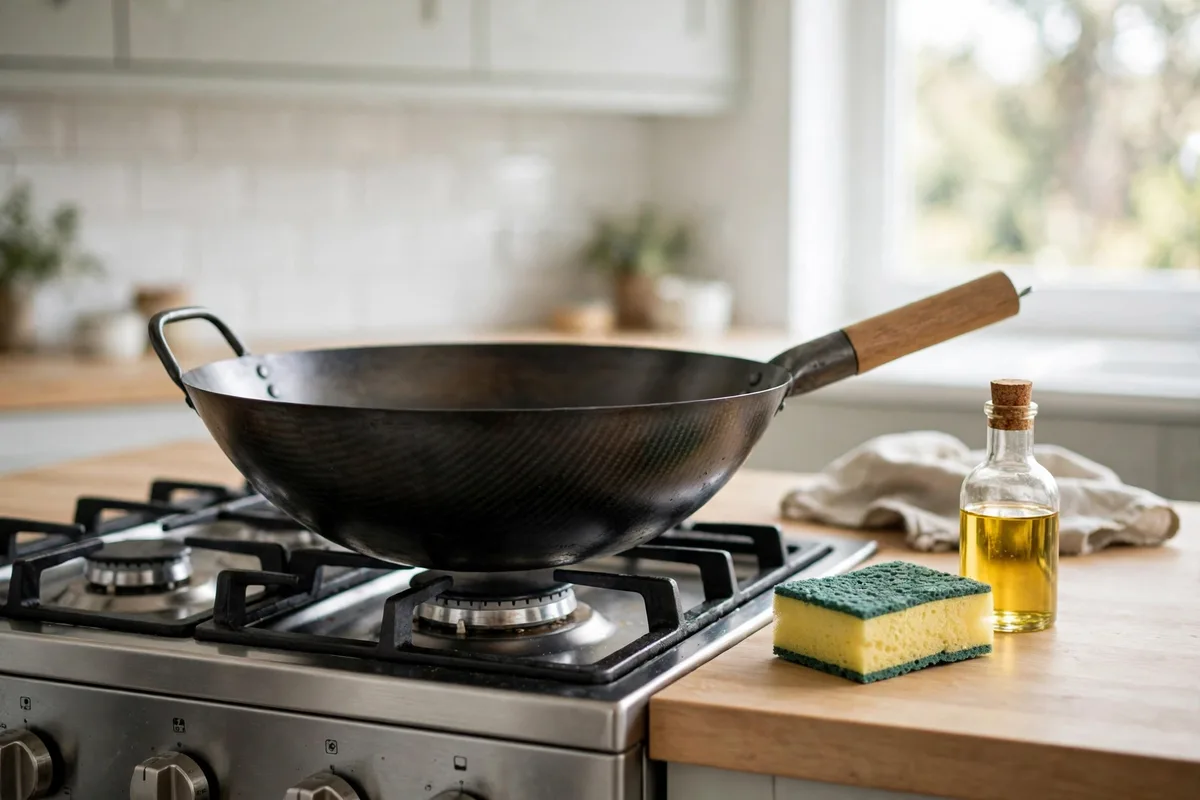
How to clean wok after cooking: hot water, a soft sponge, and 2 minutes of drying keep the seasoning intact — no harsh scrubbing or long soaking needed.

How to re-season cast iron skillet: scrub it clean, oil it thin, and bake it upside down at 450 to 500°F so the new seasoning turns hard and slick.

How to remove coffee stains from mugs: baking-soda paste for everyday stains, a vinegar soak for stubborn rings, and no scrubbing that wears the glaze.
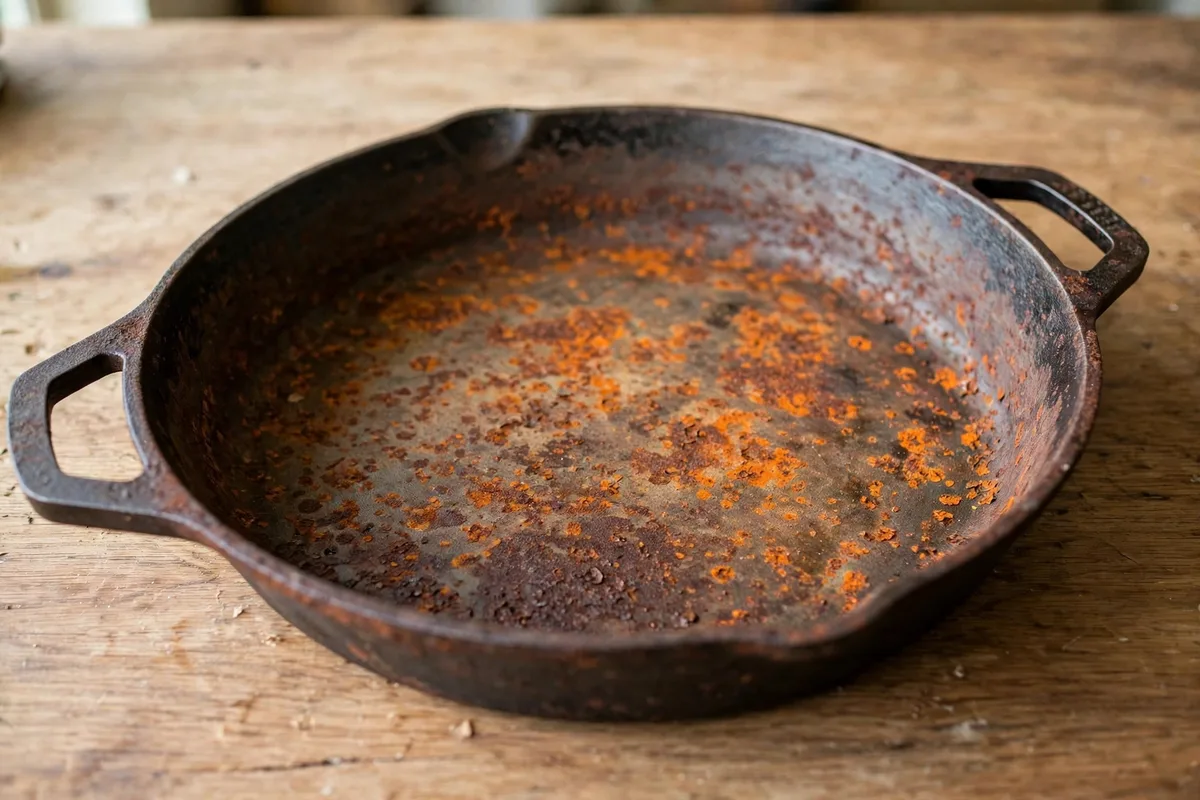
How to remove rust from cast iron skillet: match the method to the rust, scrub or soak it off, dry the pan fast, and re-season it so rust stays away.
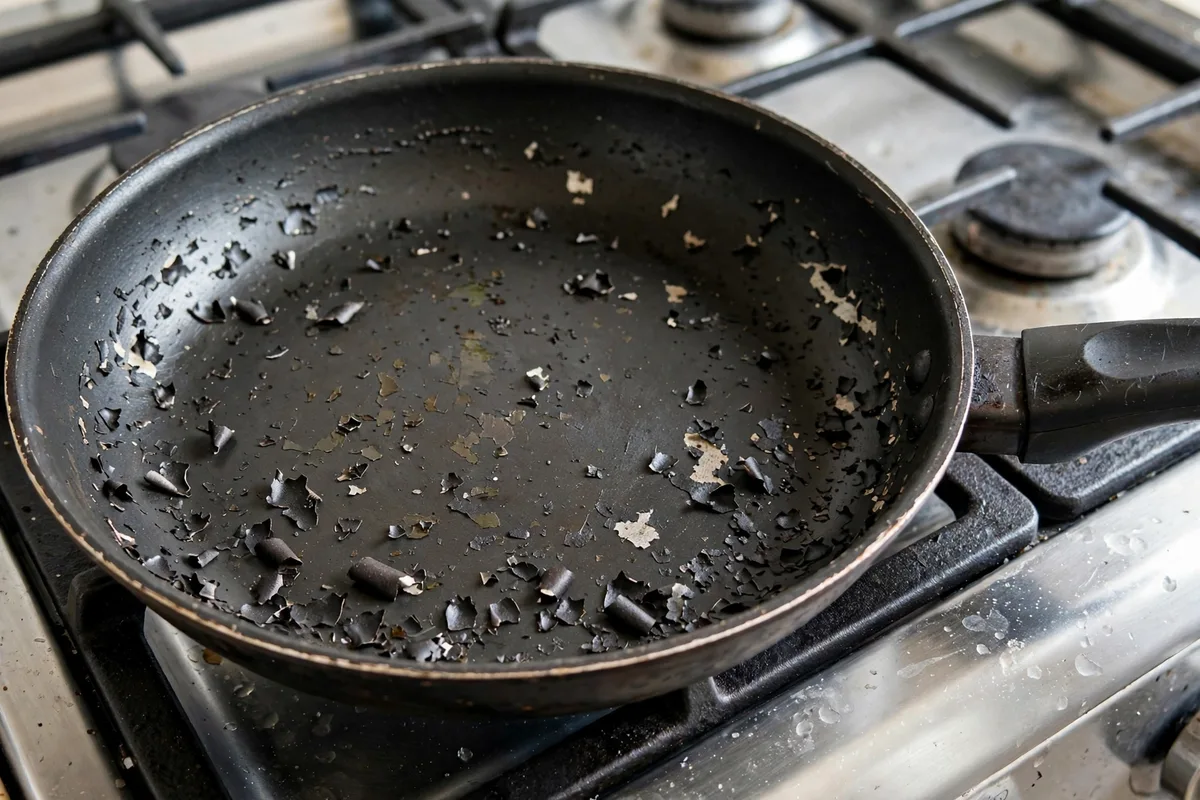
What to do when nonstick coating peels: stop using a badly peeling pan, check how bad the damage is, and switch to a safe backup until you replace it.
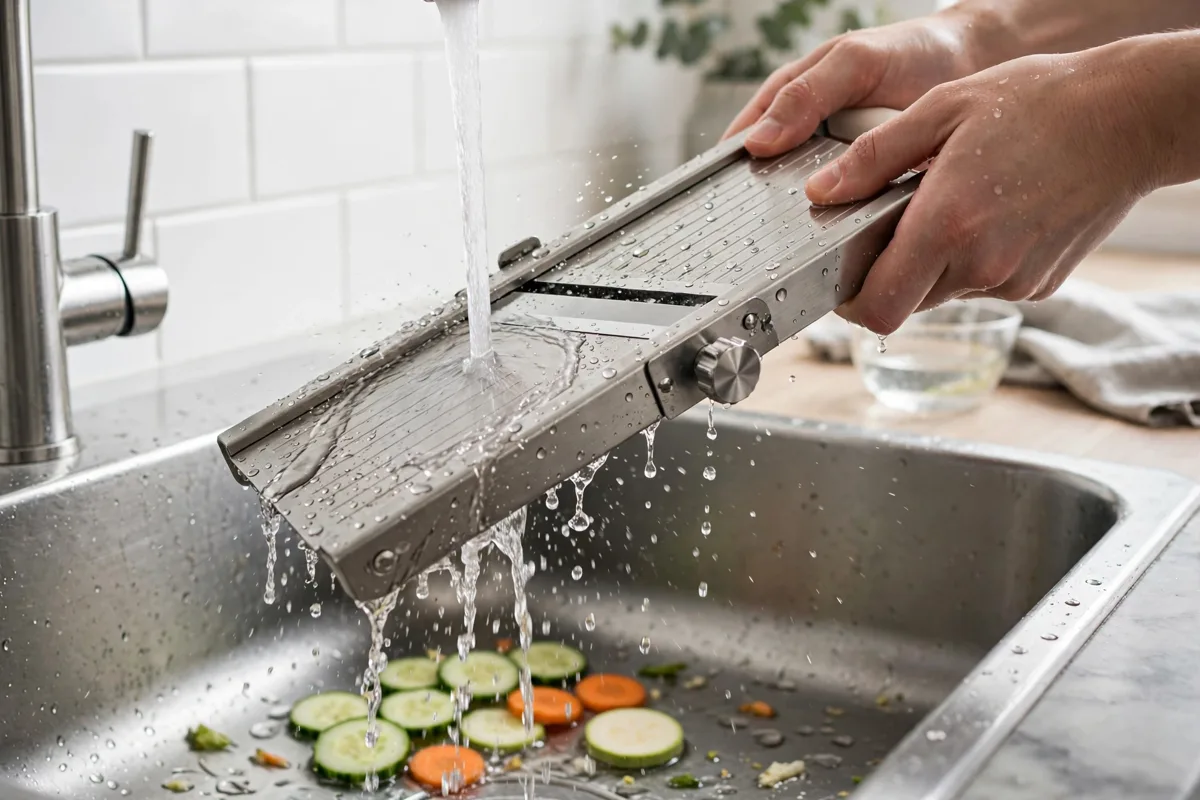
How to clean a mandoline slicer: rinse right away, brush back to front, dishwasher-safe parts, drying and rust prevention — without cutting yourself.
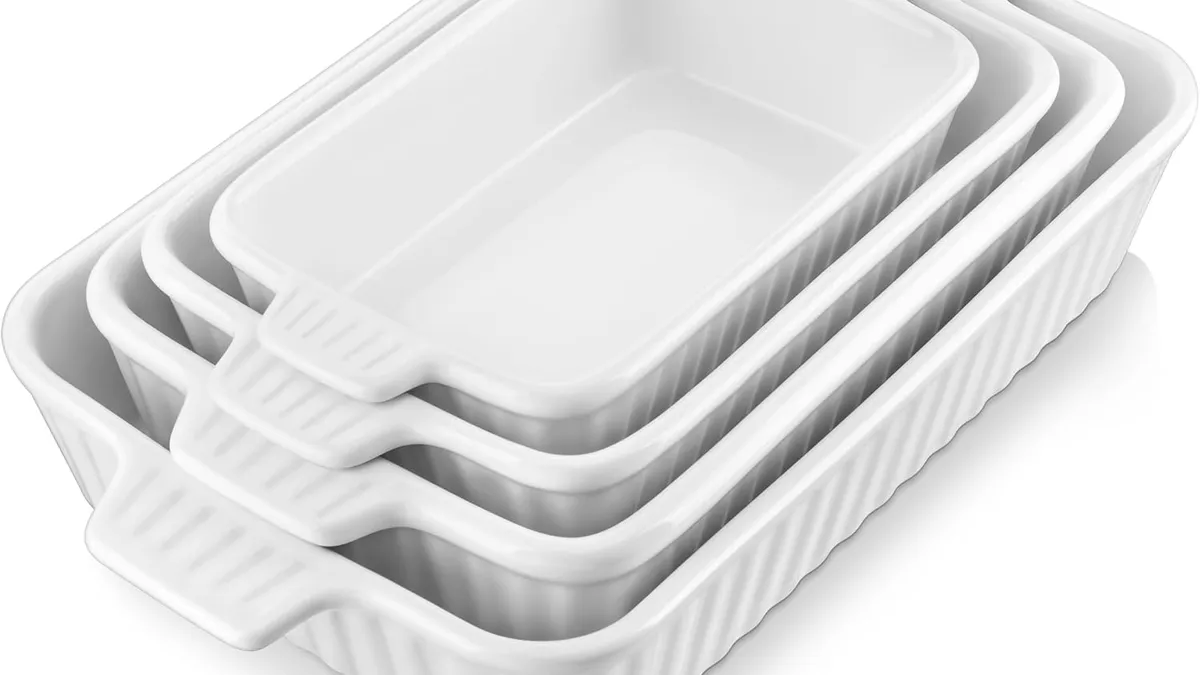
How to clean a ceramic baking dish: the daily routine, burnt food, tomato and turmeric stains, and what never to scrub with — a complete dish guide.

Can ceramic baking dish go in the dishwasher? Most glazed dishes can — but hand-washing lasts longer. Lids, loading, and the glaze trade-off.

How to use a hand mixer without splattering flour for beginners: bowl choice, beater position, speed order, and habits that keep flour in the bowl.

How to use an avocado slicer tool for beginners: pick a ripe avocado, halve and pit it safely, and slice without waste or a slippery mess.
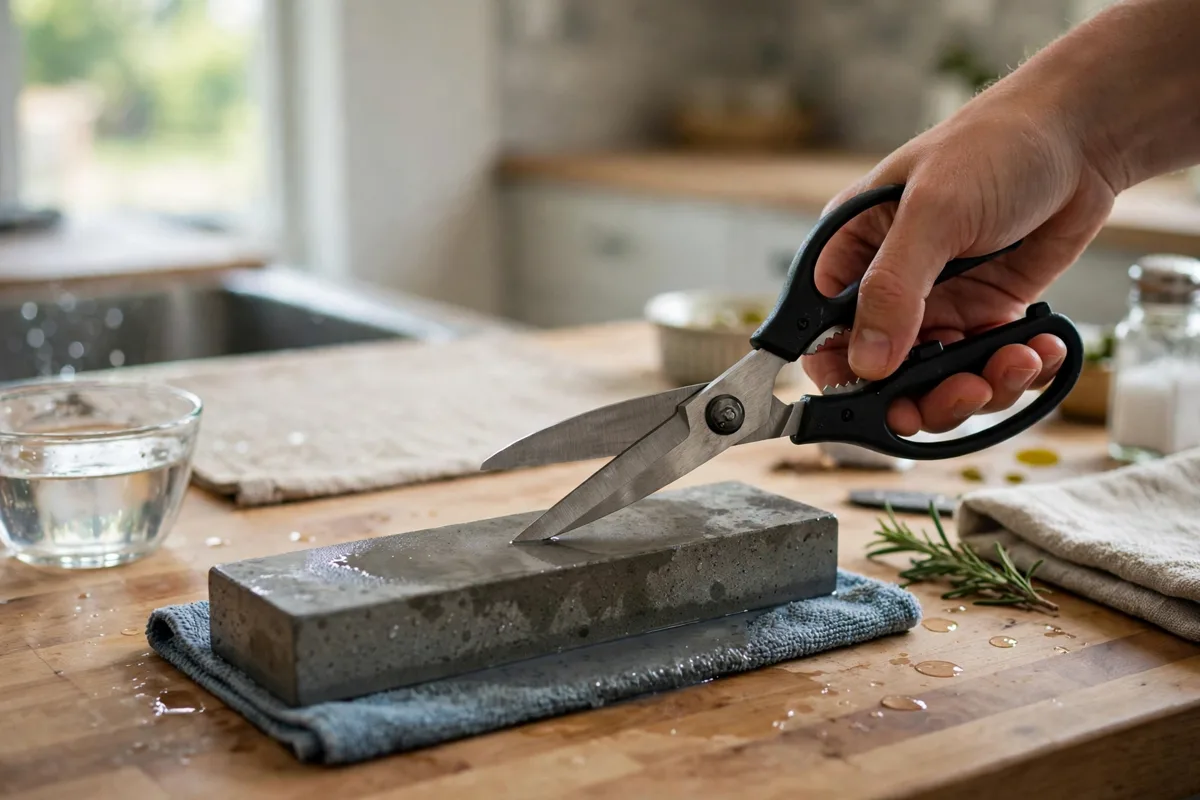
How to sharpen kitchen shears at home: hone the beveled edge safely, test the cut on paper, clean and oil the pivot — and know when to stop.

How to peel vegetables safely as a beginner: grip, direction, and hand position in one sequence, with a peeler-by-vegetable table inside.

How to measure flour correctly with cups and spoons for beginners: spoon-and-level steps, the scooping mistake to avoid, and partial-cup equivalents.

How to soften butter quickly: cube and roll one stick, use short microwave bursts, or warm a bowl, then pass the fingertip test before creaming.
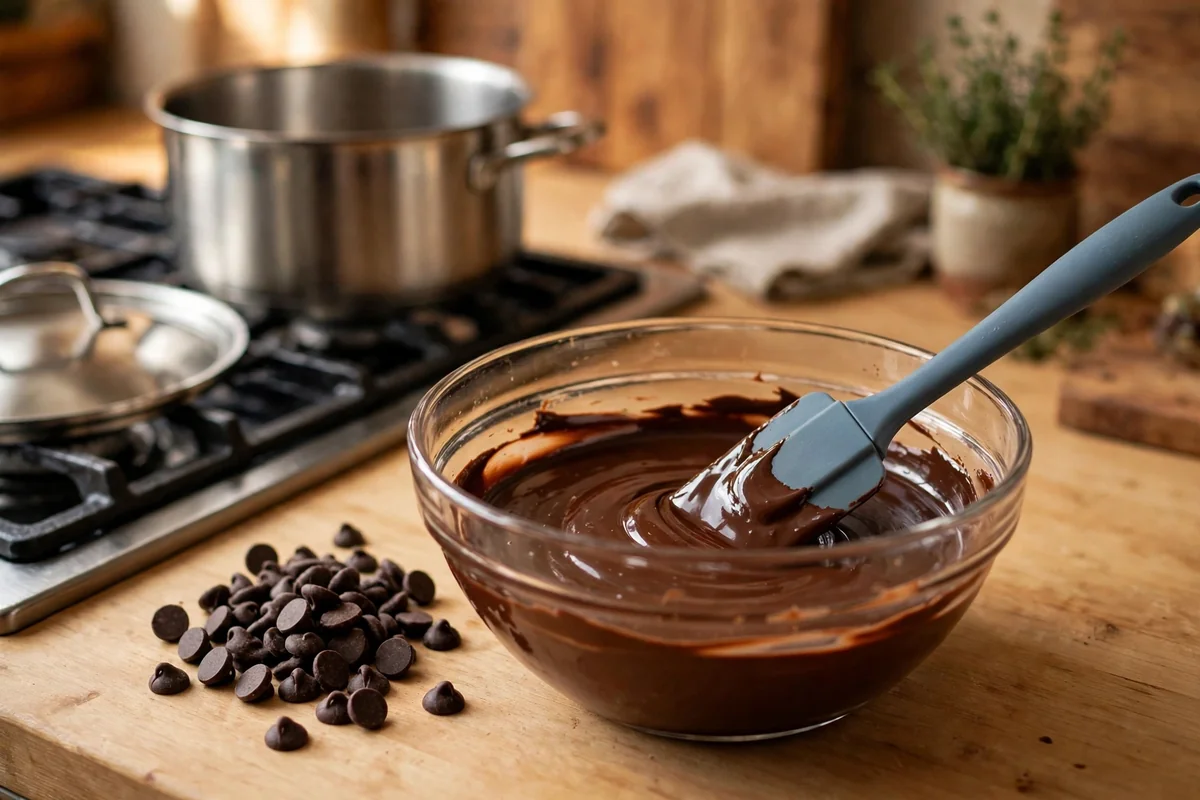
How to melt chocolate without burning: short microwave bursts or a double boiler, the stop-before-it-looks-done rule, and how to rescue seized chocolate.

How to peel boiled eggs easily: steam or boil, chill in a full ice bath, then tap, roll, and peel from the wide end for smooth, unpitted eggs.
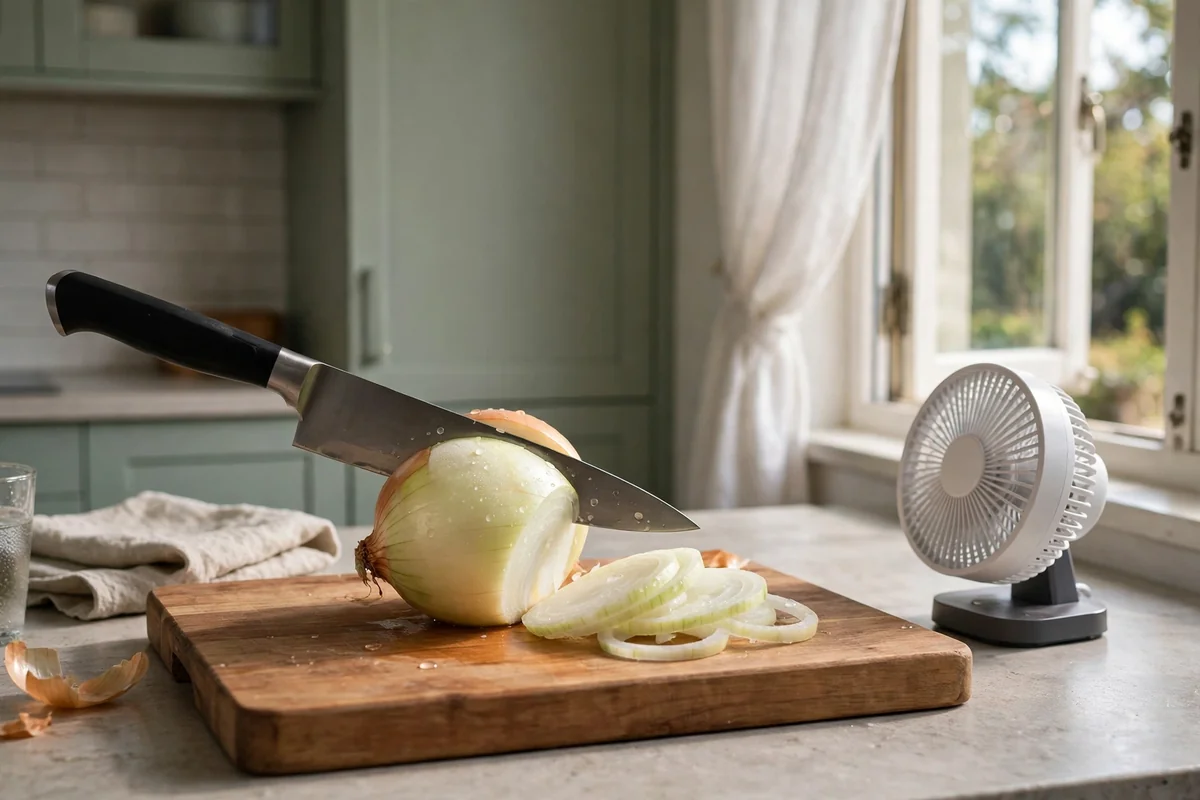
How to chop onion without tears: chill the onion, use a sharp knife, keep the root on until last, and move air away from your face while you chop.
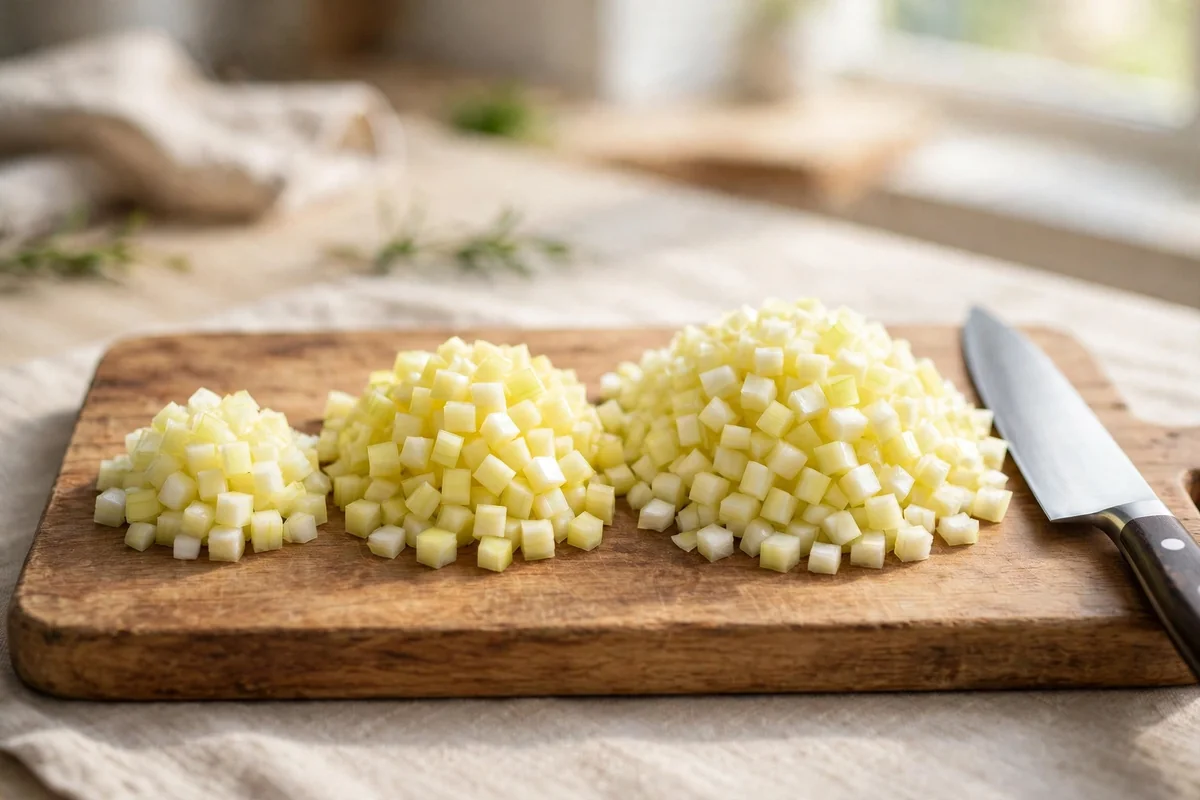
How to dice onion evenly: use a flat half, even spacing, and the fine, medium, and large dice table so every piece cooks at the same rate.

How to mince garlic without a press: knife, fork, and mortar methods by clove count, plus storage and the garlic-in-oil safety rule.

How to measure honey without sticking: oil, hot-water, and weighing tricks for 1 tablespoon and 1 cup, plus the 21-gram target to stop at.
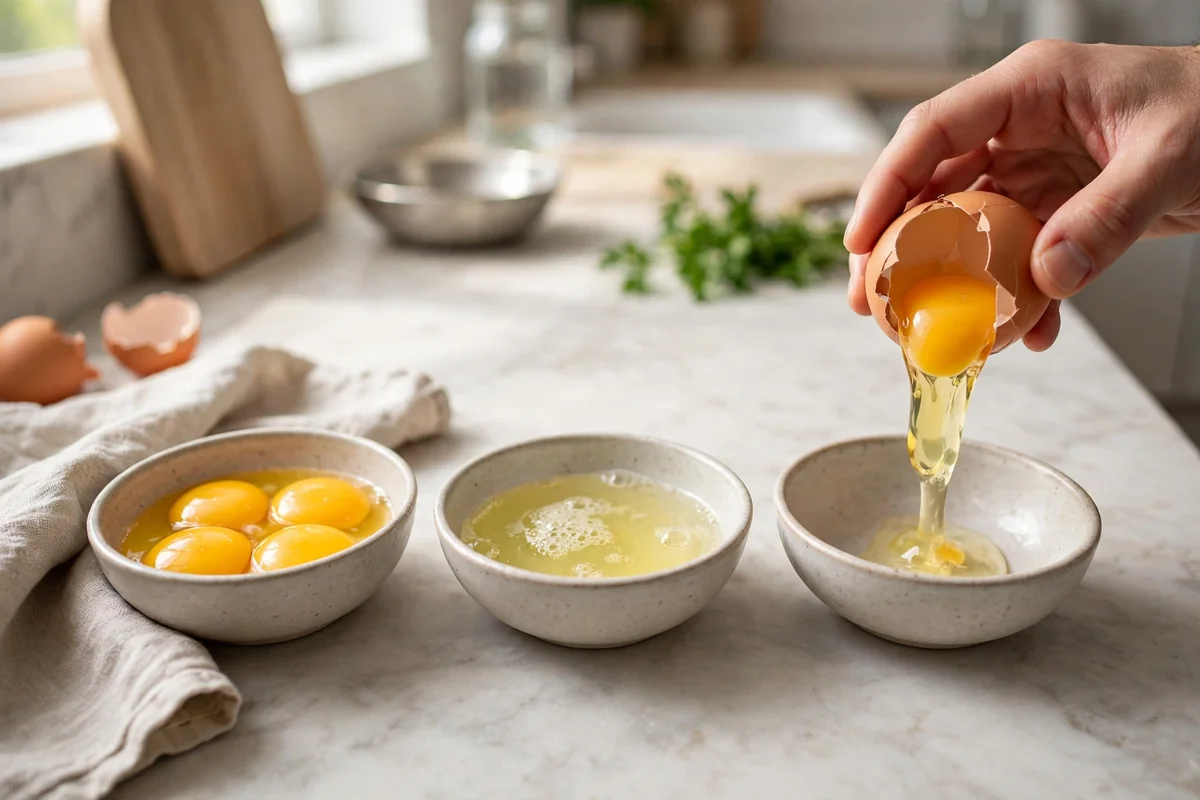
How to separate eggs cleanly: cold eggs, a flat-surface crack, and the 3-bowl rule with the shell, hand, or slotted spoon method.
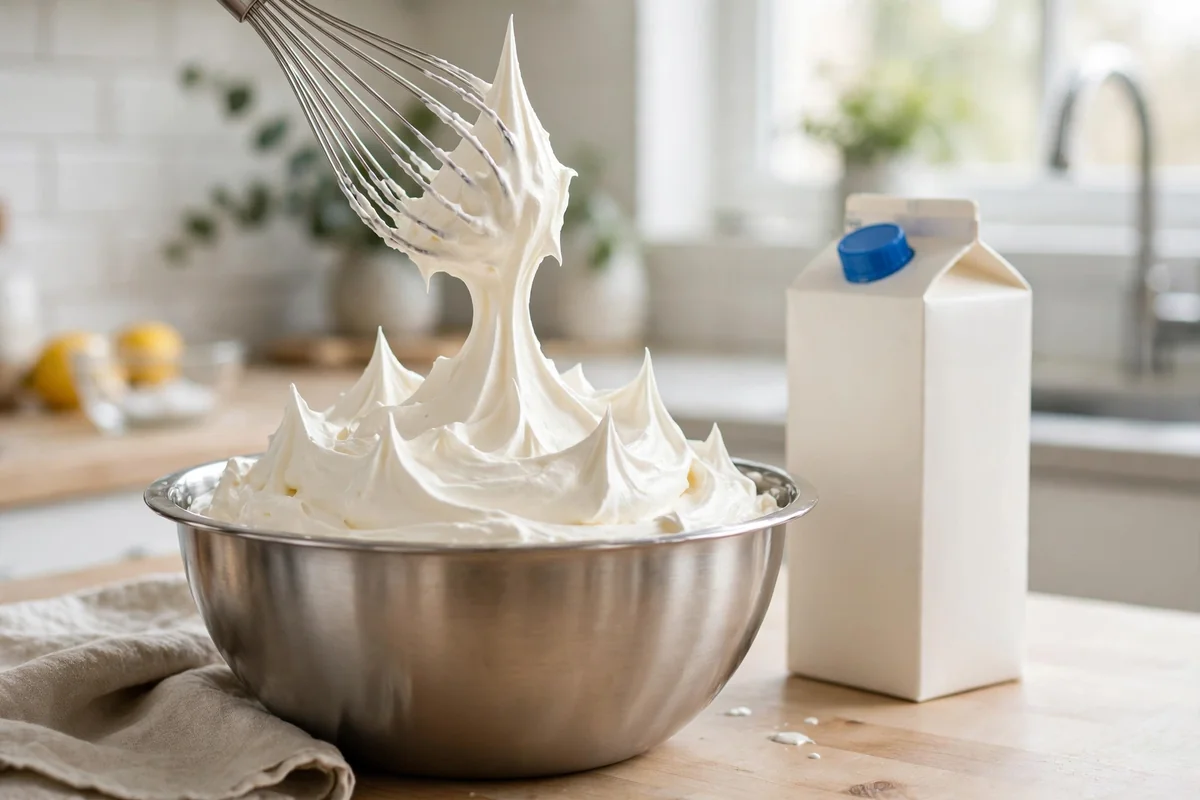
How to whip cream to stiff peaks: chill the cream, bowl, and whisk, whip in stages, and stop when peaks stand straight up without drooping.
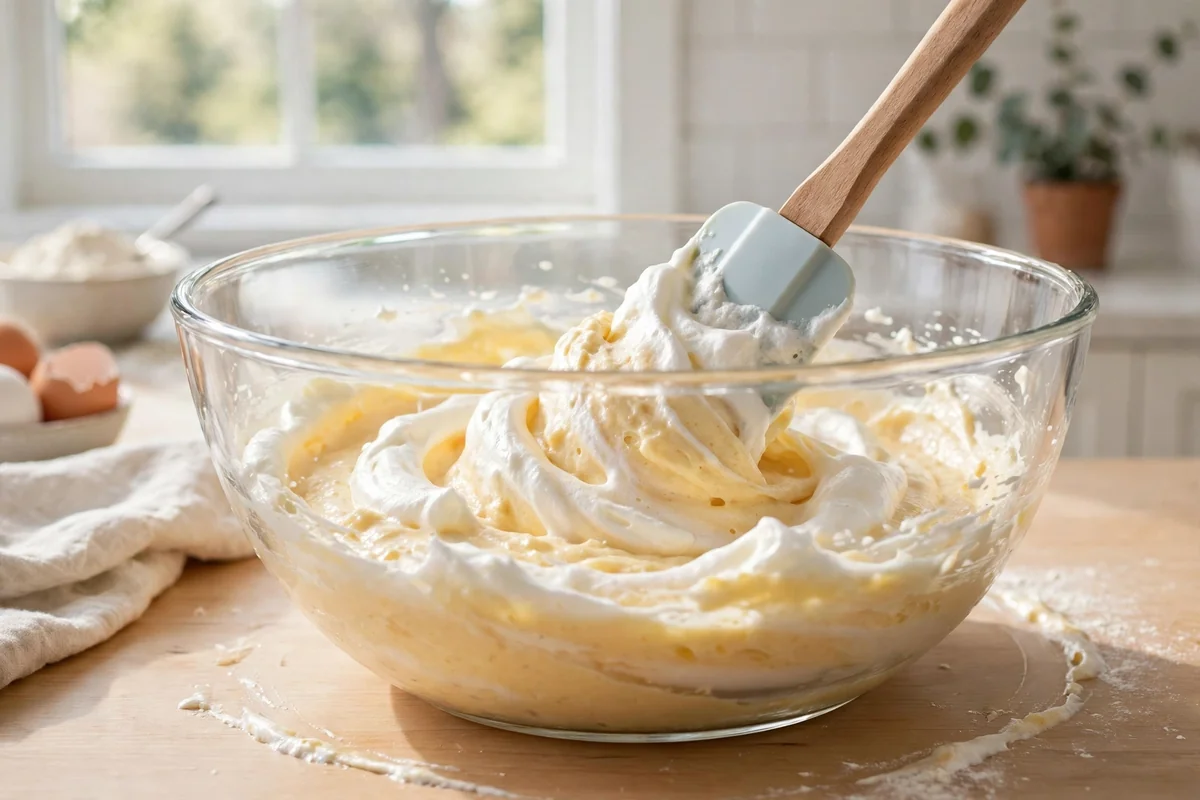
How to fold batter without deflating: lighten thick batter first, add whipped whites in thirds, and use a J-fold with a quarter turn each time.

How to measure ingredients without a scale: cup and spoon equivalents for flour, sugar, butter, and liquids, with a worked example that adds up.

Why oven temperature matters and how to check it: a cheap oven thermometer, a 20-minute test, and how to fix an oven that runs hot or cold.

How to substitute butter in baking: oil, coconut oil, and shortening swaps that work, the ones that change texture, and a worked half-cup example.

How to scale a recipe for guests, for beginners: find the scale factor, multiply every ingredient, and adjust the pan and cook time with a worked example.
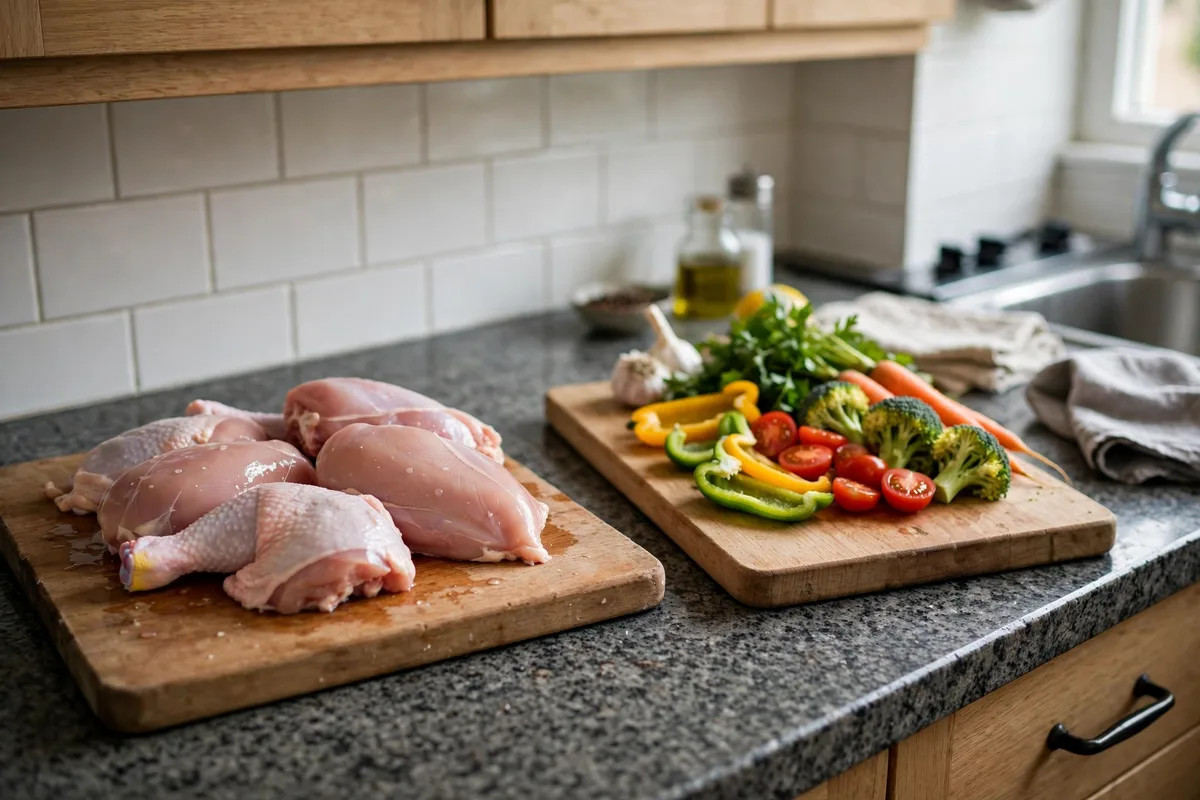
How to avoid cross contamination in a small kitchen: separate boards, washed hands, and the right order of work so raw meat never touches ready-to-eat food.

How to boil potatoes without them falling apart: start waxy potatoes in cold salted water, simmer gently, test with a knife, drain the moment they are tender.

How to chop vegetables evenly for beginners: claw grip, square off the vegetable, cut planks, then sticks, then dice — same size, same cook time, every piece.

How to cook chicken breast without drying out on stove: pound it even, sear 4 to 5 minutes a side, pull at 155°F and rest — juicy every time.

How to cook eggs in stainless steel pan without sticking: preheat until water beads, add fat, lower the heat — eggs that slide, not stick, every time.
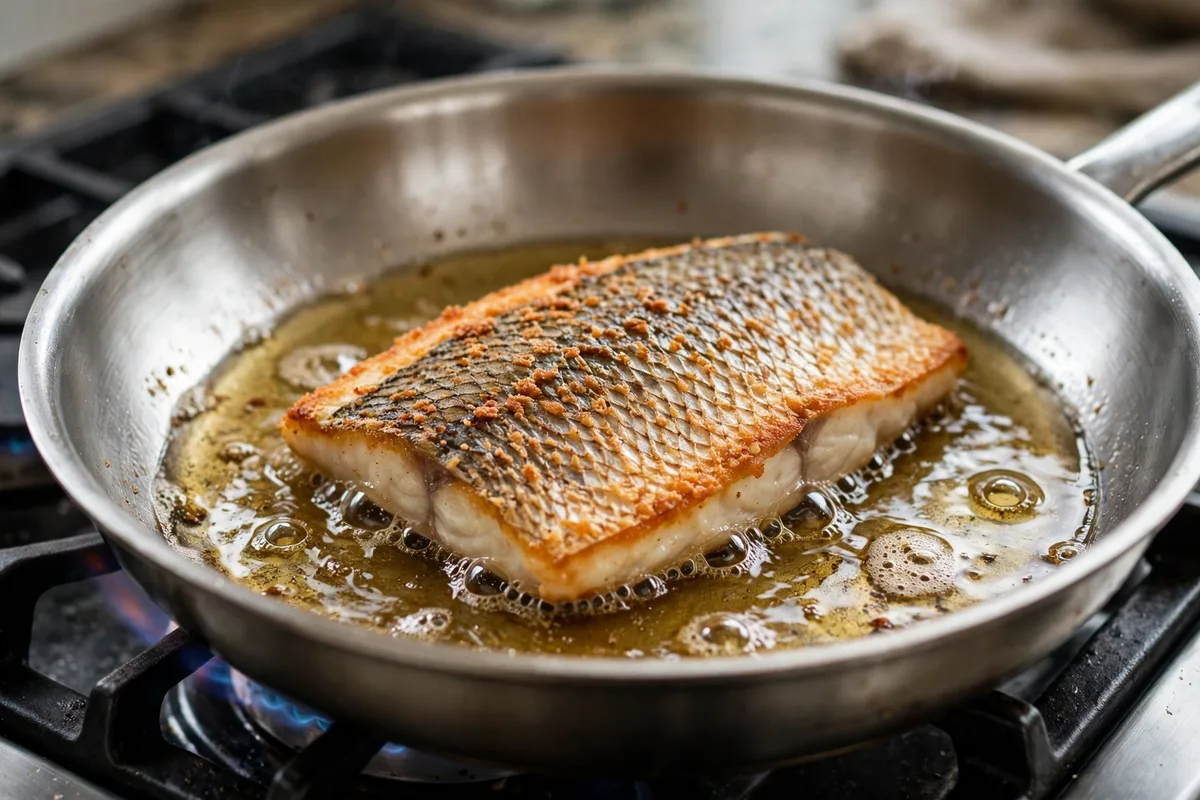
How to cook fish without sticking to pan: dry the fillet, heat the oil until it shimmers, lay it skin-side down and wait for it to release.
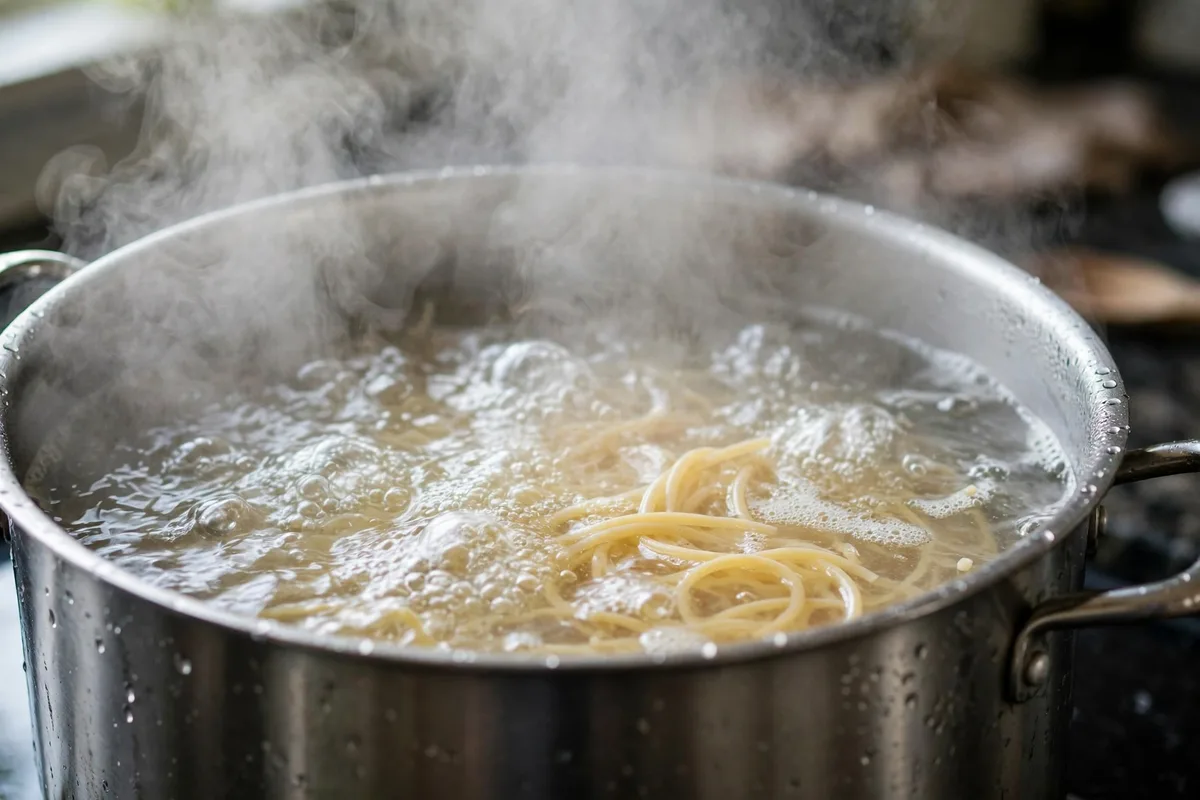
How to cook pasta al dente for beginners: plenty of salted water, rolling boil, test 2 minutes before package time — firm bite, never mushy.

How to cook salmon in pan without drying out: skin-side down first, 4 to 6 minutes, flip once, pull at 125 to 135°F or 145°F for safety.
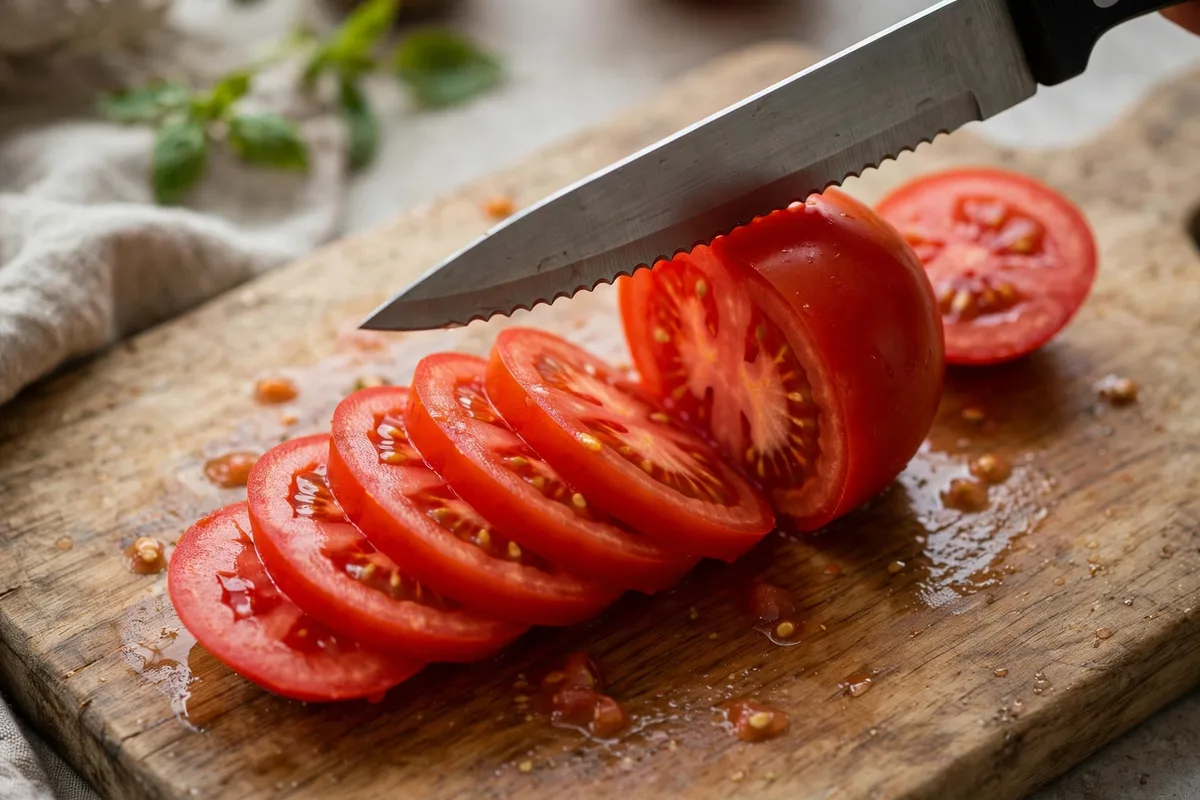
How to cut tomato without squashing it: use a sharp serrated knife, a light sawing stroke, and a brief chill — no downward pressure, no crushed slices.
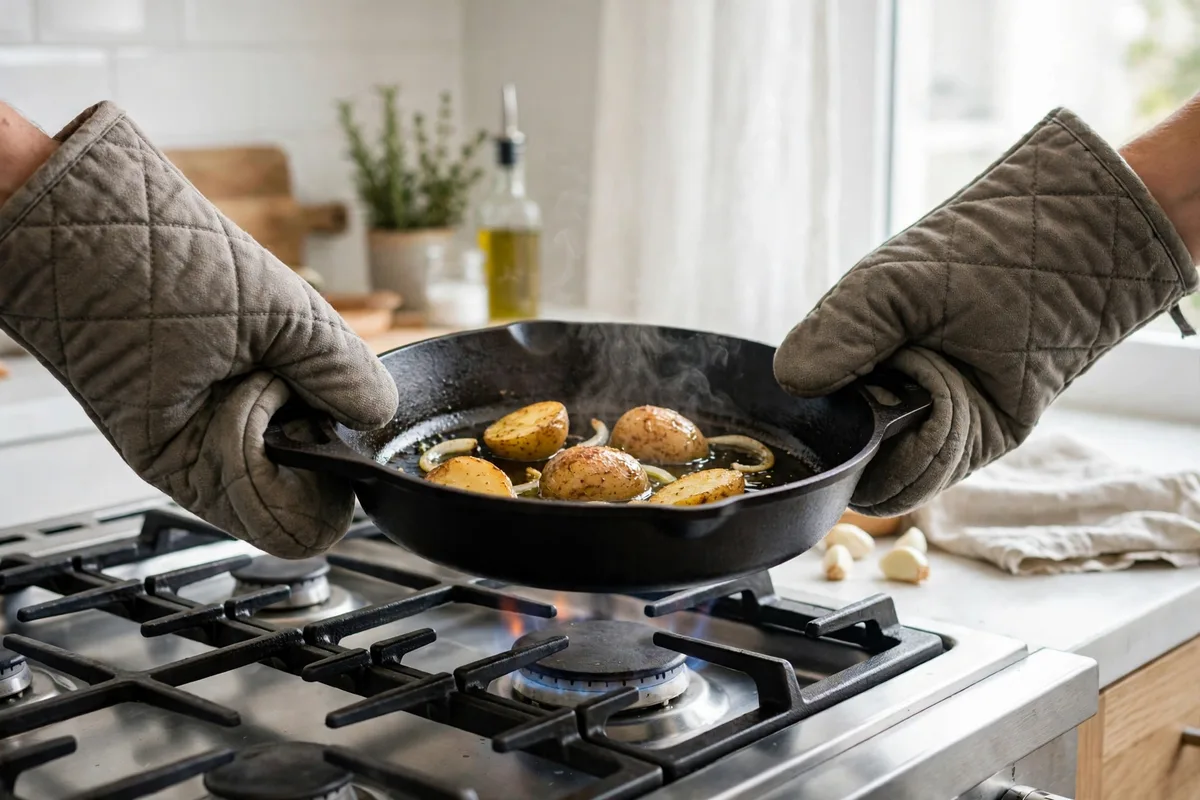
How to handle a hot pan safely for beginners: dry mitts, handles turned in, a clear landing spot, and two hands for heavy pans — every time.

How to make perfect boiled eggs timing: large eggs in boiling water — 6 minutes soft, 7 to 8 jammy, 9 medium, 10 to 12 hard — then an ice bath.
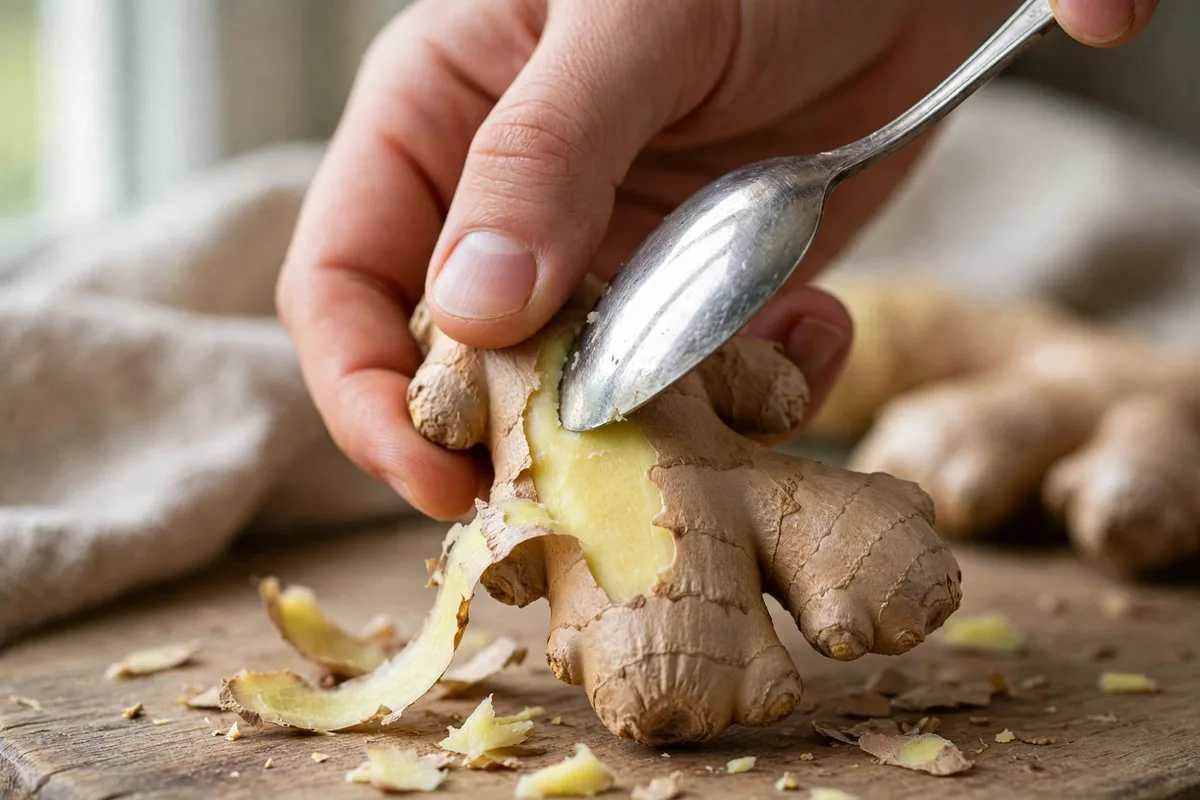
How to peel ginger without wasting it: scrape with a metal teaspoon, peel only what you need, and keep the rest of the root unpeeled in the fridge.

How to sear steak in pan for beginners: dry the steak, salt it, preheat cast iron or stainless steel, sear 3 minutes a side, rest 5 to 10 minutes.

How to slice bread evenly without crushing it: cool the loaf fully, use a long serrated knife, and let the teeth saw — never press down on the crumb.
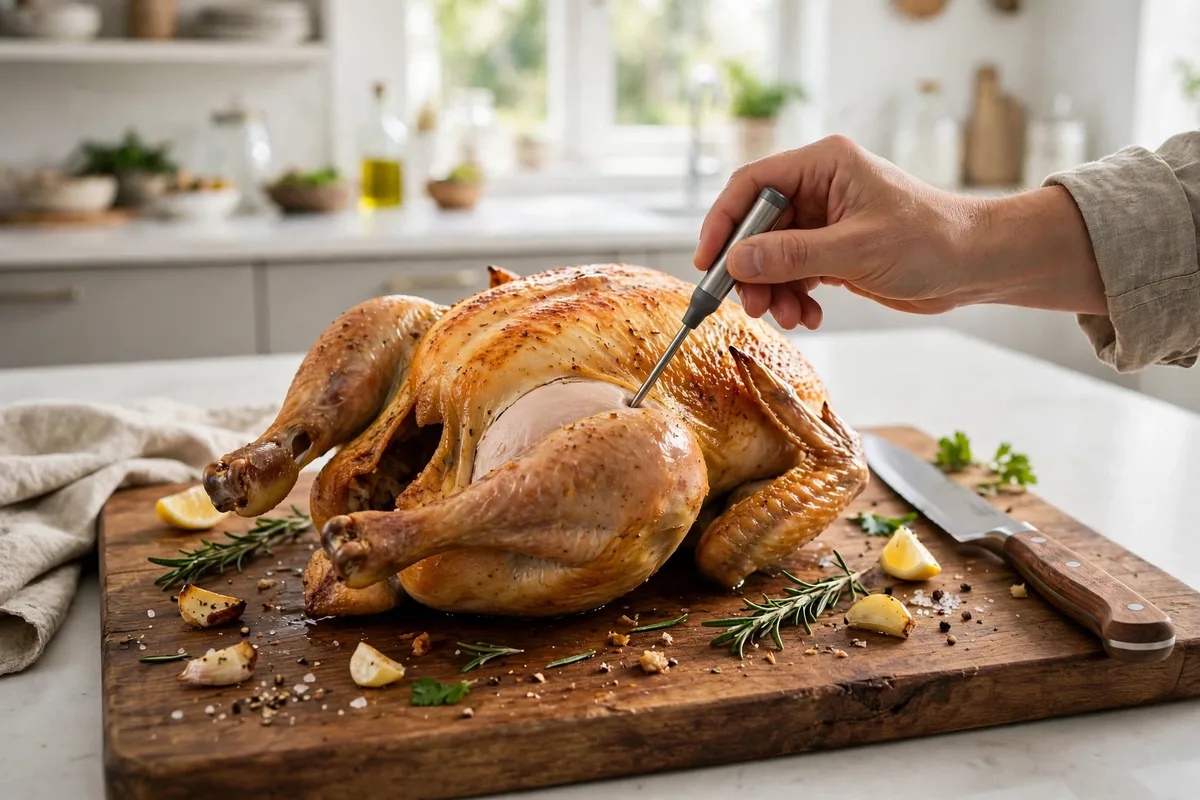
How to tell if chicken is cooked without a thermometer: clear juices, no pink at the joint, and firm flesh — plus why none of these proves it alone.

What to do if you burn yourself cooking: cool it under running water for 10 minutes, cover it loosely, and know when a burn needs a doctor.

How to use a mandoline slicer safely: step-by-step technique, hand guard vs cut-resistant glove, thickness settings and the mistakes that cause cuts.

How to prevent food sticking to a stainless steel pan for beginners: preheat, wait for the oil shimmer, dry the food, and let it release itself.
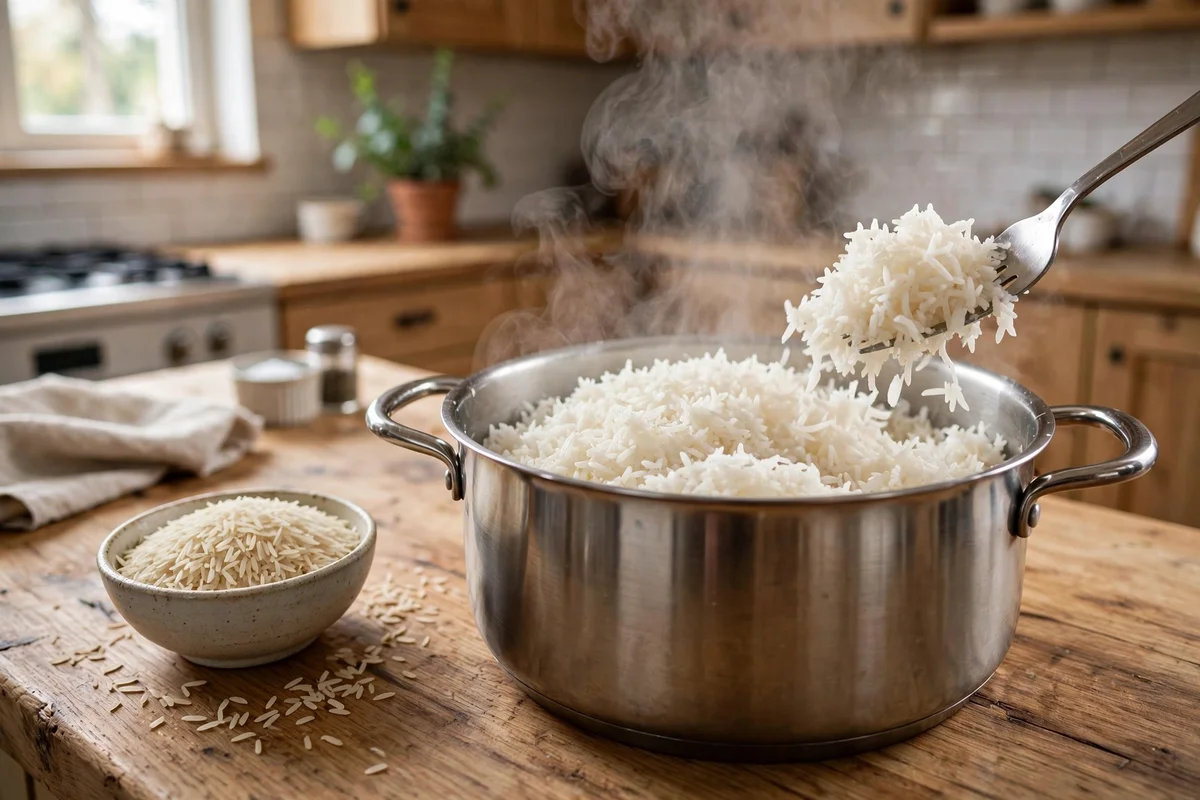
How to cook rice without sticking: rinse until the water runs clear, use the right ratio, cook covered on low, and rest 10 minutes before fluffing.

How to keep pasta from sticking: plenty of boiling salted water, stir well for the first 2 minutes, drain at al dente, and sauce it right away.

How to keep avocado from browning: brush cut surfaces with lemon or lime juice, press wrap directly onto the flesh, and refrigerate right away.
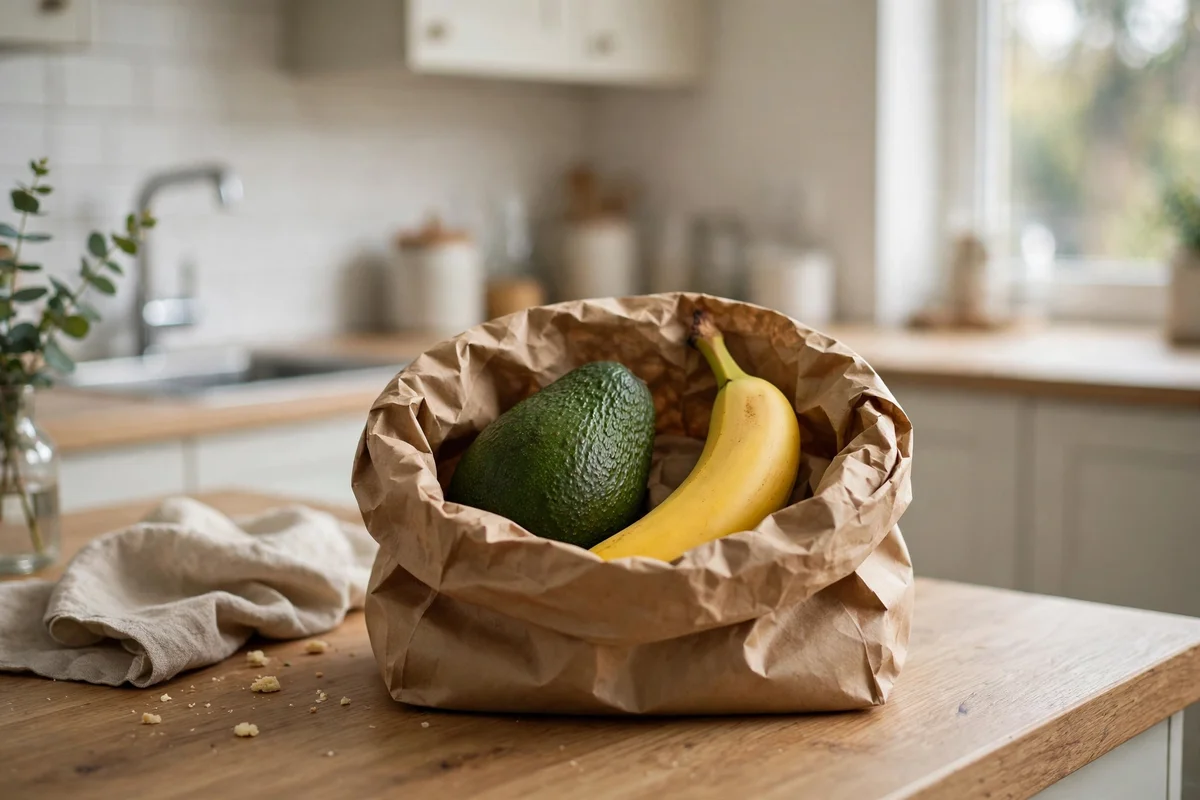
How to ripen avocado faster: a paper bag with a ripe banana or apple, daily palm-press checks, and refrigerate once ripe — no microwave tricks.

How to thaw chicken safely in fridge: seal it on a rimmed tray on the bottom shelf, allow 24 hours per 5 pounds, and cook within 1 to 2 days.

How to season cast iron first time: check for pre-seasoning, wash and dry fully, wipe on a whisper-thin oil layer, and bake upside down.

How to cook bacon in oven without splatter: use a rimmed foil-lined tray, start in a cold oven, and time regular and thick-cut bacon separately.
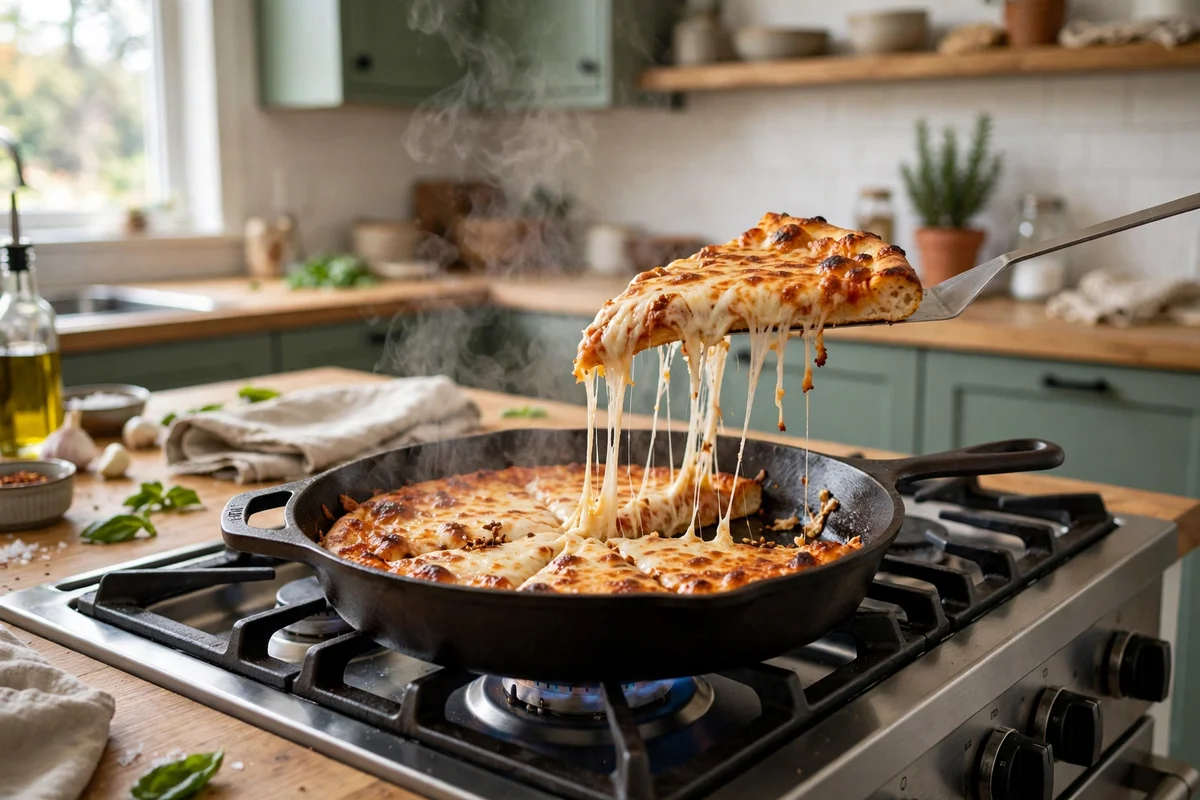
How to reheat pizza crispy: a preheated skillet for 1 to 2 slices, a tray at 375 degrees for several, or an air fryer — plus the toaster-oven steps.

How to reheat rice safely: cool it fast, refrigerate within 1 hour, reheat only once until steaming hot throughout, and throw away rice left out too long.
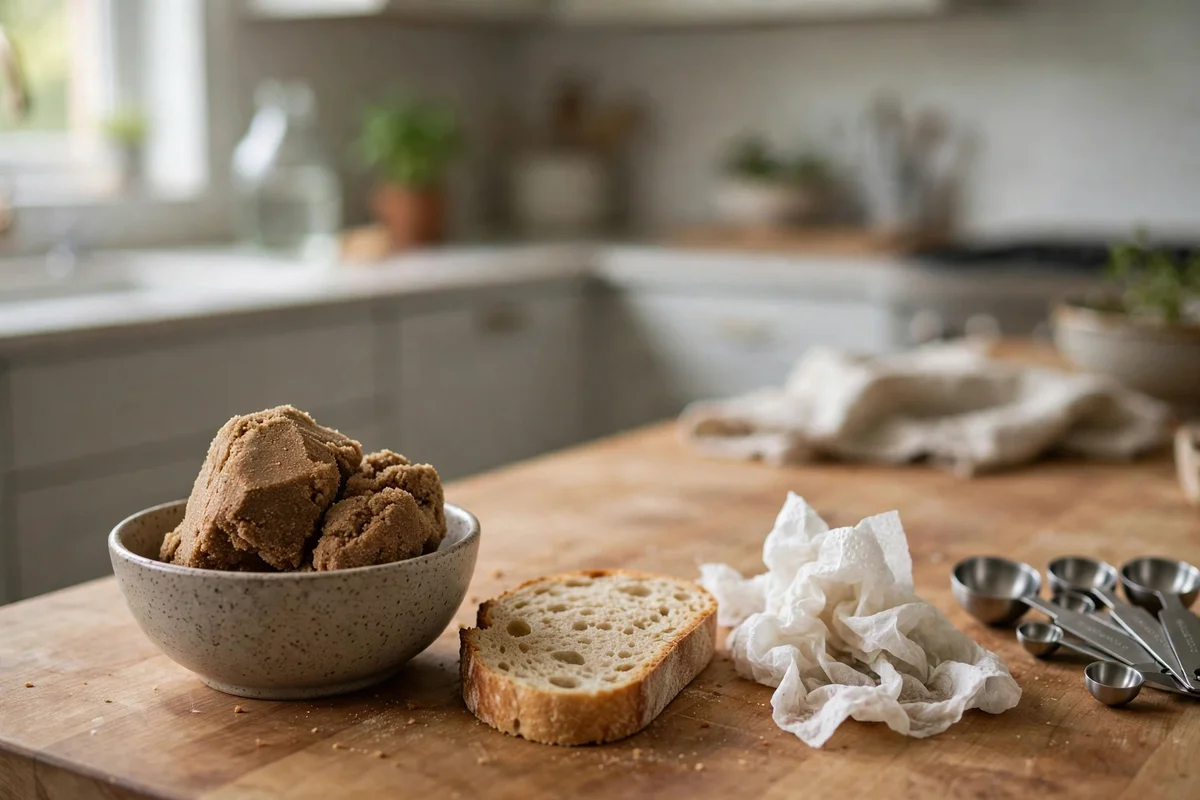
How to soften hardened brown sugar: microwave in short bursts for now, or use bread, apple, or a terra-cotta disk overnight, then store airtight.
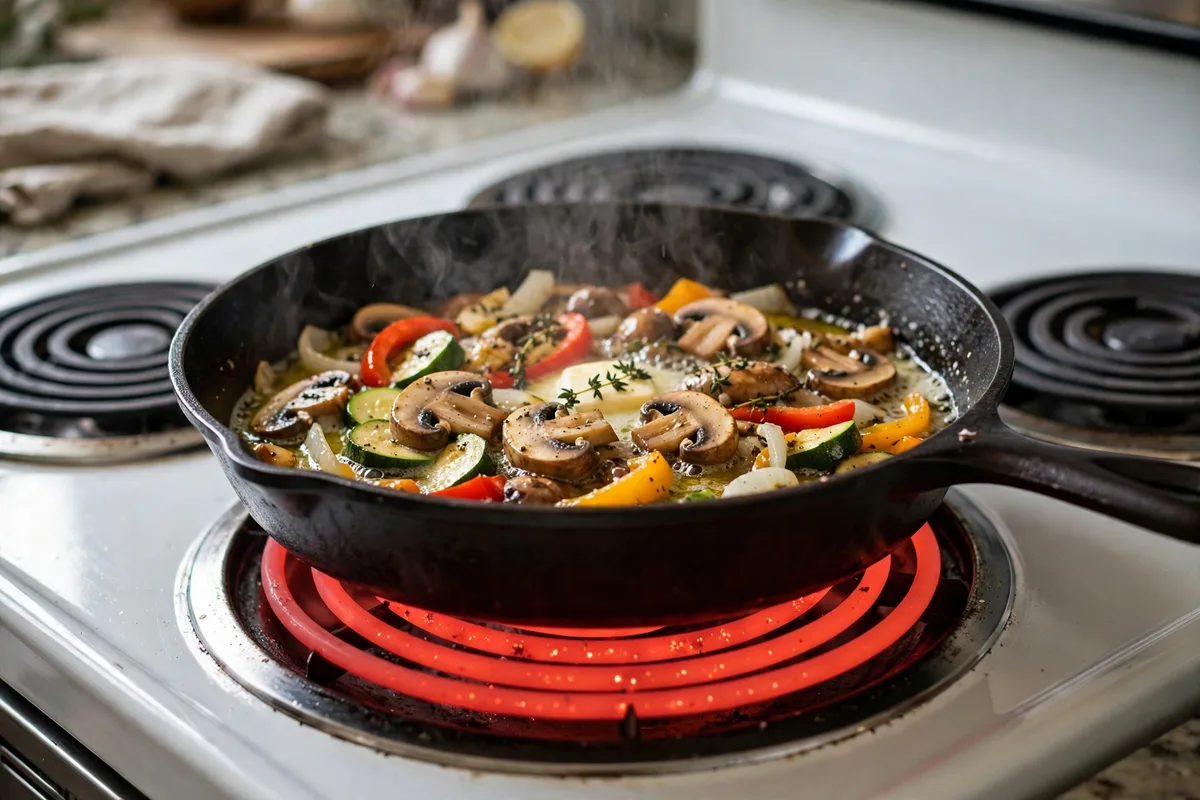
How to cook on electric coil stove without burning food: start on medium, turn the heat down early, and move the pan off the burner — coils stay hot after off.
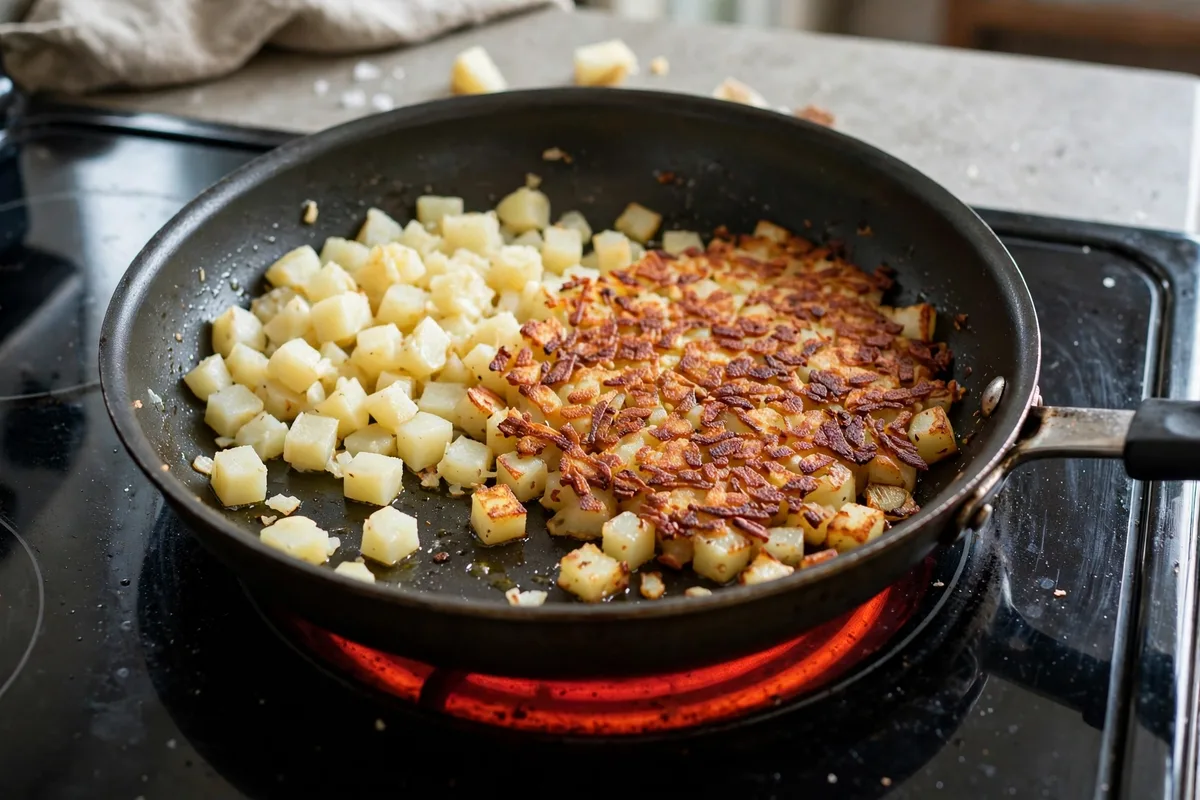
Why does my pan not heat evenly? Usually a warped pan, a wrong-size burner, or thin metal — test the pan, match the burner, and preheat slowly.
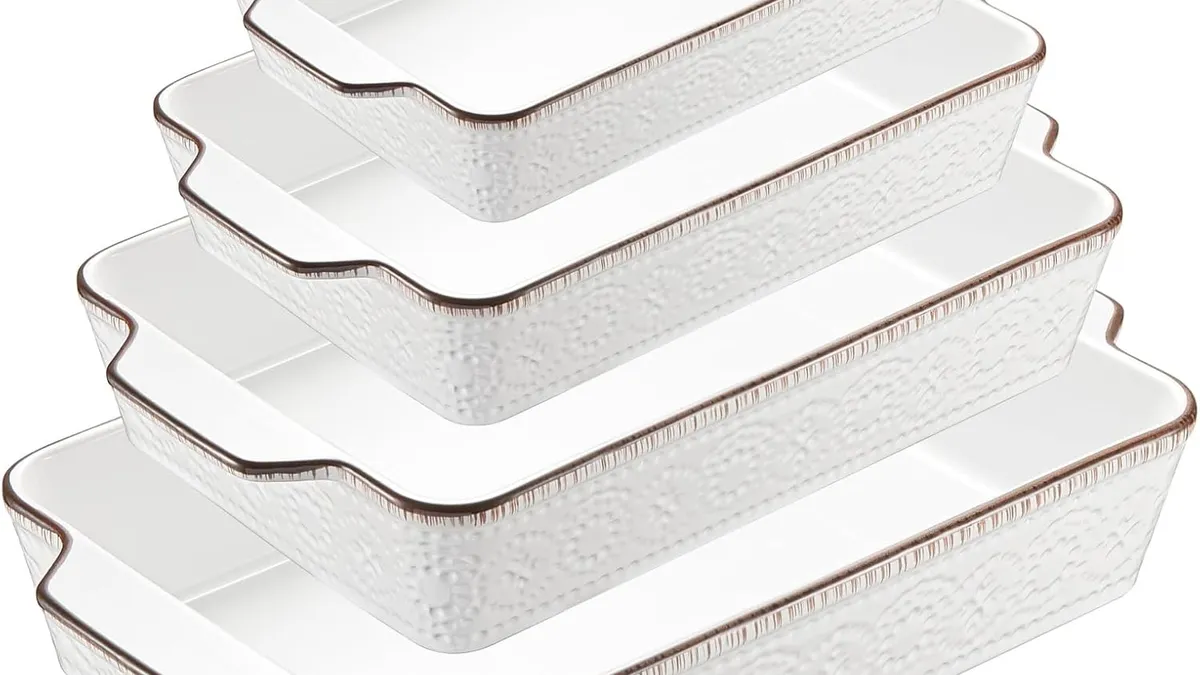
Can ceramic baking dish go under the broiler? Most cannot — only dishes labelled broiler-safe. Which ones qualify, and how to check yours.
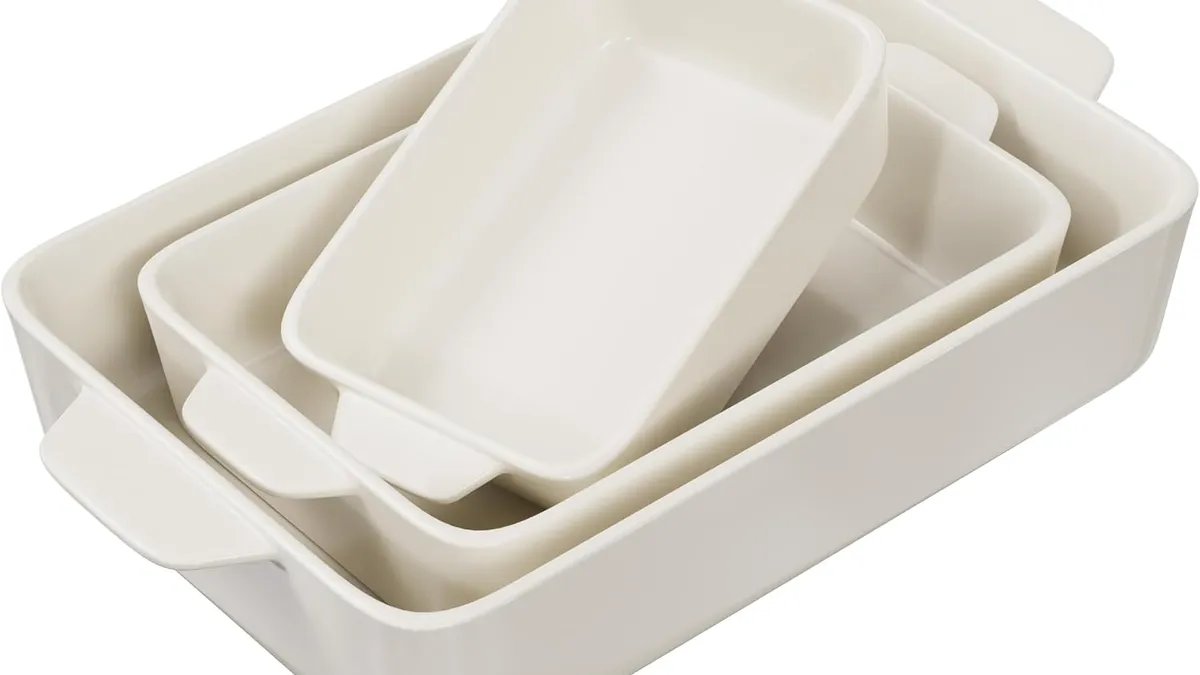
Can ceramic baking dish go in the microwave? Most glazed dishes can. How to check the label, the 30-second water test, and trim to avoid.

Can you put a ceramic baking dish on the stovetop? No — direct heat cracks solid ceramic. Learn why, the flameware exception, and what to use instead.

How to Freeze Soup Without Freezer Burn: A Beginner's Guide to flat-freezing bags, twist-top containers, and tray portions.

How to Keep Herbs Fresh Longer in the Fridge: tender vs woody herbs, jar, bag, and damp-towel methods, plus a fridge-life table.
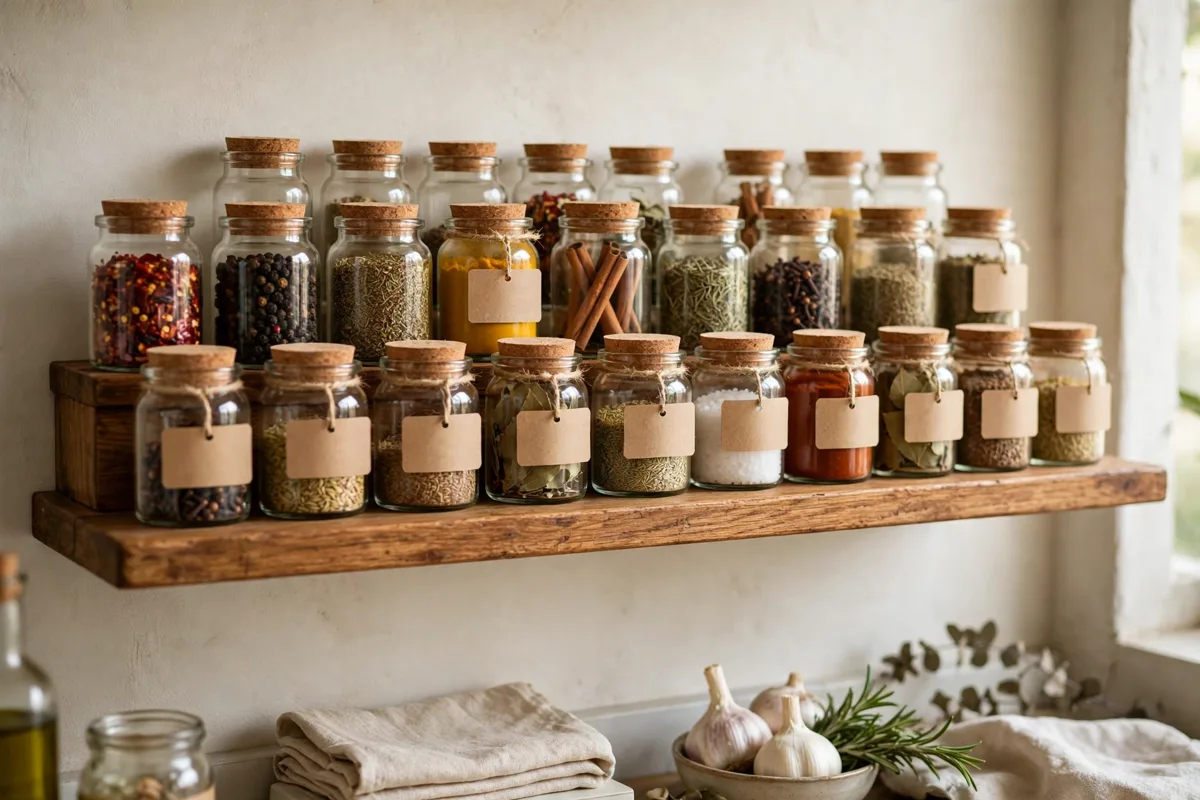
How to store spices so they stay fresh longer: a per-form decision table, a buy-small rule, and a quick freshness audit for every jar.
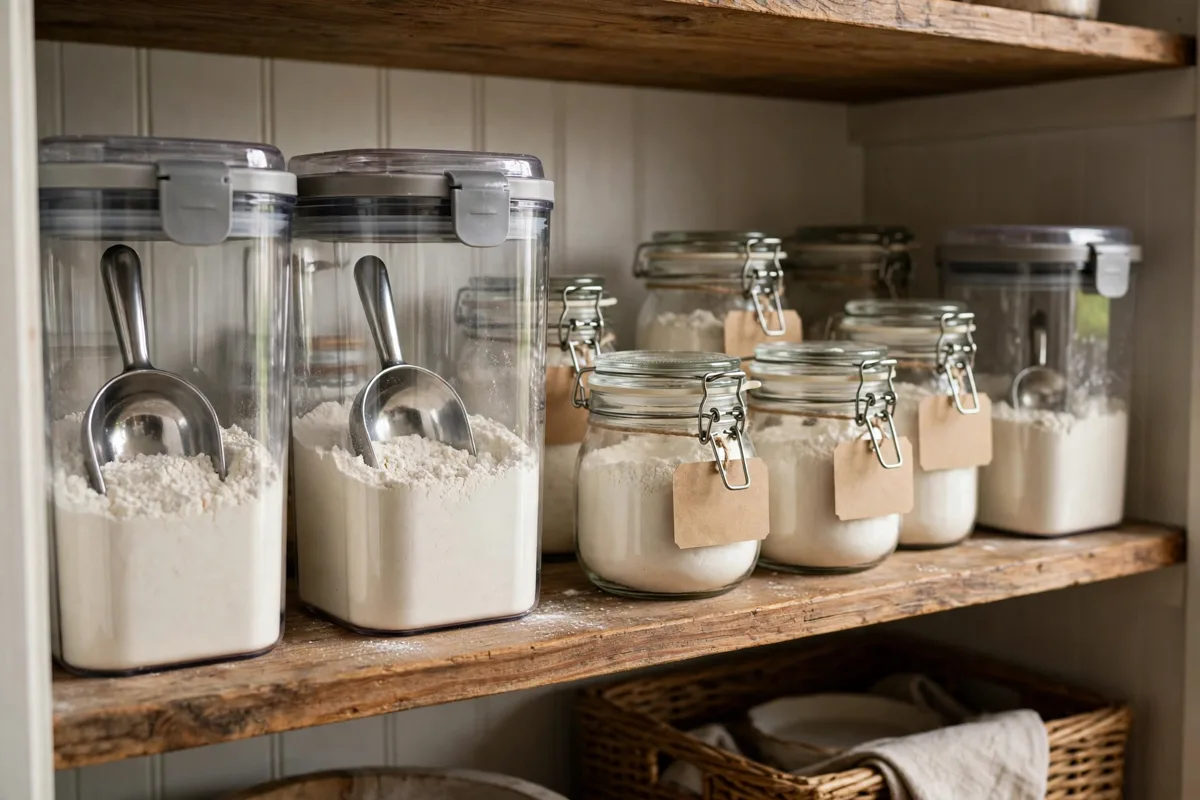
How to store flour long term in a pantry for beginners: freeze first for pests, then one airtight container, labeled, cool and dark.
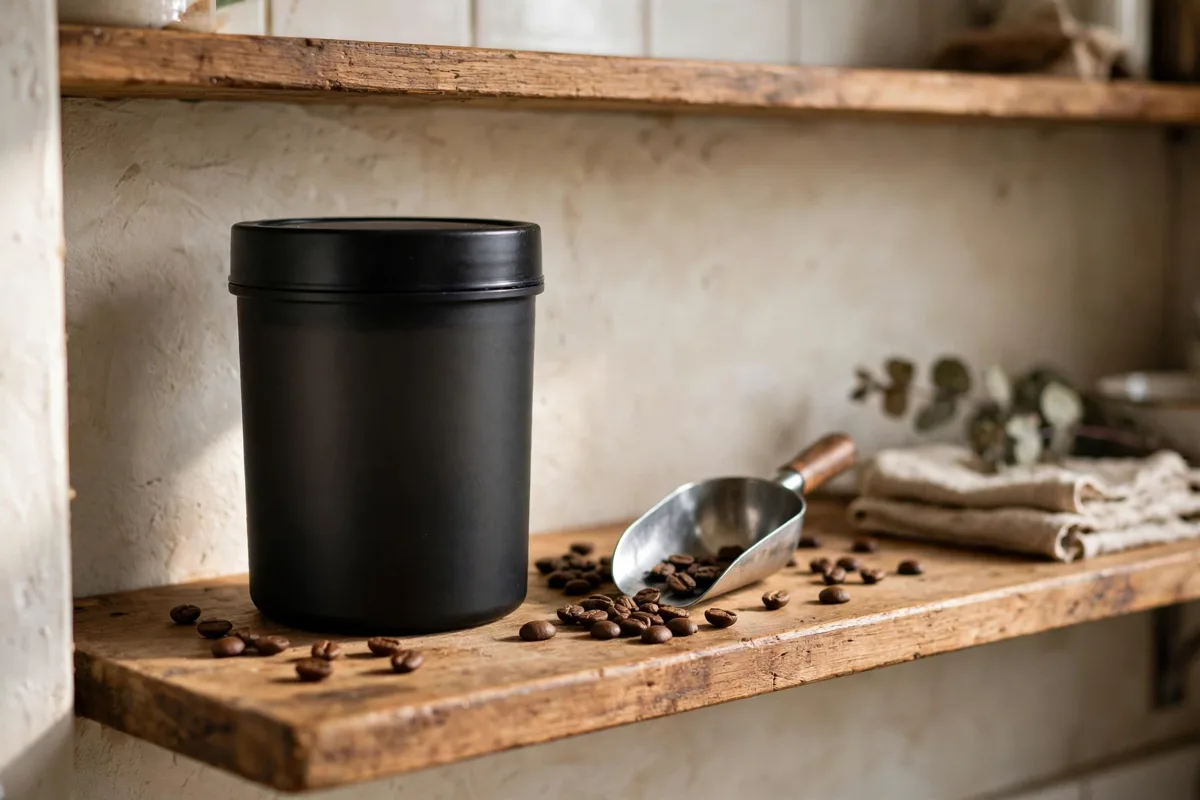
How to store coffee beans fresh for the longest time: buy a small bag, finish it in 2 to 3 weeks, and spot stale beans before you brew.

How to store onions and potatoes in the same pantry without spoiling them: separate ventilated containers, a small-pantry layout, spoilage checks.

How to store bananas so they stay fresh longer: green vs ripe handling, stem wrapping, when the fridge helps, and how to freeze the extras.

How to store tomatoes whole and after cutting: a ripeness-stage table, counter rules for whole ripe tomatoes, fridge rules for cut ones.

How to store bread for a small household without a bread box: freeze half in slices, keep a day or two on the counter, and skip the fridge.
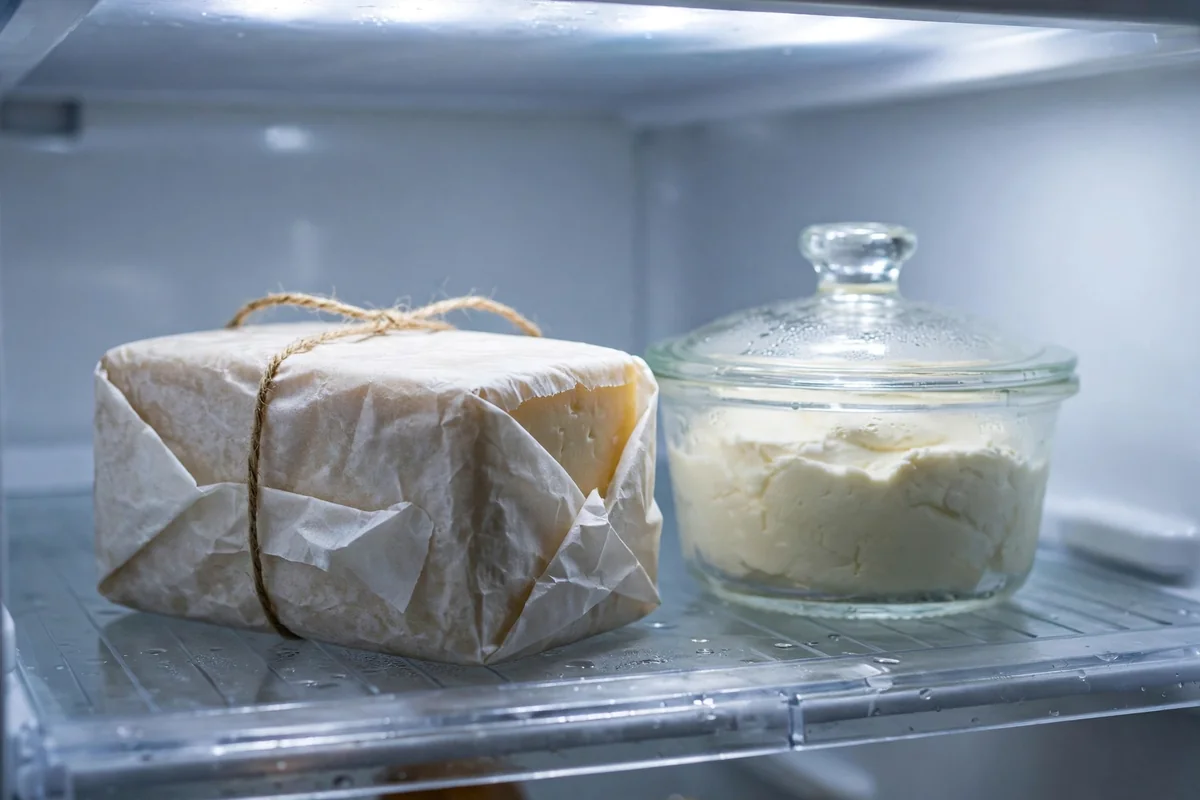
How to store cheese after opening: wrap each type the right way, place it well in the fridge, and know the mold rules before you cut or toss.

How to store opened canned food in the fridge safely: move it out of the can, cover and label it, and follow the by-type fridge days.
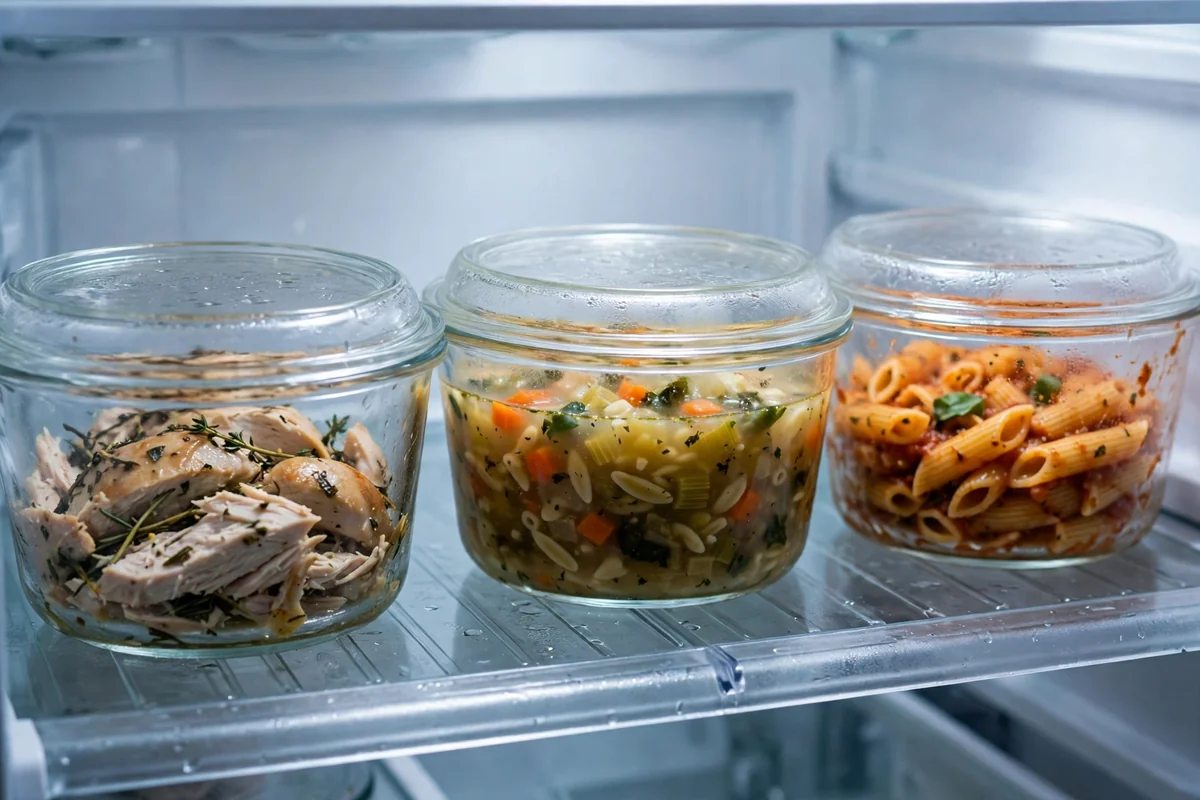
How long do leftovers last in the fridge by food type? Dish-by-dish fridge table, the general 3 to 4 day rule, and reheating guidance.

How to keep pantry bugs out of dry food: inspect new packs, freeze flour and grains first, seal in hard containers, and rotate stock.

How long can food sit out at room temperature? The 2-hour rule, the 1-hour hot-day limit, and what to do when the clock runs out.

How to cool leftovers quickly before the fridge: shallow containers, an ice bath, and the 2-hour rule that keeps food safe while it cools.

How to store cooked chicken in the fridge safely: cool it within 2 hours, label the date, eat it within 3 to 4 days, and reheat it once until steaming hot.

How to store eggs in fridge correctly: keep them in their original carton on a middle or lower shelf at 40°F or below, pointed end down — never in the door.

How to store fresh herbs without fridge: stand tender herbs in a jar of water in a shaded spot — basil stays out of the fridge, woody herbs get a damp towel.

How to store garlic so it does not sprout: whole bulbs at 60 to 65°F in a cool, dry, dark spot — mesh or paper bag, never the fridge or a sealed bag.

How to store lemons so they last longer: whole lemons in the crisper last 3 to 4 weeks, not 1 week on the counter; cut lemons last 3 to 4 days wrapped.

How to store milk so it lasts longer in fridge: keep it at 40°F or below on an interior shelf, never in the door — opened milk lasts about 7 days.

How to store onions so they last longer: keep whole dry bulbs cool, dark and ventilated in a mesh bag — never in plastic and never next to potatoes.

How to store potatoes so they do not sprout: keep them dark, cool, dry and ventilated, away from onions — the right spot keeps potatoes firm for months.

How to store raw meat in the fridge safely: bottom shelf, sealed tray, fridge at or below 40°F, and the 1 to 2 and 3 to 5 day windows for each cut.
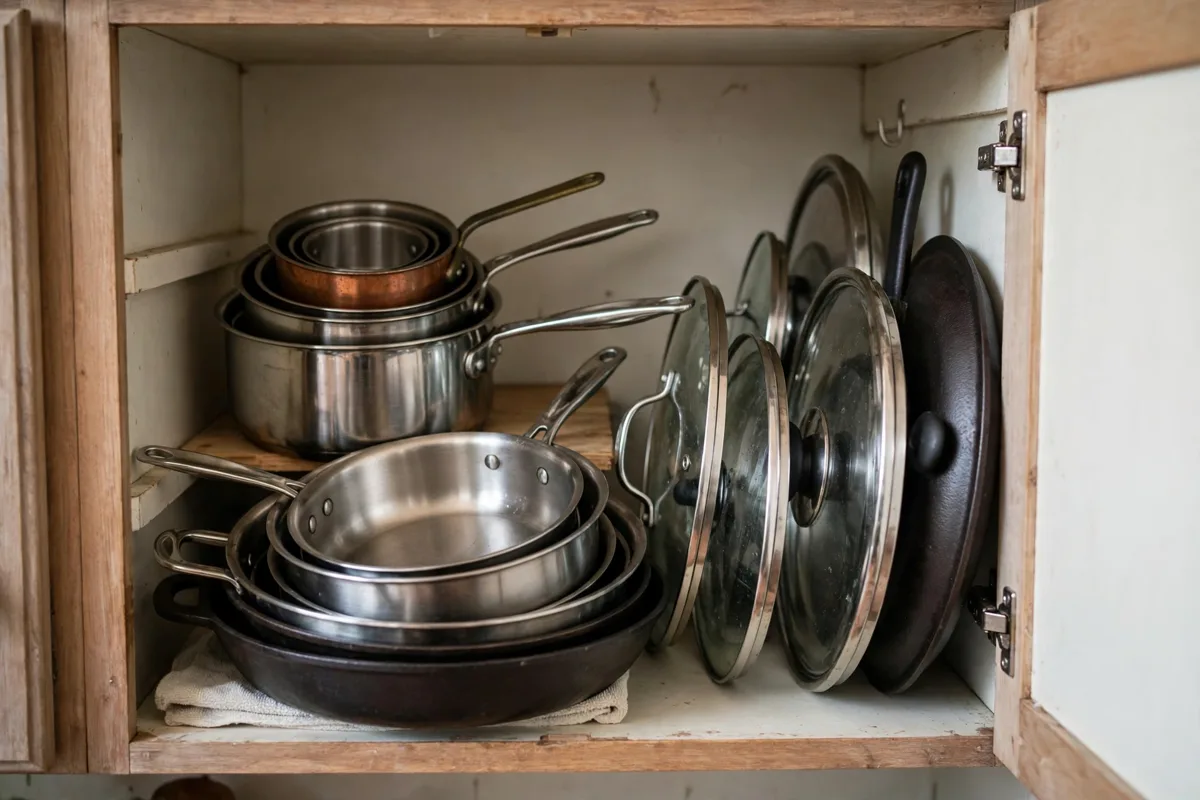
How to store pots and pans in a small kitchen with stacking ideas: nest largest first, cap the height, protect surfaces, and place lids well.
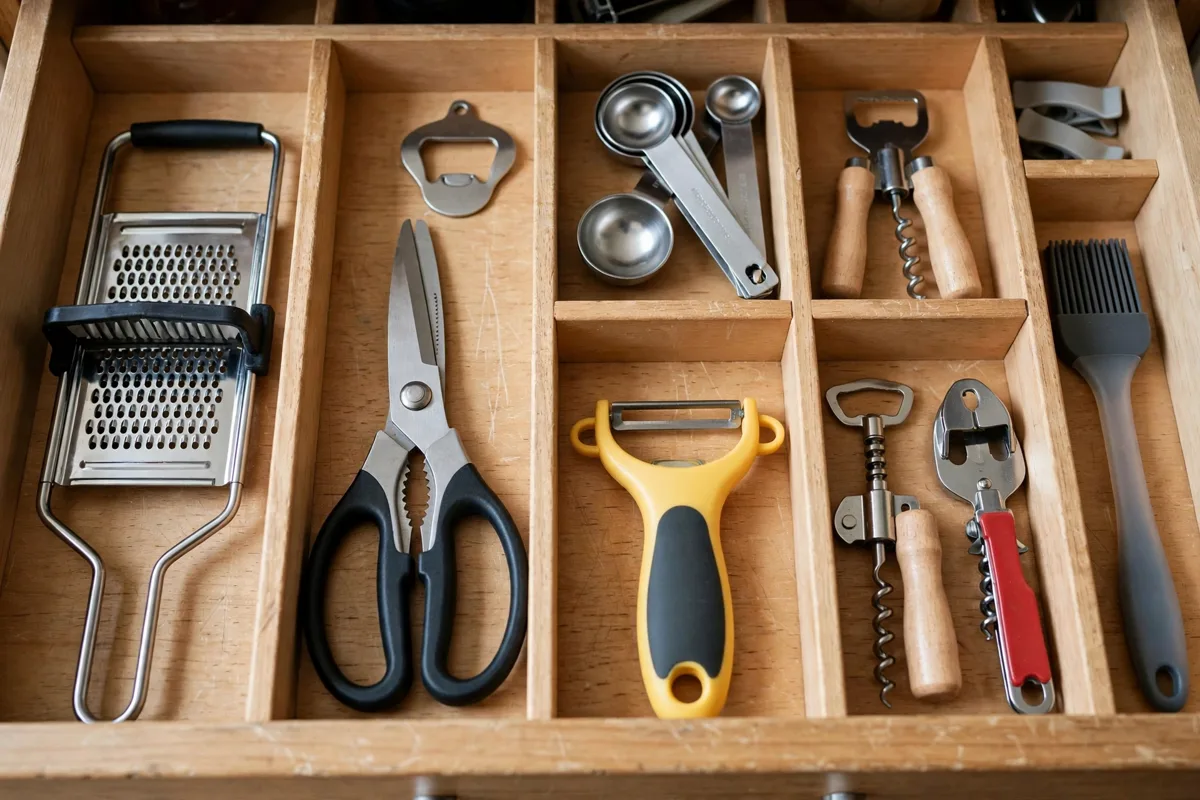
How to store kitchen gadgets: small-kitchen organization with a worked drawer layout for a mandoline, grater, shears and peeler, front to back, with blade safety.
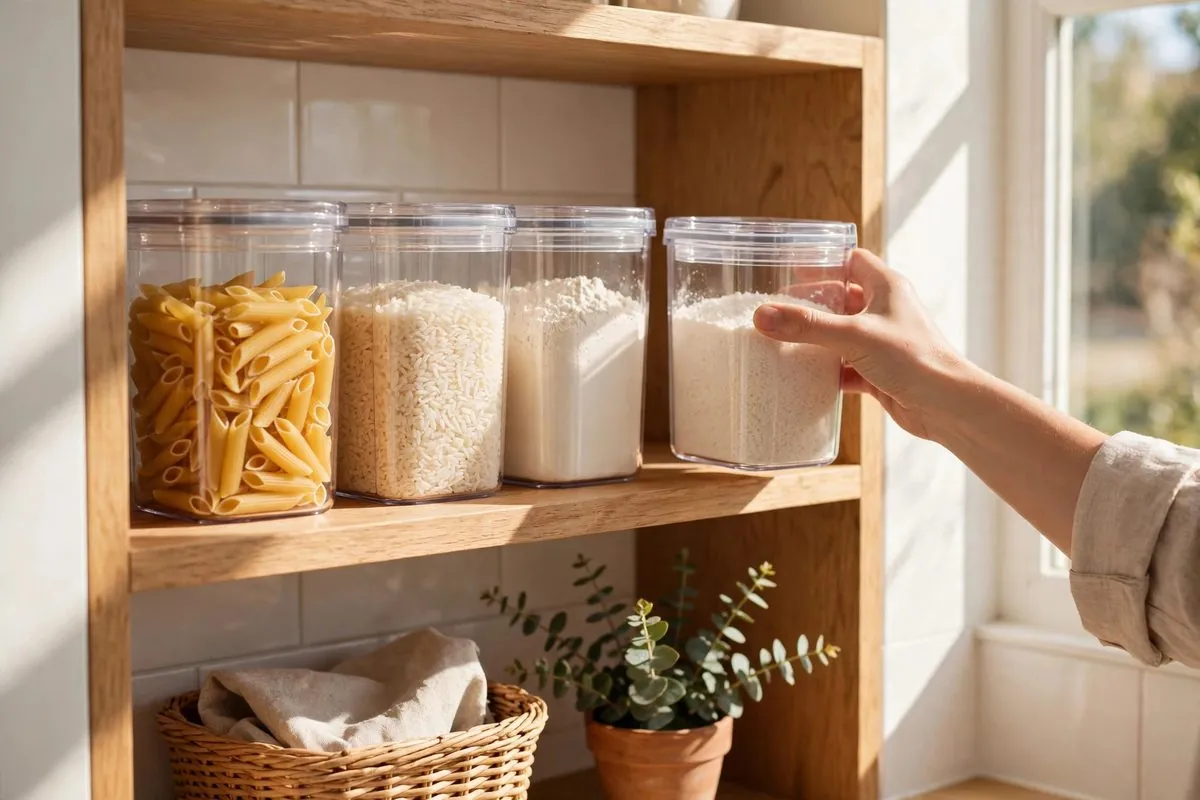
How to organize a pantry with storage containers: measure the shelf first, then square vs round, zones, decanting.
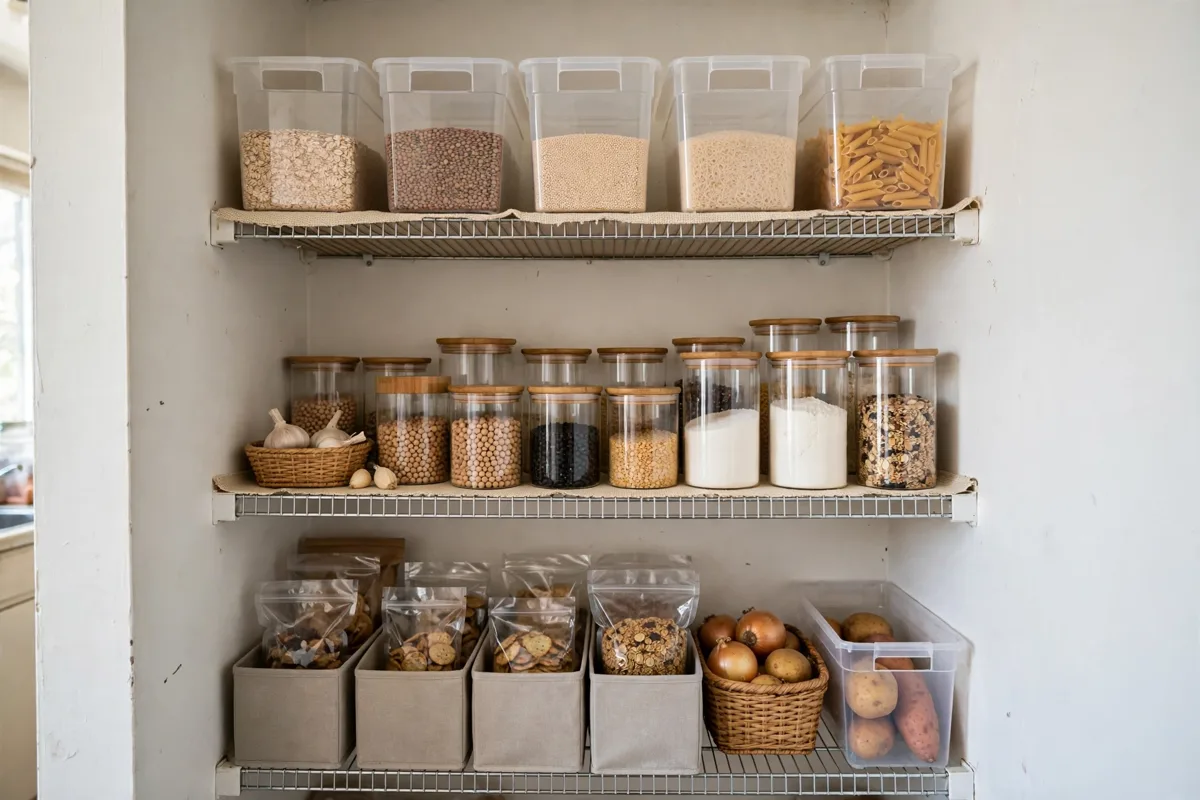
How to organize a small pantry without renovation: removable, renter-friendly zones and a one-week test before you buy any storage.

How to organize deep kitchen cabinets for beginners: measure first, zone by frequency, and pick turntables, baskets, or bins that reach the back.
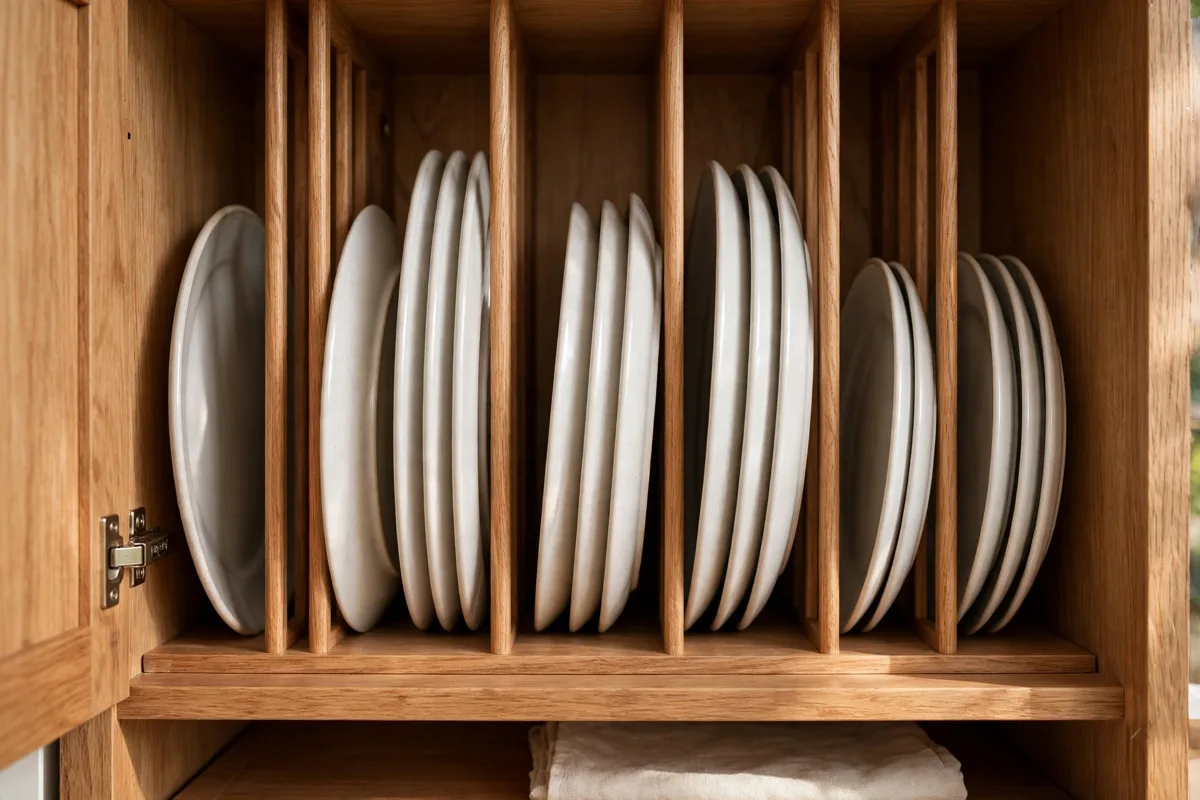
How to store dinnerware in small cabinets without chipping: short stacks, dividers, and spacing tricks that protect rims in tight cabinets.
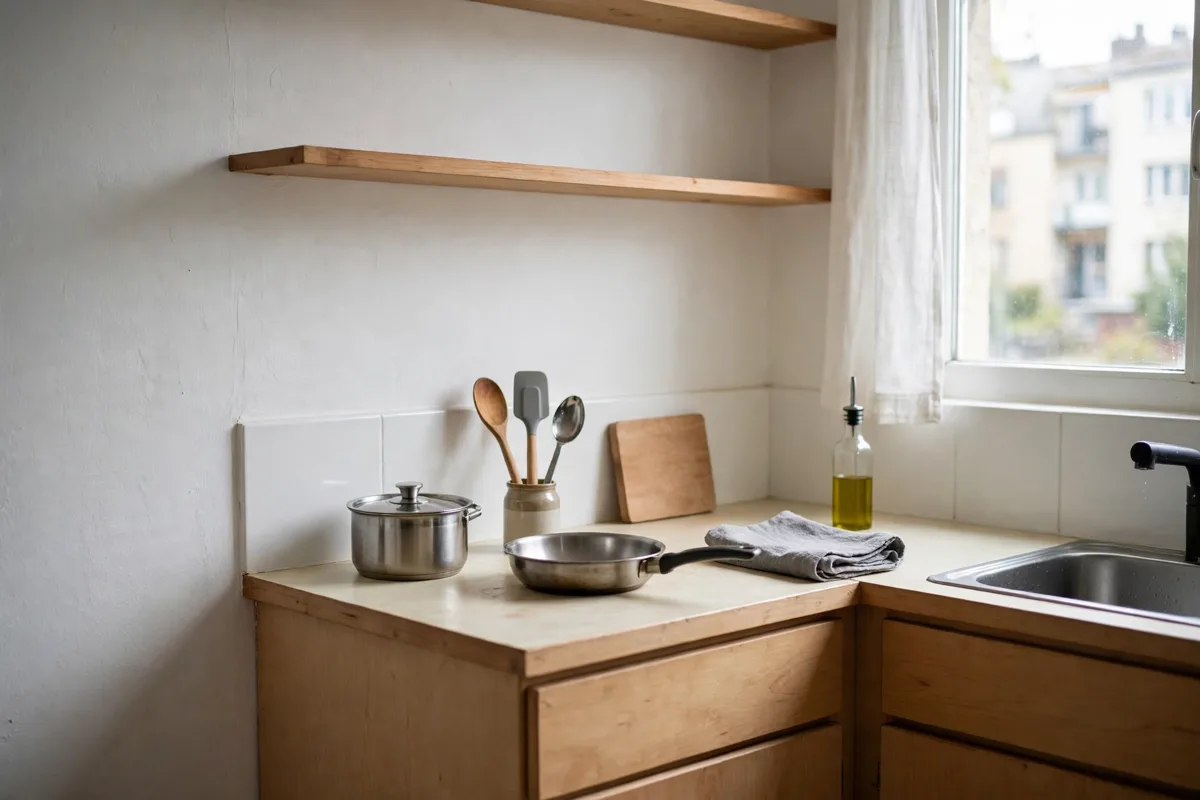
How to set up a first apartment kitchen without overbuying: buy in the order you cook — a day-one kit first, then only what a real meal needs.

How to organize fridge zones by shelf: ready-to-eat food on top, dairy in the middle, sealed raw meat low, and condiments in the door.
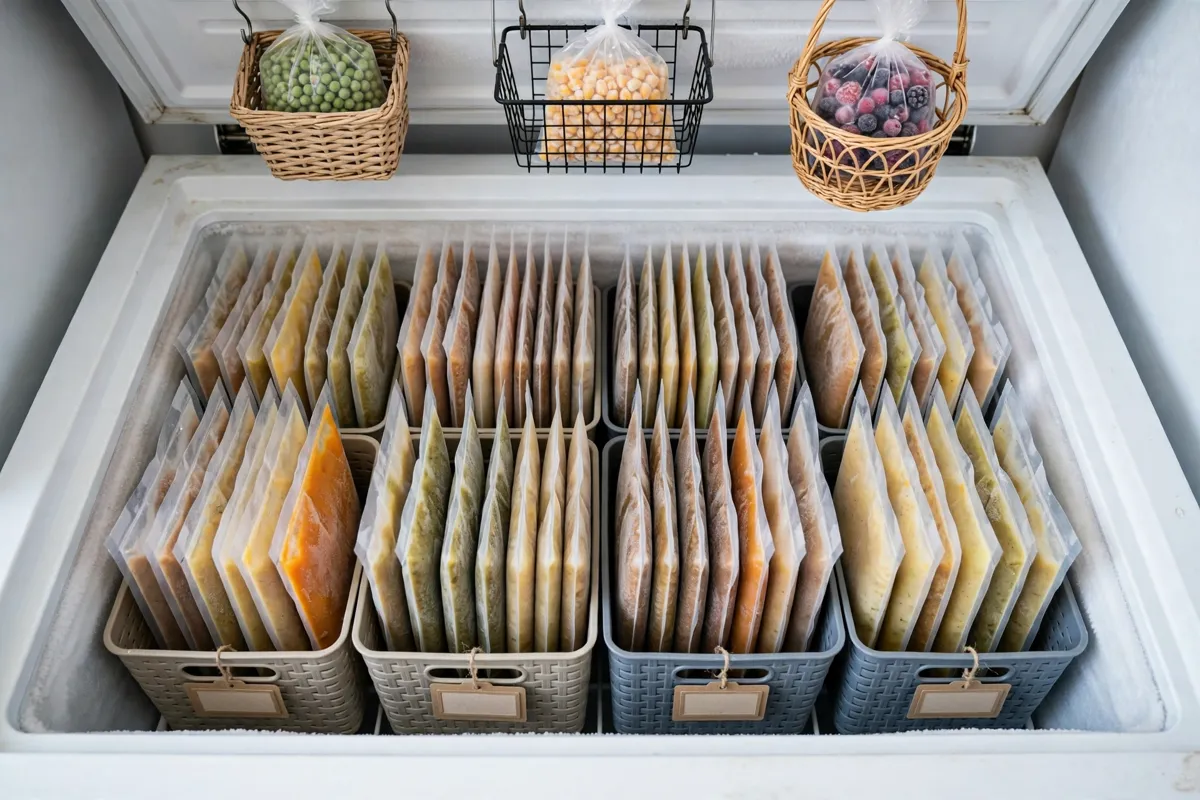
How to organize a small freezer and chest freezer: sort by category, freeze flat, label and date, and eat oldest first — no more lost bags.
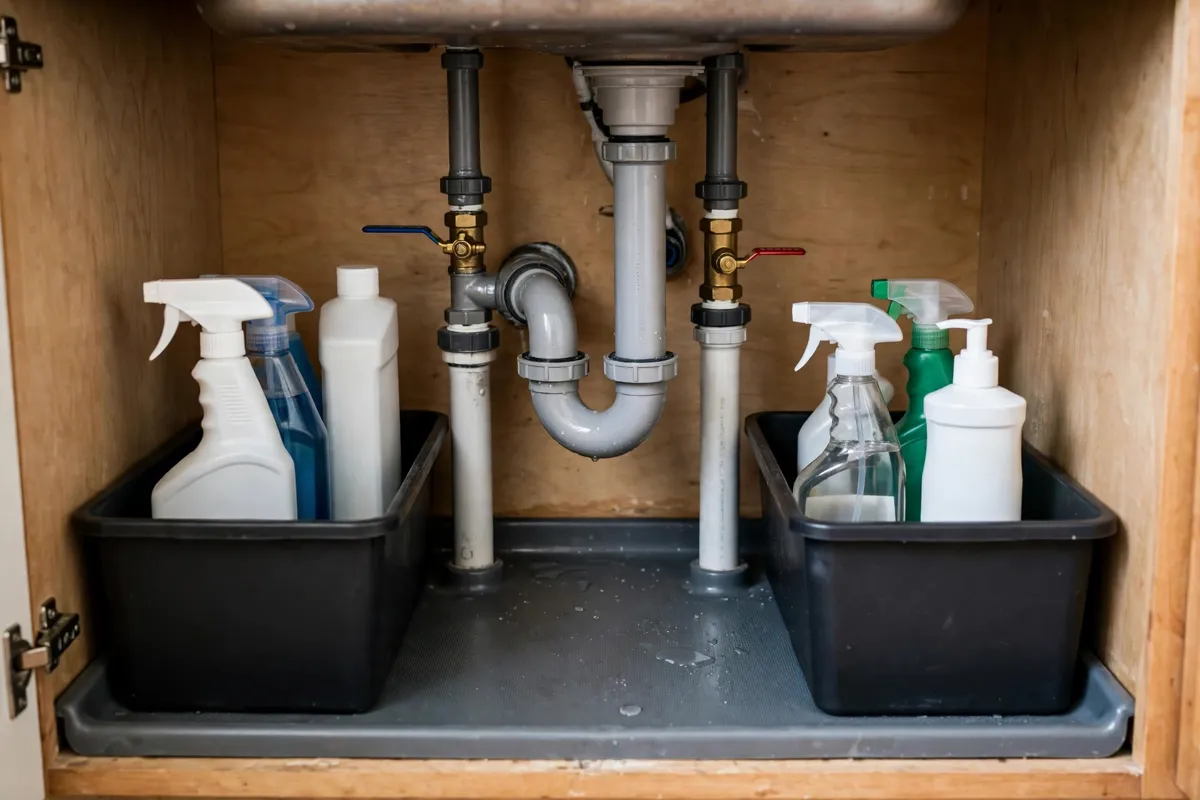
How to organize under the kitchen sink in a small kitchen: measure around pipes, fit two-sided bins and door hooks, and check for leaks monthly.

How to organize baking supplies in a small kitchen: group by use, label airtight containers, and put heavy items low so baking starts fast.

How to store baking sheets upright in a small kitchen: measure sheet and cabinet, then file upright with rods, a rack, or drawer dividers.

How to store cutting boards in a small kitchen: dry fully first, stand upright with airflow, and keep the raw-meat board separate.

How to store knives safely without a knife block: magnetic strip, in-drawer slotted tray, or blade guards — never loose in a drawer.

How to store pot lids in a small kitchen: measure the tallest lid, then file lids upright with a door rack, tension rod, or plate rack.
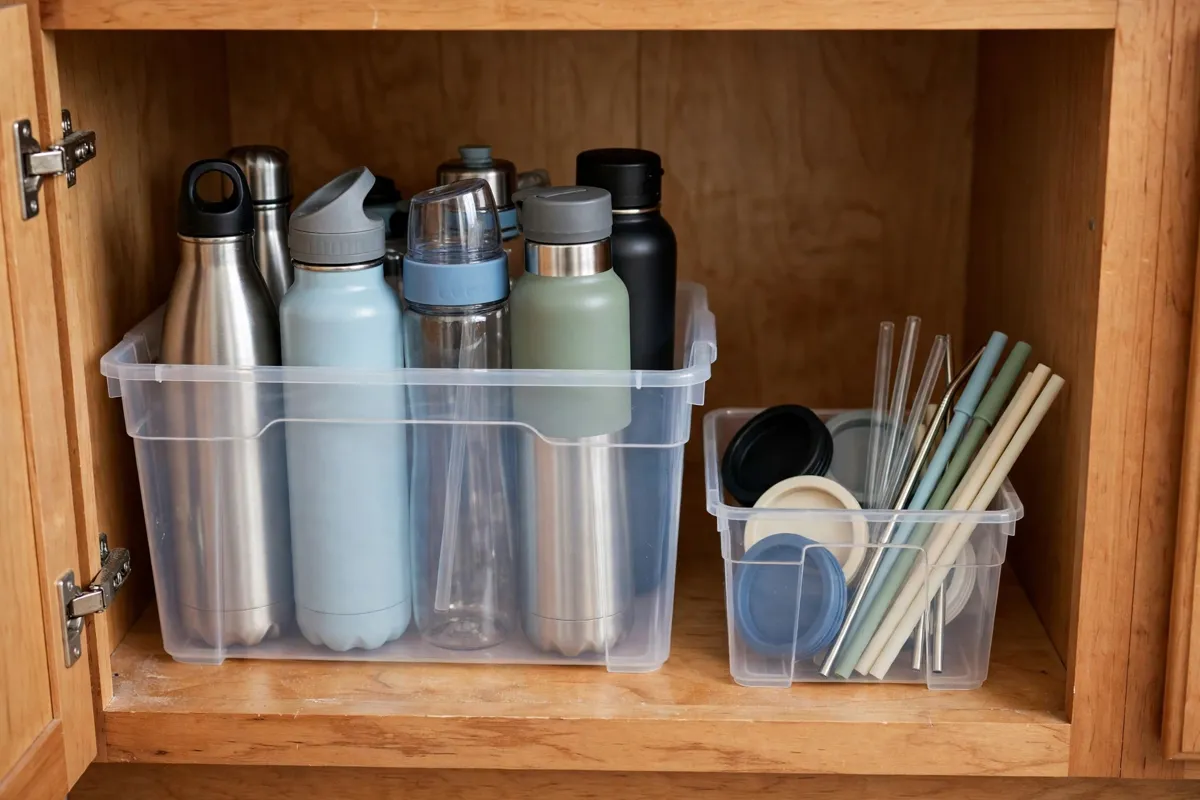
How to store reusable water bottles in a kitchen cabinet: measure the tallest bottle first, stand bottles upright in a bin, lids together.

How to organize a kitchen junk drawer: rename it a utility drawer, keep one drawer only, sort keep, move, and toss, and reset it weekly.
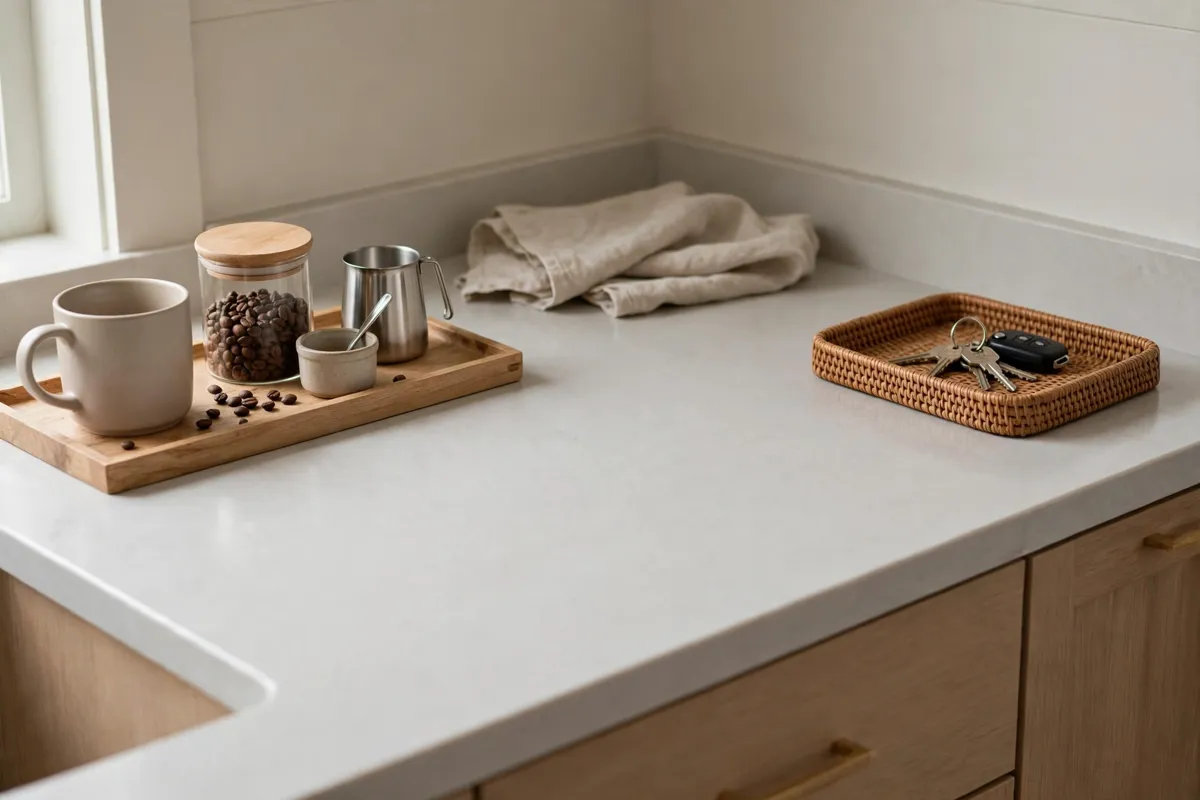
How to organize a small kitchen counter without clutter: daily items only, one tray per zone, and a protected prep stretch that stays clear.
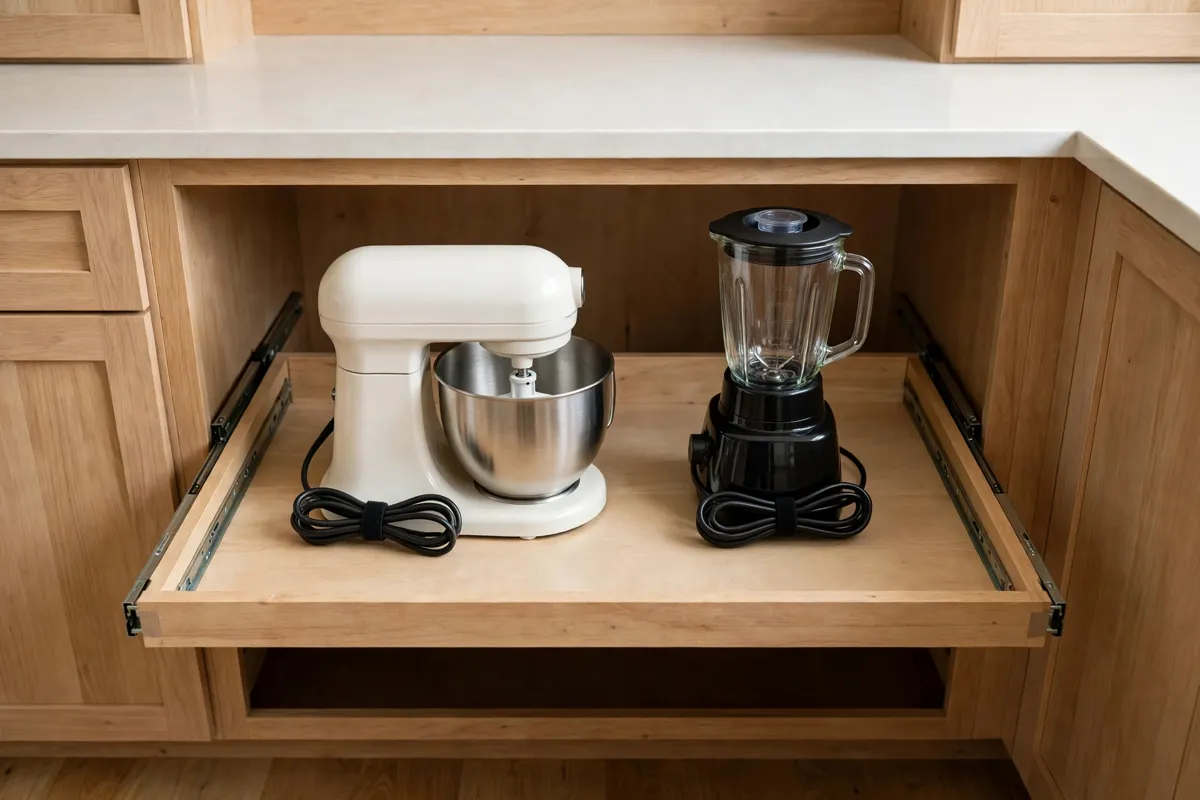
How to store small kitchen appliances you do not use every day: daily on the counter, weekly low, monthly higher, heavy items low.

Small apartment kitchen decor ideas renter friendly: peel-and-stick backsplash, no-nail wall decor, open shelves, and warm lighting that come off cleanly.
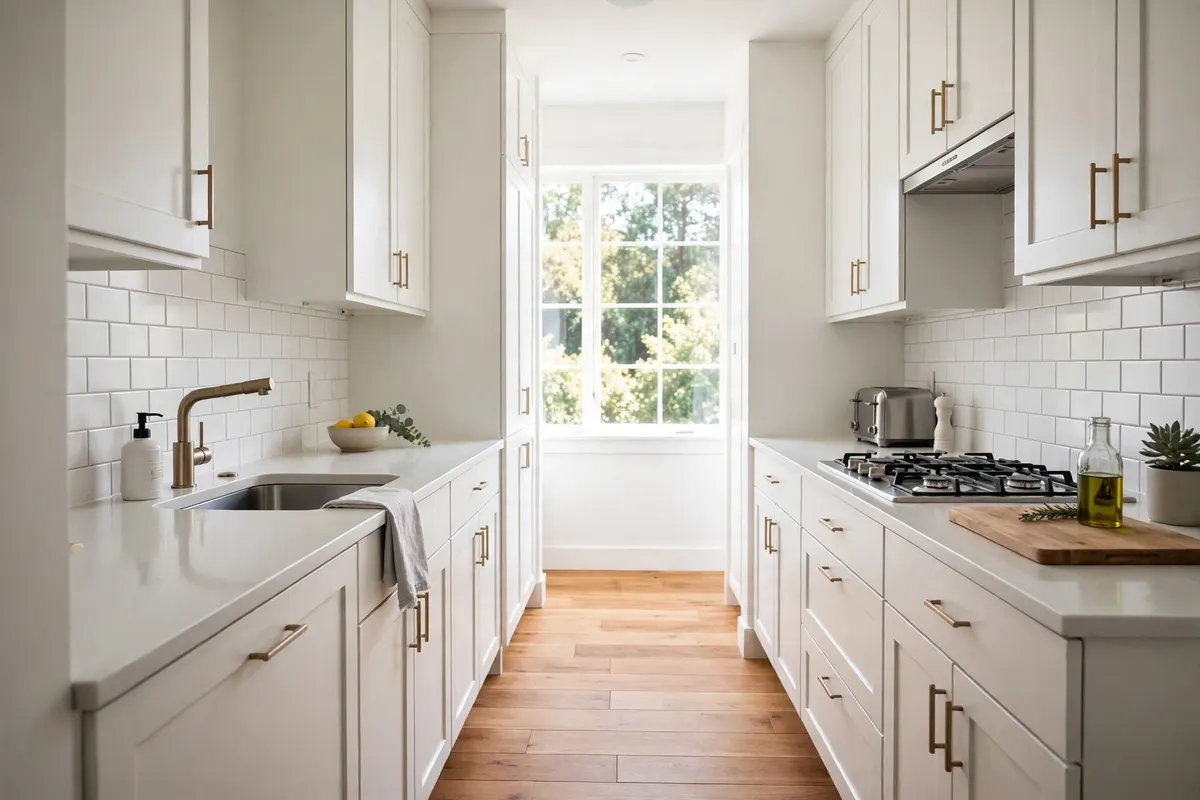
Small kitchen interior design galley layout: compare galley, single-wall, and L-shape plans, and make a narrow kitchen feel roomy without a remodel.

What kitchen tools do beginners need first: the 8 tools that cook 90 percent of meals, what to skip, and the order to buy them in.

How to set up a kitchen with no oven: the 4 appliances that replace it, what each one cooks, and a first-week meal plan that needs no oven.

How to cook in a small kitchen without counter space: a cutting board over the sink, a rolling cart, and a cook-in-stages workflow that works.

How to keep a small kitchen clean while cooking: a clean-as-you-go routine, a soapy sink at the start, and a 5-minute reset after dinner.
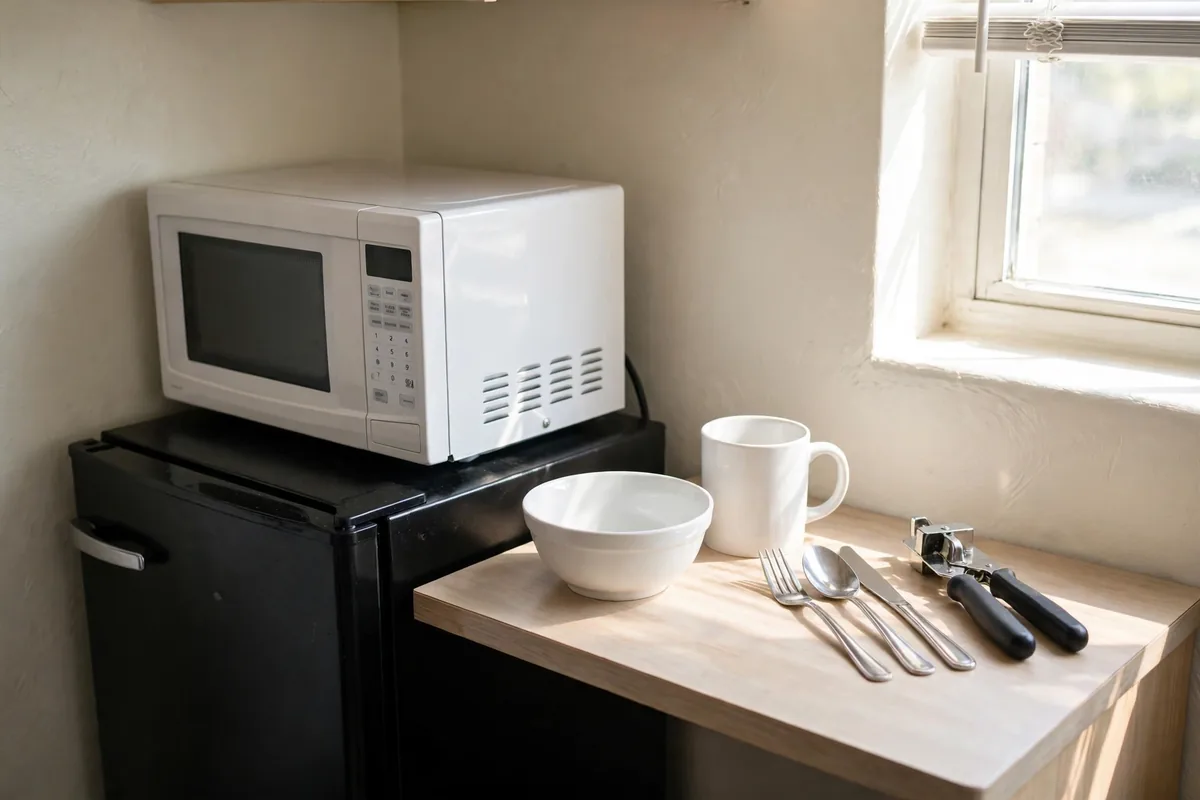
Kitchen essentials for college students in a small kitchen: the 5-item dorm kit, the apartment upgrade, and what to skip.
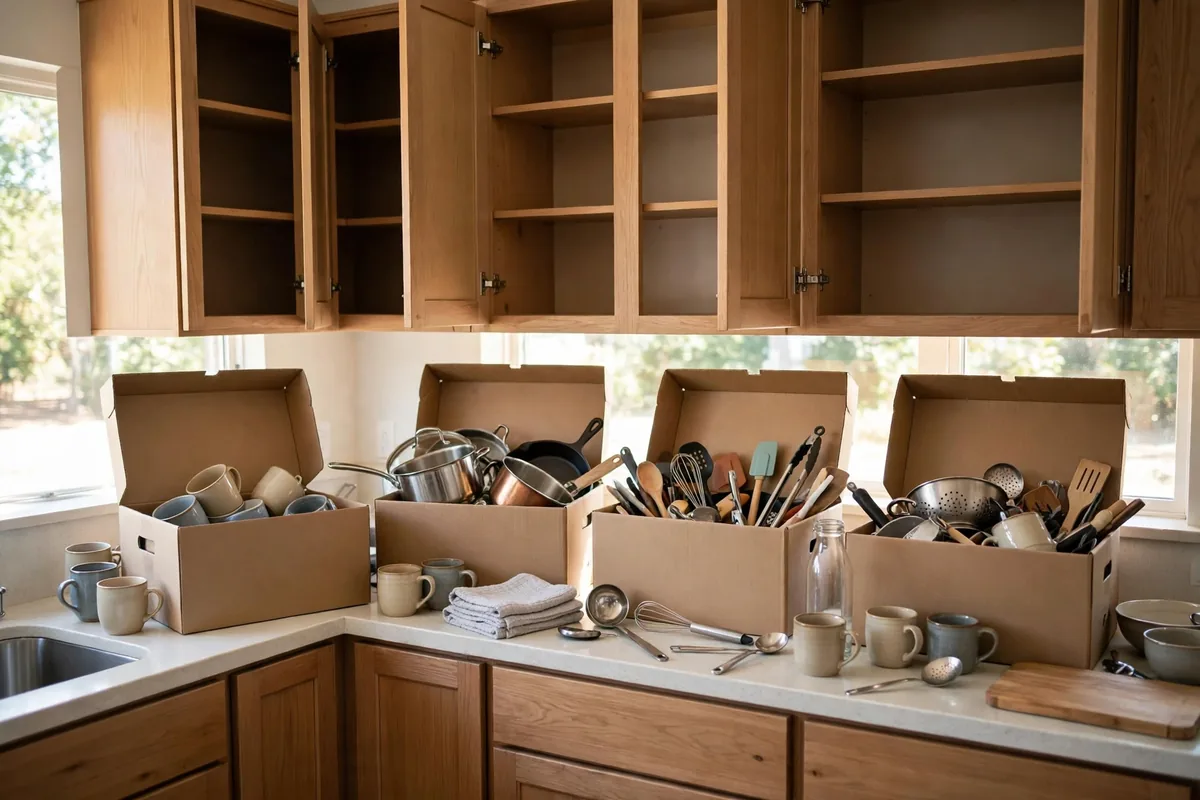
How to declutter a kitchen in one weekend: a Saturday sort with the 4-box method, a Sunday reset, and the rule that keeps it clear.
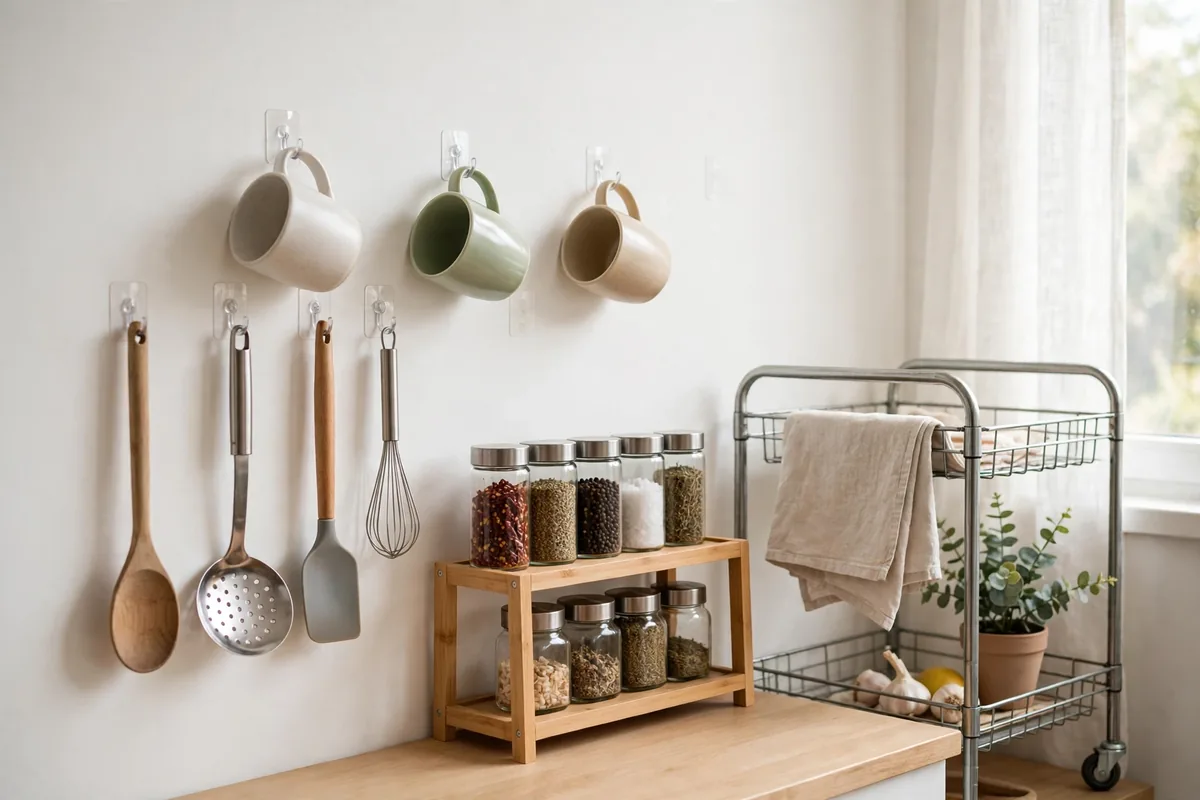
How to organise a small kitchen for renters without drilling: adhesive hooks, tension rods, and over-door racks that come off cleanly.

How to organise a kitchen without a pantry: zones in your cabinets, a rolling cart for backup food, and jars that make food easy to find.
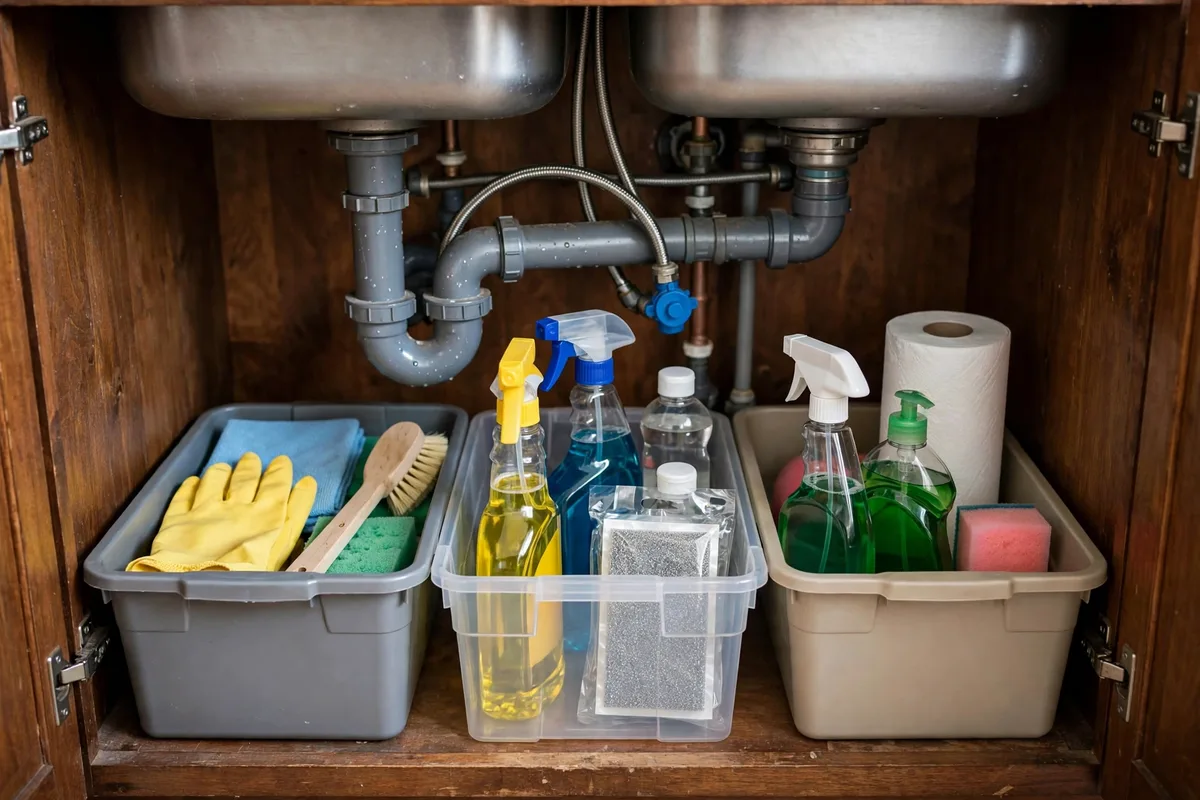
How to organise cleaning supplies under sink safely: daily caddy at the front, weekly bin behind, never block the valves — and never mix bleach and ammonia.

How to organise fridge door without wasting space: move milk and eggs to a shelf, group condiments by use, and keep every bottle upright and visible.

How to organise spice rack in small kitchen: pull every jar out, sort by how often you cook with it, and give spices one home away from heat and light.

How to organise utensil drawer in small kitchen: empty it, keep the 8 to 12 daily tools, measure the drawer, and fit dividers that match your tools.
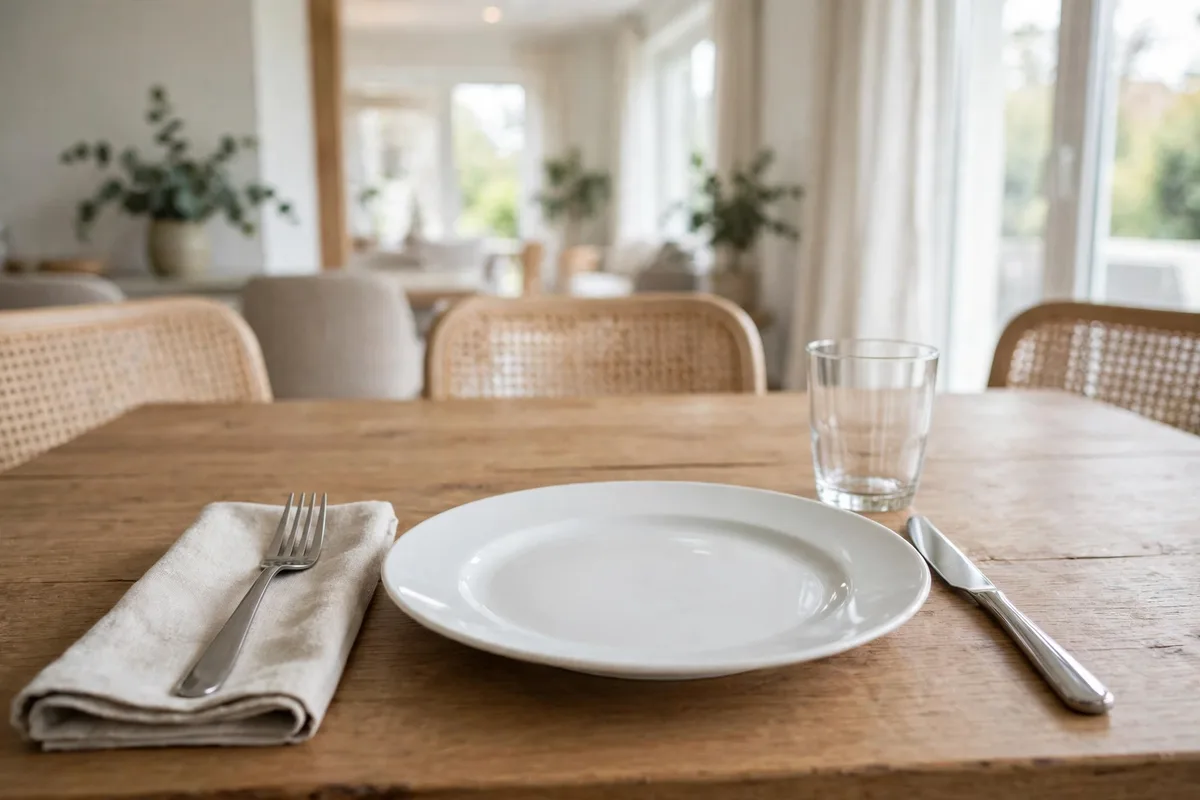
How to set the table for beginners: plate in the center, fork left, knife right with the blade in, glass above the knife — a correct setting in minutes.
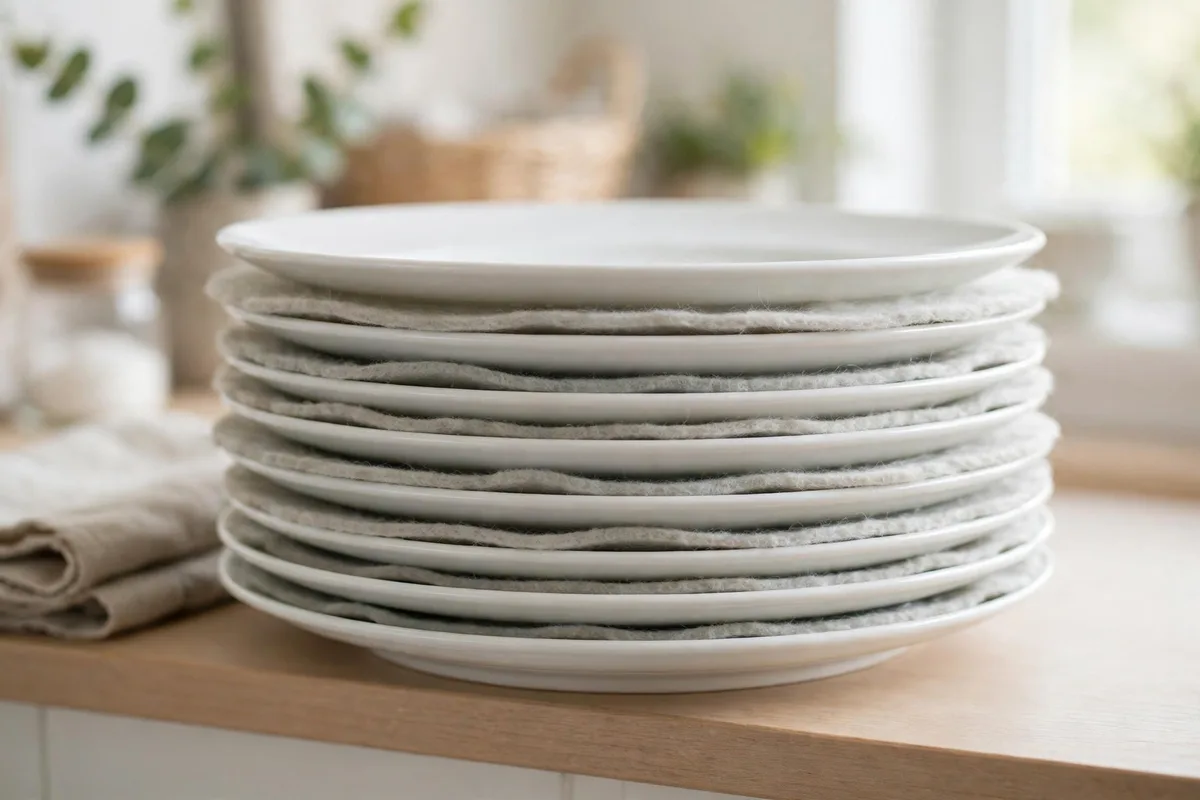
How to stack plates without chipping: sort by size, use a divider between every plate, and keep stacks short so rims never grind together.

How to choose a cookware set for beginners guide: the starter pieces tied to real cooking, materials by dish, stove and storage checks, and pieces to skip.
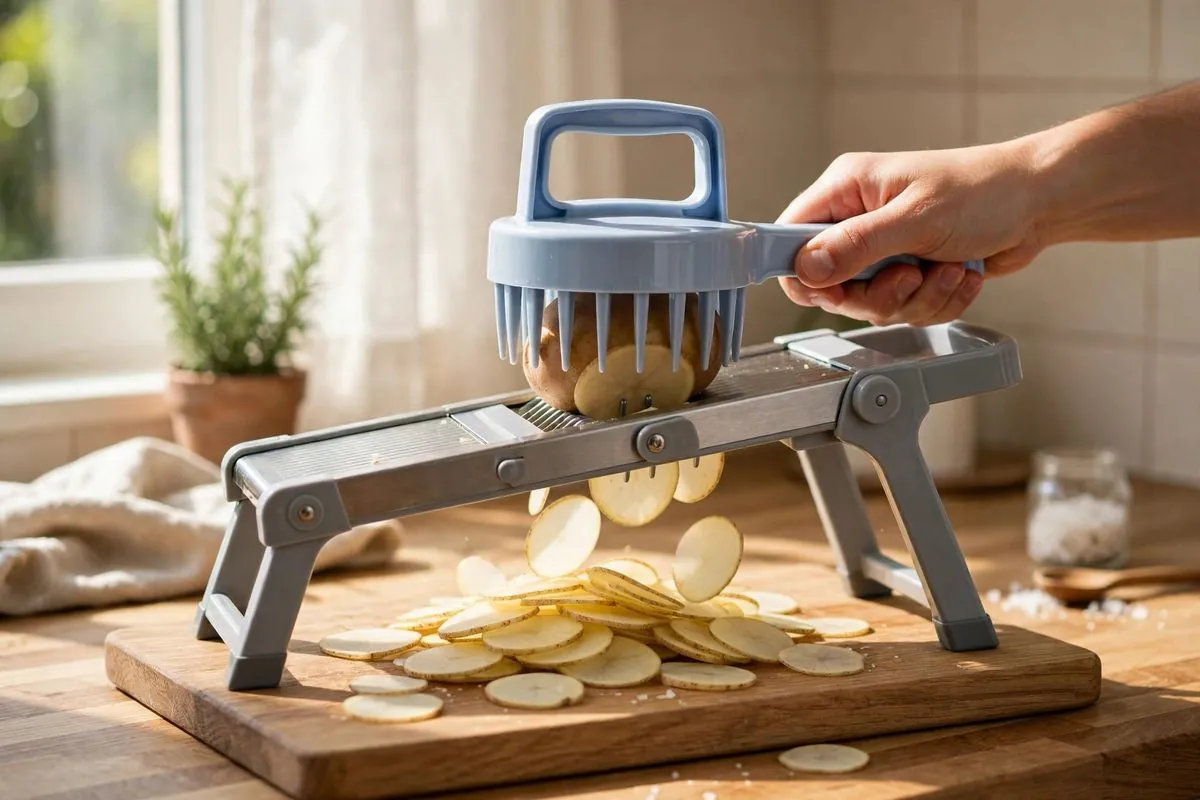
How to choose a mandoline slicer for beginners: safety design first, then thickness control, blades, and storage.
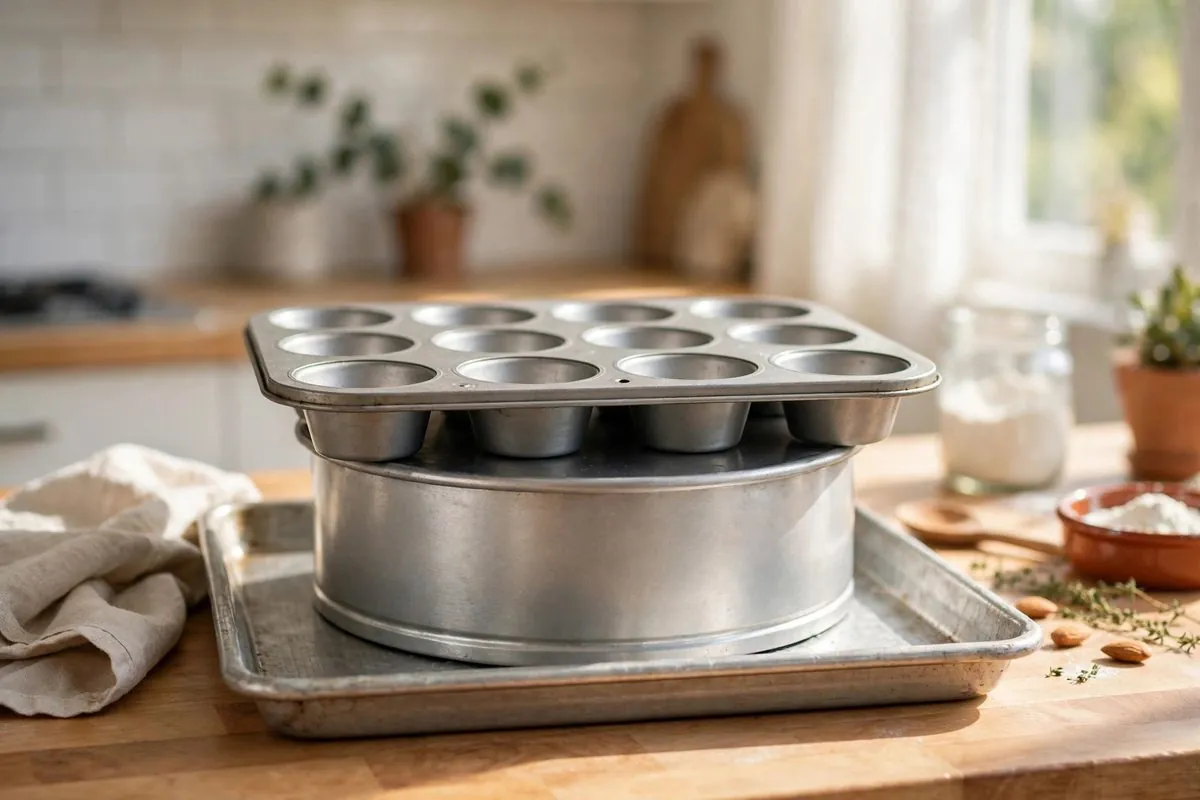
What baking pans do beginners need first? The 3-pan starter core, then the next two pans — and pans to defer.
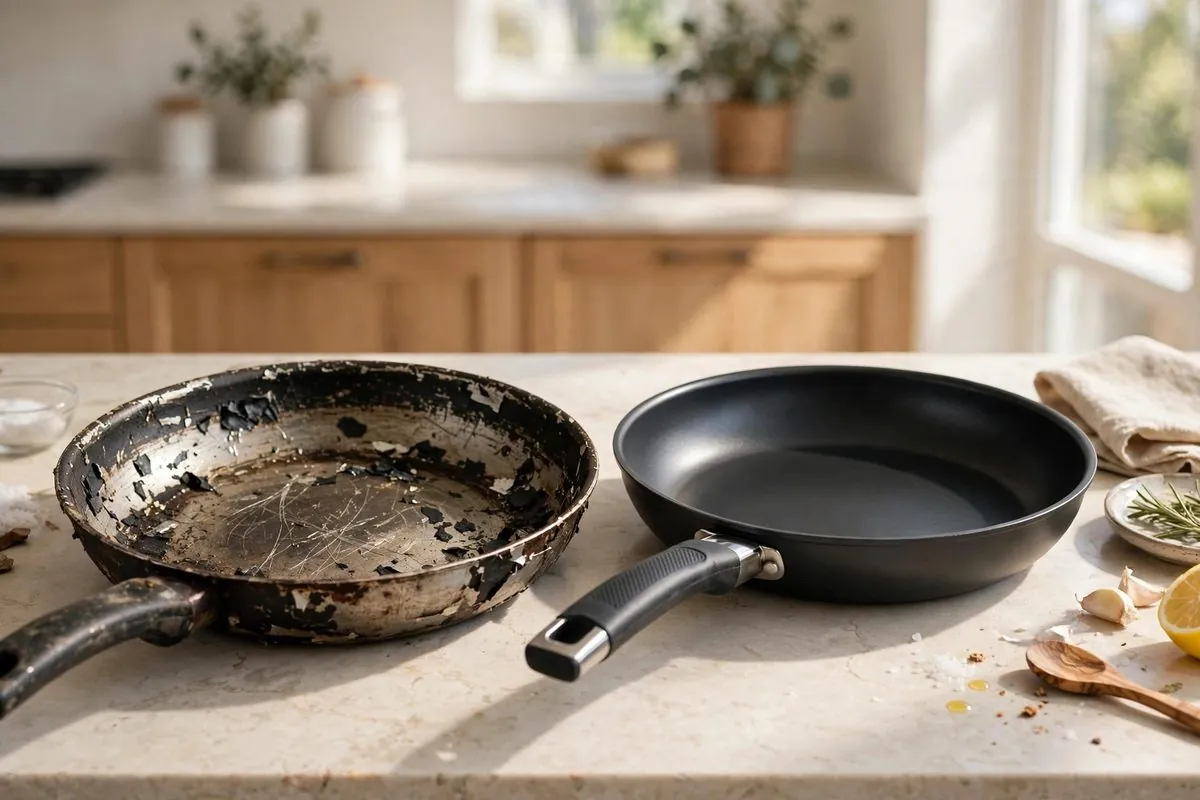
When to replace a nonstick pan: five clear replace signs, light scratch vs replace, and what to do next.

How to tell stoneware from porcelain at home: foot-ring, weight, light, and sound checks you can do safely without breaking a plate.

How to Choose a Knife Set for Beginners: start with three knives, test the grip, and skip the big block until you know what you cook most.

Wood vs plastic cutting board for beginners: use one wood board for vegetables and bread, and one plastic board for raw meat, with simple care.

How to Choose Baking Sheet Material for Beginners: compare aluminum, steel, and nonstick by gauge and color, and pick one sheet first.
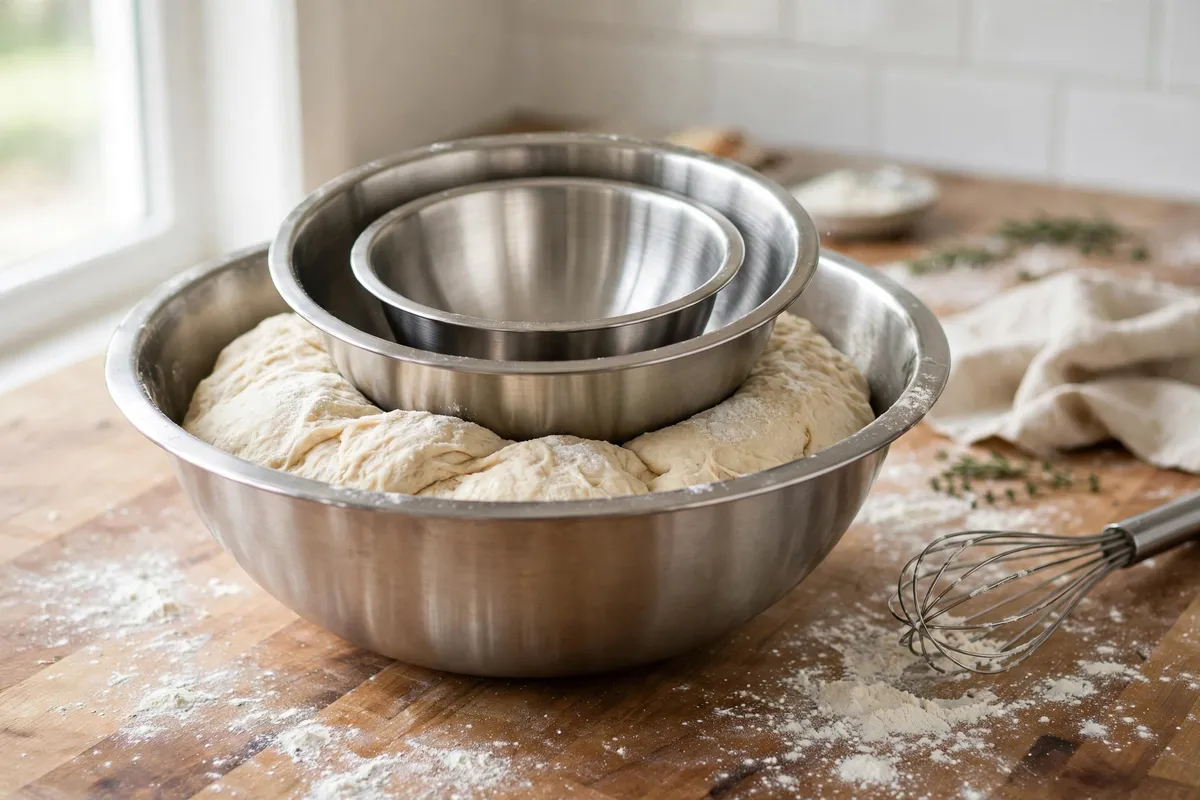
How to Choose Mixing Bowl Sizes for Beginners: pick small, medium, and large bowls in quarts, with a worked pancake and bread example.
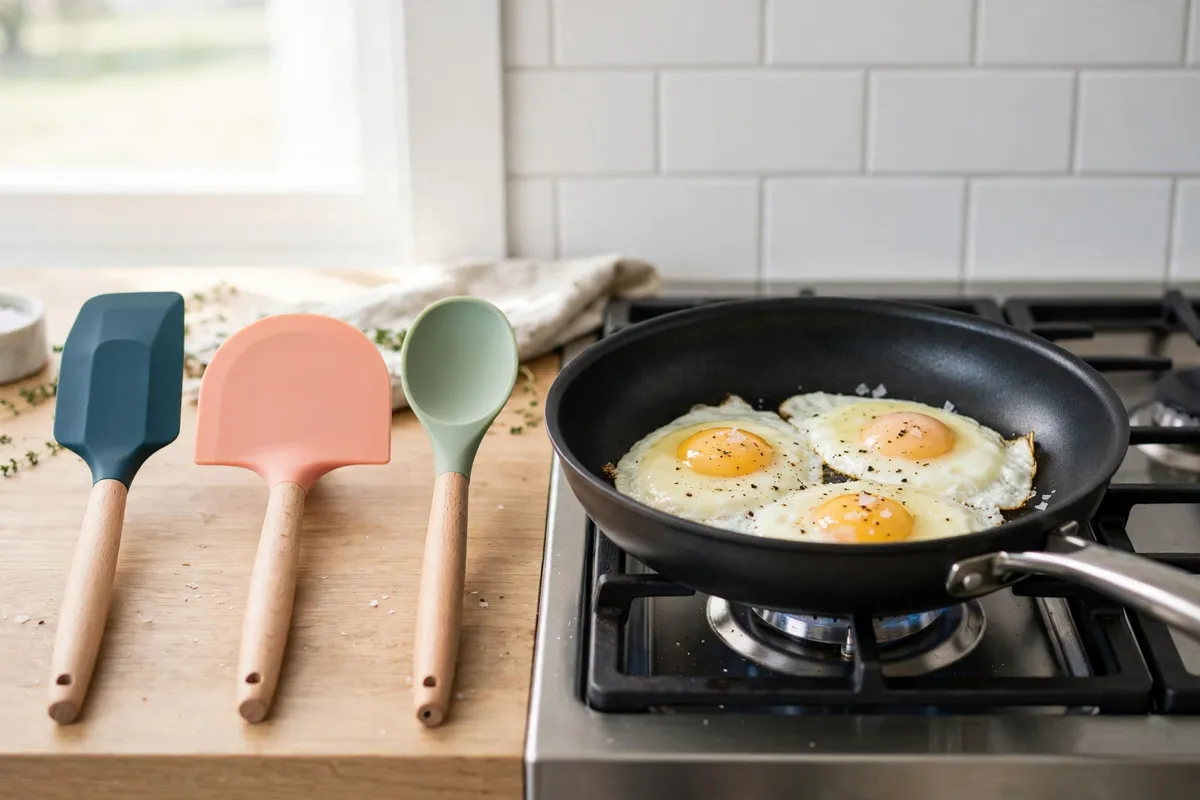
How to Choose a Heat-Resistant Spatula for Beginners: compare turner, scraper, and spoonula, and check the heat rating before you buy.
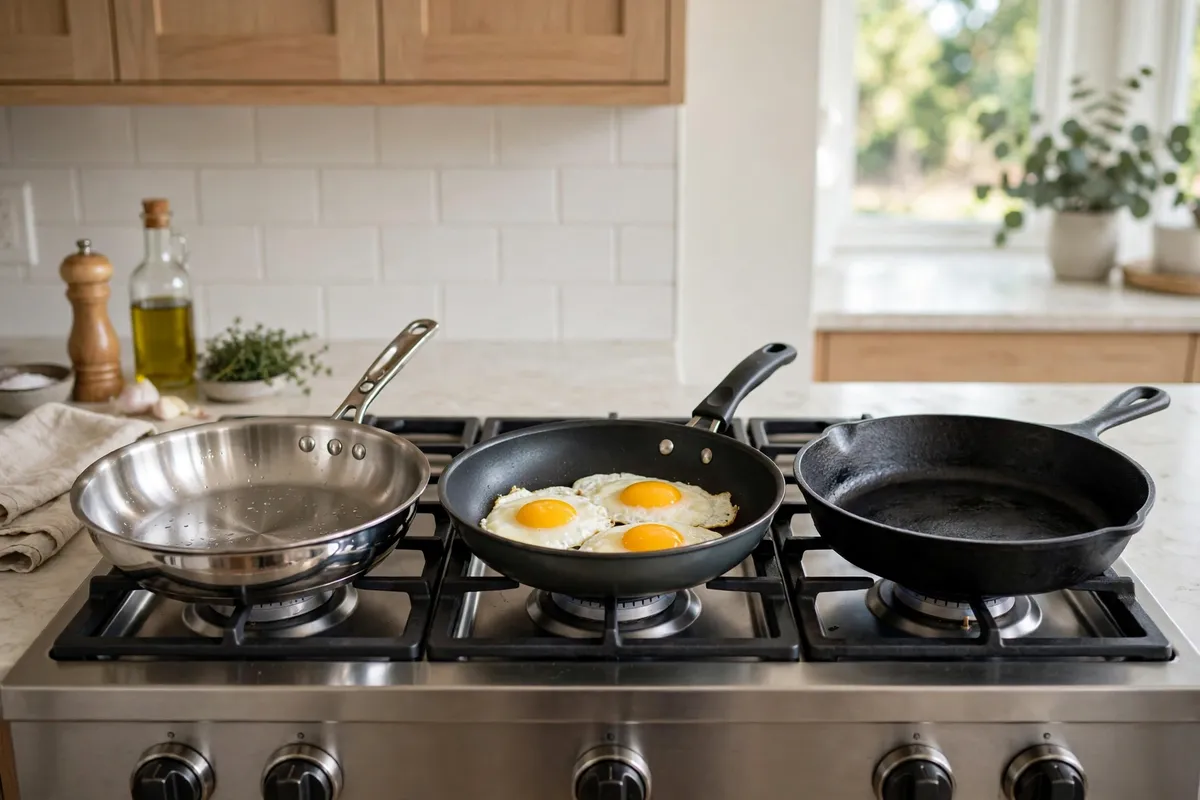
Stainless steel vs nonstick vs cast iron for beginners: match each material to eggs, searing, and everyday cooking, with care compared.

Ceramic vs Stainless Steel Baking Dish for Beginners: pick ceramic for casseroles that stay warm, steel for faster browning and lighter lifting.
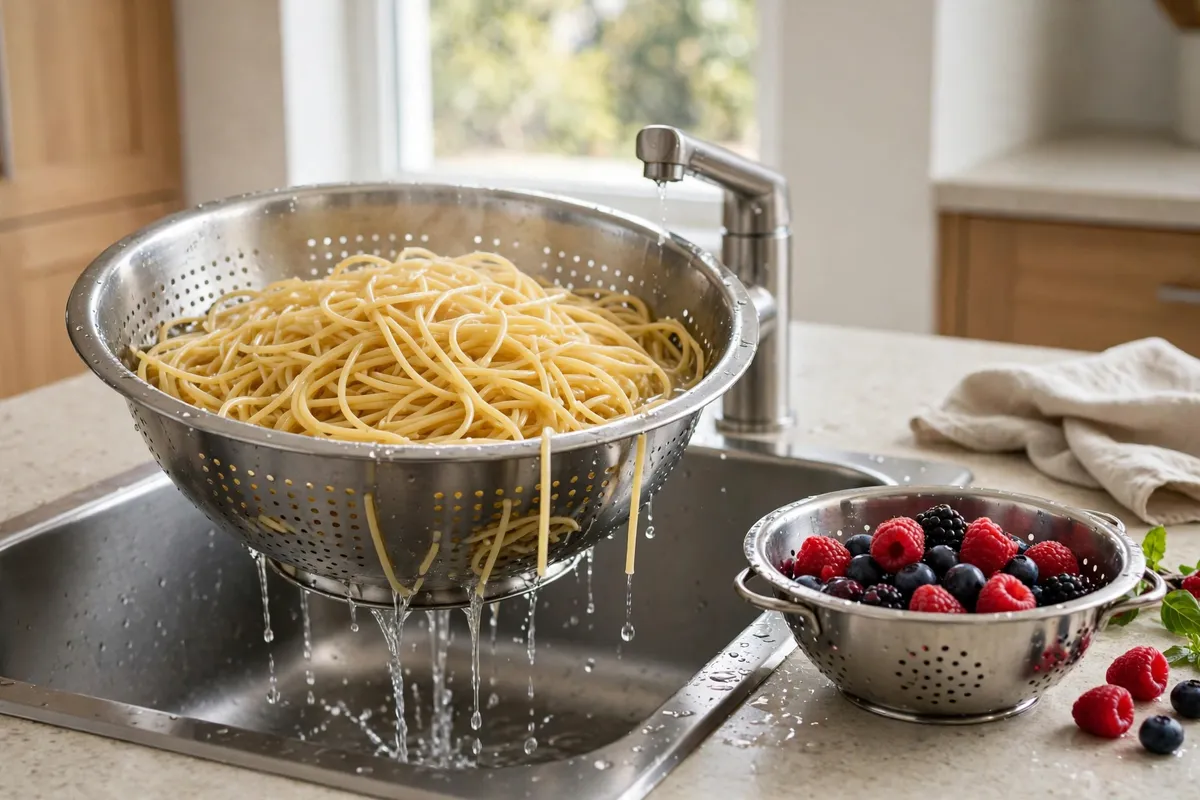
How to Choose a Colander Size for Beginners: match quarts and diameter to pasta, berries, and family meals, with feet and hole size checked.

How to Choose a Kitchen Scale for Beginners: use the tare-first method, a 5 kg and 1 g starter spec, and a display you can read.

How to Choose Pot Size for Cooking for Two: use a 1.5 to 2 quart saucepan and a 3 to 4 quart pot, filled to two-thirds only.

How to Choose a Wok for a Home Stove: start with your stove type, pick flat-bottom for electric and induction, and carbon steel first.
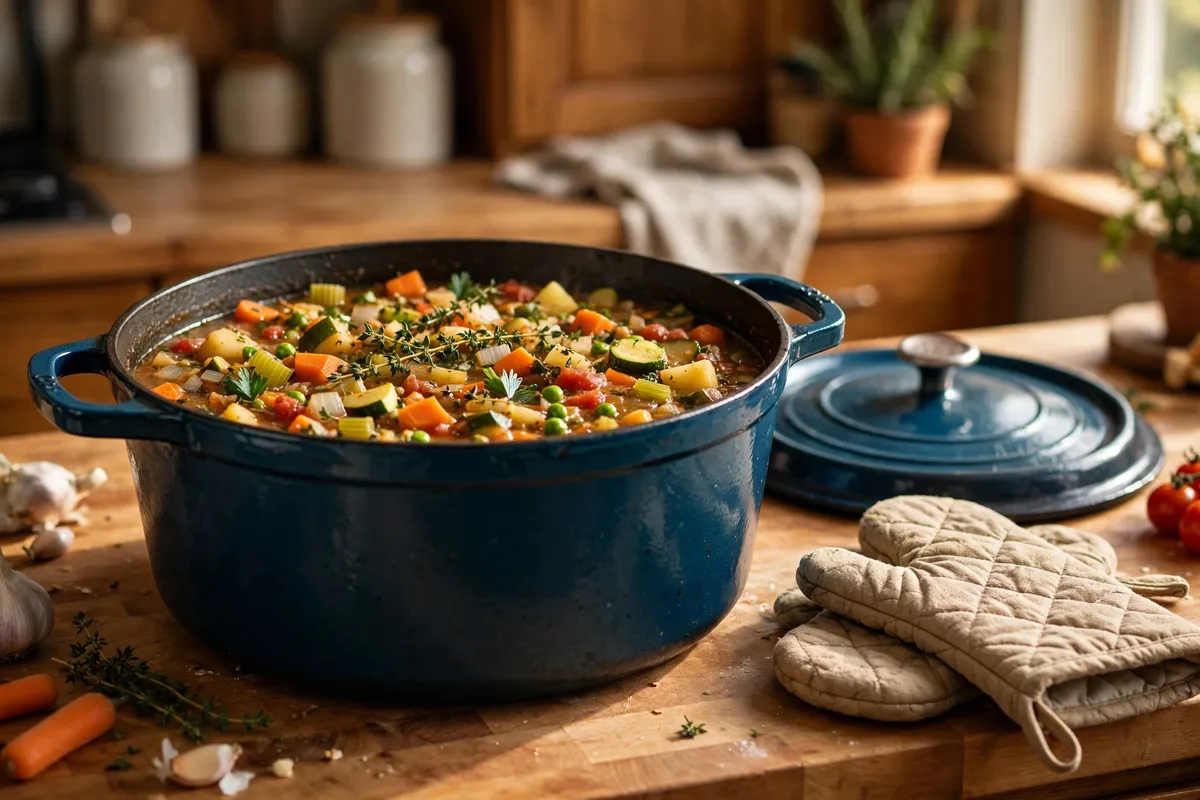
How to Choose Dutch Oven Size for Beginners: use about 1 quart per person, test the weight when full, and pick round or oval by dish.

How to Choose Muffin Pan vs Loaf Pan Size for Beginners: convert one banana-bread batch between 12 muffins and a 9x5 loaf safely.
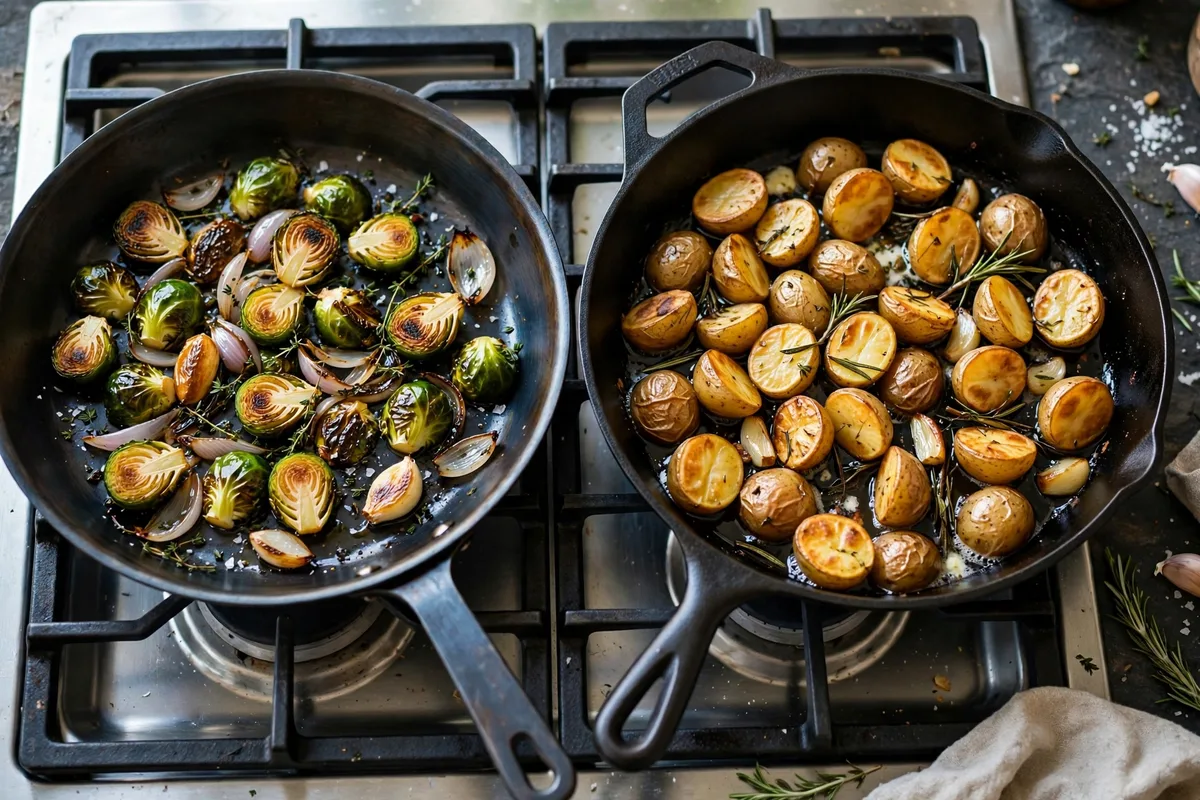
Carbon steel vs cast iron pan for beginners: carbon steel is lighter and heats fast; cast iron holds heat longer and comes pre-seasoned — start with cast iron.
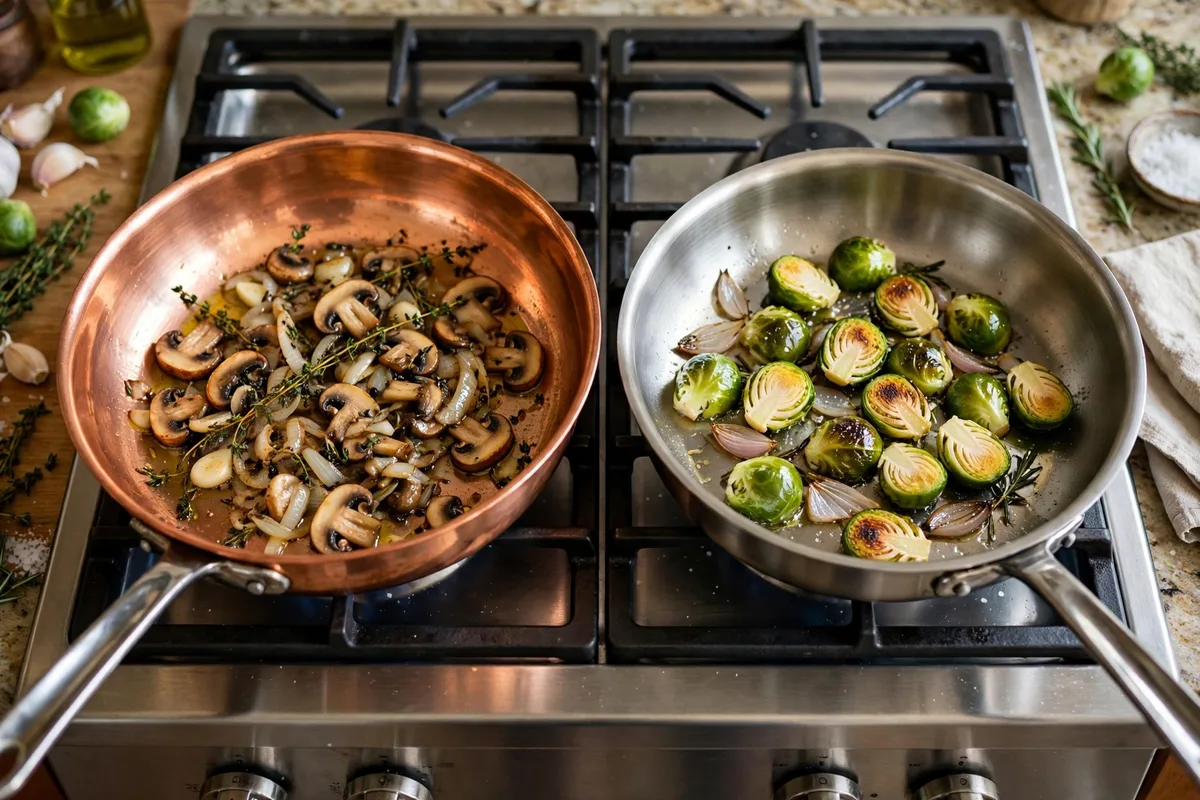
Copper vs stainless steel cookware for beginners: copper heats and cools fast; stainless steel is tougher, cheaper, and induction-ready — start with stainless.

Granite vs ceramic cookware for beginners: granite is a stone-look nonstick coating that lasts longer; ceramic is a PTFE-free coating that is slickest when new.

how to clean granite cookware: let the pan cool, wash it with warm water, mild soap and a soft sponge — plus burnt food, stains and what never to use.
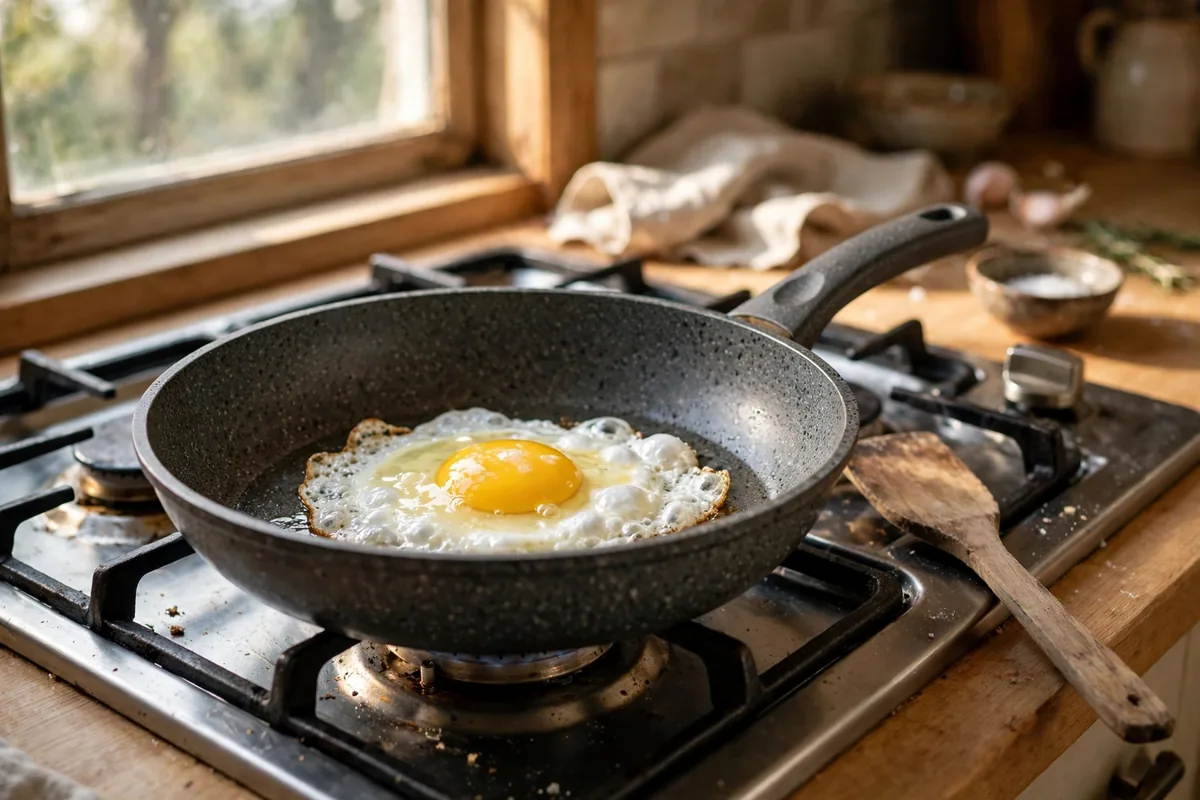
how long does granite cookware last? 1 to 5 years, depending on coating, heat, and care. We explain what wears out first and when to replace it.

granite vs nonstick cookware: granite is a speckled nonstick coating, not solid stone — we compare durability, heat limits, care and lifespan so you pick right.

is granite cookware safe? Yes, when the coating stays intact and you keep the heat low to medium. PFOA, PTFE, lead, cadmium and when to retire a pan.
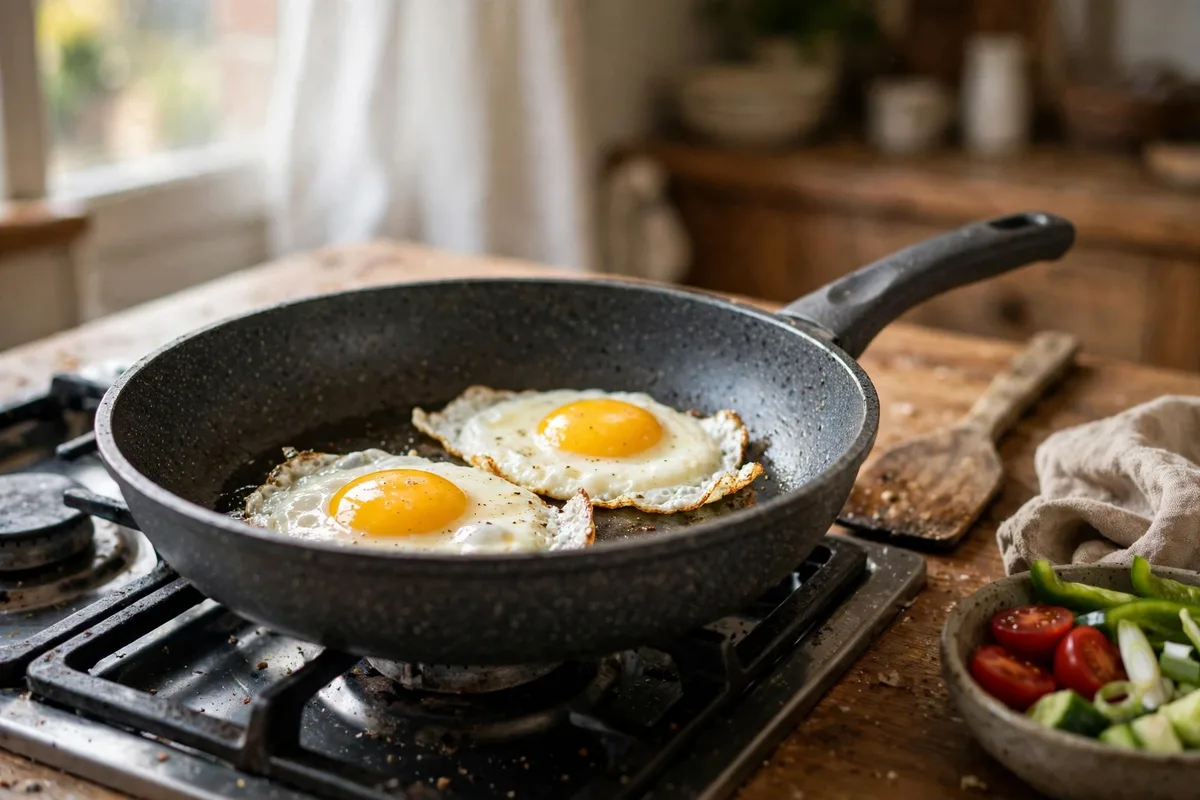
Is granite cookware good? Yes, for low-heat cooking — easy release, even heat, good looks. But the coating wears in 1-5 years, so it suits some cooks, not all.

granite vs stainless steel cookware: granite makes eggs and quick meals easy, while stainless steel sears better and lasts for decades. We compare both fairly.

Hard anodized vs die-cast aluminum cookware: what each term means, how to spot real hard anodizing on a listing, and which one to buy first.

Honing vs sharpening knife for beginners: honing straightens the edge, sharpening rebuilds it — learn which your knife needs and when to do each.
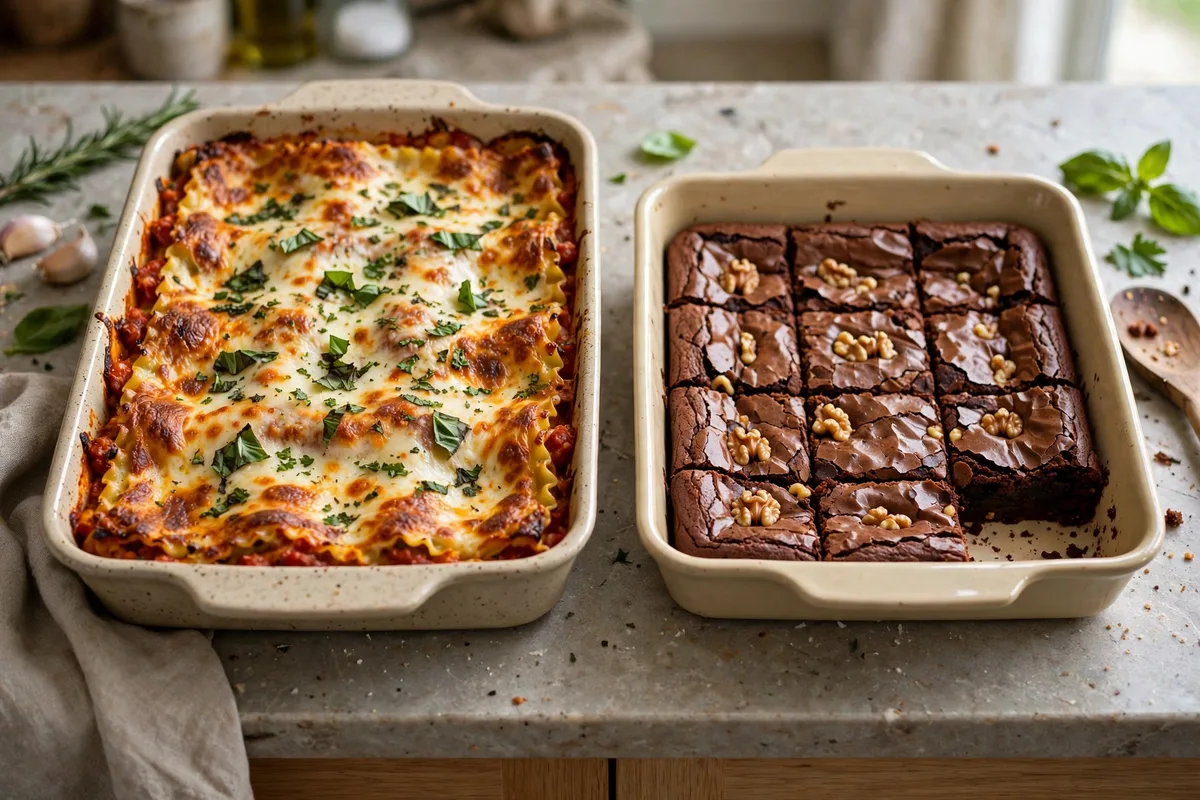
How to choose baking dish size for beginners: 9x13 is the family workhorse at 14 cups, 8x8 holds 8 cups for smaller bakes — match the dish to the recipe volume.

How to choose nonstick pan size for beginners: 8 inch for one person, 10 inch for one or two, 12 inch for a family — match the pan to burner and meals.

How to hold chef knife safely for beginners: the pinch grip and the claw keep your fingers safe and your cuts straight — learn both in 10 minutes.

How to sharpen kitchen knife at home with whetstone: soak the stone, hold a steady 15-degree angle, and raise a burr — a sharp edge in about 15 minutes.

How to stop stainless steel pan from warping: heat it slowly on medium, match the burner to the base, and never put a hot pan under cold water.

How to use glass top stove without scratching it: flat-bottomed pans, lift never slide, and a clean surface before every cook keep the glass mark-free.
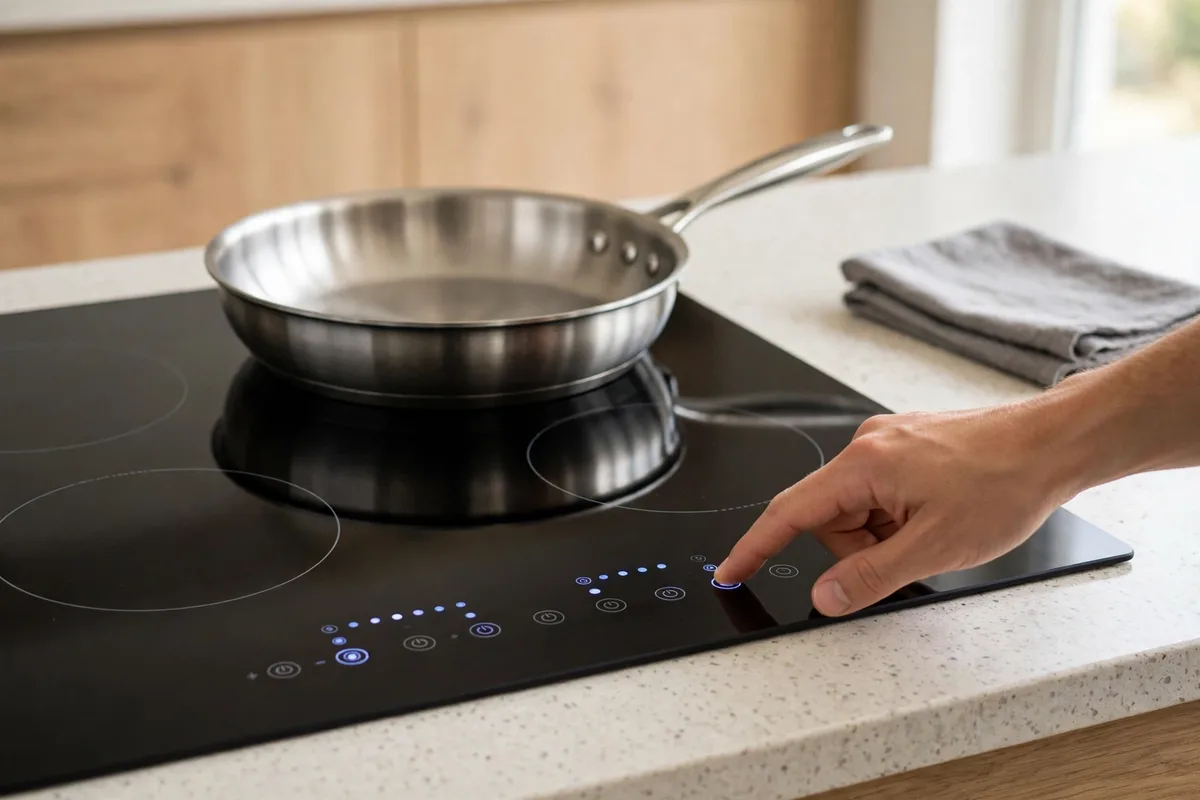
How to use induction cooktop for beginners: pick a magnetic pan, start low, and use the timer so food cooks evenly without scorching.
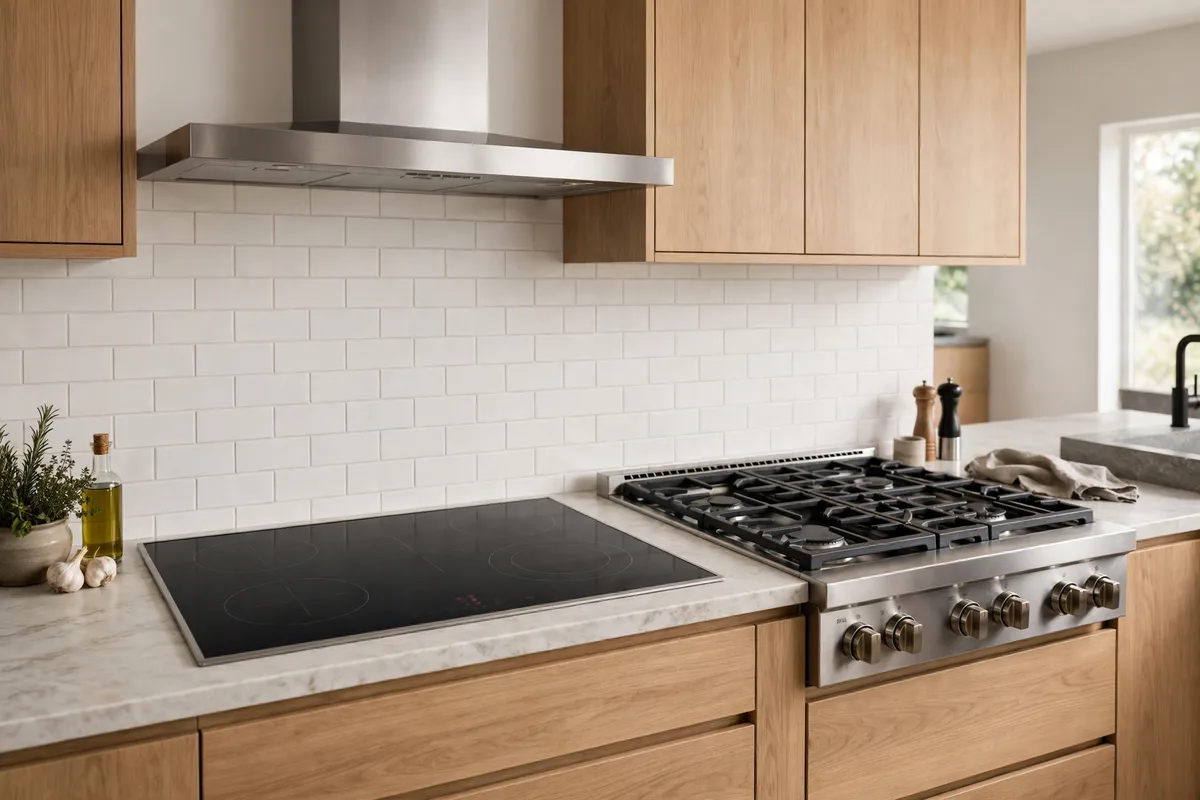
Induction vs gas stove for beginners: induction is faster and easier to clean, gas works with every pan — pick the one that fits your kitchen and cooking.

Saucepan vs stockpot for beginners: a saucepan is 1 to 4 quarts with one long handle; a stockpot is 6 to 20 quarts with two handles — buy the saucepan first.
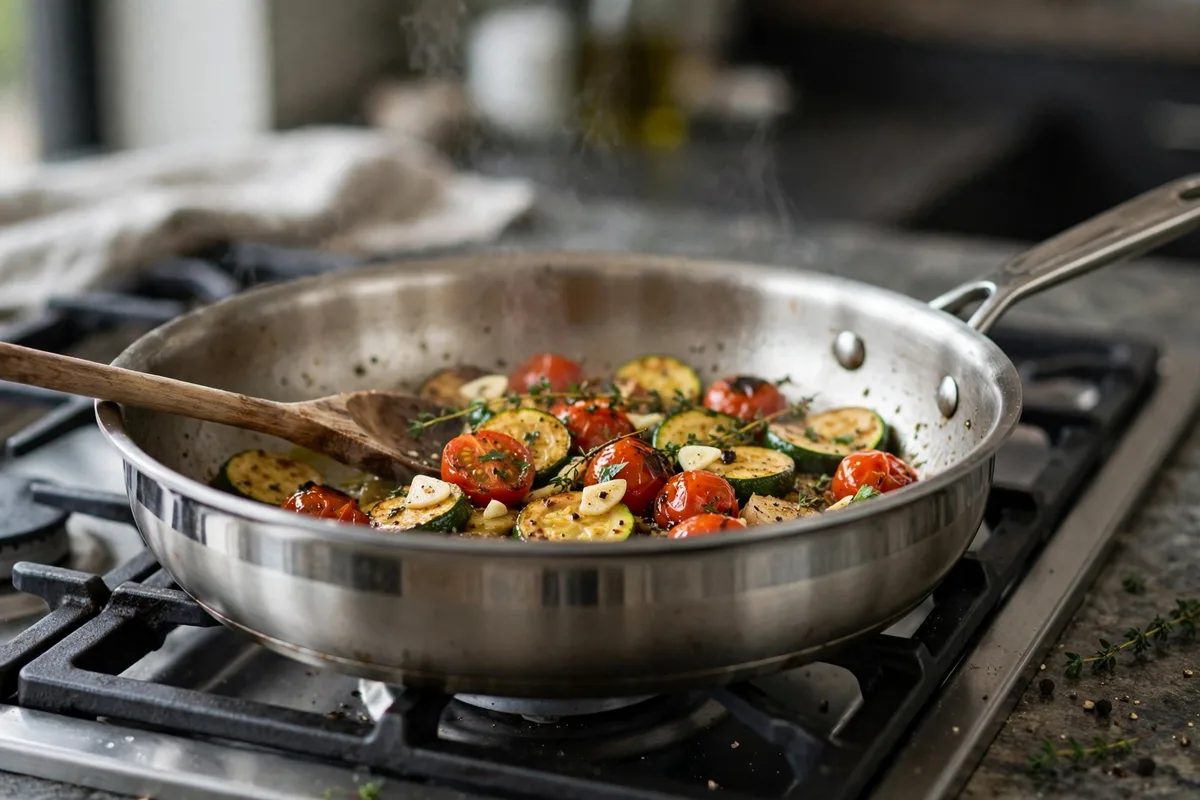
What is tri-ply stainless steel and is it worth it: three bonded layers — steel, aluminum, steel — for even heat. Worth it for daily cooks, not for everyone.
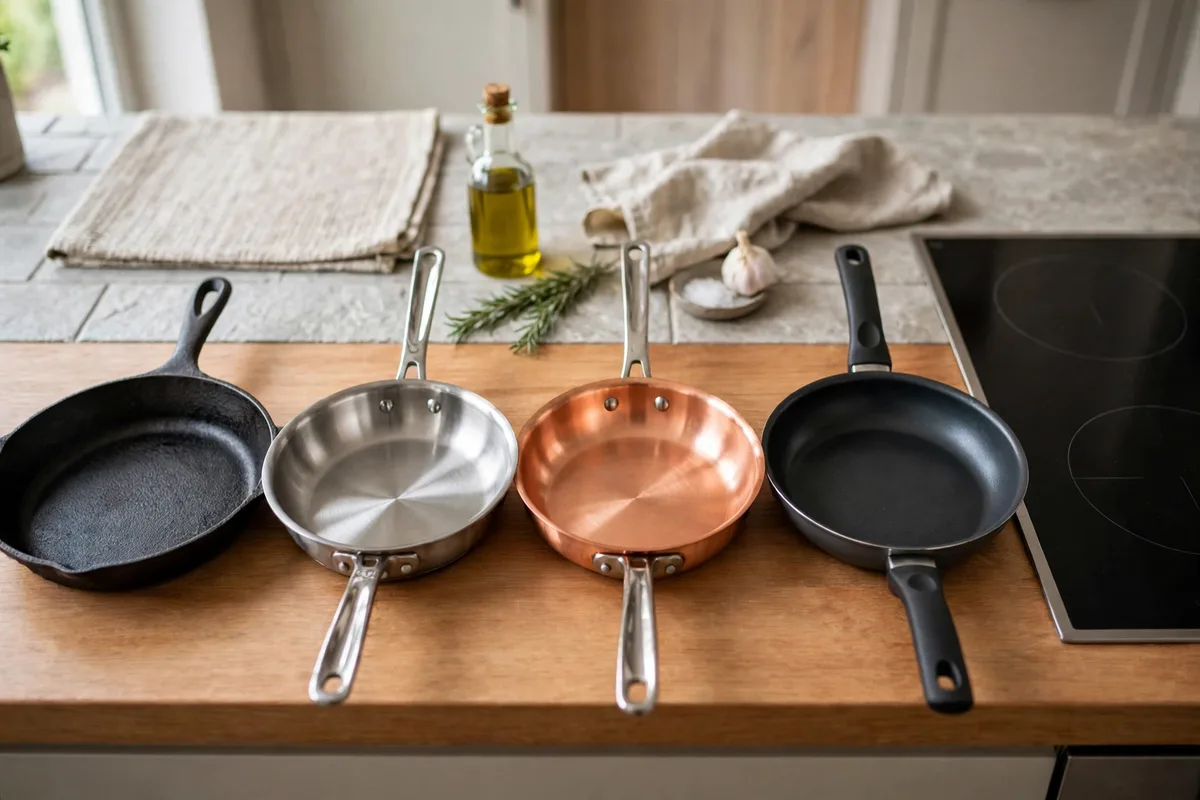
What pans work on induction cooktop: cast iron, carbon steel, and magnetic stainless steel work; aluminum, copper, and glass do not — test yours with a magnet.

What size frying pan do beginners need: an 8-inch pan for one person, a 10-inch pan for everyday cooking — the right size stops crowding and uneven heat.

Mandoline slicer vs knife: speed, slice uniformity, safety, cost and cleanup compared — which tool wins for thin slices and which for everyday cutting.

Ceramic baking dish vs stoneware baking dish: stoneware is a type of ceramic — here is how the two differ on heat, glaze, seasoning, and cleaning.

Ceramic baking dish vs casserole dish: are they the same thing? Compare depth, lids, handles and best uses, and pick the right dish for lasagna and roasts.

Ceramic baking dish vs glass baking dish: which bakes better? Compare browning, heat retention, thermal shock, cleaning and breakage — and the lasagna winner.
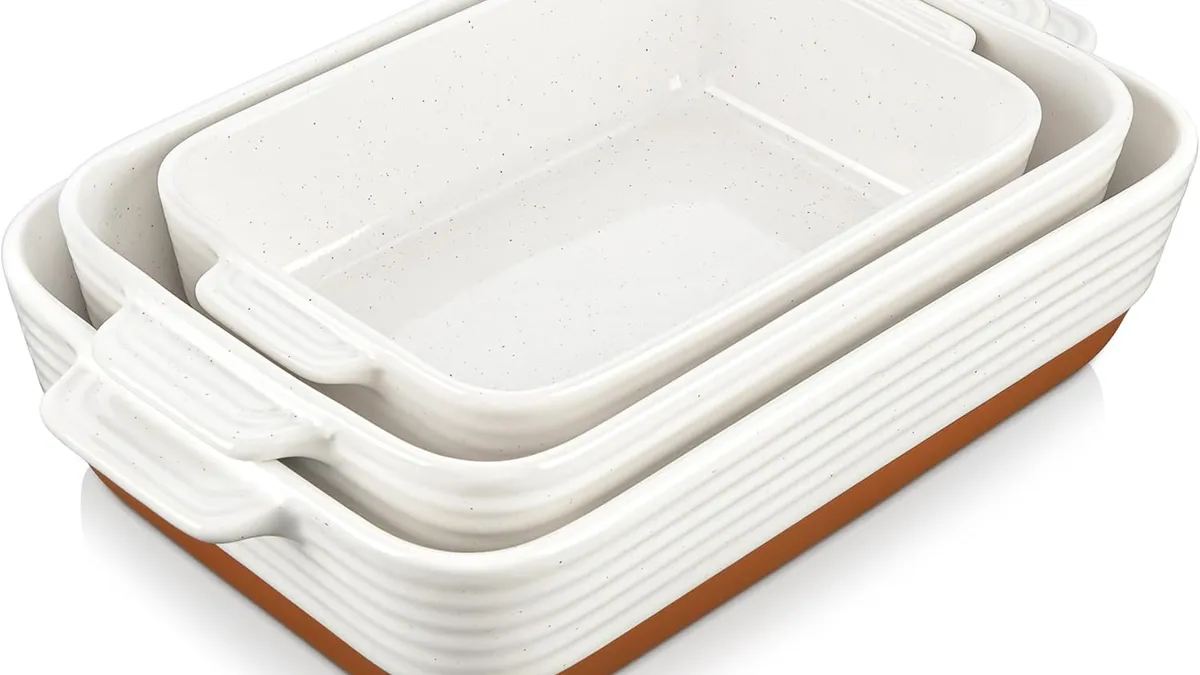
Is ceramic bakeware safe? Yes, for most glazed dishes — but bakeware is not cookware. Lead and cadmium, glaze safety, crazing and when to replace a dish.

Is ceramic bakeware nonstick? Glazed ceramic is low-stick, not nonstick. How it differs from ceramic-coated pans and how to stop food sticking.

How long does a ceramic baking dish last? A solid dish lasts until it chips or cracks — years longer than a coated pan. The replace signs to watch.
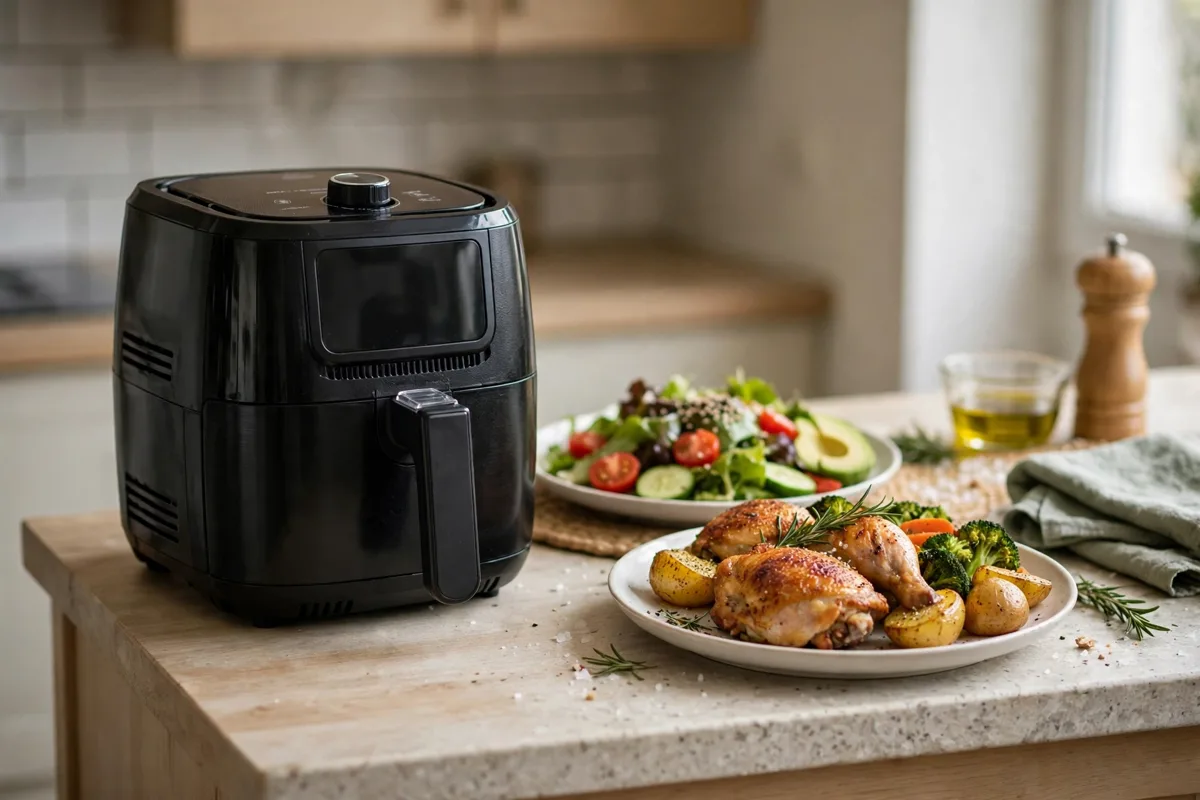
How to choose an air fryer size for a family of 2 for beginners: basket shape, quarts, the single-layer rule, counter checks, and a couple dinner example.
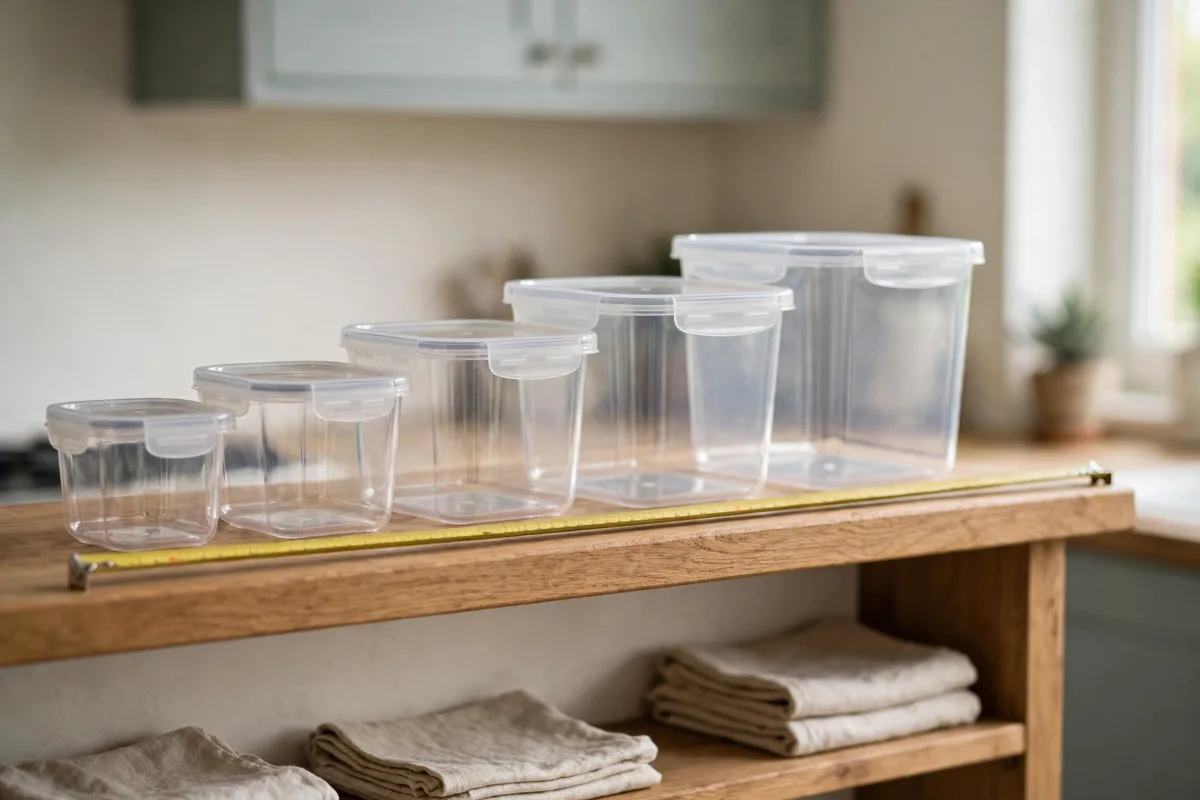
How to Choose a Food Storage Container Size for Your Shelf: measure depth, height and lid clearance first, then match the container to the shelf.
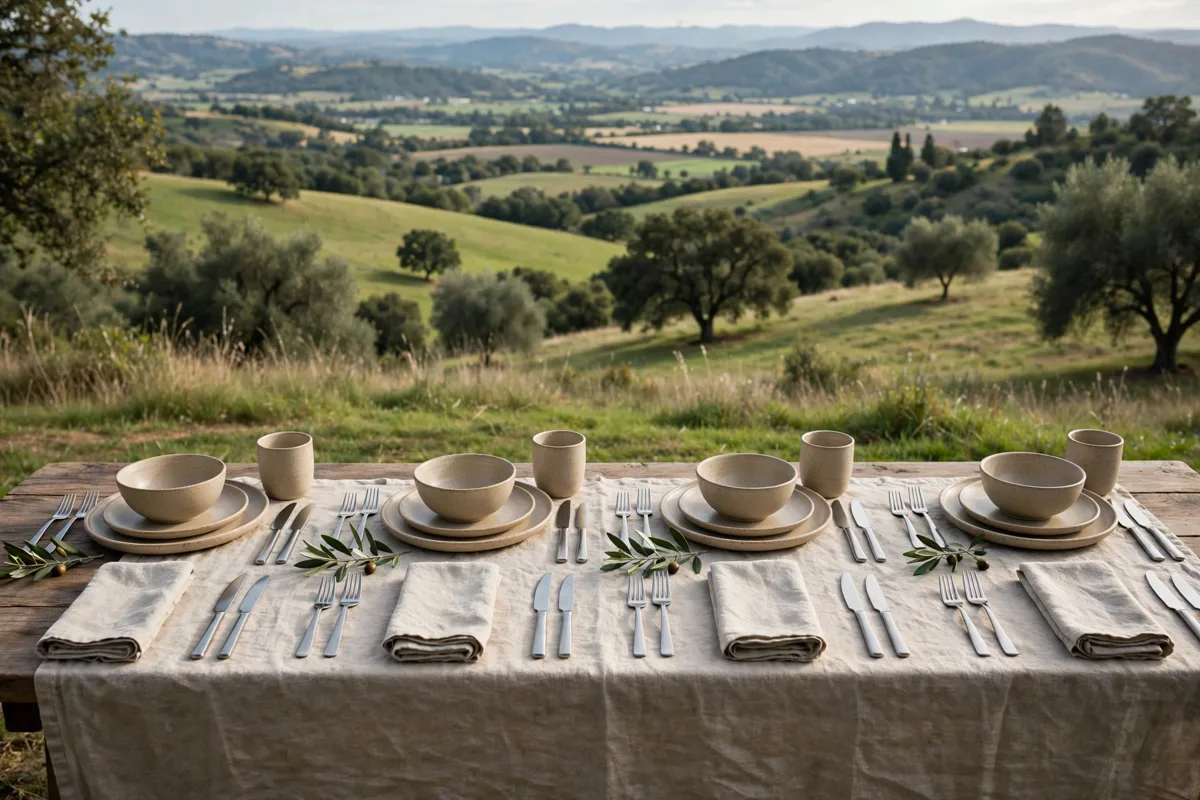
How to Choose a Dinnerware Set Size for a Family of 4 for Beginners: piece counts, plate sizes and what a first set really needs.
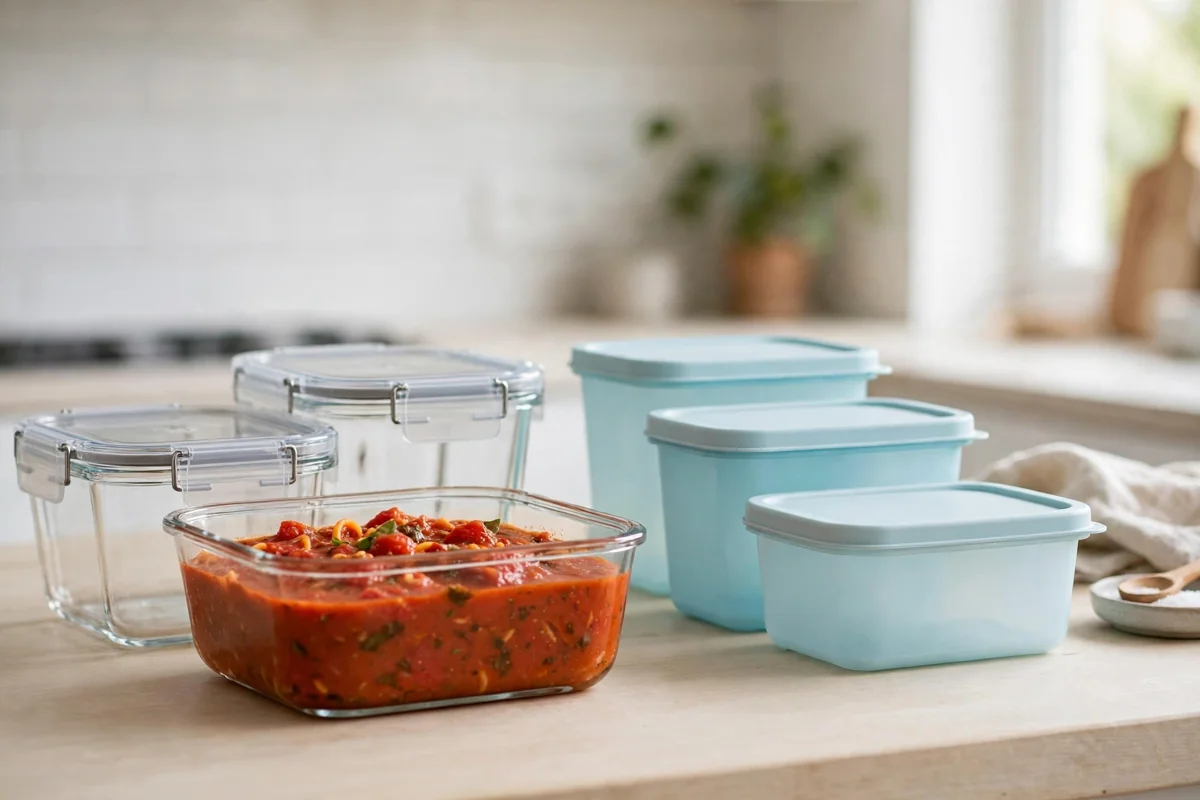
Glass vs plastic food storage containers for beginners: a plain guide to material, lids, and reheating, with a worked lunch and leftover example.
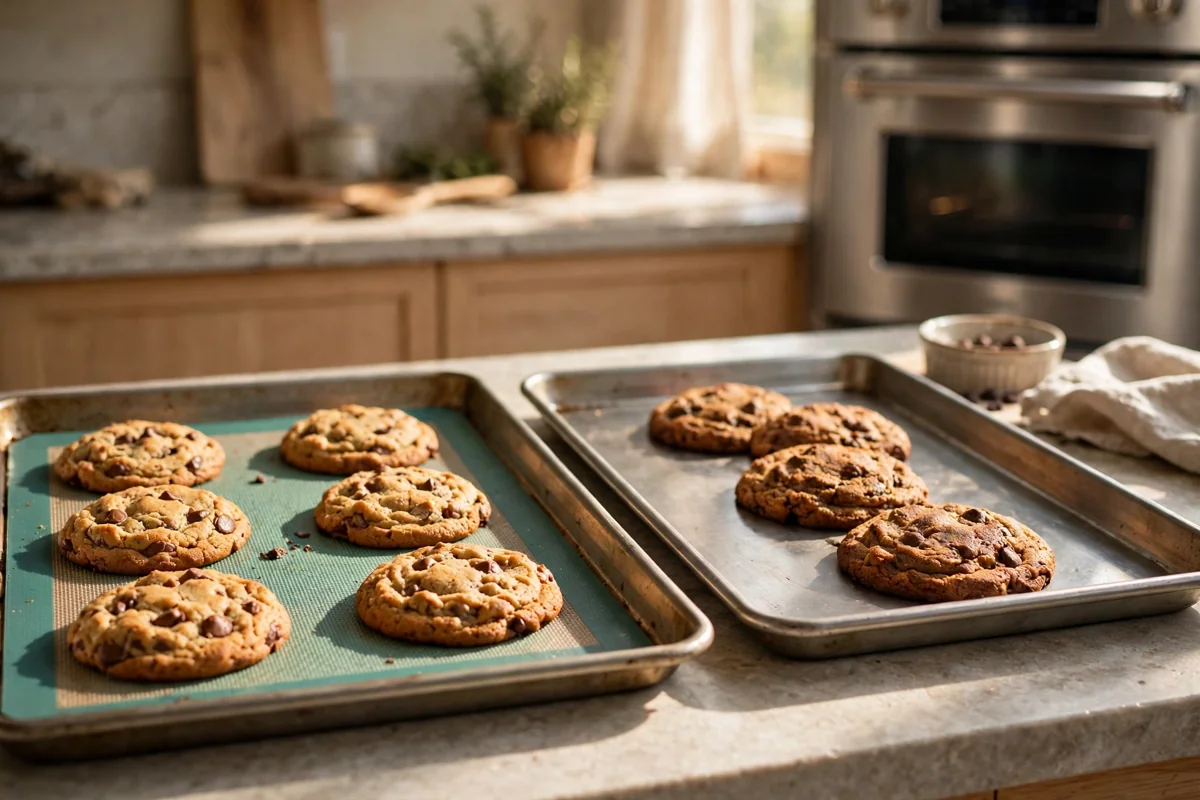
Silicone vs metal baking mats for beginners: how a silicone mat and a bare metal baking sheet change cookies and roasting, plus a side-by-side test.
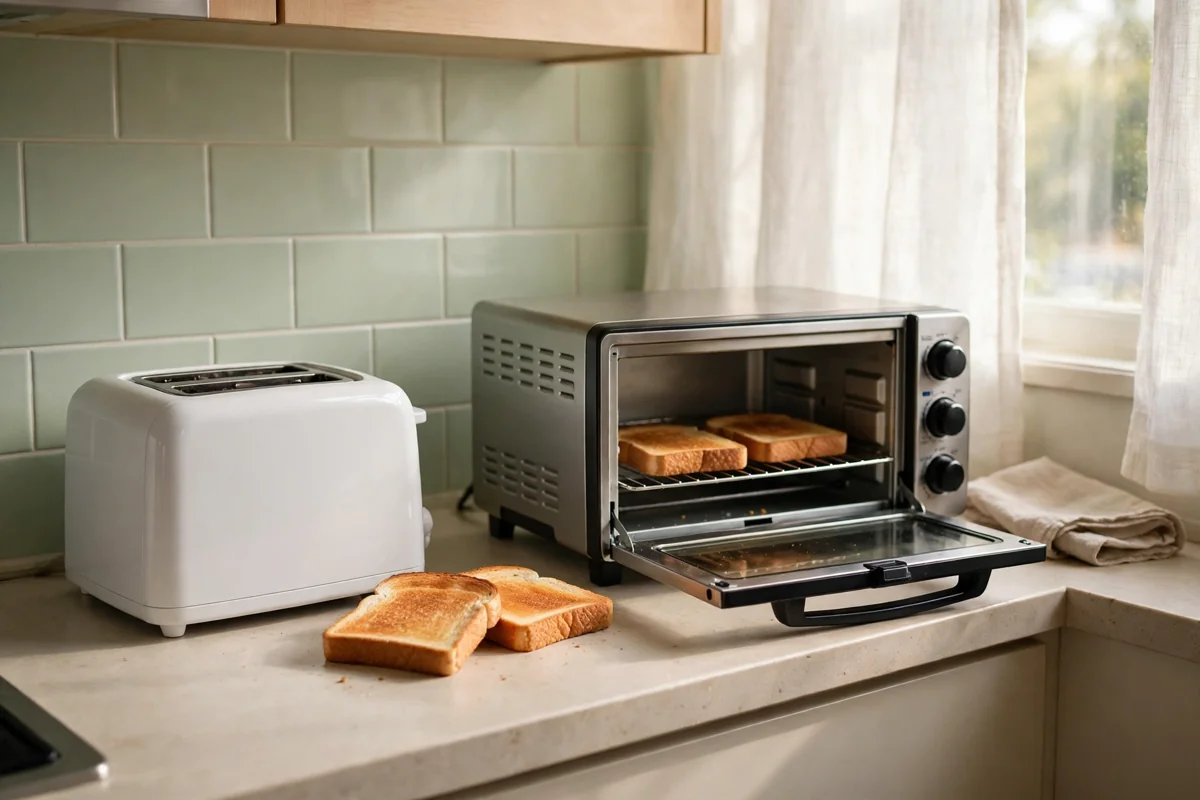
Toaster vs toaster oven for small kitchen beginners: counter space, toast time, and reheating compared, with a worked two-person morning example.
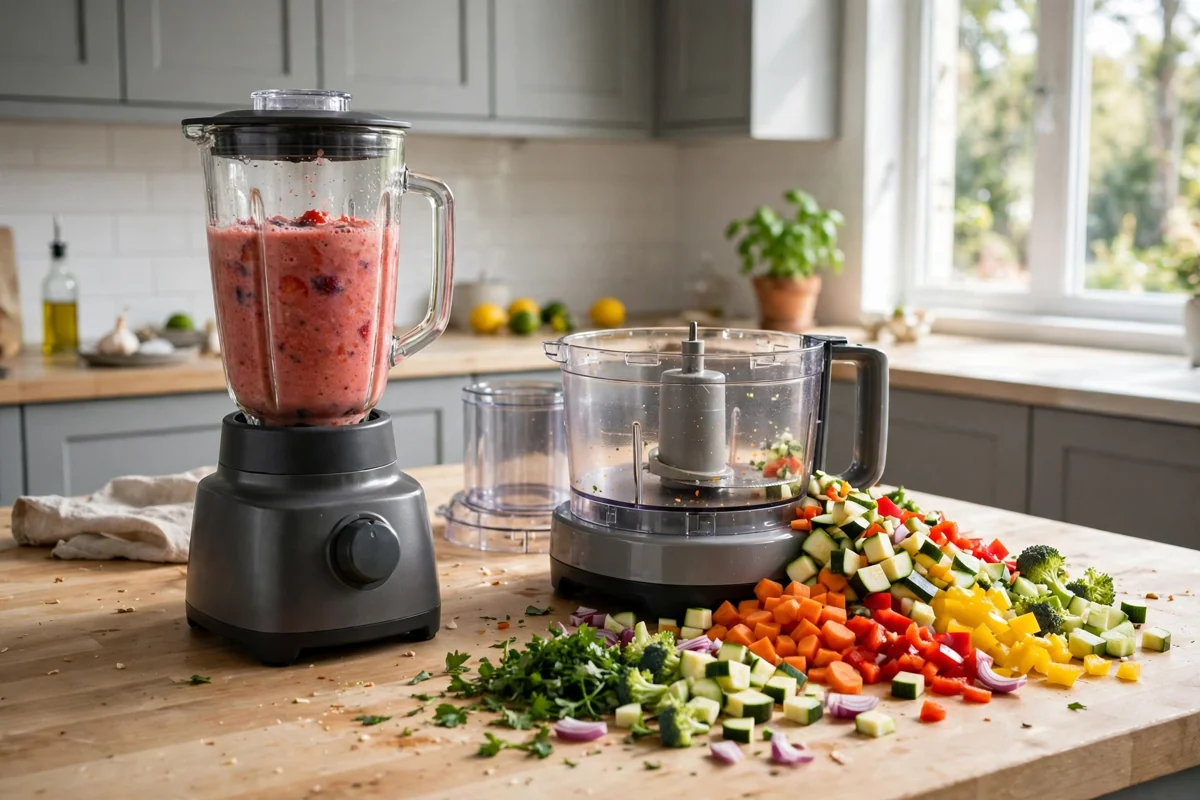
Blender vs food processor for beginners: the drink-or-fork decision rule, with a buy-first worked example and a job-by-job comparison table.

Burr vs blade coffee grinder for beginners: how each mechanism works, why repeatability matters, and how to clean each type without water damage.

Electric vs stovetop kettle for beginners: speed, outlet and base space, temperature control, and the safety rule for a stovetop kettle, compared plainly.

How to choose measuring cups and spoons for beginners: dry cups, liquid jugs, and spoons, with the scoop-and-level technique and a worked pancake test.

How to choose air fryer vs oven for small kitchen: which one fits 1 or 2 people, small batches, baking, and roasting, with a simple size and time test.

How to choose rice cooker size for beginners: which cup size fits 1, 2, or 4 people, what a rice cooker cup really holds, and the size to buy first.

How to choose slow cooker size for beginners: which quart size fits 1, 2, or 4 people, why the fill level matters, and the size to buy first.

How to choose food processor size for beginners: which cup size fits chopping, dough, and family meals, and the size to buy first.
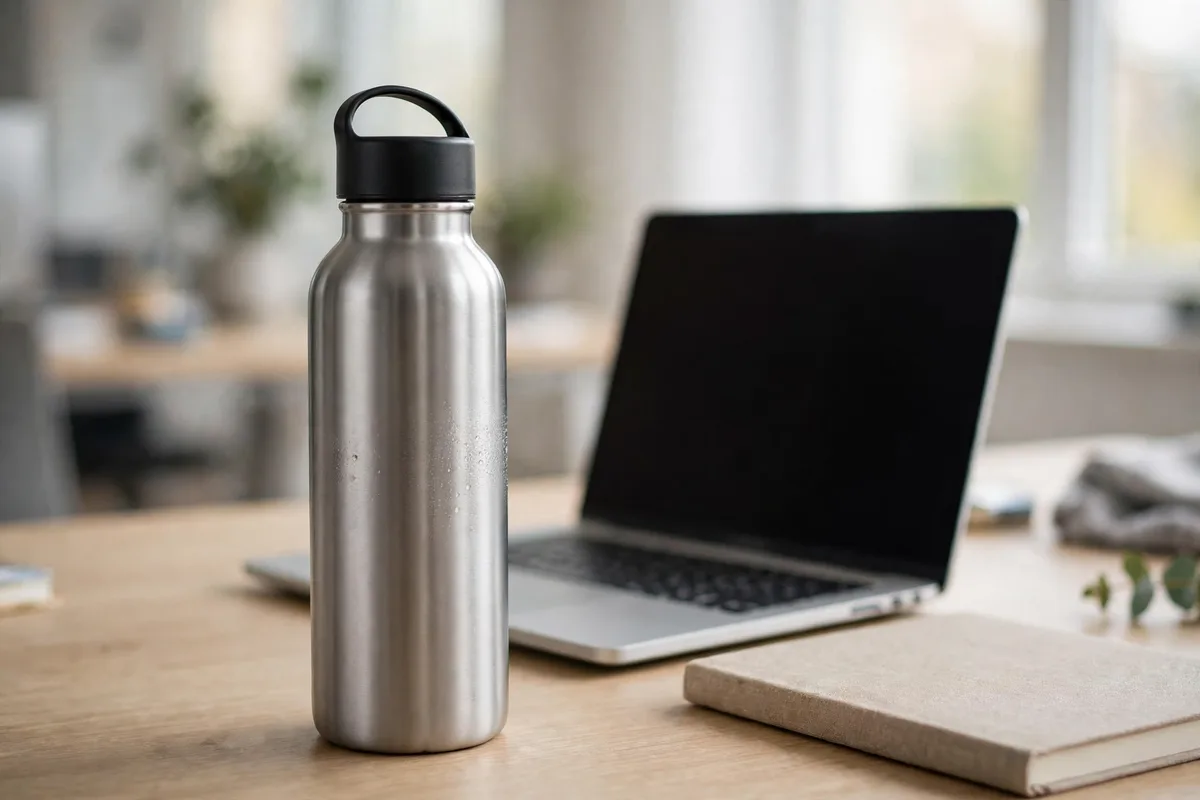
How to choose insulated water bottle for beginners: which size fits your day, which lid keeps water cold, and the bottle to buy first.

How to choose lunch box for work beginners: which size fits a sandwich lunch, which box keeps food fresh, and the box to buy first.
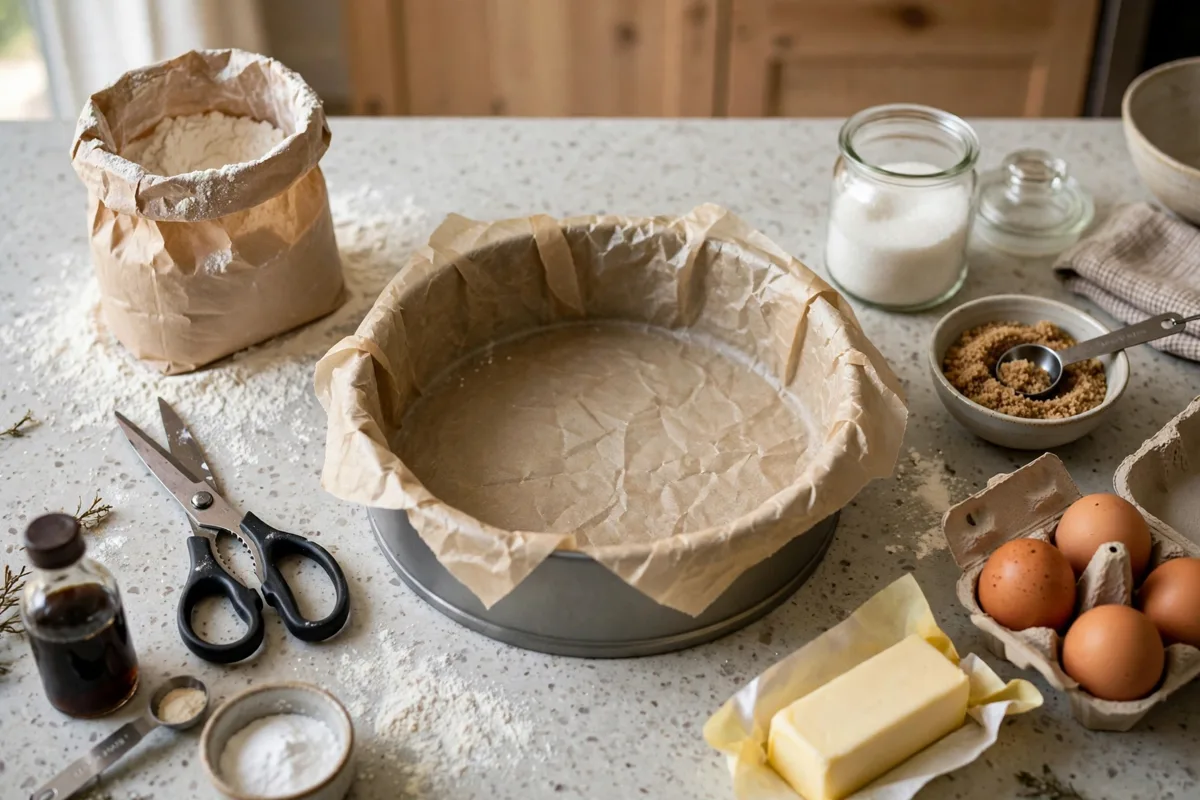
How to line a cake pan with parchment paper for beginners: tracing, cutting, and fitting rounds and rectangles for clean, easy cake release.
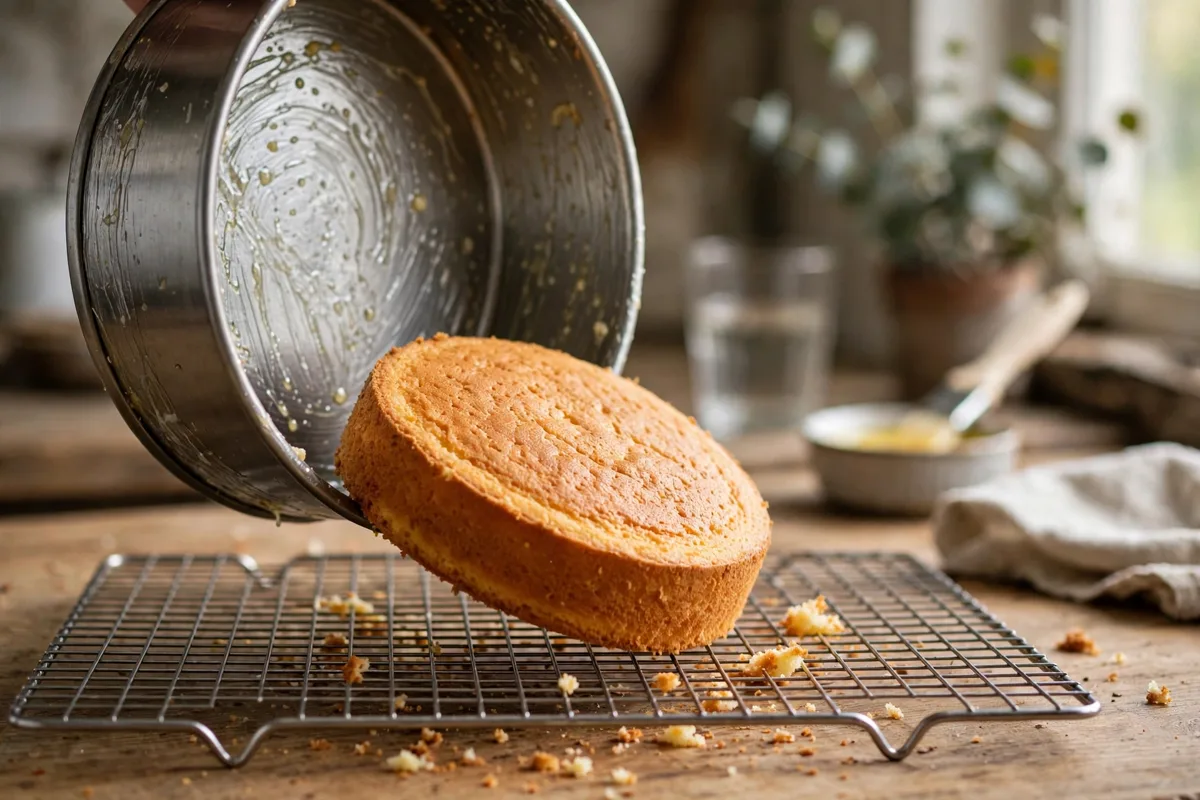
How to prevent cake sticking to a pan without parchment: grease, flour, cool, and release in the right order so the cake comes out whole.

Why do cookies spread too thin, and how to fix it: warm butter, too little flour, and a dark or greased pan are the usual causes — fix them in order.

How to bake without an oven for beginners: use a lidded pot, a skillet, an air fryer, or a microwave, with a worked stovetop cake example.
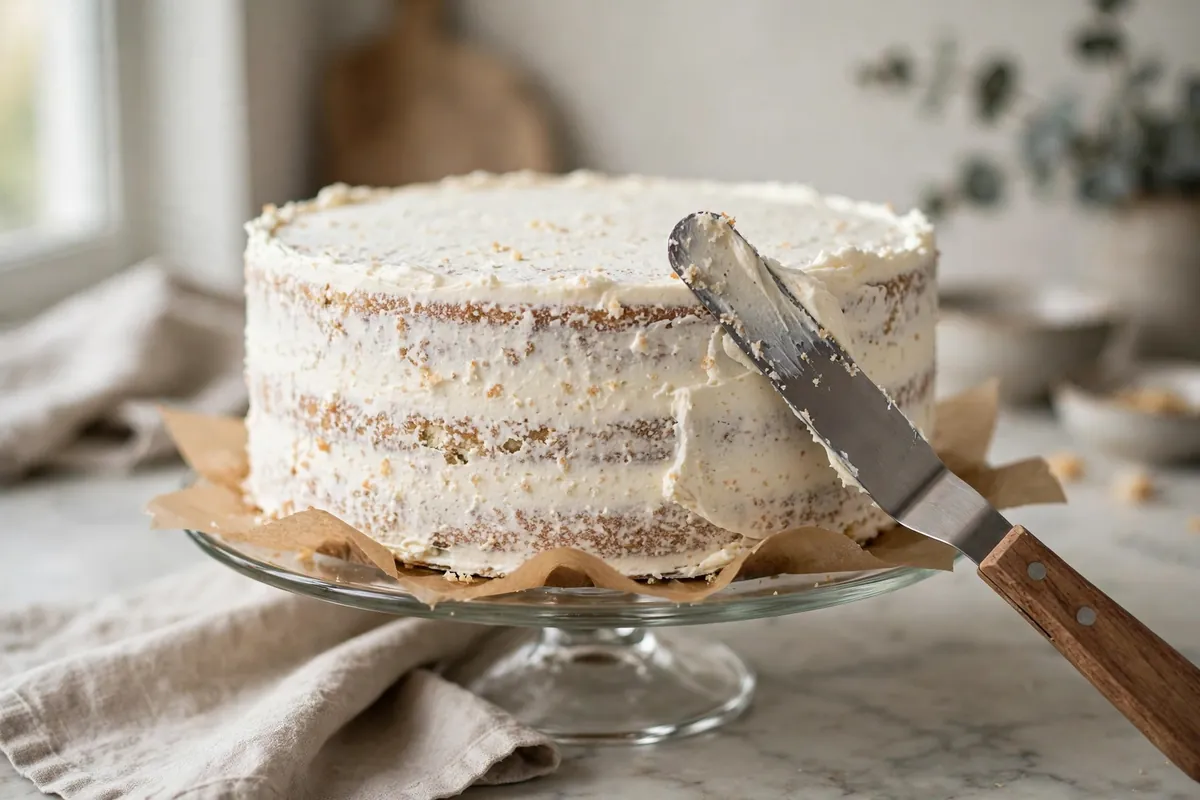
How to frost a cake without crumbs: a beginner crumb coat, chilling, and one-direction spreading, with a worked two-layer cake example.

How to keep cake moist after baking: cooling, syrup brushing, wrapping, and fridge versus freezer choices, for cake after it leaves the oven.

How to make pancakes without them sticking: pan heat test, thin fat layer, batter rest, and flip timing by pan type, for clean flips.

How to make whipped cream that holds its shape: gelatin, cornstarch, and cream cheese compared, with holding times so your cake survives the party.

How to proof dough in a cold kitchen: warm-spot methods, longer proofing times, and fridge options, with a worked example for a cold house.

How to store baked goods after baking: a counter, fridge, and freezer table by type, for cookies, muffins, bread, cake, and pastries.
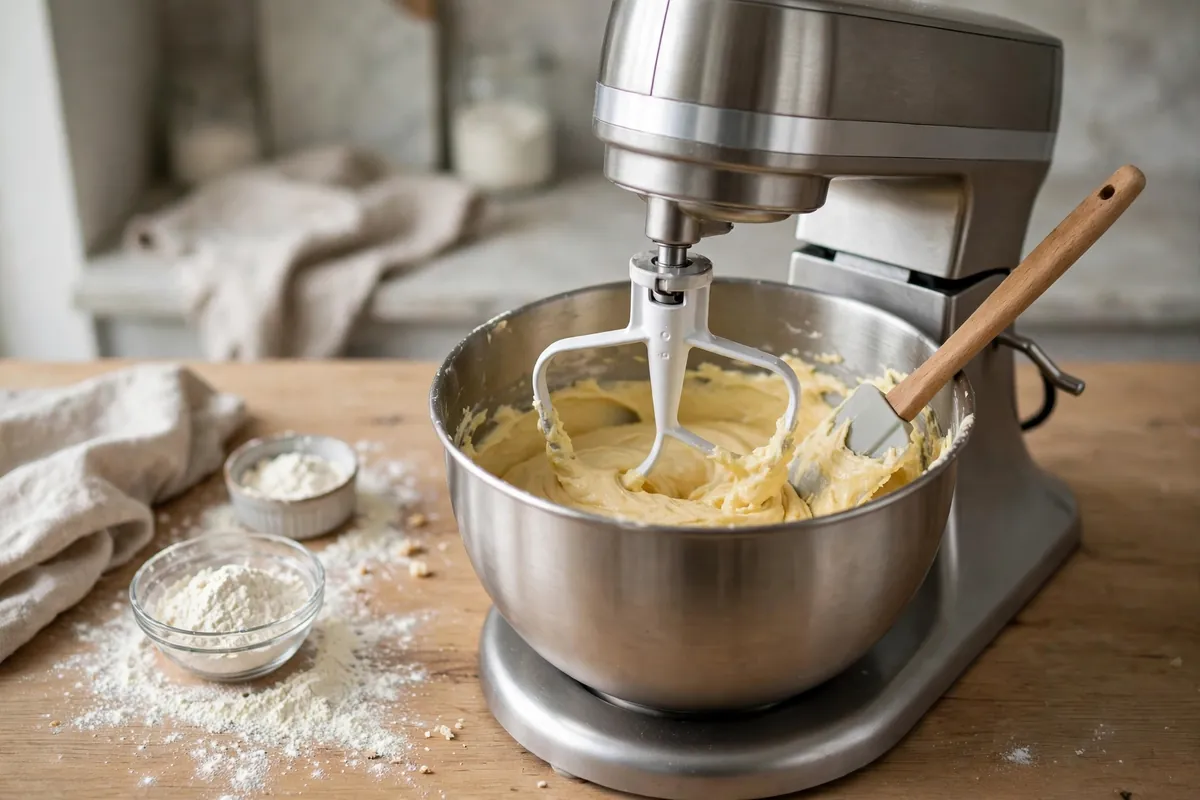
How to use a stand mixer without overmixing: stop signs by batter type, low speed, scraping, and short bursts, for cake, cookie, and dough.

How to make bread without oven in skillet: a stovetop loaf from 2 cups of flour, cooked covered on low heat, with the tap test to tell when it is done.
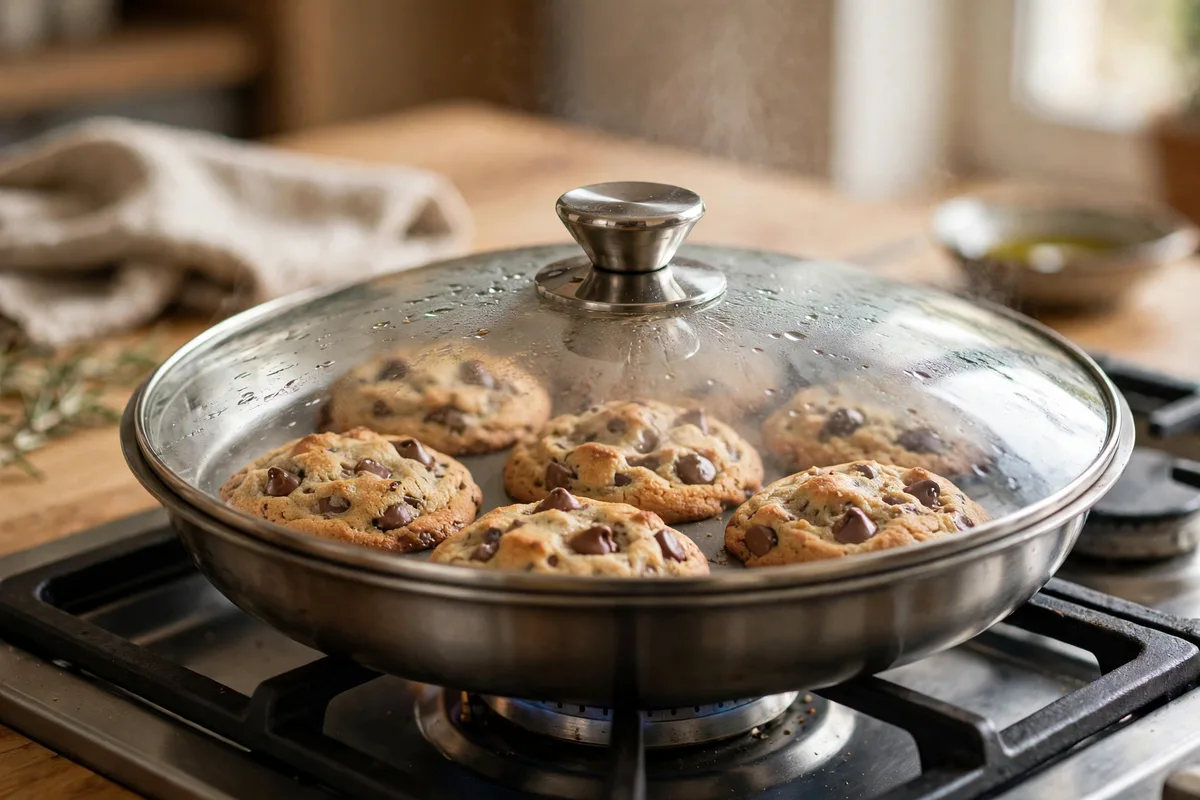
How to bake cookies without oven on stovetop: a heavy pan, a lid, and low heat bake a batch of 12 cookies in 3 rounds, with no oven at all.

Why did my cake sink in the middle: the 6 usual causes, from too much leavener to an opened oven door, and how to save the cake you have.
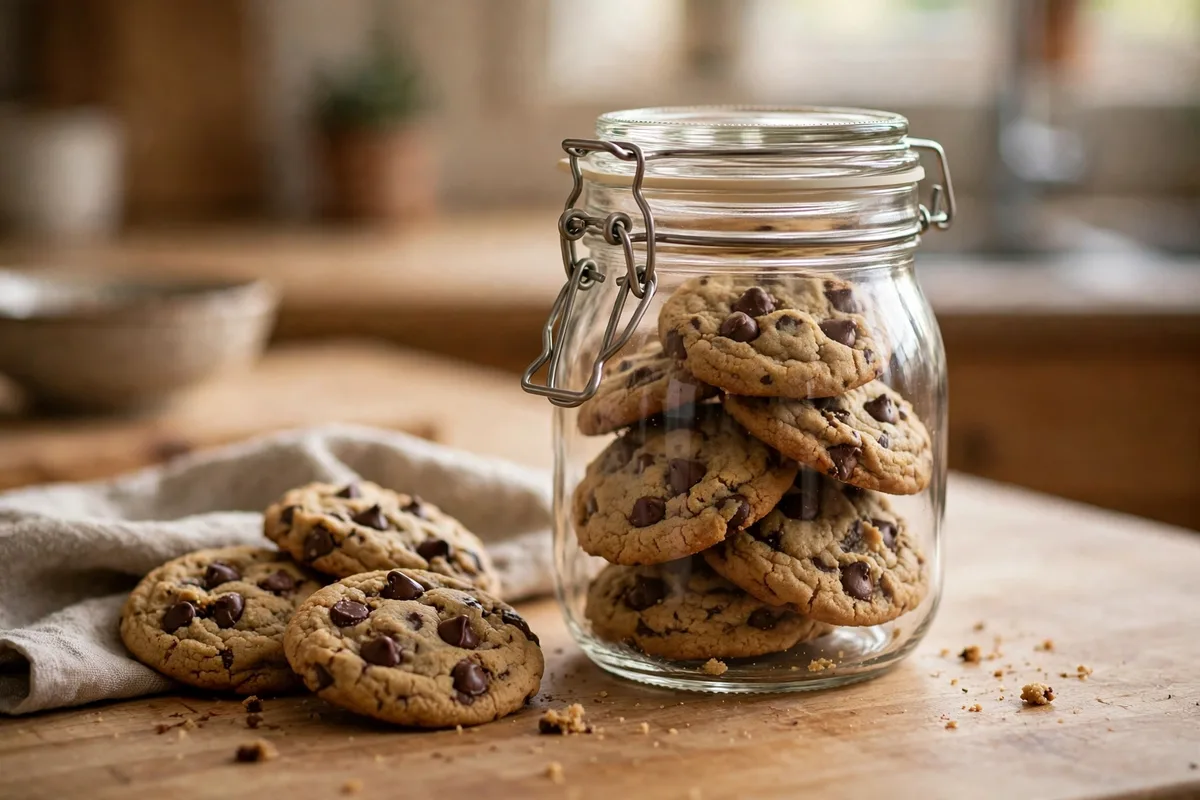
How to keep cookies soft after baking: the airtight container, the bread slice trick, and the storage mistakes that turn soft cookies hard.
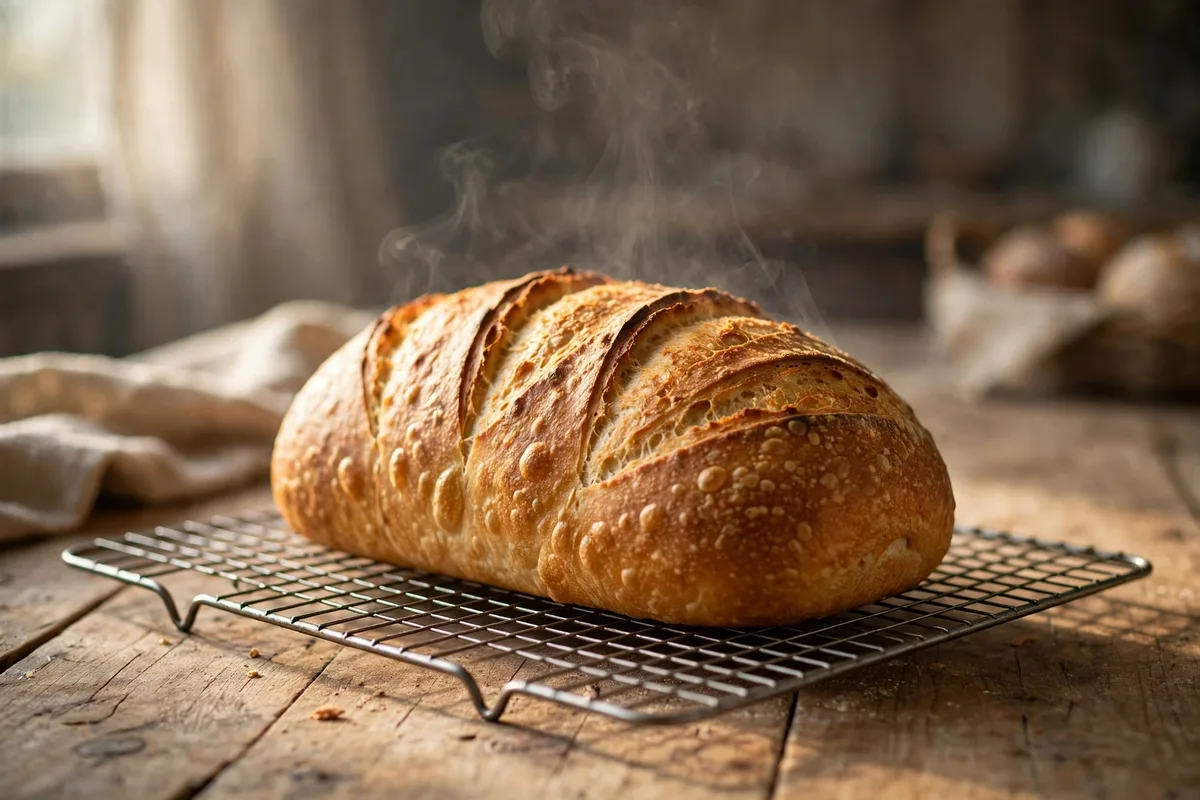
How to tell when bread is done without thermometer: the tap test, the color, the time, and the squeeze test that tell you the loaf is baked through.

How to make pizza dough without stand mixer: hand kneading in 10 minutes, the stretch and fold trick, and the dough for 1 or 2 pizzas.

How to store sourdough starter in fridge: the weekly feeding, the right jar, and how to wake it up for baking day, with no waste.
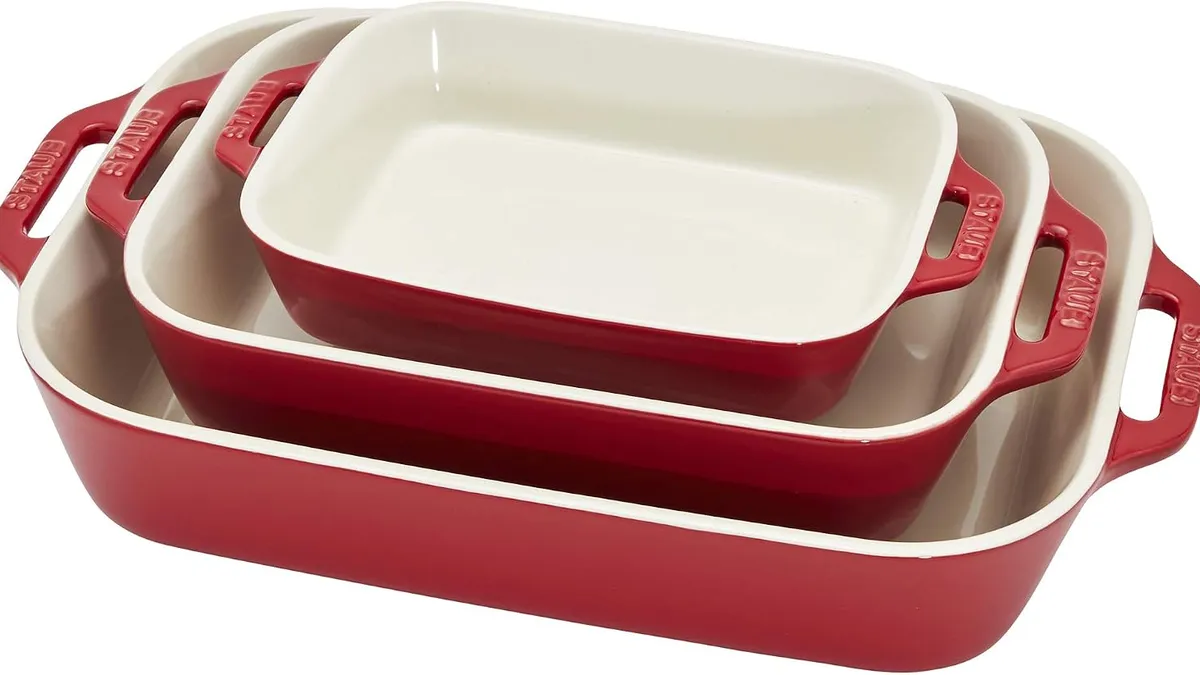
How to prevent ceramic baking dish from cracking: fridge-to-oven rules, freezer limits, hot-dish mistakes, and crazing vs cracking explained.
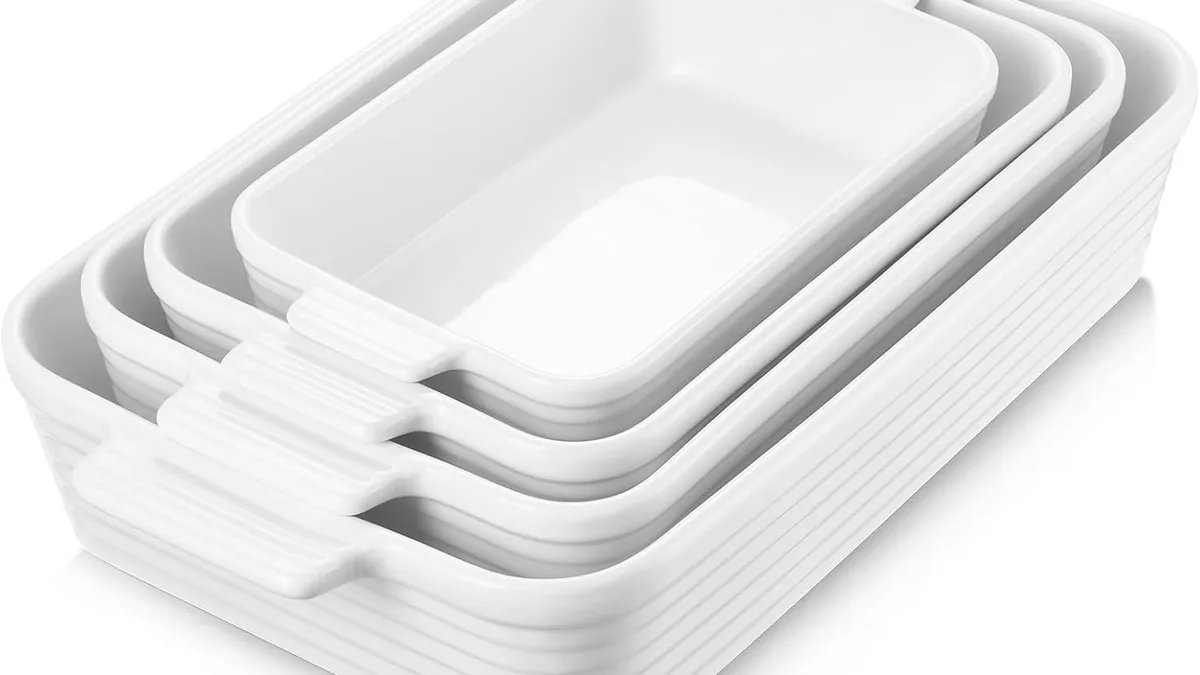
Do you need to grease a ceramic baking dish? Yes, for most dishes. What to use, when to skip it, and why cooking spray is a bad idea.

Do you need to season ceramic bakeware? Glazed dishes no, unglazed stoneware yes. How to tell yours apart and what to do instead.
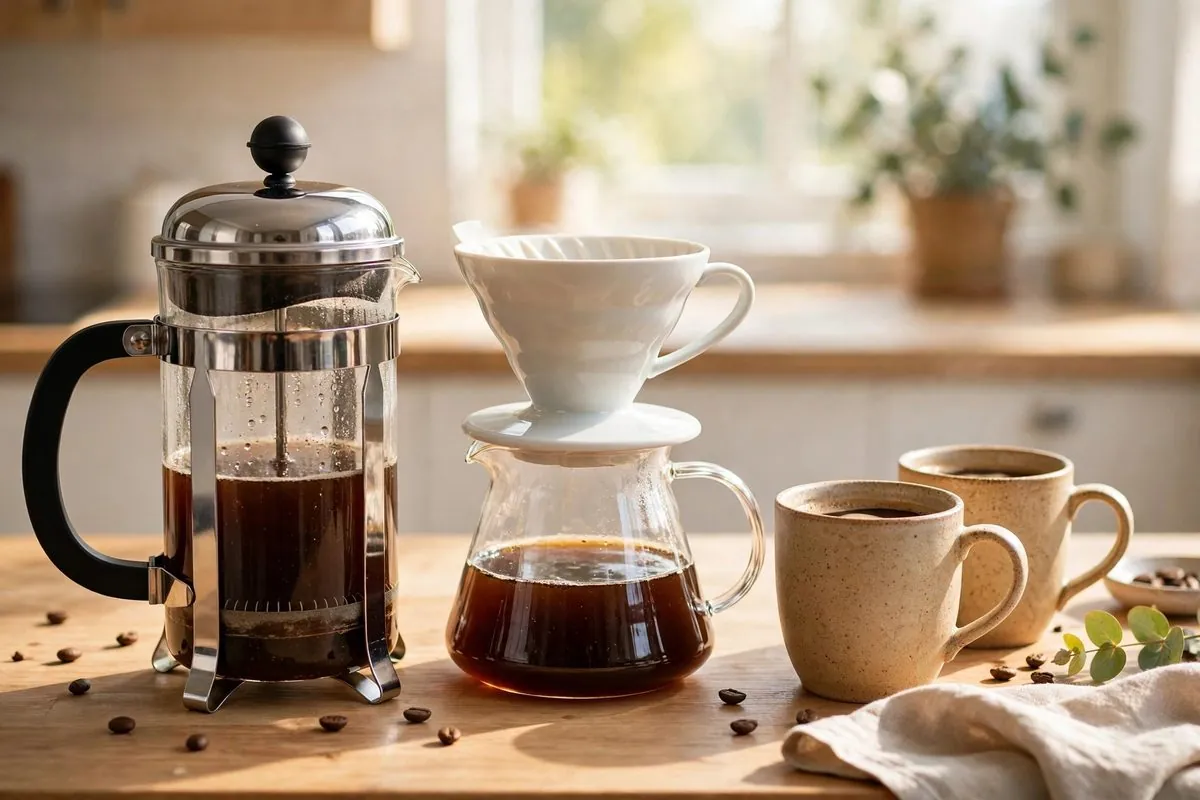
Pour over vs French press: body vs clarity, skill, grind, batch size, and filter cost — with a direct recommendation.

How to brew loose leaf tea without an infuser for beginners: a first-cup worked example with two mugs, plus a choose-by-what-you-own table.
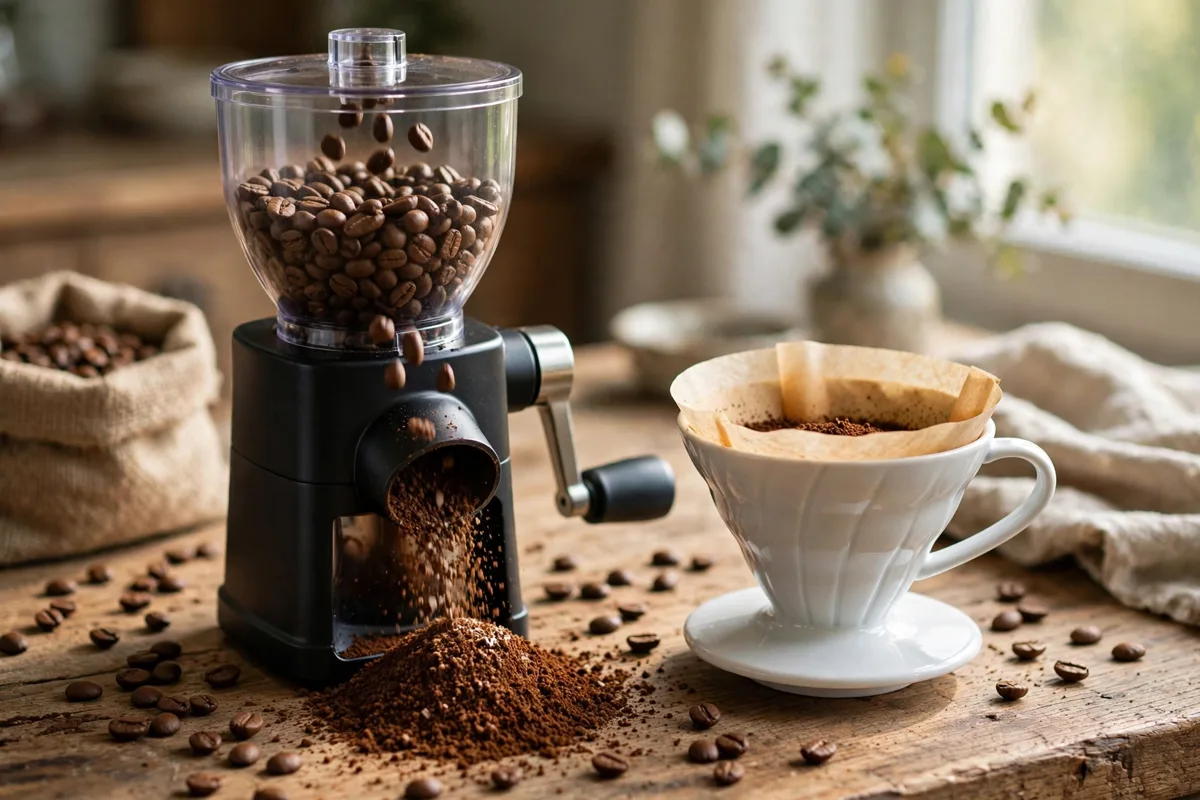
What grind size for pour over coffee: a beginner's guide with one worked single-cup cone brew, a taste-plus-time table, and grinder tips.

How to brew cold brew at home without a maker: jar method only, with ready-to-drink and concentrate ratios, steep times, and filtering steps for beginners.
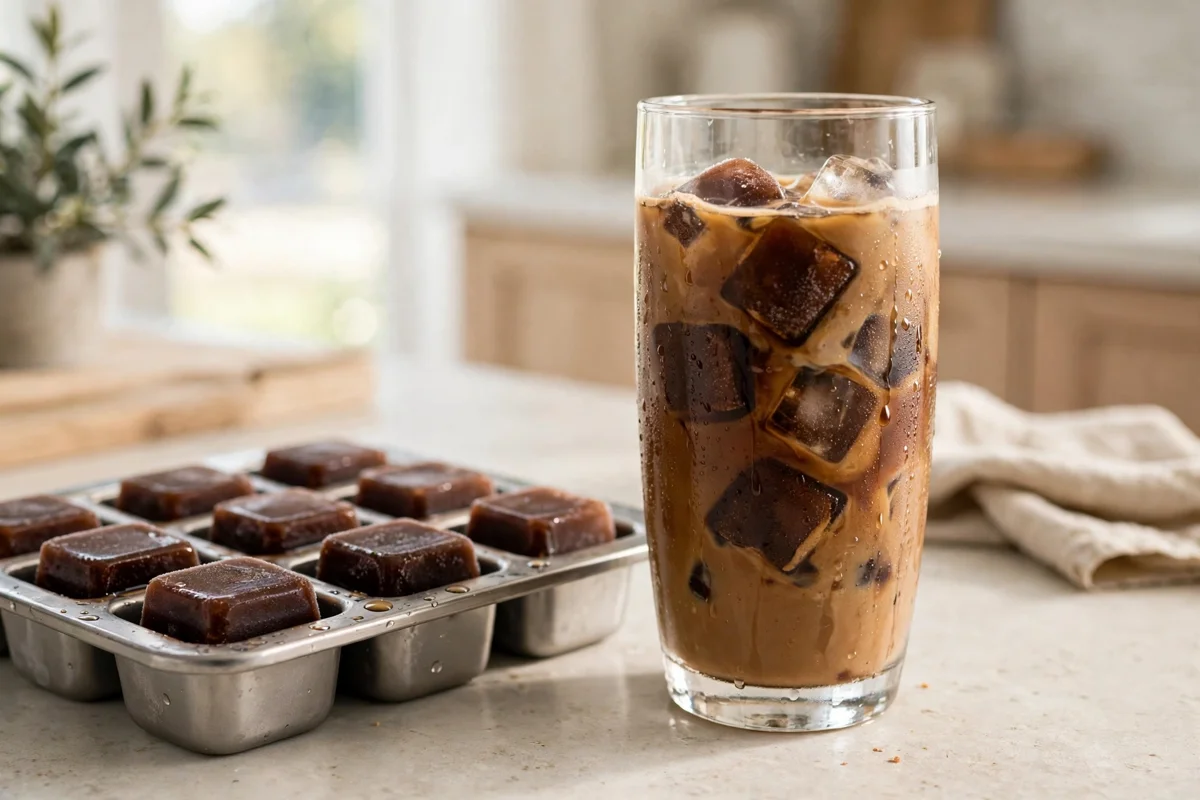
How to make iced coffee not watery: brew stronger, count ice as water, use coffee ice cubes, and flash brew, with a worked flash-brew glass and fixes.
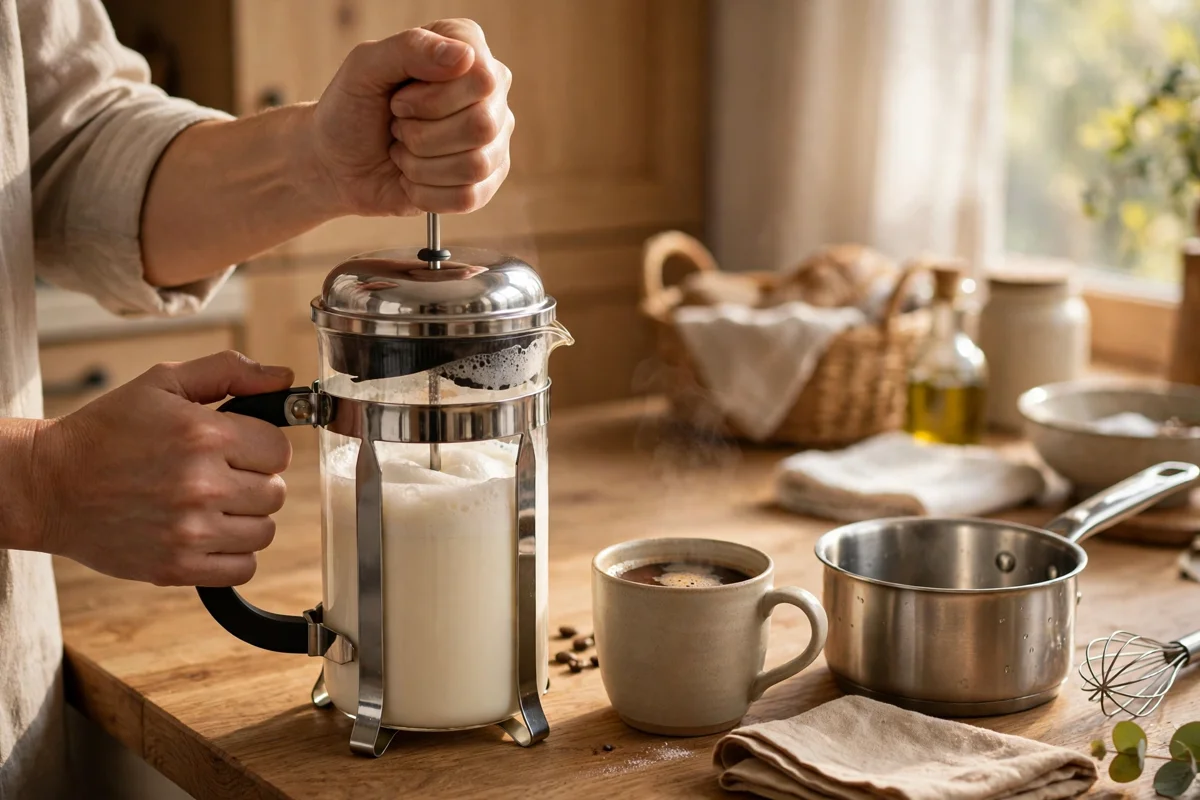
How to froth milk without a frother: jar, French press, whisk, and immersion blender compared by foam type, with temperatures and a worked latte.
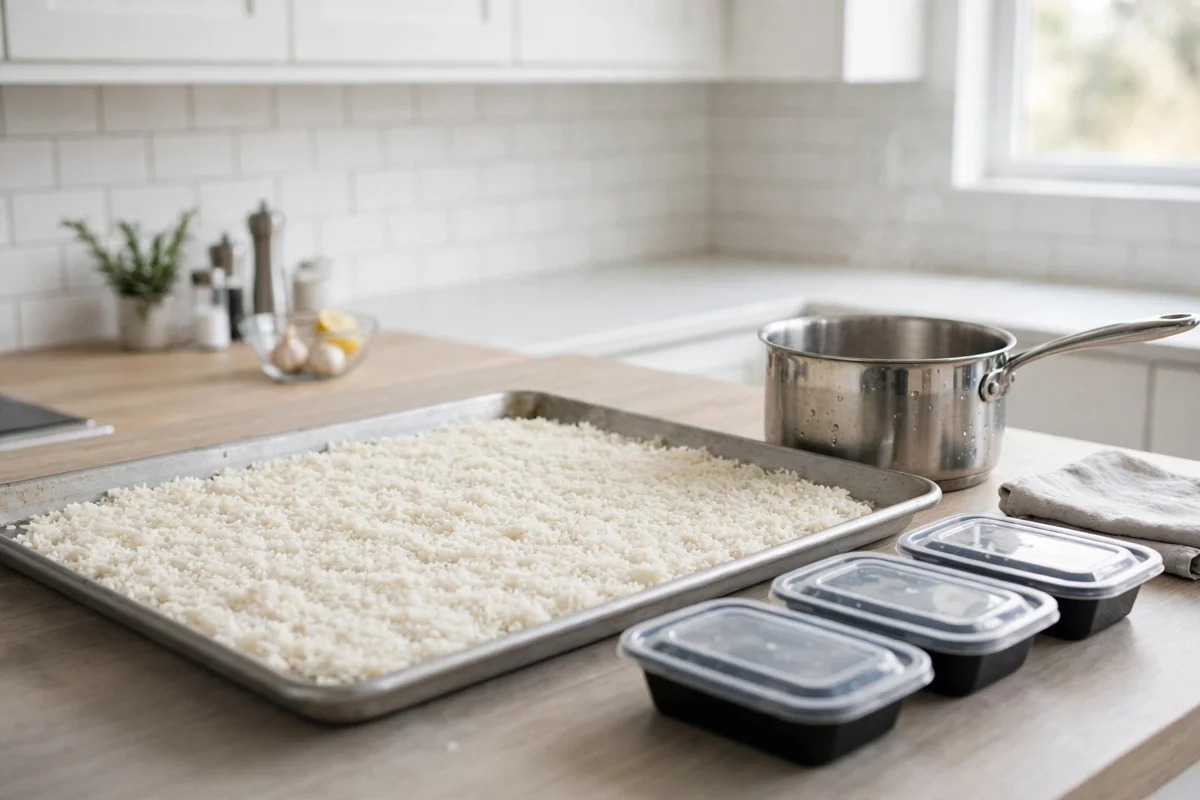
How to meal prep rice for the week: cook once, cool fast, portion into 5 containers, and reheat without drying it out — fridge and freezer plan inside.

How to cut vegetables ahead for meal prep: which vegetables hold 3 to 5 days, which do not, and storage by vegetable in a table, with a worked Sunday prep.

How to pack lunch without it going soggy: cool first, separate wet and dry, use a moisture barrier, and keep crunch separate until lunchtime.

How to reheat meal prep without drying it out: microwave, oven, and skillet by food type, with moisture, cover, and a worked chicken and rice plate.

How to cook for one person as a beginner: scaling table for one, small-pan choice, and planning one ingredient across 3 meals, with a worked week.
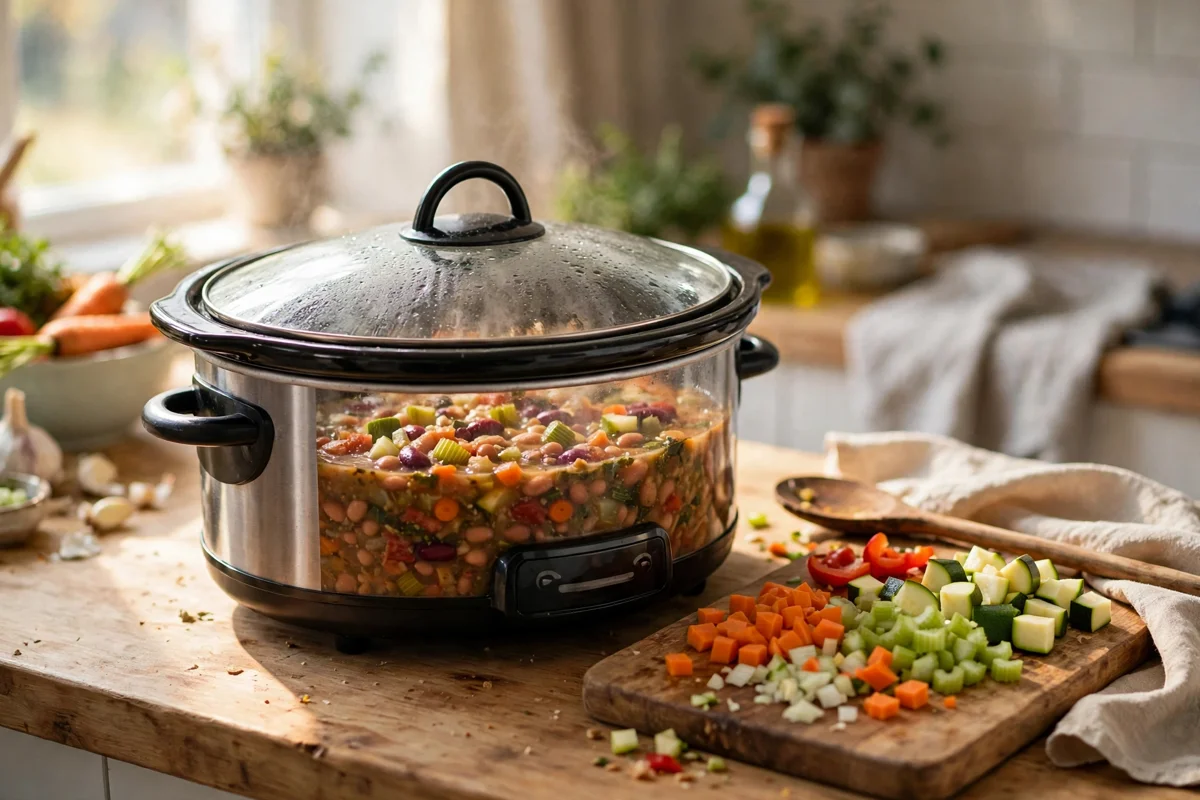
How to use a slow cooker safely for beginners: first-use checklist plus one simple first meal, with fill, thaw, lid, and power-outage rules.
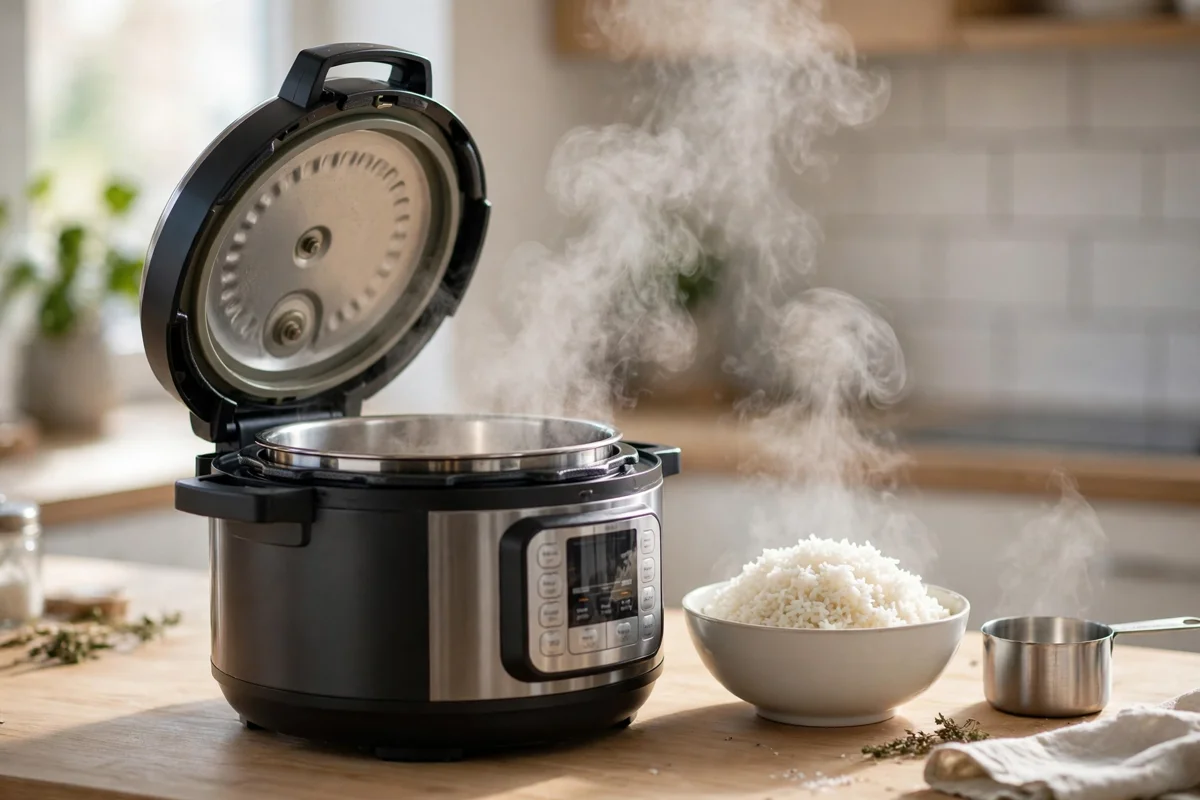
Instant Pot beginner mistakes to avoid: sealing valve, liquid minimum, fill lines, quick vs natural release, and lid and ring checks, with steam safety.
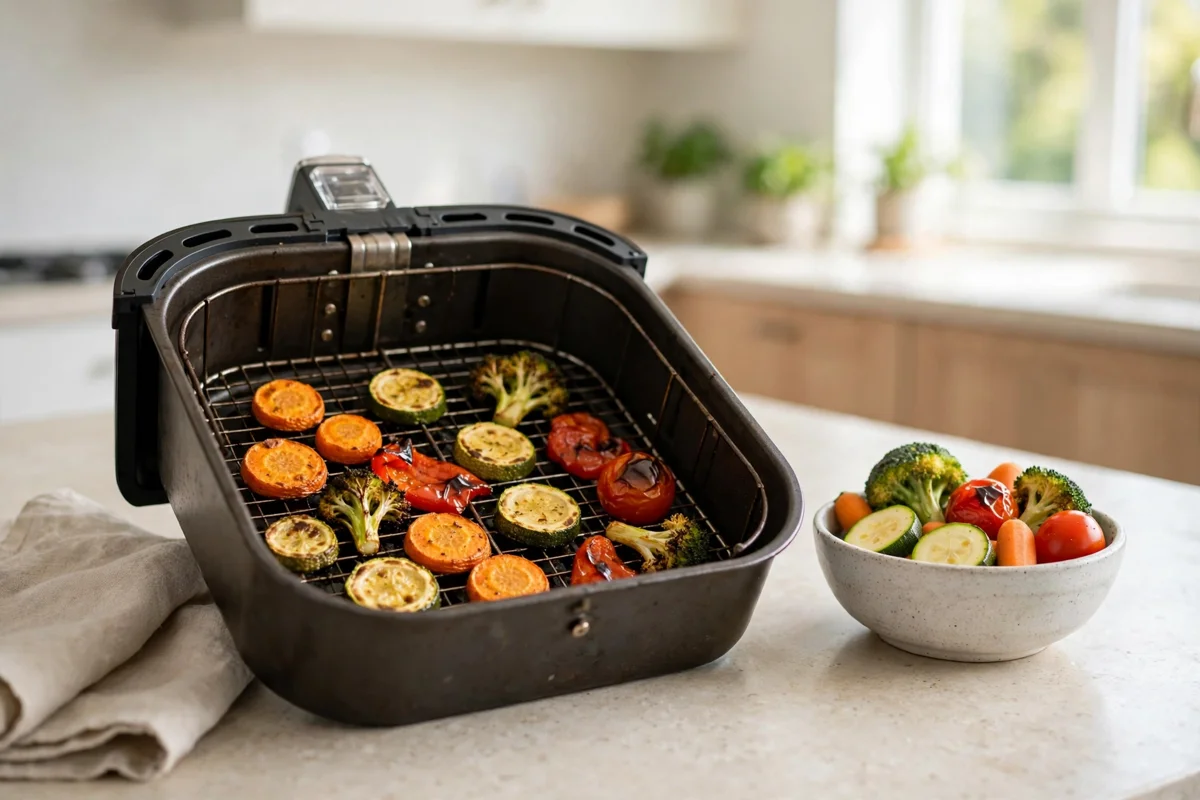
Air fryer beginner mistakes to avoid: crowding, skipping preheat, wrong temperature, wet batter, and no shaking, with a worked single-layer batch.

How to make smoothies without a high-speed blender: mash soft fruit and shake in a jar, plus immersion blender and food-processor options.

How to clean single serve coffee maker: the descale, the needle clean, and the rinse that fix slow brewing and sour coffee, with no vinegar needed.

How to make pour over coffee for beginners: the 1 to 15 ratio, the 195 to 205 degree water, and the bloom that makes a clean, sweet cup.

How to make french press coffee for beginners: the 1 to 15 ratio, the 4-minute steep, and the coarse grind that makes a rich, full cup.

How to make cold brew coffee stronger: the 1 to 5 concentrate ratio, the longer steep, and the coarse grind that fix a weak batch.

How to store ground coffee so it stays fresh: the airtight container, the cool dark cupboard, and why the fridge is the wrong place for it.

How to choose tea kettle size for beginners: which liter size fits 1, 2, or 4 people, electric or stovetop, and the kettle to buy first.

How to freeze cooked rice without clumping: cool it fast, freeze it flat in portions, and reheat it with a splash of water to 165 degrees.

How to freeze bread so it stays fresh: cool it fully, wrap it airtight in portions, and thaw it right, so it tastes fresh for 3 months.

How to reheat chicken without drying out: the oven method with a splash of liquid, the 165 degree target, and the mistakes that dry it out.

How to reheat pasta without drying out: the microwave method with a splash of water, the stovetop method with sauce, and the timing for each.

How to meal prep for one person beginners: cook 2 proteins on Sunday, mix them into 4 days of meals, and stop wasting food or eating the same thing.
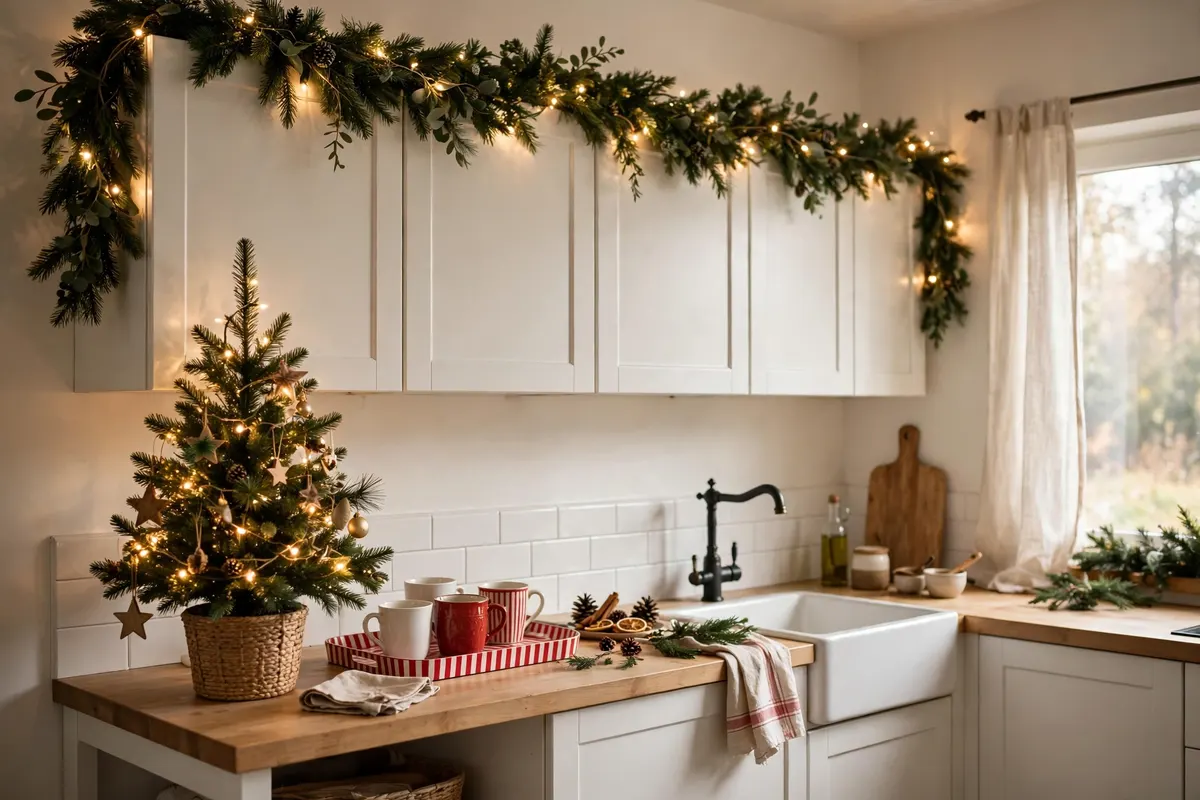
Small kitchen Christmas decor ideas that fit a tiny kitchen: renter-friendly, budget-friendly ways to dress the counter, shelves, and window without clutter.
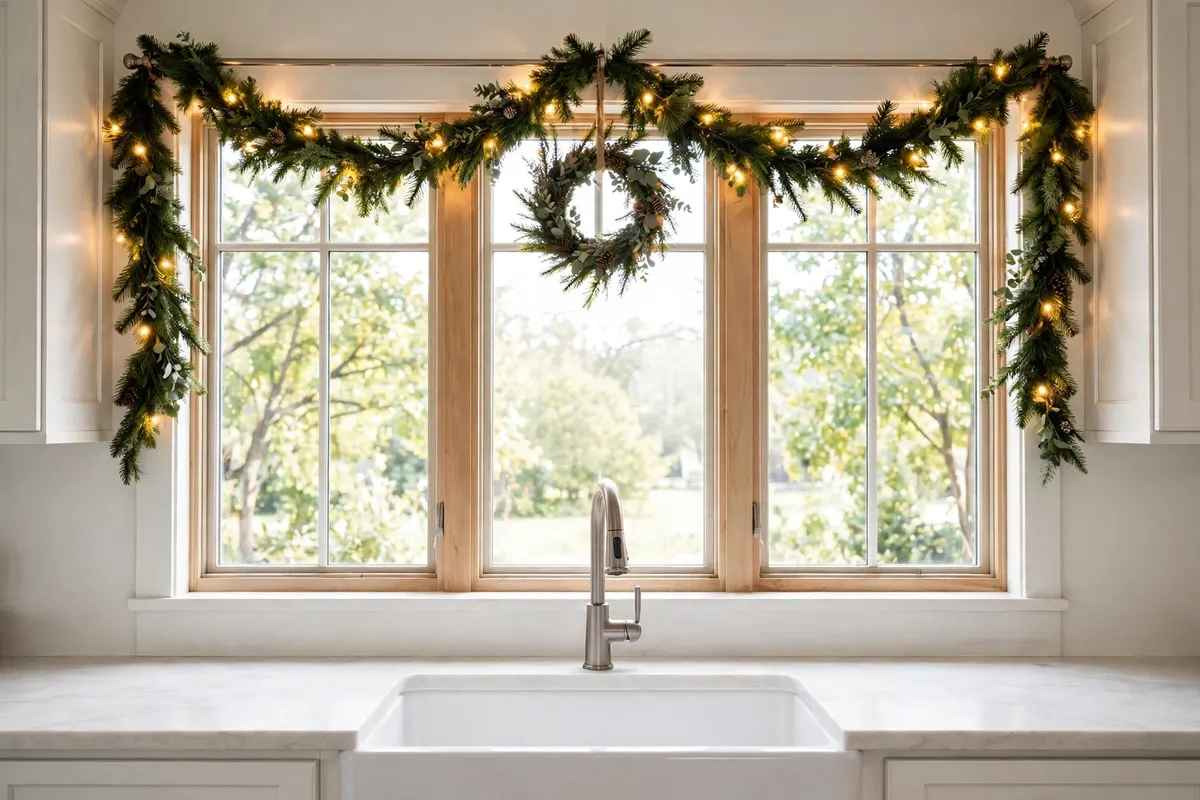
Christmas garland over kitchen sink window: hang it renter-safe with a tension rod, keep the sink usable, and take it down without damage after Christmas.

Hot cocoa station small kitchen: build a cozy tray with mugs, cocoa, marshmallows and spoons, keep it tidy, and switch it between Christmas and everyday use.
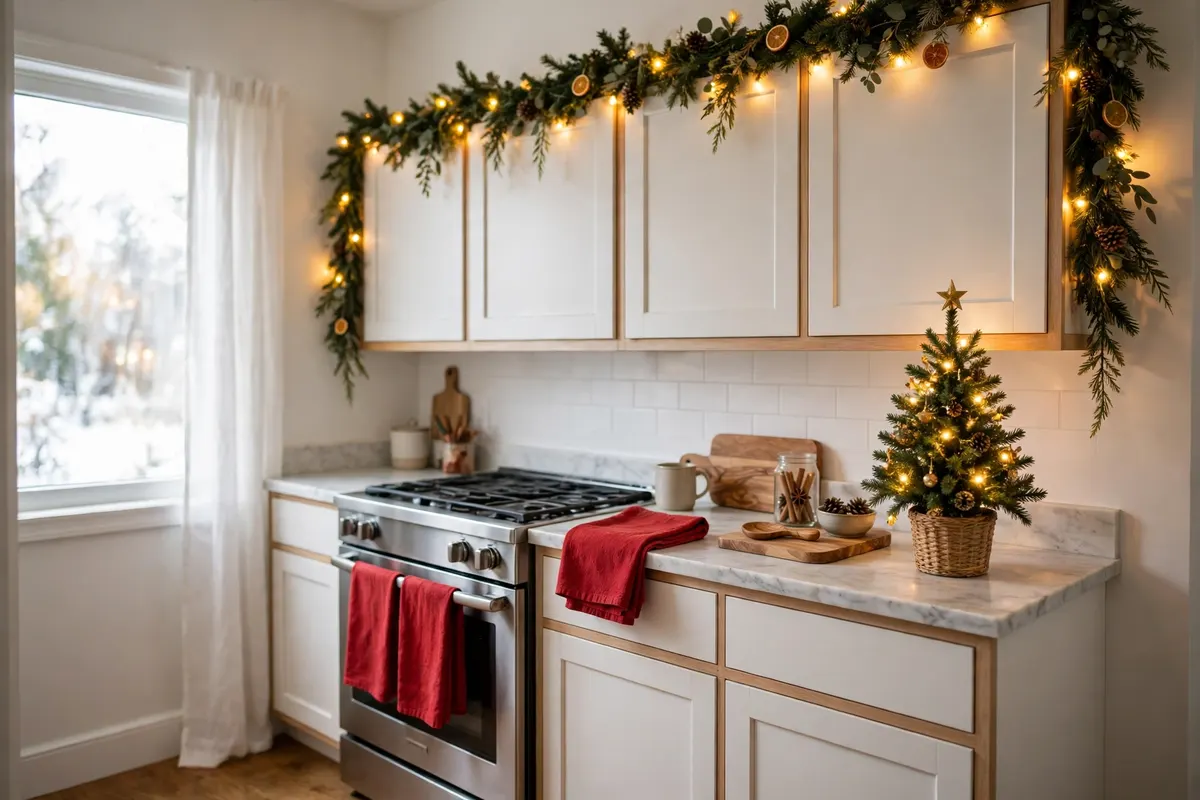
Christmas kitchen in 10 minutes: a minute-by-minute plan with garland, lights and table touches that make the kitchen feel festive fast — and easy to undo.

How to cook turkey for beginners, first time: thawing time, roast time per pound, the 165-degree check, and a worked 12-pound example.

How to keep food warm for a party without drying it out: oven, slow cooker, and chafing-dish methods that hold food above 140 degrees safely.
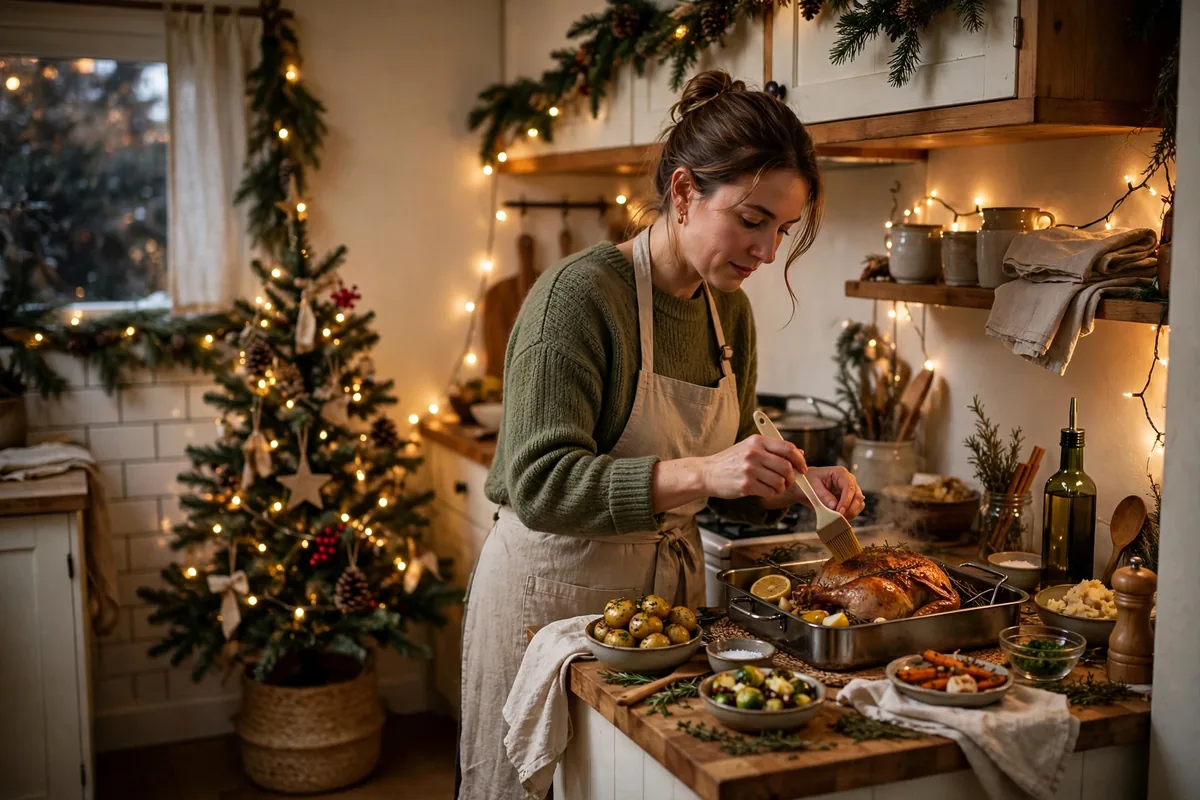
How to plan Christmas dinner in a small kitchen: a cook-ahead timeline, one-oven order of cooking, and a menu for 6 that fits a tiny kitchen.
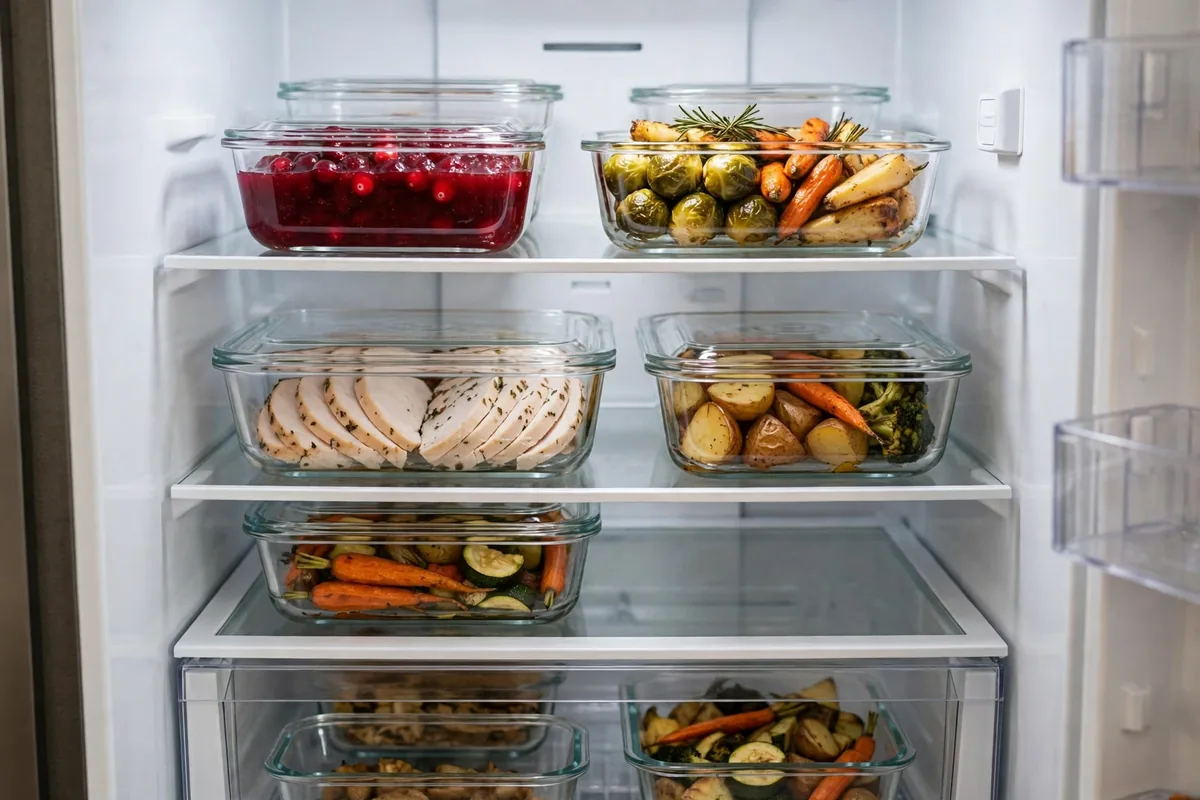
How to store Christmas leftovers safely: cool within 2 hours, eat within 3 to 4 days, freeze the rest, and reheat to 165 degrees.
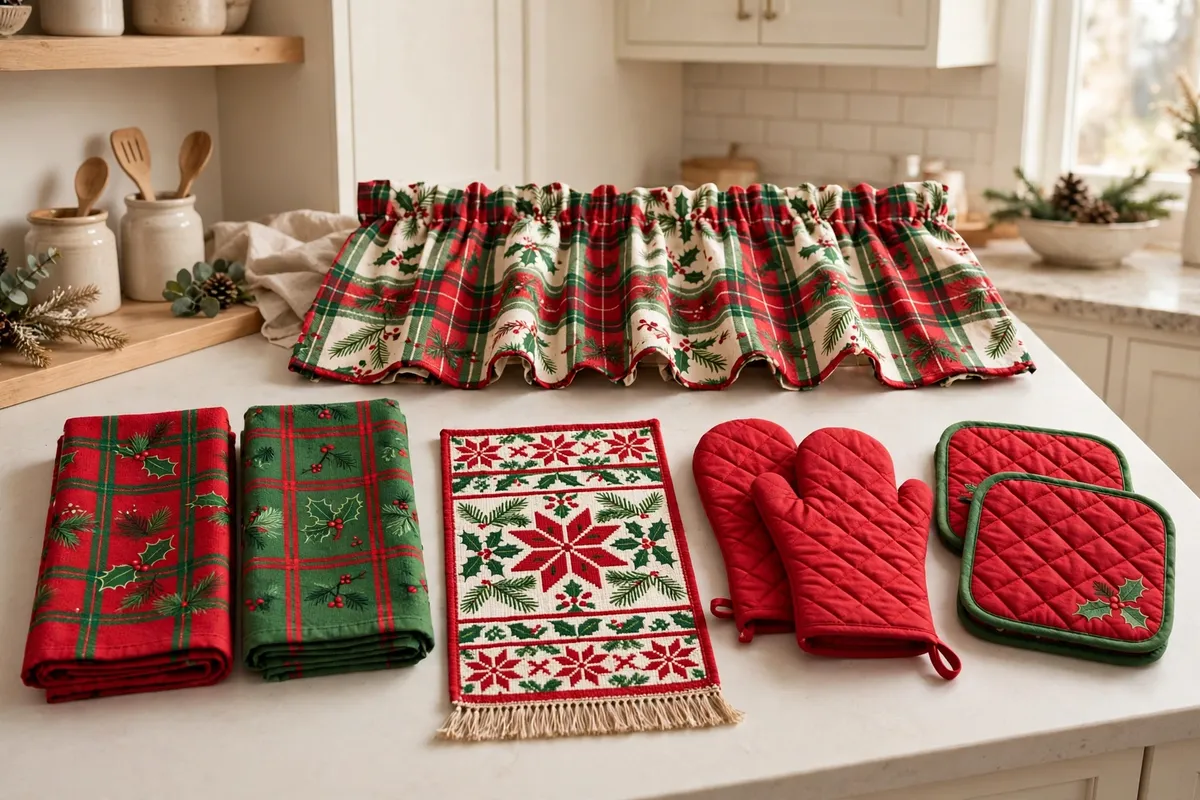
How to choose a christmas kitchen decor set: count the box, check what is missing, and read the rating next to its review count — the full check.

How to hang mini christmas wreaths on kitchen cabinets: tape them behind the door, match the size to the door, and count one wreath per door. The full method.