Recipe Serving Scaler
Scale any recipe up or down: enter original and target servings and up to five ingredients, and get scaled amounts in kitchen fractions.
Use Calculator →
37 free kitchen calculators, grouped by job. Each shows its formula, so you can check every answer. No signup is needed, and your inputs stay in your browser.
Looking for one kind of calculator? Each group below gathers the calculators for one job, so you can find the right one faster.
Scale any recipe up or down: enter original and target servings and up to five ingredients, and get scaled amounts in kitchen fractions.

Plan food and drinks for a meal or party: enter adults and children, the meal type and protein, and get protein, sides, drinks, desserts, and appetizers.
Work out how much uncooked rice to cook: enter people and children, side or main serving, and rice type, and get grams, cups, cooked weight, and water.

Work out how much dried pasta to cook for your group, with the cooked weight and sauce amount, for main courses and side dishes — children count as half portions, and you can set your own grams per person.

Check whether your cake pan fits your guest list: enter pan size, layers, serving size, and servings needed, and compare with standard servings for common pans, squares, half-sheet, and cupcakes.
Convert a whole recipe from US cups to metric grams, or metric back to US cups — up to five ingredients, with grams per cup for 21 ingredients or your own value.
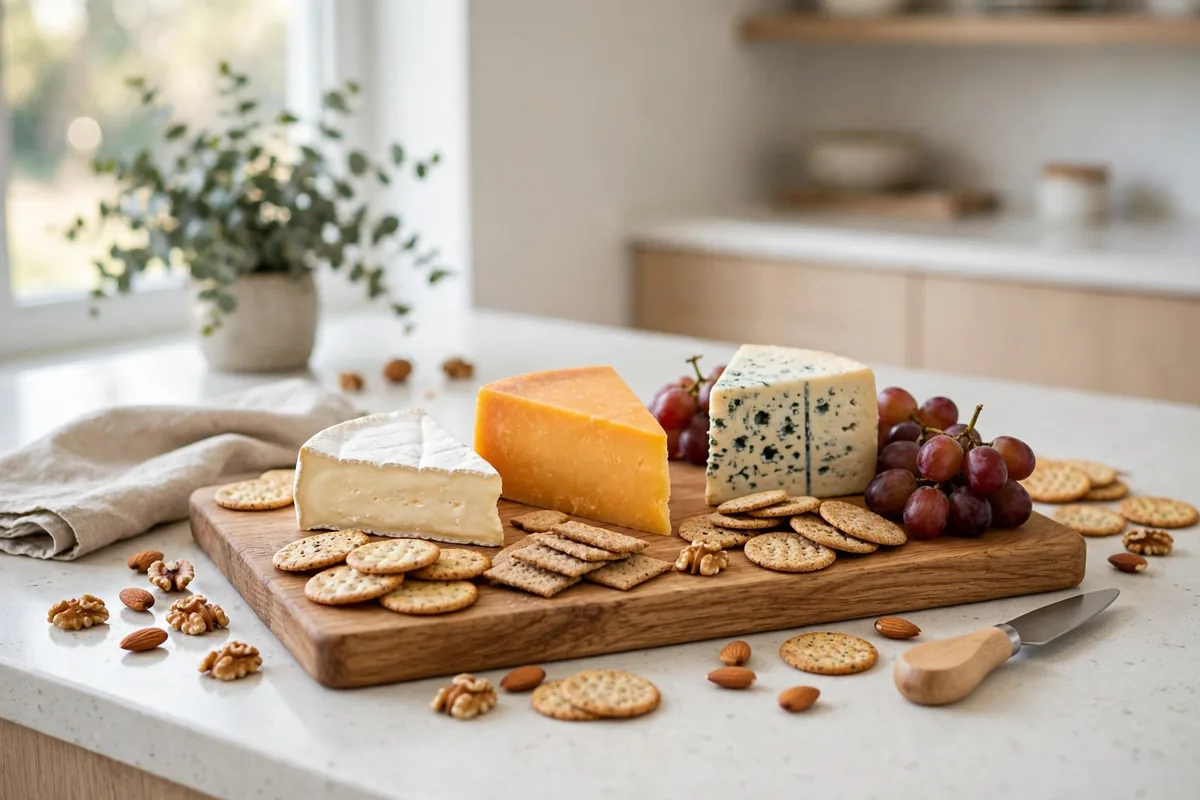
Work out how much cheese to buy: pick the board’s role, enter guests and children, and get total cheese in ounces, pounds and grams, split across three cheeses, plus crackers.
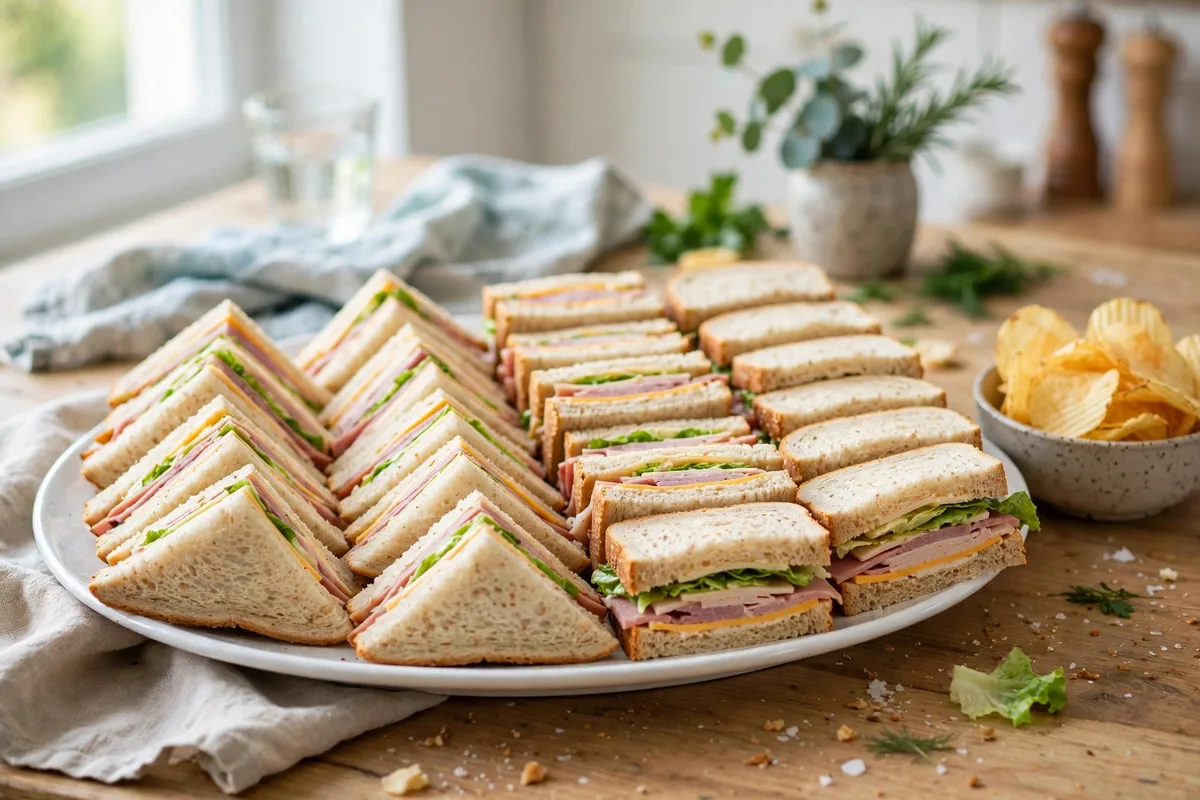
Work out how many sandwiches to make: choose the event and sandwich size, enter guests and children, and get whole sandwiches, pieces, bread loaves, deli meat and cheese.

Convert cups to grams by ingredient, and grams back to cups, for 21 ingredients plus your own grams-per-cup value, using standard approximate cup weights.

Convert tsp, tbsp, cups, liters, pints, quarts, gallons, ml, fl oz, grams, kilograms, ounces, and pounds — and see common equivalents.

Convert an oven temperature between Fahrenheit, Celsius, and gas mark, and see the approximate fan-oven setting for the same heat, including the low gas marks ¼ and ½.

Convert between active dry yeast, instant yeast, and fresh yeast by weight, so you can use whichever type you have — enter grams, teaspoons, or packets, and get all three units back.
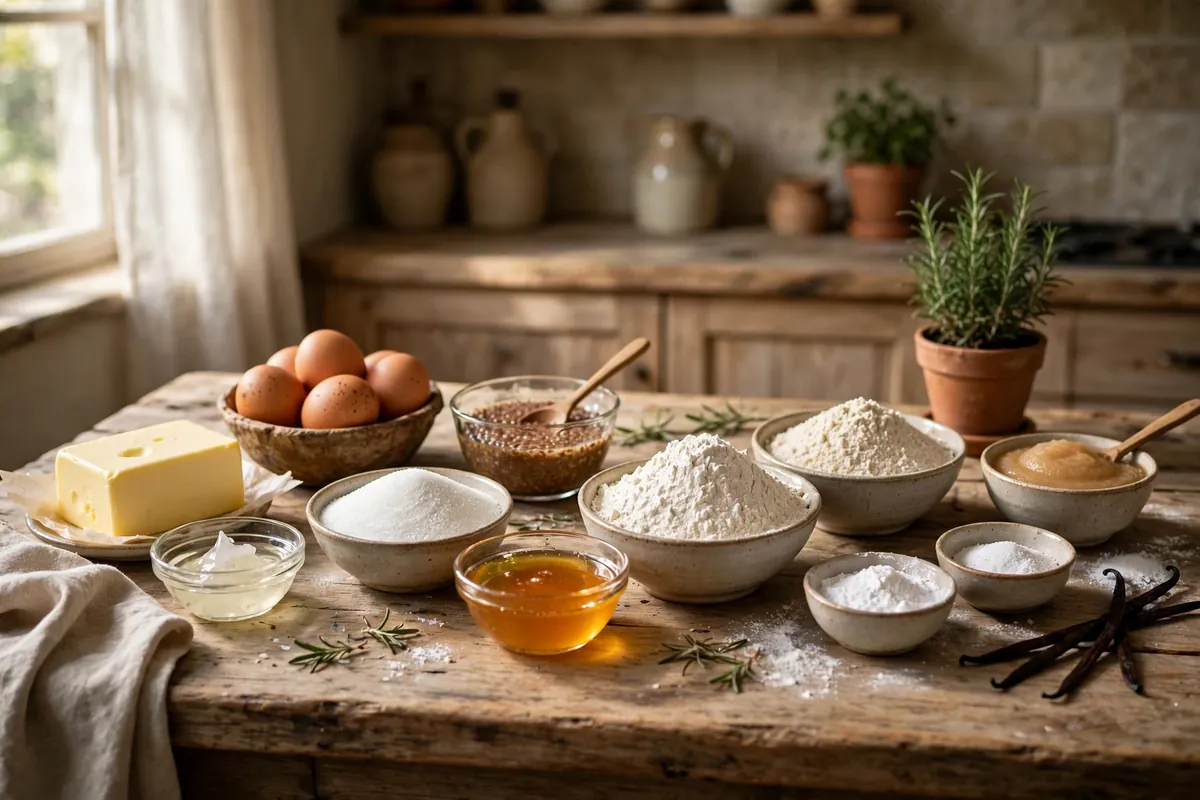
Find a standard stand-in for a missing ingredient: choose from butter, buttermilk, milk, cream, sour cream, honey, self-raising flour, baking soda, vanilla, egg, and more, enter the amount, and get the substitution.

Swap egg sizes by USDA weight: enter the recipe eggs and size, and get how many of your size you need, plus any beaten egg to make up the weight.
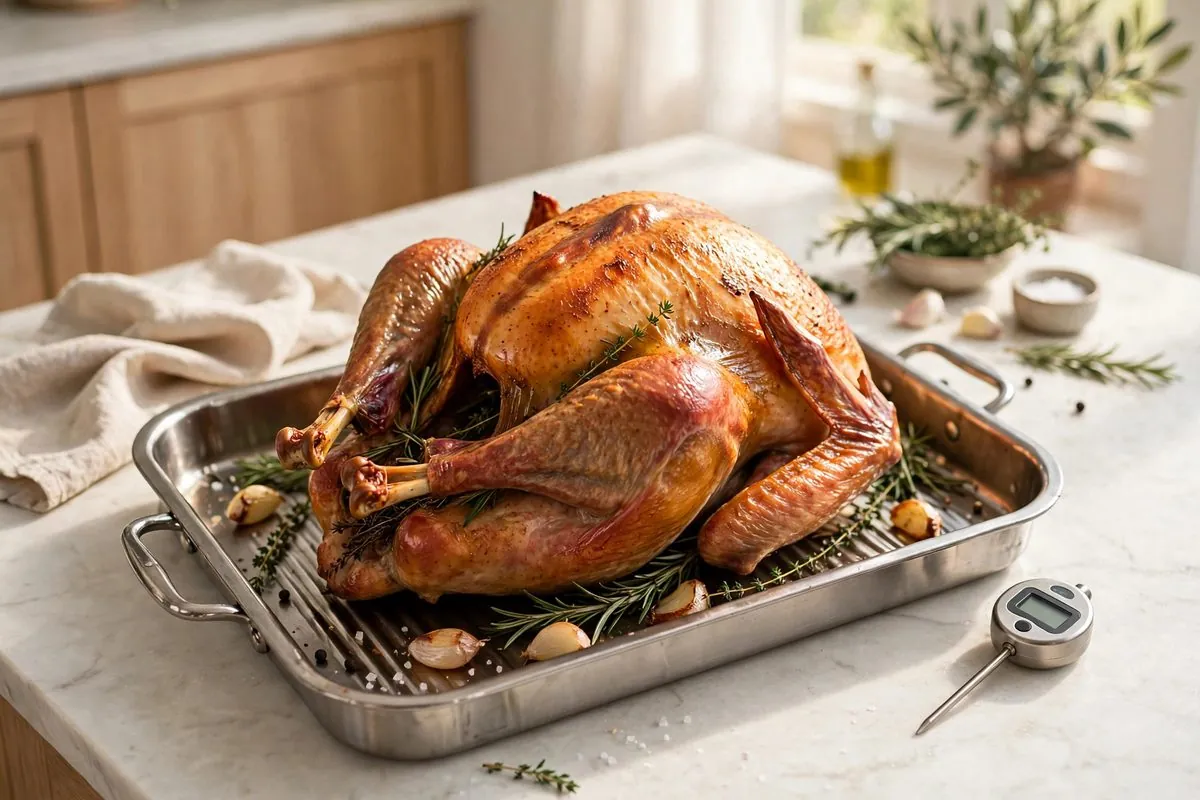
Plan a roast: thaw time, roast time, rest time, and servings, with a 165°F safe-temperature target for poultry — whole turkey or breast, in pounds or kilograms, at 325°F, 350°F, or 425°F.
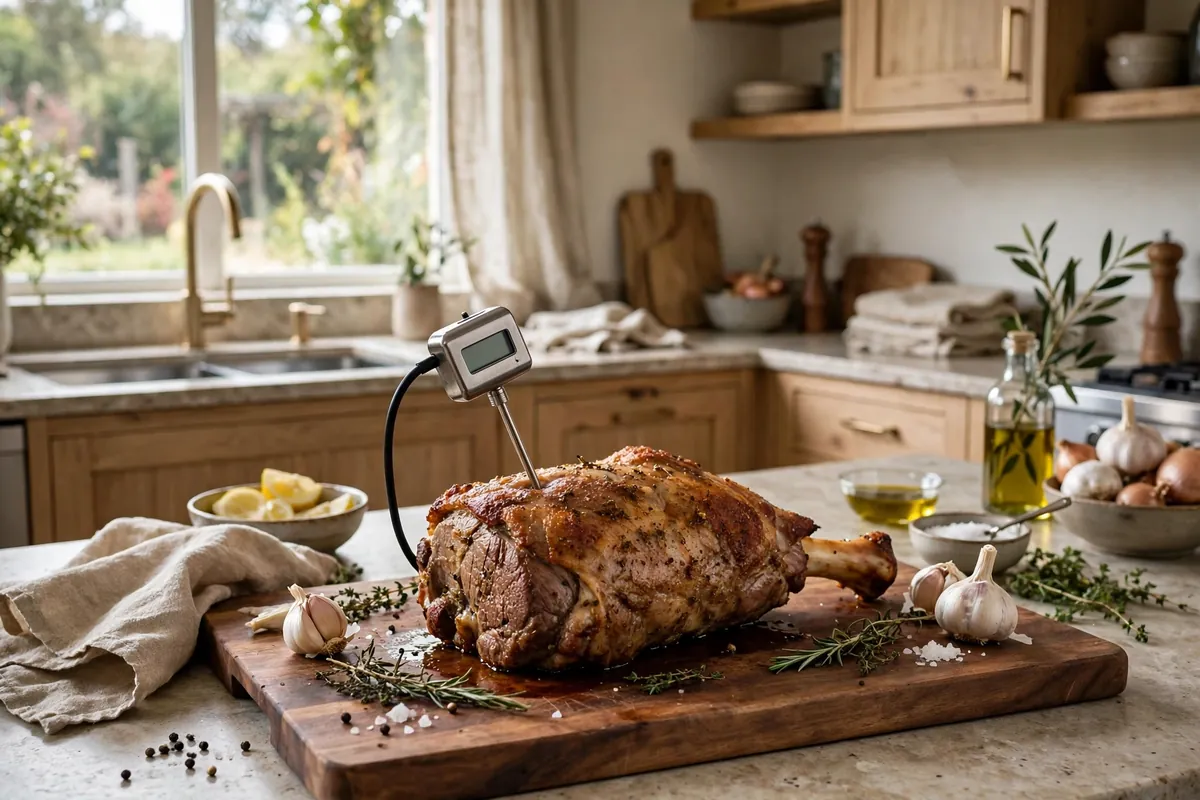
Estimate roast cooking time by meat type, weight, and doneness, plus resting time and safe internal temperatures — bone-in or boneless, in pounds or kilograms, at 300°F, 325°F, or 350°F. Always check with a thermometer.

Work out how long to thaw turkey or meat: enter the weight in pounds or kilograms and choose fridge thawing or cold-water thawing, and get the thaw time in days or hours.

Work out how long to boil an egg for soft, medium, or hard doneness, adjusted for egg size, number of eggs, altitude, and whether it starts from the fridge or room temperature.
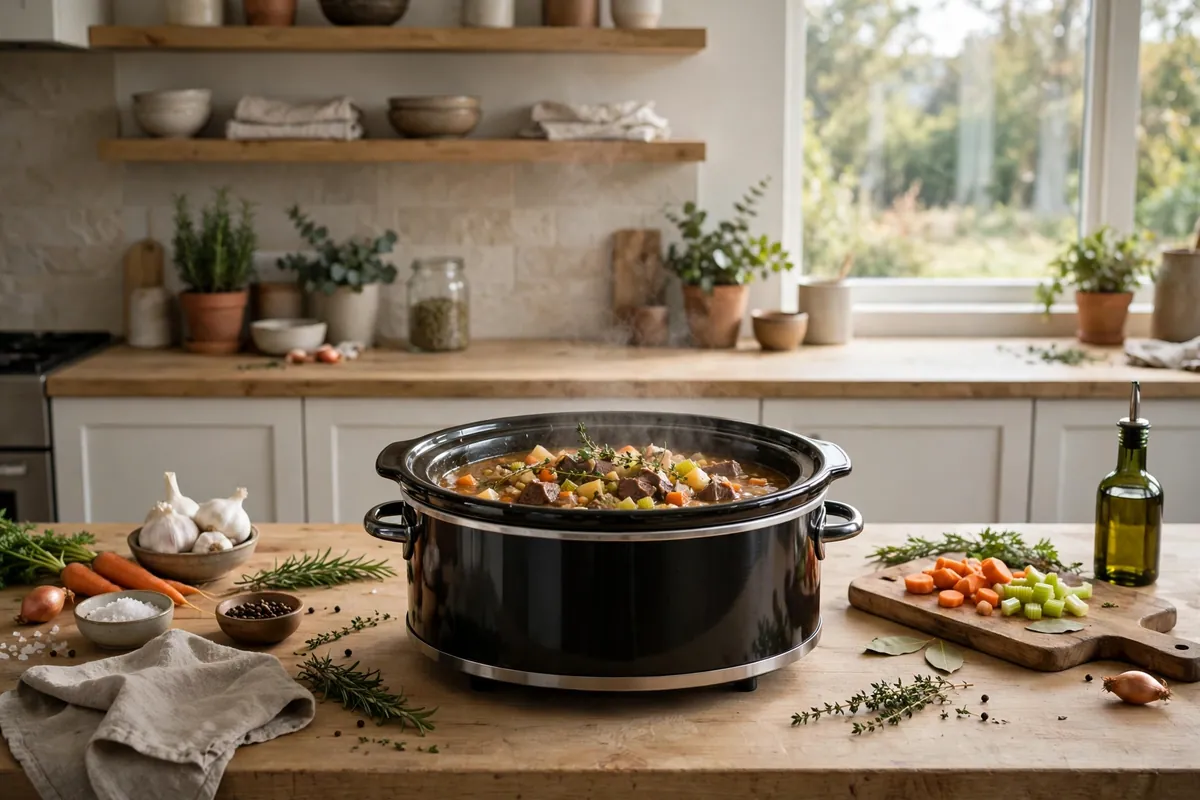
Convert cooking times both ways: oven or stovetop time to slow cooker time, or slow-cooker time back to oven time, for hearty or delicate food on low or high.

Convert a conventional or slow-cooker time to an approximate pressure cooking time, with the come-to-pressure time and the natural release time for your food, plus the maximum fill line.

Find a standard sous-vide temperature and an approximate time range for chicken, steak, salmon, pork, lamb, vegetables, or eggs by protein and thickness, in inches or centimeters, fresh or frozen.
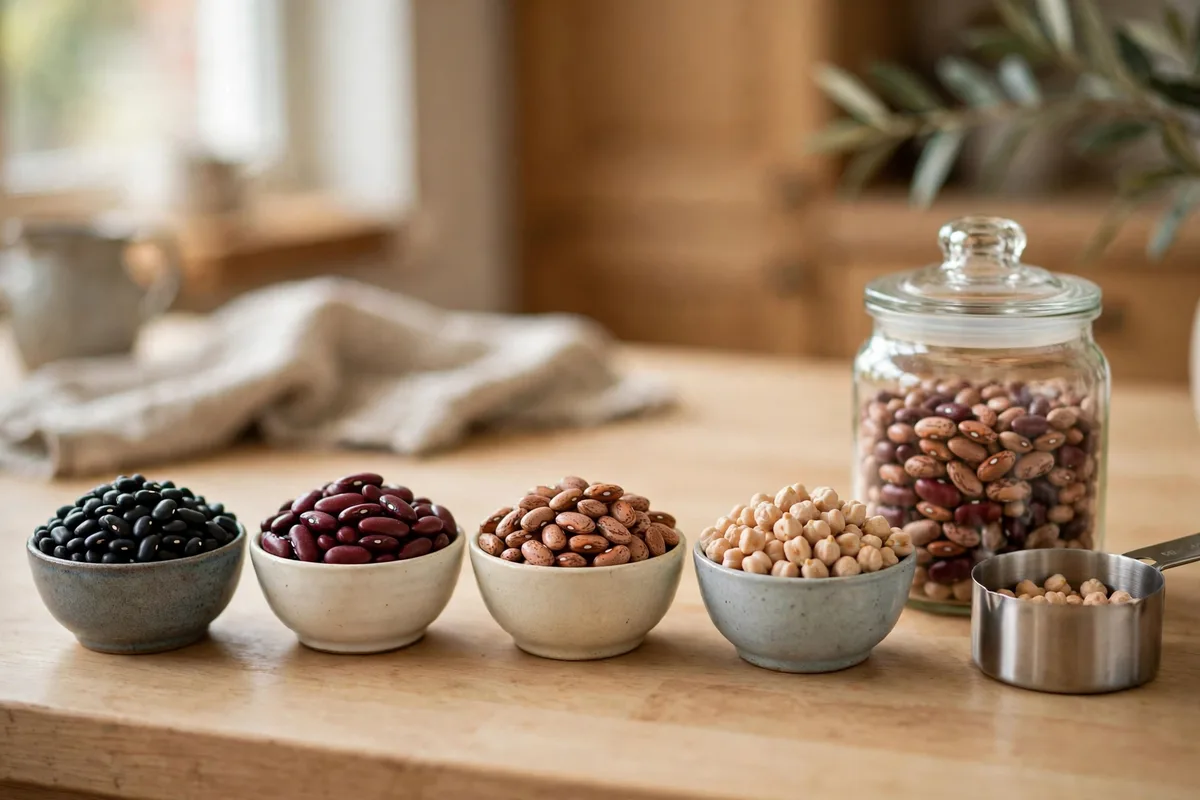
Soak time, cook time, water and cooked yield for black beans, kidney, pinto, chickpeas and lentils — stovetop, pressure cooker or slow cooker.
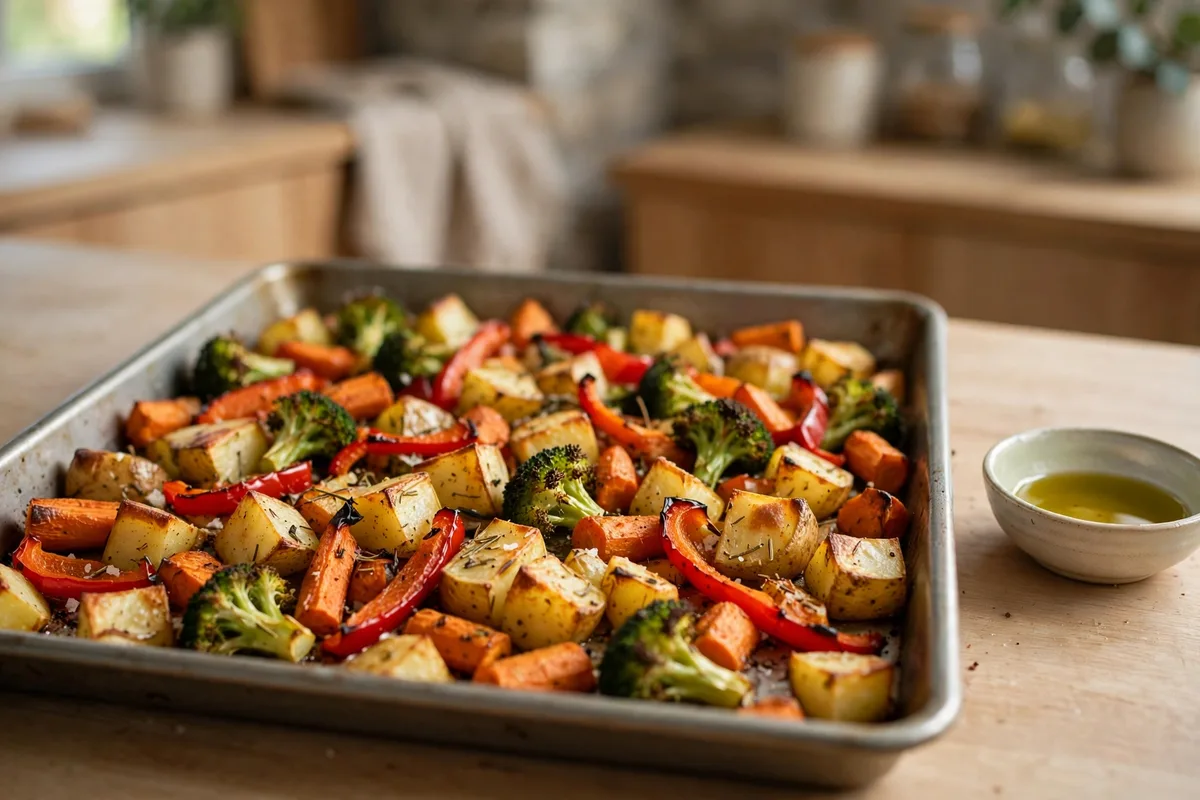
Roast times at 400, 425 or 450°F, plus the minute to add a second vegetable so everything finishes together.
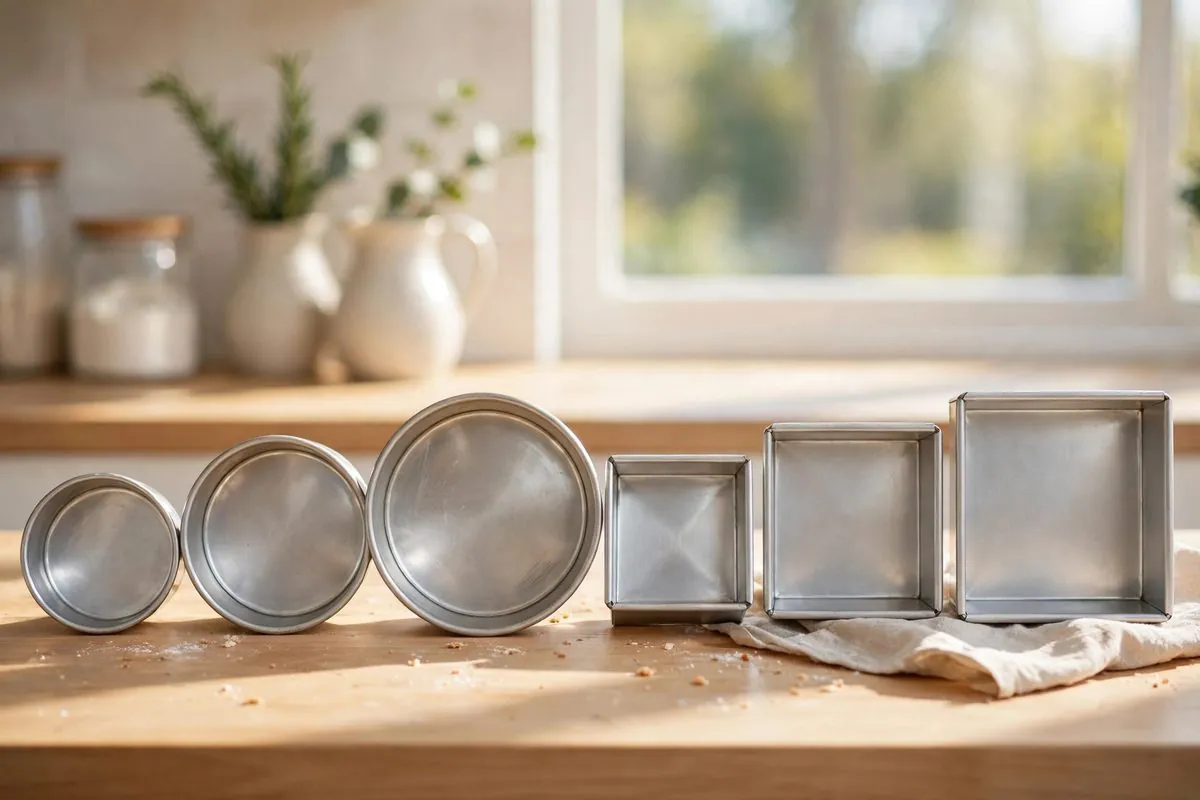
Swap baking pan sizes by area and depth: get the batter scaling factor and know which way bake time moves — round, square, bundt, springform, half-sheet, muffin tin, or your own custom size.
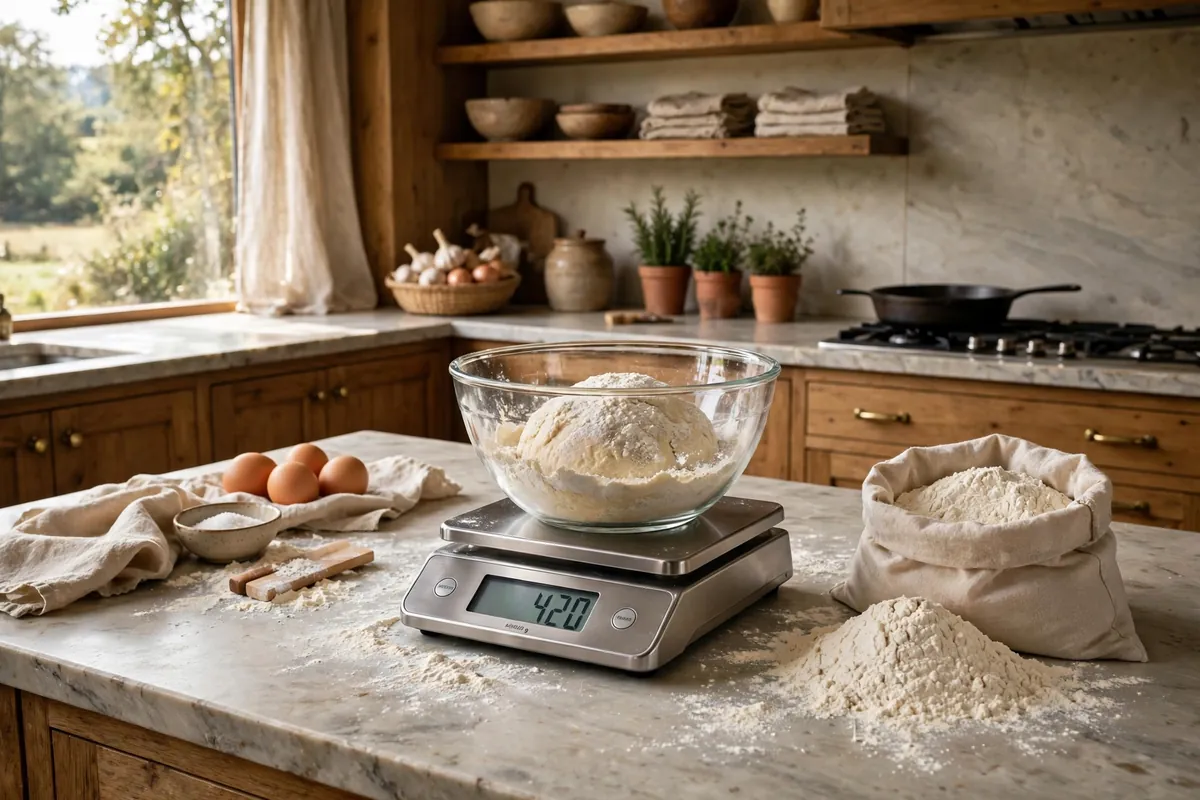
Work out dough ingredients by baker's percentage: enter flour weight or total dough weight, and get water, salt, yeast, oil, and sugar at your chosen percentages.

Work out a sourdough starter feeding: enter the starter you keep — or the starter you need — and the feeding ratio, and get the flour and water to add, the discard, and the peak time.
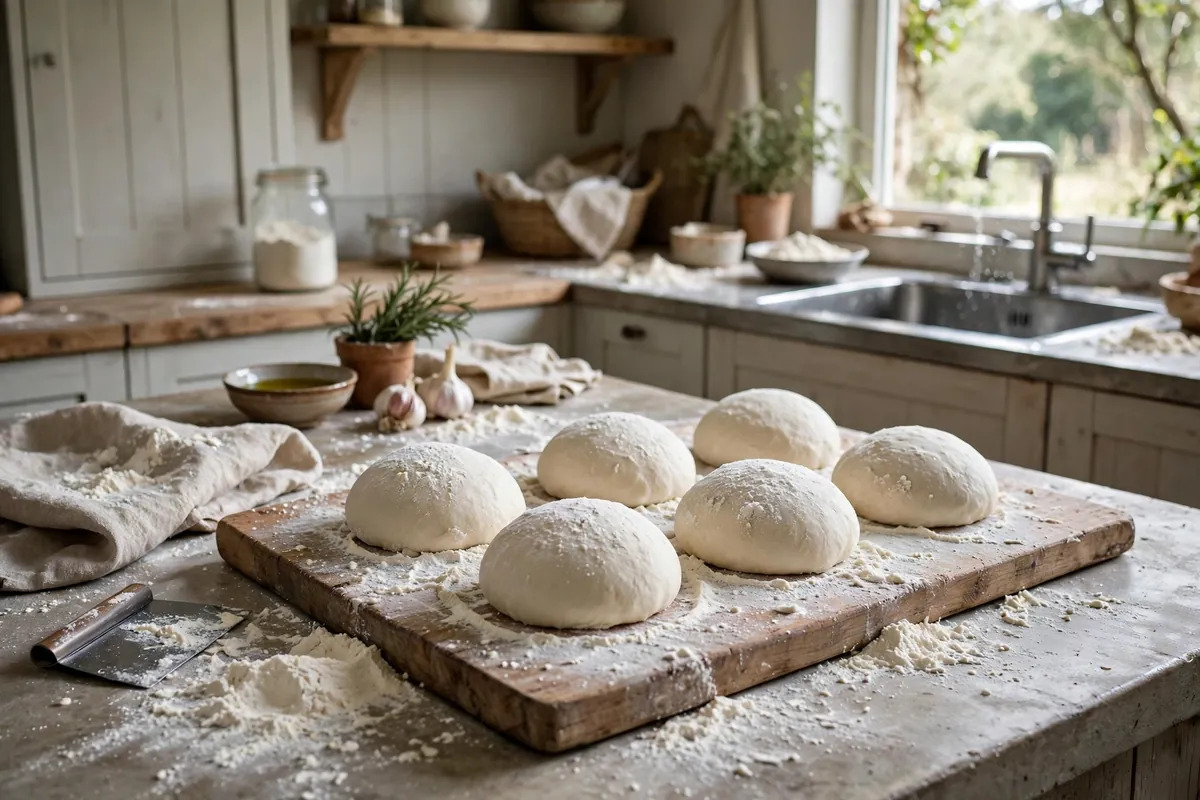
Work out pizza dough by baker's percentages: enter pizzas and dough ball weight, and get flour, water, salt, yeast, and oil amounts at your hydration and yeast type.

Adjust sugar, liquid, leavening, oven temperature and baking time for high-altitude baking, using standard approximate rules for altitudes above 3,500 feet, in feet or meters, for cakes or bread.
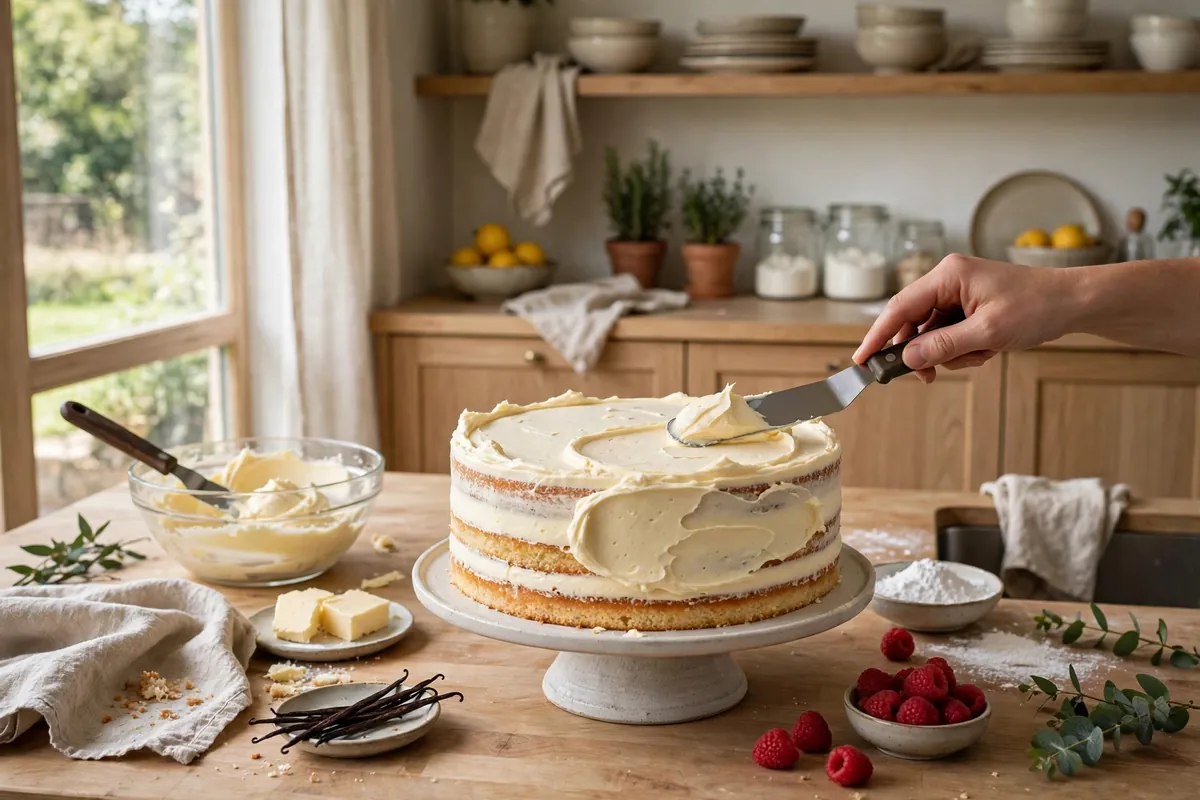
Work out how much buttercream you need for your cake size and coverage — covering, filling, or both, plain or piped — in cups and in grams, including cupcakes.

Coffee and water amounts by brew method, in either direction — enter water or coffee weight — including espresso, moka pot, and AeroPress, so a cup is neither weak nor bitter.
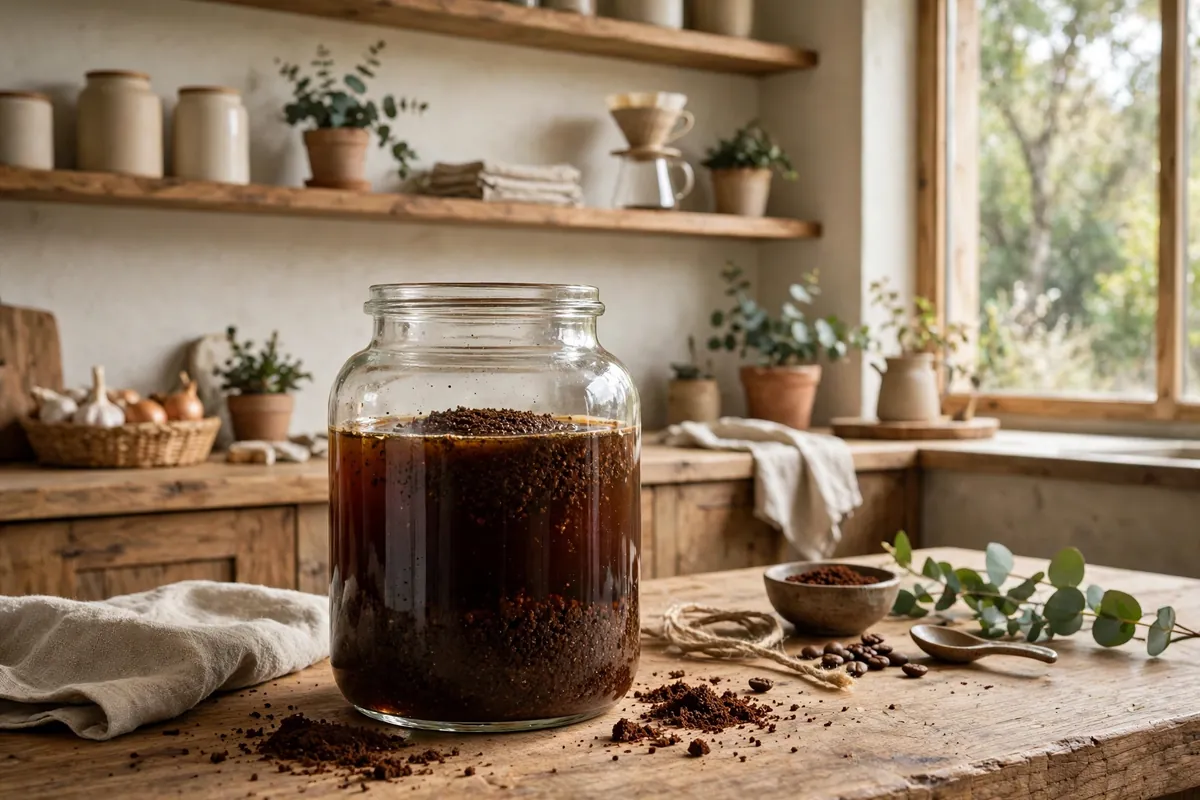
Work out cold brew coffee from your coffee weight or your water amount, including steep time, the strained concentrate, and the ready-to-drink dilution.

Work out how much water to mix with your sugar for simple syrup: enter the sugar weight or the finished syrup you want, choose 1:1, rich 2:1, or light 1:2, white sugar, demerara, or honey, and get the water weight, total syrup, and finished volume.

Work out how much salt you need for a brine: enter the water amount and choose 2%, 3%, 3.5%, or 5% for fermentation or pickling, by water weight or total weight, and get the salt weight in grams.

Work out how much salt, and optionally sugar, to dissolve in a given amount of water for a brine of your chosen strength — plus the brining time for your meat and weight.
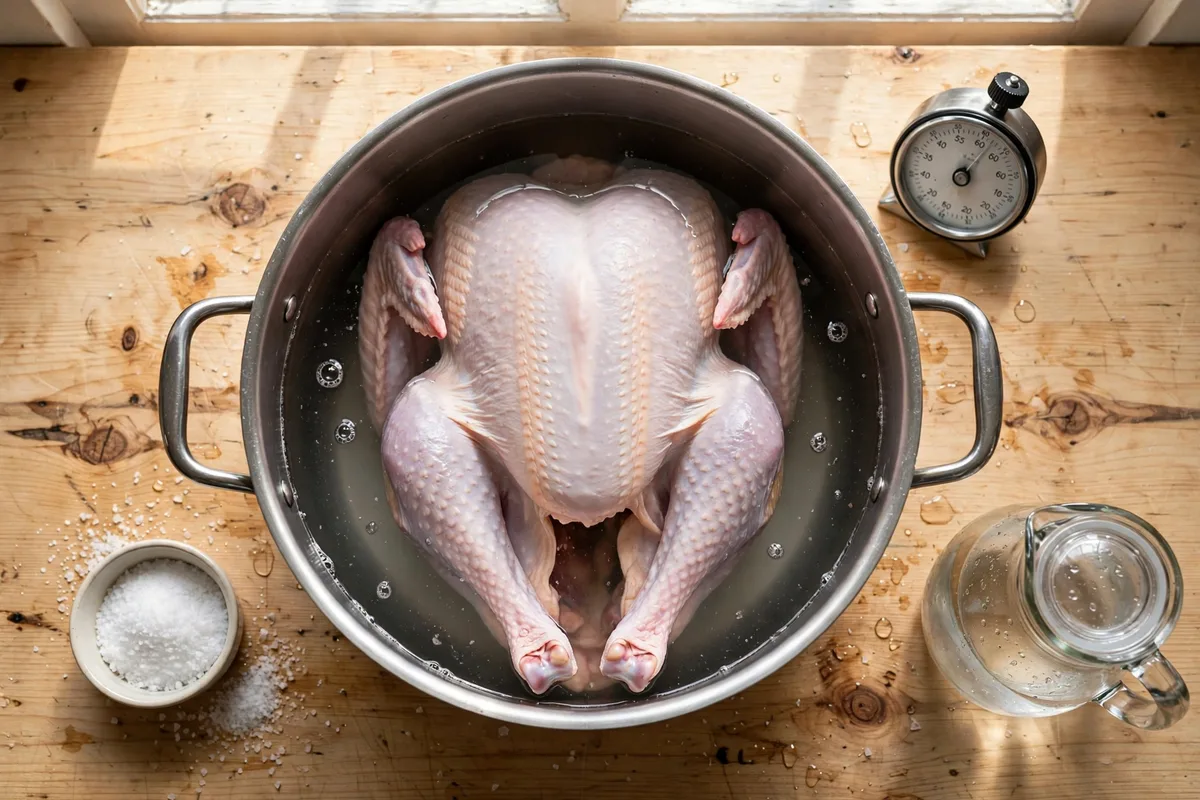
How long to brine meat: choose the cut and weight, and get the brining time range and the water needed to cover it — chicken, turkey, pork, or beef.

How much loose leaf tea per cup for black, green, white, oolong, herbal and chai — grams, water temperature and steep time, at any strength.
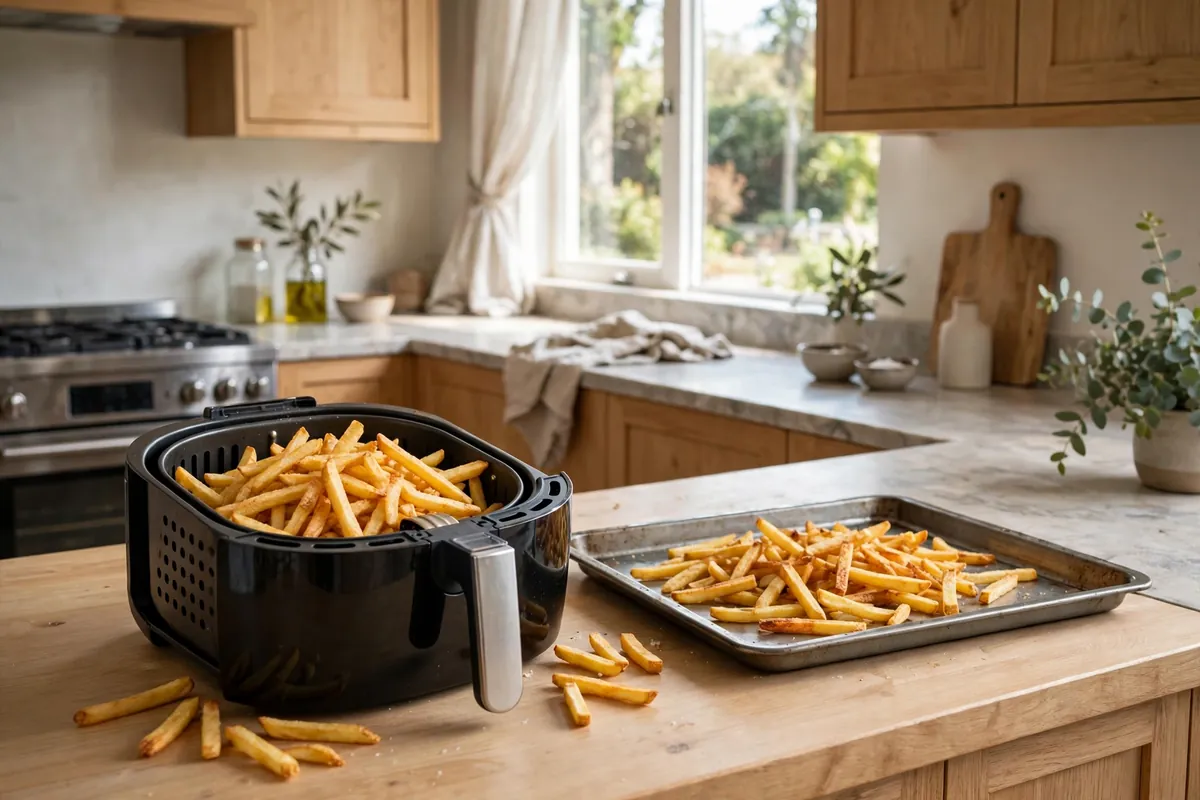
Convert any oven recipe for the air fryer: enter the oven temperature in °F or °C, choose the food type, and get the air fryer temperature and the shortened time.