Can Ceramic Baking Dish Go in the Microwave
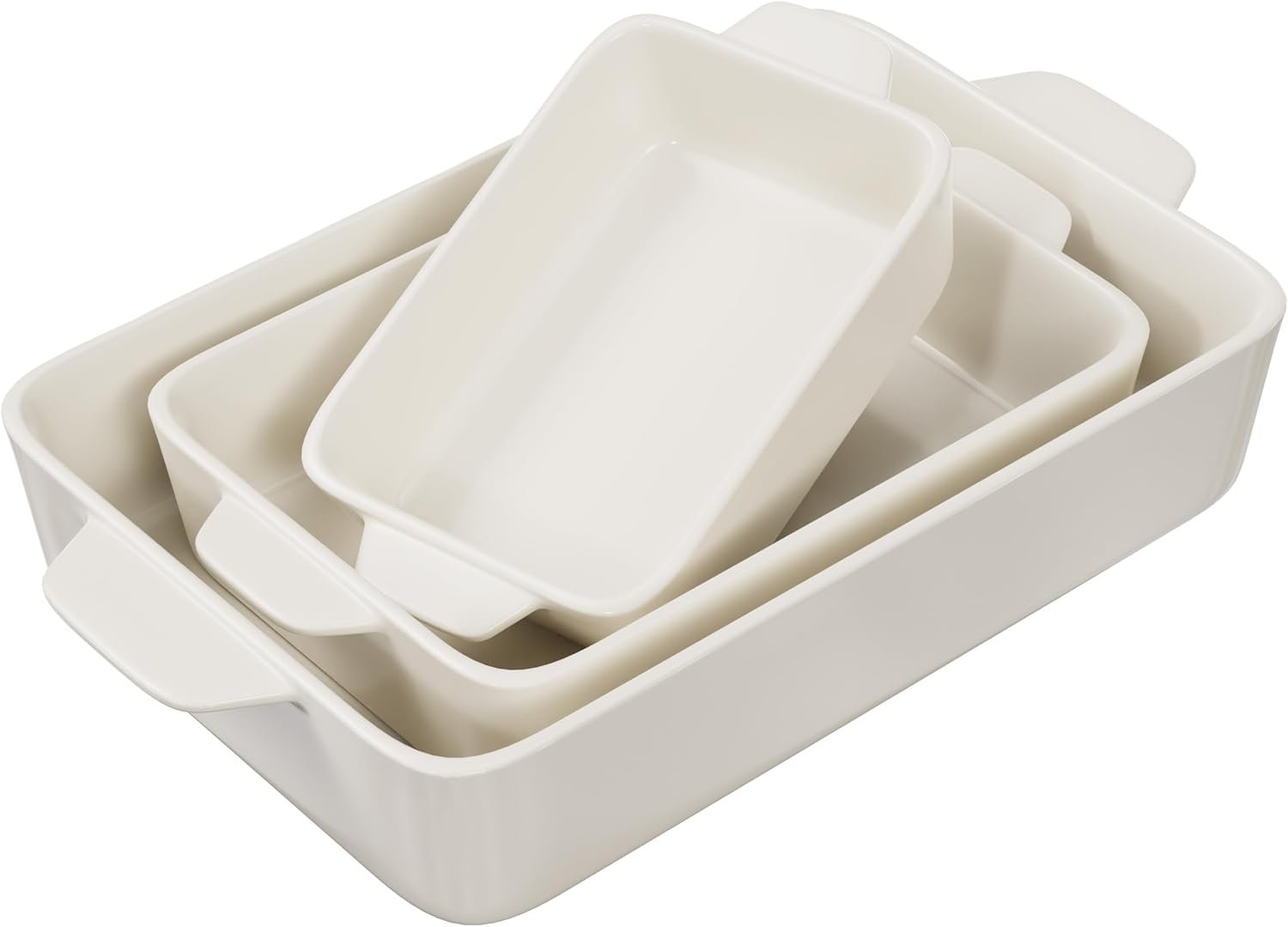
Can ceramic baking dish go in the microwave? Most glazed dishes can — their listings say microwave safe — but check the label first, because a dish with metallic trim or an unglazed handmade body is a different case. The quick check is the 30-second water test: if the dish stays cool while the water gets hot, it is microwave-safe. This guide covers the test, the trim rule, and the frozen-dish warning.
The short answer: can ceramic baking dish go in the microwave
Yes, if the dish is glazed and the listing says microwave safe — and most glazed dishes do. A glazed ceramic dish heats food evenly in the microwave and does not absorb microwaves itself. Do not microwave a dish with metallic trim, a gold rim, or any metal decoration, and do not microwave an unglazed handmade dish unless the maker says it is safe. When in doubt, run the 30-second water test below.
How to check if your dish is microwave-safe
Check the listing first: most glazed dishes we list state microwave safe in their details — the KooK, MALACASA, DOWAN, and Jemirry sets among them. Then check the base of the dish: many makers stamp a microwave symbol underneath. If the listing and the base are silent, run the water test.
The 30-second water test. Put a cup of water in the dish, microwave it for 30 seconds, then touch the dish. If the water is hot and the dish is cool or only slightly warm, the dish is microwave-safe — it is letting the microwaves through to the food. If the dish itself is hot, it is absorbing the microwaves, and it should not go in the microwave. If the dish is very hot or you see sparking, stop at once and do not use that dish in the microwave again.
Metallic trim and gold rims: never microwave
A dish with a metallic rim, gold trim, or any metal decoration must never go in the microwave. Metal reflects microwaves, and a thin metallic trim can spark, arc, and damage the microwave — and the trim itself. This applies even to a dish that is otherwise microwave-safe: the trim is the problem, not the ceramic. Hand wash a trimmed dish and heat its food in a different container.
Unglazed and handmade pottery: higher risk
Unglazed and handmade pottery is riskier in the microwave. The raw surface absorbs water, and water trapped in the ceramic heats fast and unevenly — which can crack the dish or make it very hot to handle. A handmade dish with no glaze and no microwave statement on its listing should not go in the microwave. A glazed handmade dish is usually fine, but run the water test first. Our guide on ceramic baking dish vs stoneware baking dish explains the glazed-vs-unglazed difference.
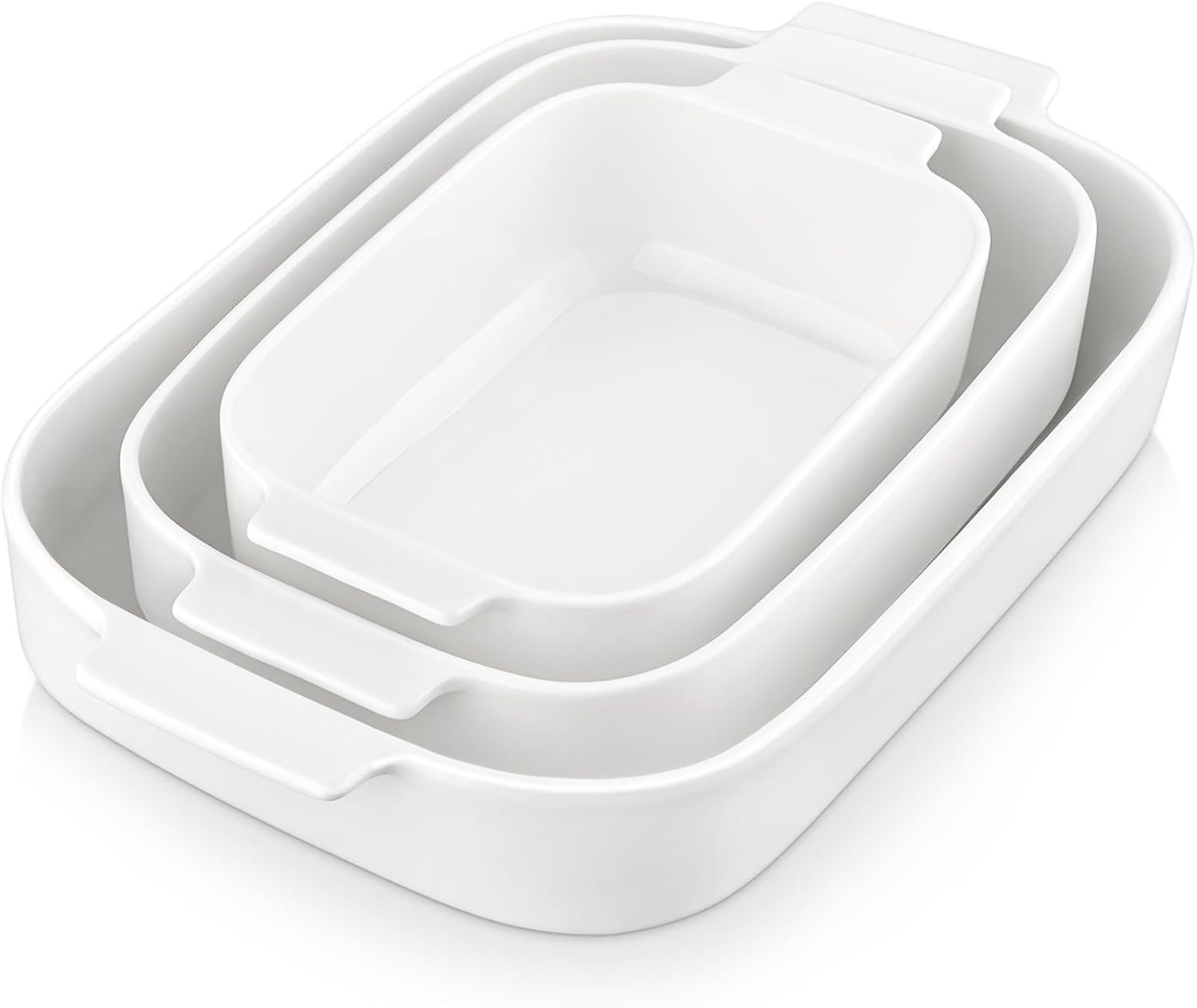
The same logic applies to dishes with a rough or crackled glaze: if the glaze is damaged, water can get into the ceramic underneath, and the dish can heat unevenly. A dish with heavy crazing should be reheated in the oven, not the microwave.
Reheating leftovers in the dish
Reheating is the best microwave use for a ceramic dish: it goes from the fridge to the microwave, heats the food evenly, and goes back to the table in the same dish. Cover the dish loosely with a microwave-safe cover or a paper towel to stop splattering, and stir or rotate the food halfway through so it heats evenly. Let the dish stand for a minute before you lift it — ceramic holds heat, and the handles will be hot. Our guide on how to store ceramic baking dishes covers fridge storage in the dish.
Lids in the microwave
PP lids never go in the microwave — the Artena PP lids are fridge-storage only, and microwave heat will warp them. Ceramic lids can go in only if the maker says so for the lid: the LOVECASA lid is listed as microwave safe along with its dish, but a lid whose listing says nothing about the microwave should stay out. When in doubt, microwave the food without the lid and put the lid on afterwards.
Does microwaving damage the glaze over time?
Not in normal use. A glazed dish in the microwave is heated by the food, not by the microwaves, so the glaze itself takes little stress. What damages a glaze is thermal shock and abrasion, not microwaving. The one microwave habit to avoid is heating an empty dish: an empty dish in a microwave heats unevenly and can crack, just as an empty dish in an oven can.
Frozen dish to microwave: thaw first
A frozen ceramic dish should not go straight into the microwave. The same thermal-shock rule applies as in the oven: a frozen dish heated fast can crack. Thaw the dish in the fridge first, then microwave it, or transfer the food to a microwave-safe container. Our guide on can ceramic baking dish go in the freezer covers the freezer rules, and our guide on how to prevent ceramic baking dish from cracking covers thermal shock in full.

If you want a set that covers microwave reheating well, our guide to the best ceramic baking dish set for beginners under $50 lists the sets we recommend.
Related on Kitchenlify
- Can Ceramic Baking Dish Go in the Freezer
- How to Prevent Ceramic Baking Dish from Cracking
- Can Ceramic Baking Dish Go in the Dishwasher
- How to Store Ceramic Baking Dishes
- Best Ceramic Baking Dish Set for Beginners Under $50
Frequently asked questions
Can a ceramic baking dish go in the microwave?
Yes, if it is glazed and the listing says microwave safe — most glazed dishes do. Do not microwave a dish with metallic trim or a gold rim, and do not microwave an unglazed handmade dish unless the maker says it is safe.
How do I know if my dish is microwave-safe?
Check the listing and the base of the dish for a microwave statement or symbol. If both are silent, run the water test: microwave a cup of water in the dish for 30 seconds — if the water is hot and the dish is cool, it is microwave-safe.
What is the water test for a ceramic dish?
Put a cup of water in the dish and microwave it for 30 seconds. If the water is hot and the dish is cool or only slightly warm, the dish is letting microwaves through to the food and is safe. If the dish itself is hot, it is absorbing microwaves and should not go in the microwave.
Can I microwave a dish with a gold rim?
No. A metallic rim or gold trim can spark and arc in the microwave, and the trim itself can be damaged. Heat the food in a different container and keep a trimmed dish out of the microwave entirely.
Can I reheat leftovers in a ceramic dish?
Yes. Cover the dish loosely with a microwave-safe cover or a paper towel, stir or rotate the food halfway through, and let the dish stand for a minute before lifting it — ceramic holds heat and the handles will be hot.
Can the lid go in the microwave?
PP lids never — the Artena lids are fridge-storage only and microwave heat will warp them. A ceramic lid can go in only if the maker says the lid is microwave safe. When in doubt, microwave without the lid and put it on afterwards.
Can a frozen ceramic dish go in the microwave?
No, not straight from the freezer. Thaw it in the fridge first, then microwave it, or transfer the food to a microwave-safe container. A frozen dish heated fast can crack from thermal shock.
Does microwaving damage the glaze?
Not in normal use. A glazed dish in the microwave is heated by the food, not by the microwaves, so the glaze takes little stress. Avoid heating an empty dish, which can heat unevenly and crack.