Do You Need to Grease a Ceramic Baking Dish
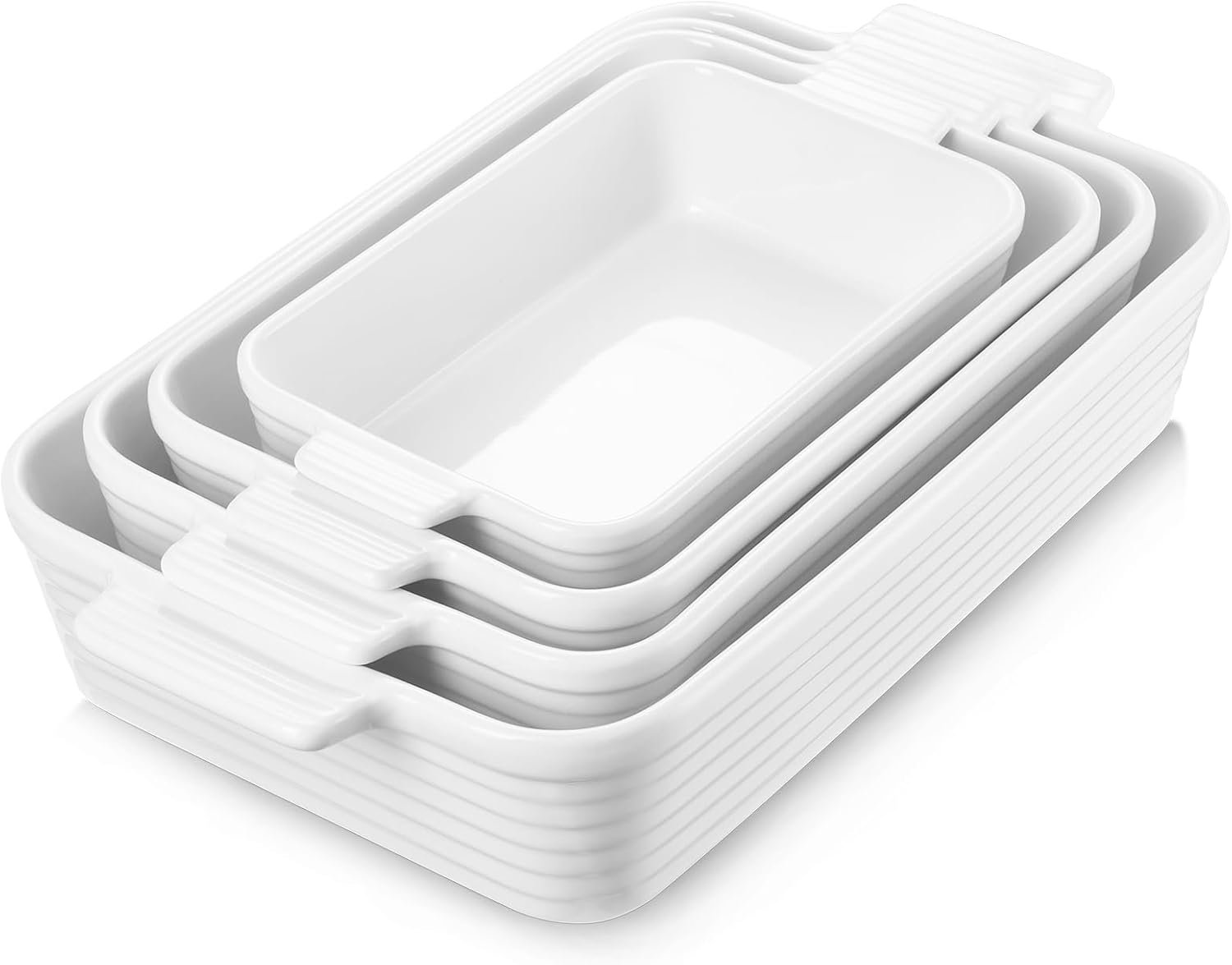
Do you need to grease a ceramic baking dish? Yes, for most dishes — even though glazed ceramic is low-stick, it is not nonstick, and cheese, sugar, and egg will still grab a dry dish. A thin coat of butter, oil, or ghee is enough. The only time to skip it is a wet casserole or a saucy dish, where the liquid does the job for you.
The short answer: do you need to grease a ceramic baking dish
Yes, for most dishes. Glazed ceramic is low-stick, not nonstick, so a light coat of butter, oil, or ghee before baking stops cheese, sugar, and egg from bonding to the glaze. Use a thin coat — too much oil pools and fries the edges. Skip greasing only for wet casseroles and saucy dishes, where the liquid keeps food from sticking on its own.
When you can skip greasing
Wet dishes do not need it. A casserole with plenty of sauce, a stew, a saucy baked pasta, or a dish with a lot of liquid in it will not stick, because the liquid sits between the food and the glaze. Roast vegetables with oil already on them are another case: the oil on the food does the job. Everything else — lasagna, gratins, baked pasta with cheese on top, brownies, bread — benefits from a light coat.
One exception to watch: a dish that has just come out of the dishwasher can feel slightly rougher than a hand-washed one, and food grabs it more easily. If your dish has been in the dishwasher a lot, grease it even for wet dishes until the glaze feels smooth again.
What to use: butter, oil, ghee — and why not cooking spray
Butter, oil, or ghee all work, and the choice is about flavour. Butter adds flavour to cakes and gratins. A neutral oil, such as vegetable or light olive oil, is best when you do not want extra flavour. Ghee works well for high-heat roasting because it handles heat without smoking. Spread a thin coat with a pastry brush or a folded paper towel — a brush reaches the corners better than a fingertip.
Do not use aerosol cooking spray on a ceramic dish. The spray contains propellants and emulsifiers that leave a sticky build-up on the glaze, and that build-up is hard to remove — it darkens with each bake and makes food stick more, not less. If a spray can is the only oil you have, spray it onto a paper towel first and wipe the dish with the towel, rather than spraying the dish directly. Our guide on is ceramic bakeware nonstick explains why glazed ceramic needs this help at all.
Flouring after greasing: cakes and breads
For cakes, breads, and brownies, grease the dish and then dust it lightly with flour — or with cocoa powder for a chocolate cake, so no white dust shows on the crust. Tap the dish and turn it so the flour coats the base and sides evenly, then tip out the excess. The flour layer gives the batter something to grip as it rises, then lets go cleanly when the bake is done. For a savoury bake, skip the flour: it adds nothing and can taste raw.
Parchment paper as an alternative
Parchment paper does the same job as greasing, and it is the better choice in two cases: when the food is very sticky, such as a turmeric-heavy curry or a sugary fruit crisp, and when you want to lift the whole bake out of the dish. Line the base and sides with a sheet of parchment, leaving the edges overhanging so you can lift the bake out like a sling. You can still grease the parchment lightly for a clean release. Parchment also protects the glaze from the worst staining foods.
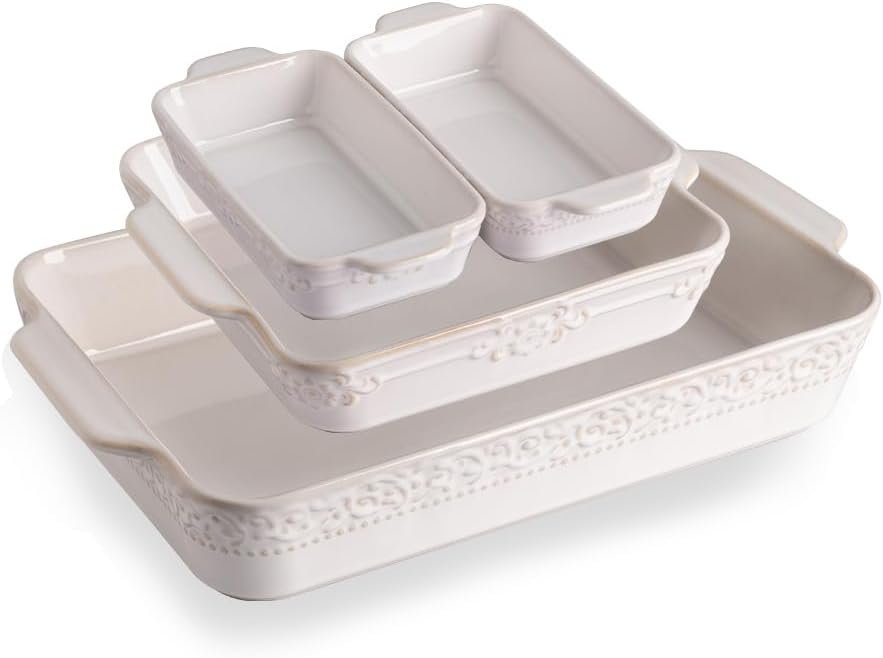
Parchment is not a substitute for greasing when the recipe needs the food to grip the dish — a gratin, for example, needs the cheese to settle against the sides. Use parchment for lift-out bakes and greasing for everything else.
Greasing for specific foods
| Food | Grease? | What to do |
|---|---|---|
| Lasagna | Yes, lightly | Thin coat of oil; the sauce helps, the cheese still sticks |
| Cheese-heavy dishes | Yes | Butter or oil; cheese is the worst sticker |
| Baked pasta | Yes, lightly | Oil, unless the dish is very saucy |
| Brownies and cakes | Yes, plus flour | Grease and dust with flour or cocoa |
| Wet casseroles | No | The liquid does the job |
| Roast vegetables | Usually no | The oil on the vegetables is enough |
Does greasing help with cleaning?
Yes, a lot. Food that never bonds to the glaze washes off with a soak and a soft sponge. Food baked onto a dry dish needs a baking soda paste and a long soak, and repeated scrubbing wears the glaze down. Greasing is the cheapest cleaning step there is: thirty seconds before the bake saves ten minutes after it. The full cleaning routine is in our guide on how to clean a ceramic baking dish.
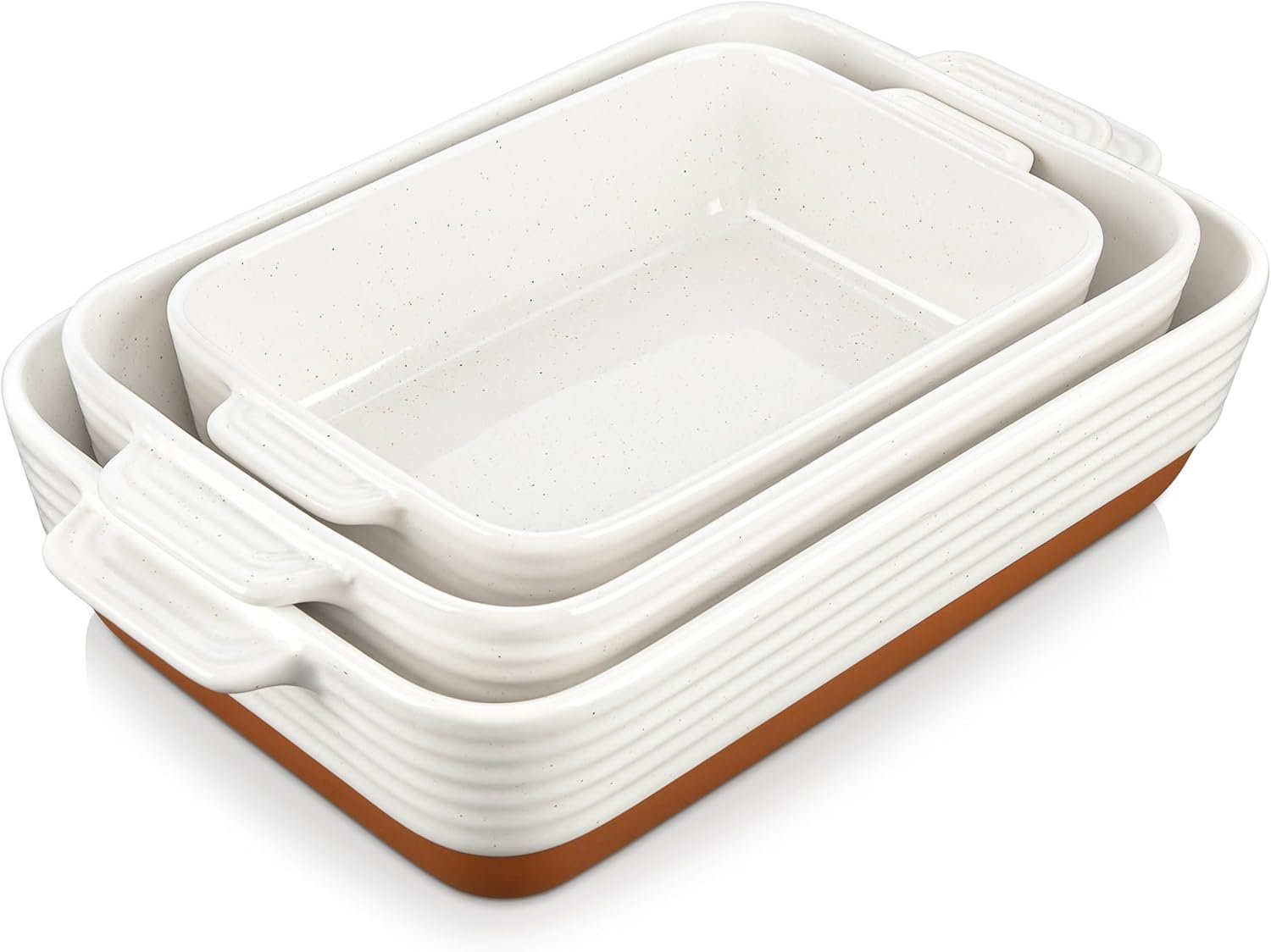
If you are buying your first set and want dishes with a smooth glaze that releases well, our guide to the best ceramic baking dish set for beginners under $50 lists the sets we recommend.
Related on Kitchenlify
- Is Ceramic Bakeware Nonstick
- How to Clean a Ceramic Baking Dish
- How to Use a Ceramic Baking Dish for Beginners
- Do You Need to Season Ceramic Bakeware
- Best Ceramic Baking Dish Set for Beginners Under $50
Frequently asked questions
Do you need to grease a ceramic baking dish?
Yes, for most dishes. Glazed ceramic is low-stick, not nonstick, and cheese, sugar, and egg will grab a dry dish. A thin coat of butter, oil, or ghee is enough. Skip greasing only for wet casseroles and saucy dishes, where the liquid does the job.
What is the best thing to grease a ceramic dish with?
Butter, oil, or ghee. Butter adds flavour to cakes and gratins, a neutral oil is best when you do not want extra flavour, and ghee works well for high-heat roasting. Spread a thin coat with a pastry brush so it reaches the corners.
Can I use cooking spray on a ceramic baking dish?
It is a bad idea. Aerosol cooking spray leaves a sticky build-up on the glaze that is hard to remove, and it makes food stick more over time, not less. If a spray can is all you have, spray it onto a paper towel and wipe the dish with the towel instead.
Do I need to grease a ceramic dish for lasagna?
Yes, lightly. The sauce helps, but the cheese on top and the pasta at the edges still stick to a dry dish. A thin coat of oil is enough — the lasagna will release cleanly and the dish will wash easily.
Can I use parchment paper instead of greasing?
Yes, for lift-out bakes such as brownies, cakes, and sticky fruit crisps. Line the base and sides with parchment, leaving the edges overhanging so you can lift the bake out. Grease the parchment lightly for a clean release.
Should I flour the dish after greasing?
For cakes, breads, and brownies, yes — grease, then dust lightly with flour, or cocoa powder for a chocolate cake. The flour layer helps the batter rise and release cleanly. For savoury bakes, skip the flour.
Does greasing stop cheese sticking?
A light coat helps a lot, because cheese is the worst sticker on a ceramic dish. Butter or oil on the base and sides stops the cheese bonding to the glaze. For a very cheesy gratin, grease generously and let the dish cool for a few minutes before serving, so the cheese sets.
What happens if I skip greasing?
Food bonds to the glaze — especially cheese, sugar, and egg — and the dish needs a long soak and a baking soda paste to clean. Repeated scrubbing wears the glaze down. Greasing takes thirty seconds and saves ten minutes of cleaning.