Is Ceramic Bakeware Safe
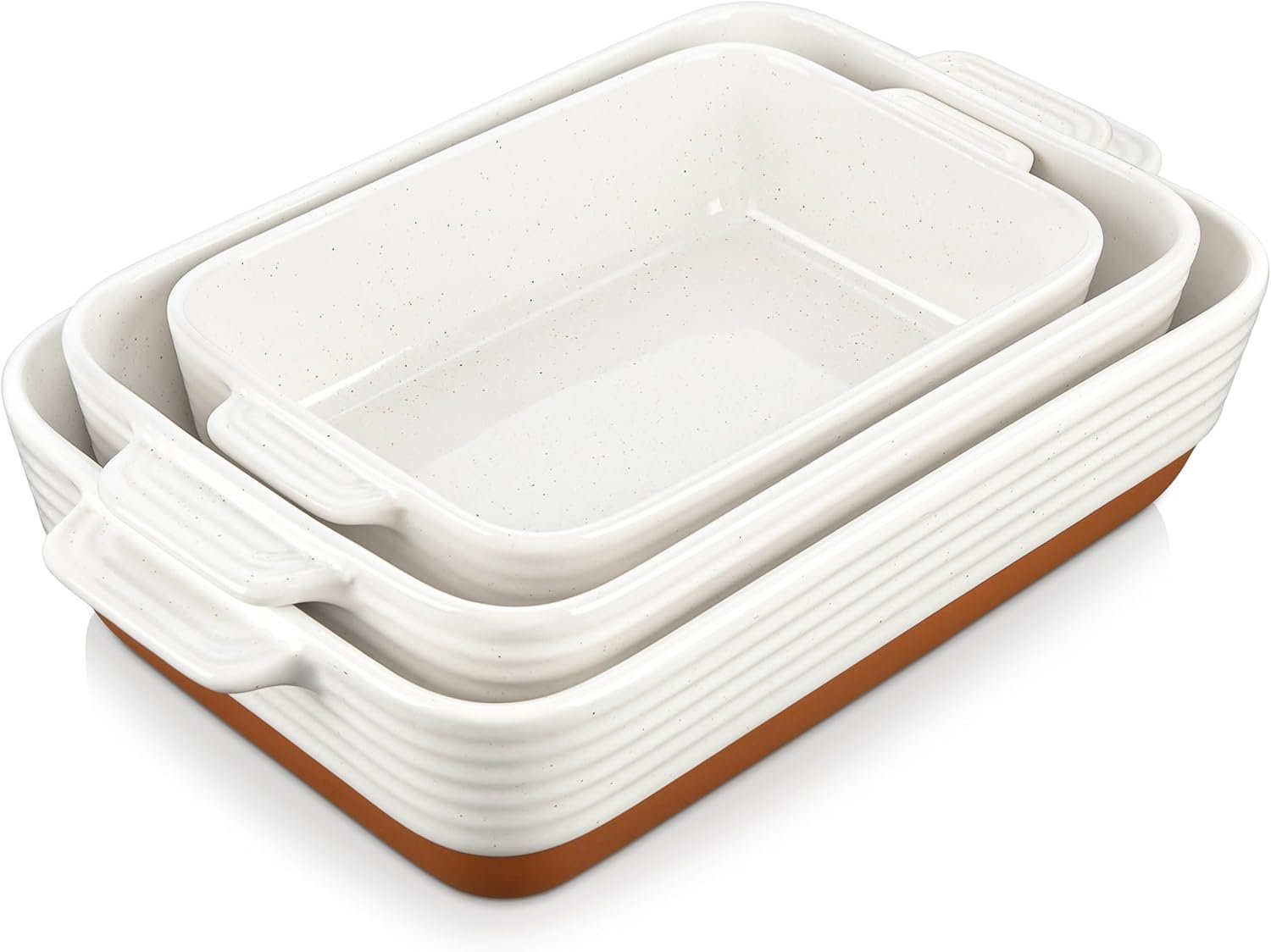
Is ceramic bakeware safe? For a solid glazed ceramic baking dish from a reputable maker, yes — the glaze seals the clay body, the dish contains no PTFE or PFOA, and it is made for oven heat. The confusion starts because most safety guides online are about ceramic-coated frying pans, not baking dishes, and the two are different products with different risks. This guide is about bakeware only: solid ceramic dishes, their glazes, and when to retire one.
Is Ceramic Bakeware Safe? The Short Answer
Yes, for the dishes this guide is about: solid glazed ceramic and stoneware baking dishes, bought new from a known maker, used inside their stated oven limit, and retired when they chip or crack. The glaze is a glass-like coating fired onto the clay, and on a properly made dish it seals the surface so food, moisture and stains stay out. The risks people worry about — lead, cadmium, coatings wearing off, chemicals at high heat — are real questions, but most of them belong to other products: coated frying pans, vintage pottery, or unbranded imports. The rest of this guide takes each worry in turn, says plainly where the filed facts end, and tells you what to check on your own dish.
Bakeware Is Not Cookware: The Pan-vs-Dish Confusion
Search for ceramic safety and the top results are almost all about ceramic cookware: frying pans with a ceramic nonstick coating over an aluminium or steel body. Those pans are a different product from a baking dish. A coated pan has a thin coating that can wear, scratch and lose its nonstick surface over one to three years of daily use. A solid ceramic baking dish has no coating to wear off — the dish itself is ceramic all the way through, with a glaze fired into its surface. It does not have a nonstick layer that degrades, and it is not used on a burner, so it never meets the direct flame that worries people about pans. When a safety article talks about a ceramic coating wearing out or a pan lasting two years, it is talking about cookware, not your lasagna dish. Keep the two apart and most of the scary headlines stop applying.
Is Ceramic Bakeware Safe for Health? Lead and Cadmium in Glazes
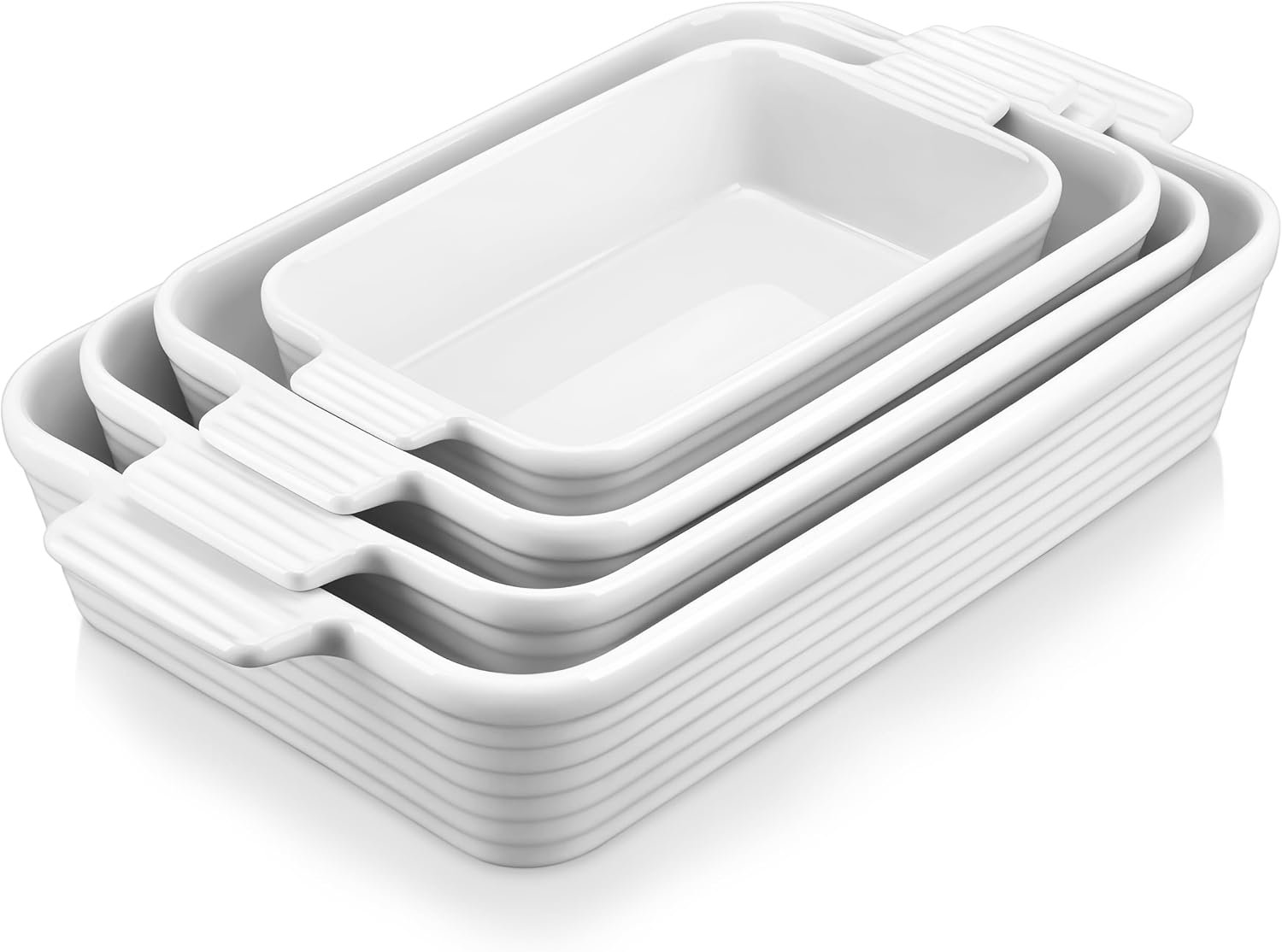
Lead and cadmium are the two metals people ask about with ceramic glazes, because old glazes sometimes used them to get bright colours and a smooth finish. On a modern dish from a reputable maker, the answer is straightforward: the listing states it. Many of the dishes in our bakeware guides state it in so many words — the MALACASA set above is described as lead-free and non-toxic ceramic, the MALACASA TARA set and the vancasso set are described as lead-free and cadmium-free, and the Artena sets state that tested samples passed lead and cadmium leaching requirements. That is the check to make on any dish you buy: look for a lead-free or cadmium-free statement in the listing, and buy from a maker that prints one. What we cannot do is make a blanket promise for every ceramic dish ever sold, because not every listing states it — where a listing does not state it, this guide says so, and you should check the listing before you buy. If you already own a dish and the maker says nothing about lead or cadmium, a lead test kit from a hardware store can screen the glaze; test kits are a screening tool, not a lab result, and no brand is endorsed here. Dishes bought new from known brands, with a stated lead-free glaze, are the low-risk choice; the higher-risk dishes are covered two sections down.
What About PTFE, PFOA and PFAS?
A solid ceramic baking dish contains no PTFE, no PFOA and no PFAS, because there is no plastic-based nonstick coating on it at all — the smooth surface is a fired glaze, not a chemical coating. That is another place the pan confusion causes trouble: ceramic-coated metal pans are often sold on a “PTFE-free” claim, and readers assume the same question applies to dishes. It does not. The one honest caveat is that a glazed dish is low-stick, not nonstick: cheese, sugar and egg can still stick, which is why greasing matters. Our guide on do you need to grease a ceramic baking dish covers when to grease and what to use, and our guide on is ceramic bakeware nonstick explains the low-stick reality in full.

How Hot Is Too Hot? Oven Limits From Real Dishes
A dish is safe at high oven temperatures only up to its own stated limit, and the limits vary more than most people expect. Among the dishes in our bakeware guides, the Artena sets are rated oven safe to 400°F — lower than most, and worth knowing before you buy. Most others sit at 450°F or 500°F, including the MALACASA and vancasso sets. The Staub set is rated to 572°F, the highest among the well-reviewed dishes, and one set in our guides is rated to 600°F. The rule is simple: never heat a dish above the limit in its own listing, never preheat it empty, and never put a cold dish into a preheated oven. Heat above the limit does not make the glaze give off chemicals — it makes the dish more likely to crack, and a cracked dish is a safety problem of its own. For the temperature rules that keep a dish intact, see our guide on how to prevent ceramic baking dish from cracking.
Is a Crazed or Cracked Dish Still Safe to Use?
A crack means stop using the dish. A crack is a structural break: it can open further in the oven, it can harbour food and moisture where you cannot clean it, and a dish that cracked once is more likely to break again. Crazing is different and subtler: a web of fine lines in the glaze, where the glaze has shrunk more than the clay body underneath. A crazed dish has no crack through the body, and many people keep using one, but crazing does mean the glaze seal is no longer perfect — the fine lines can trap moisture and stains, and crazing is often the first sign that the dish has been through temperature stress. Our thermal-shock guide explains the difference in full, including the fingernail test — if you can feel the line with a fingernail, it is a crack, not crazing — and whether a crazed dish can be fixed (honestly, no reliable fix). Read it at how to prevent ceramic baking dish from cracking before you decide to keep a crazed dish in use.
Vintage and Unbranded Dishes: Be More Careful
The lead risk is higher with vintage, antique and unbranded dishes, and this is worth saying plainly. Older glazes, especially bright reds, oranges and yellows on dishes made before modern glaze rules, sometimes used lead, and unbranded imports may not have been tested to any standard you can check. A dish picked up at a flea market, inherited without a maker’s name, or bought from a seller that states nothing about its glaze deserves more care than a new dish from a known brand. If you love a vintage dish, use a lead test kit as a first screen, keep it out of long acidic storage — tomato sauce sitting in a dish for days is the classic worst case — and consider keeping it for display or for dry serving rather than for baking. When in doubt, retire it: a new dish with a stated lead-free glaze costs less than the worry.
When to Replace a Ceramic Baking Dish
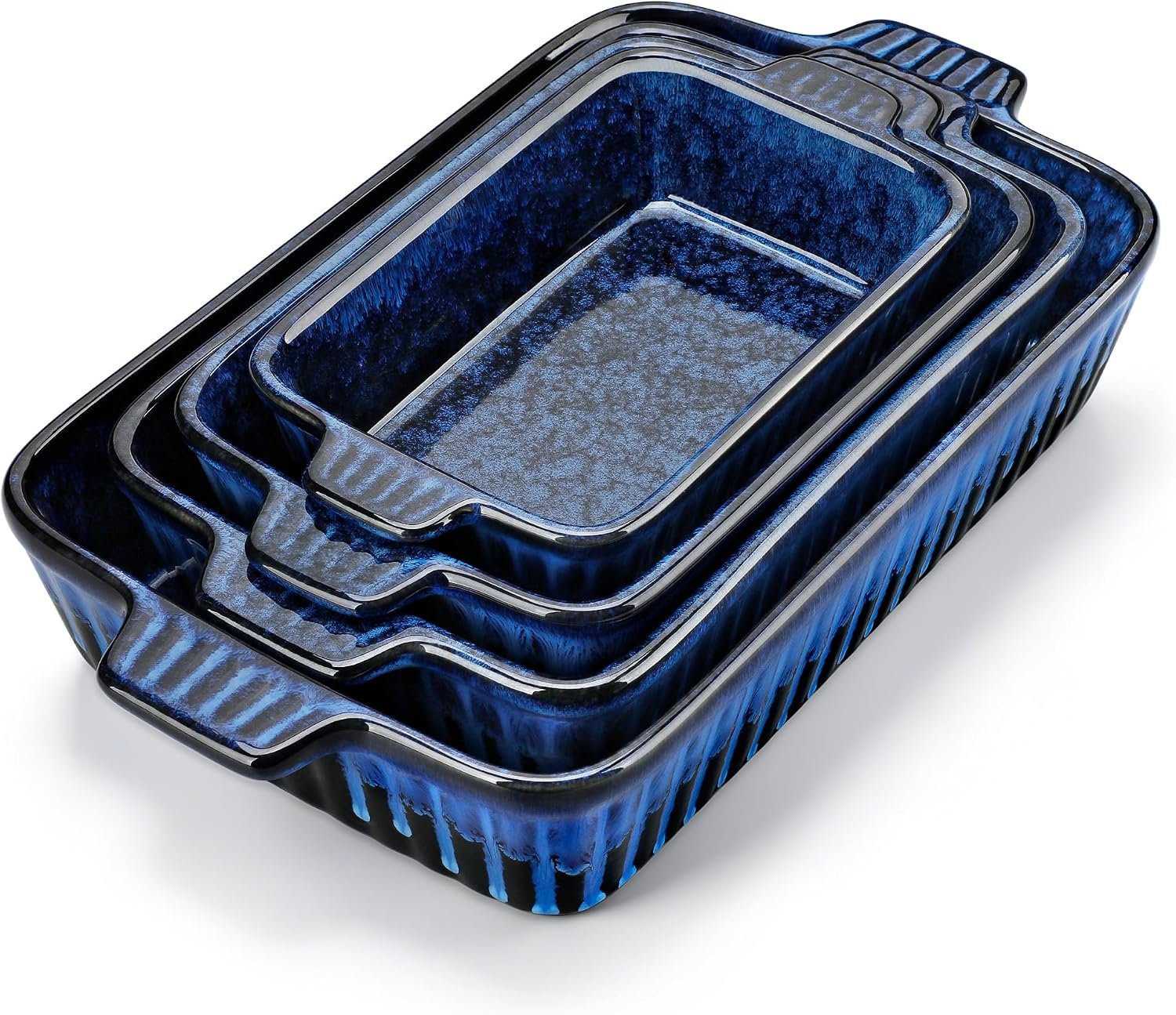
Replace a dish when it cracks, when a chip sits where food touches, when crazing spreads across the cooking surface, or when food starts sticking badly and stains will not come out no matter how you clean it. A small chip on the rim, away from food, is your own call — many people keep using such a dish, and many do not. A solid ceramic dish that is looked after lasts years, not the one-to-three-year span of a coated pan, so replacement is about damage, not age. For the full list of replace signals and how to make a dish last longer, see our guide on how long does a ceramic baking dish last. If you need a replacement and want one with a lid for storing leftovers, our guide to the best ceramic baking dish set with lids compares the lidded dishes side by side. Microwave and freezer use are part of safety too: most glazed dishes are microwave safe, and some are freezer safe — check the label, and read our guides on can ceramic baking dish go in the microwave and can ceramic baking dish go in the freezer before you try either.
Related on Kitchenlify
- How to Prevent Ceramic Baking Dish From Cracking
- How Long Does a Ceramic Baking Dish Last
- Can Ceramic Baking Dish Go in the Microwave
- Can Ceramic Baking Dish Go in the Freezer
- Best Ceramic Baking Dish Set With Lids
- All guides
Frequently asked questions
Is ceramic bakeware safe for health?
Yes, for a solid glazed dish from a reputable maker. Look for a lead-free or cadmium-free statement in the listing — many of the dishes in our guides state one. The higher-risk dishes are vintage, antique or unbranded pieces whose glaze was never tested.
Does ceramic bakeware contain lead?
A modern dish from a known maker usually does not — the MALACASA, vancasso and Artena dishes in our guides state lead-free glazes or passed lead leaching tests. But not every listing states it, so check the listing for your own dish, and be more careful with vintage or unbranded dishes.
Does ceramic bakeware contain PTFE or PFOA?
No. A solid ceramic dish has no plastic-based nonstick coating at all — its smooth surface is a fired glaze. PTFE and PFOA are questions for coated metal pans, not for solid ceramic baking dishes.
Is ceramic bakeware safe at high oven temperatures?
Yes, up to the limit in its own listing. Most dishes in our guides are rated to 450°F or 500°F, the Artena sets to 400°F, and the Staub set to 572°F. Never heat a dish above its stated limit, and never preheat it empty.
Is a crazed ceramic baking dish safe to use?
Crazing — fine lines in the glaze only — is not a crack through the body, and many people keep using a crazed dish, but the glaze seal is no longer perfect and the lines can trap moisture. A dish with a real crack should be retired at once.
Are vintage ceramic dishes safe to bake in?
Be more careful with them. Older glazes, especially bright reds, oranges and yellows, sometimes used lead, and unbranded dishes may never have been tested. Use a lead test kit as a first screen, and consider keeping a suspect dish for display rather than baking.
How do I check if my ceramic baking dish is food-safe?
Check the listing or the maker’s care page for a lead-free or cadmium-free statement, and buy from a maker that prints one. For a dish you already own with no statement, a lead test kit from a hardware store can screen the glaze.
When should I throw away a ceramic baking dish?
When it cracks, when a chip sits where food touches, when crazing spreads across the cooking surface, or when food sticks badly and stains will not come out. A small rim chip away from food is your own call.